Potty Training in 7 Days: 2026 Insider Secrets for Success
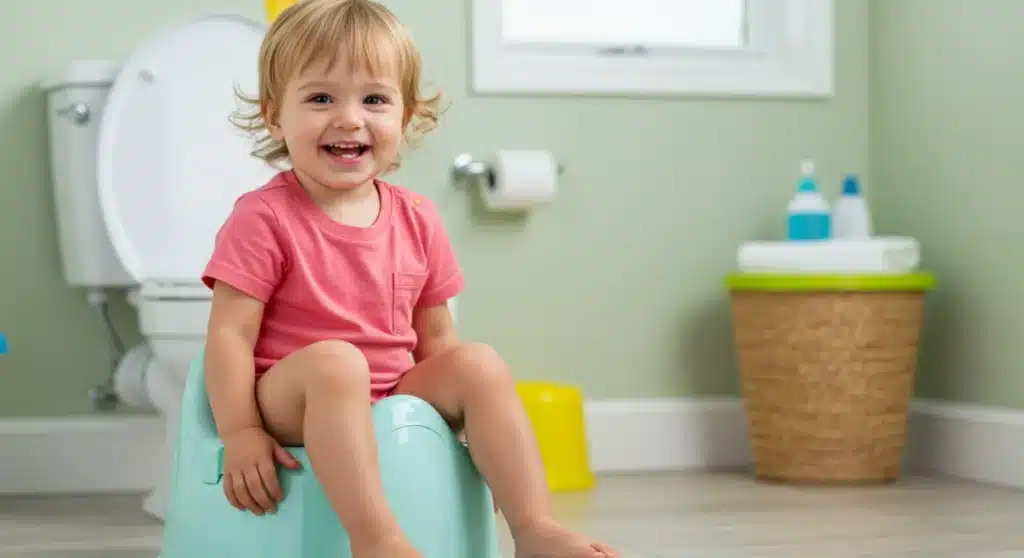
The 2026 Guide to Potty Training: Insider Secrets for Success in Just 7 Days (INSIDER KNOWLEDGE, PRACTICAL SOLUTIONS) offers parents a streamlined, effective approach to achieve rapid and lasting results by focusing on readiness, consistent routines, and positive reinforcement.
Embarking on the potty training journey can feel daunting, but with the 2026 guide to potty training: insider secrets for success in just 7 days (INSIDER KNOWLEDGE, PRACTICAL SOLUTIONS), you’re equipped for a smooth and swift transition. This comprehensive approach leverages the latest insights and time-tested strategies to help your child achieve independence quickly and confidently. Let’s dive into how you can make this milestone a positive experience for everyone.
understanding readiness: more than just age
Before you even think about buying a potty, understanding your child’s readiness is paramount. Potty training isn’t a race; it’s a developmental milestone that unfolds differently for every child. Pushing too early can lead to frustration for both parent and child, potentially prolonging the process.
True readiness encompasses physical, cognitive, and emotional indicators. Observing these signs will tell you if your child is truly prepared to embark on this journey, making the 7-day plan much more effective. Ignoring these cues is often the biggest pitfall parents encounter, leading to unnecessary stress and setbacks.
physical and cognitive indicators
Look for specific signs that suggest your child’s body and mind are ready. These aren’t always obvious but become clear with careful observation.
- Staying dry for longer periods, especially after naps or overnight.
- Having predictable bowel movements.
- Showing curiosity about the toilet or asking about using it.
- Being able to pull down their pants independently.
emotional and verbal readiness
Emotional readiness is equally crucial. Your child needs to understand and communicate their needs effectively.
- Expressing discomfort with a wet or soiled diaper.
- Verbally communicating the need to go.
- Desiring to wear “big kid” underwear.
- Showing a willingness to cooperate and follow simple instructions.
By carefully assessing these readiness signs, you’re setting the foundation for a successful and less stressful potty training experience. This initial evaluation is a critical step in the 7-day strategy, ensuring you start when your child is most receptive.
preparing the environment: setting the scene for success
Once you’ve identified that your child is ready, the next step is to create an encouraging and functional environment. A well-prepared space can significantly reduce anxiety and make the process feel natural and inviting for your toddler. This preparation isn’t just about buying a potty; it’s about integrating the concept of using the toilet into their daily life.
A child-friendly bathroom setup, accessible tools, and a positive atmosphere are key components of this stage. Think of it as creating a mini-potty training headquarters that your child feels comfortable and confident using.
choosing the right potty equipment
The market offers a variety of potty training tools. Selecting the appropriate one for your child’s needs and preferences can make a big difference.
- Potty chair: Often preferred by younger toddlers as it allows their feet to touch the floor, providing stability.
- Toilet seat insert: A good option for older toddlers who are comfortable with heights and want to use the “big” toilet.
- Step stool: Essential for both potty chairs and toilet inserts to ensure easy access and proper positioning.
creating a positive bathroom atmosphere
The bathroom should be a place of comfort, not fear. Small adjustments can make a significant impact on your child’s willingness to use it.
- Ensure the bathroom is warm and inviting.
- Keep it well-lit and clean.
- Consider adding fun elements like a stack of books or a small toy basket near the potty.
- Involve your child in choosing their potty or seat, giving them a sense of ownership.
Preparing the environment thoroughly removes potential obstacles and fosters a sense of excitement around potty training. This proactive step helps to create a positive association with the toilet, which is vital for the rapid progression aimed for in the 7-day plan.
the 7-day action plan: day-by-day breakdown
The core of this guide is a structured, yet flexible, 7-day action plan designed to accelerate the potty training process. This isn’t about strict adherence to a rigid schedule, but rather a sequence of focused steps that build upon each other, maximizing your child’s learning and success. Each day introduces new elements and reinforces previous lessons.
The key to this rapid progress lies in consistency, observation, and positive reinforcement. Remember, every child is unique, so while the framework is set, be prepared to adjust to your child’s pace within this accelerated timeline.
day 1-2: introduction and observation
These initial days are about familiarization and identifying your child’s patterns. Start by involving them in the process from the moment they wake up.
- Introduce the potty: Let your child sit on it fully clothed, explaining its purpose in simple terms.
- Transition to underwear: Once comfortable, switch to underwear, emphasizing they are now a “big kid.”
- Frequent bathroom breaks: Take your child to the potty every 15-20 minutes initially, whether they indicate a need or not.
- Observe patterns: Note when your child typically has bowel movements and voids, adjusting your schedule accordingly.
day 3-4: routine and reinforcement
By now, your child should be more familiar with the potty. Focus on establishing a consistent routine and celebrating successes.
- Scheduled potty times: Implement consistent potty breaks, especially after waking, before leaving the house, and before bed.
- Positive reinforcement: Lavishly praise and reward any attempt or success. Small treats, stickers, or high-fives work wonders.
- Address accidents calmly: Clean up accidents without fuss or punishment, reassuring your child it’s okay.
These four days lay a solid foundation. You’re building habits and positive associations, which are crucial for the rapid learning curve of a 7-day plan. Consistency is your most powerful tool during this phase.
mastering the art of positive reinforcement
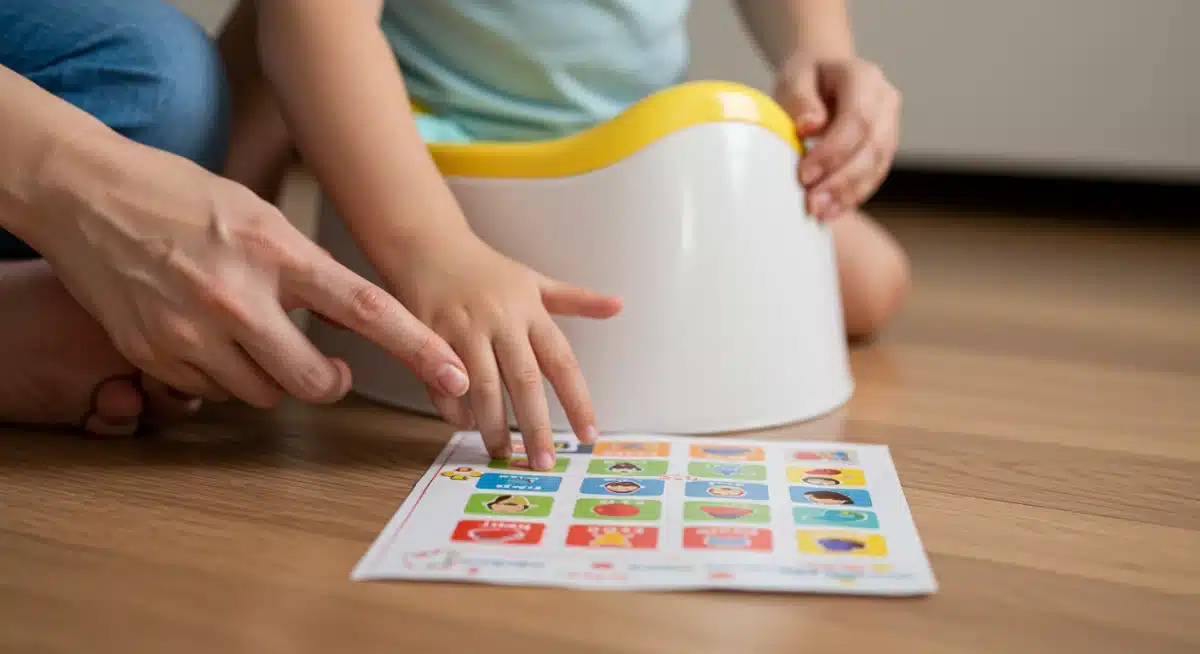
Positive reinforcement is the cornerstone of effective potty training, especially within a condensed timeframe like 7 days. It’s not just about rewarding success, but about acknowledging effort and building confidence. Children thrive on encouragement, and a positive approach can transform a potentially stressful experience into an empowering one.
This strategy goes beyond simple praise; it involves understanding what truly motivates your child and using those motivators strategically. The goal is to create a positive feedback loop that encourages desired behaviors and minimizes resistance.
effective reward systems
Rewards don’t have to be elaborate or expensive. Often, the simplest forms of recognition are the most impactful.
- Sticker charts: A visual representation of progress can be incredibly motivating for young children.
- Small toys or treats: A special privilege or a small, desired item can reinforce success.
- Verbal praise and high-fives: Immediate and enthusiastic praise is often the most powerful reward.
- Special activities: Five extra minutes of playtime or reading a favorite book can be a great incentive.
handling accidents with grace
Accidents are an inevitable part of potty training, and how you respond to them is critical. A calm and reassuring approach prevents shame and encourages continued effort.
When an accident occurs, avoid scolding or showing frustration. Instead, calmly state, “Oops, it looks like you had an accident. Next time, let’s try to make it to the potty.” Involve your child in the cleanup process if they are old enough, teaching them responsibility without punishment. This reinforces the learning process without creating negative associations.
By consistently applying positive reinforcement and handling accidents with understanding, you build a supportive environment that fosters rapid learning. This approach not only speeds up the 7-day process but also strengthens your child’s self-esteem and independence.
troubleshooting common challenges and setbacks
Even with the best preparation and a solid 7-day plan, challenges can arise. Potty training is a journey with its ups and downs, and understanding how to navigate common setbacks is crucial for maintaining progress. Addressing these issues proactively and patiently will prevent minor hiccups from derailing your efforts.
From resistance to regression, knowing how to respond effectively will keep you on track. Remember, consistency and a calm demeanor are your greatest assets when faced with difficulties.
resistance and refusal
Some children may resist using the potty, despite showing readiness. This can be frustrating, but patience is key.
- Take a break: If your child is strongly resisting, a short break (a few days to a week) can sometimes be beneficial.
- Make it fun: Introduce potty-related books, songs, or games to make the experience more appealing.
- Offer choices: Give your child a sense of control by asking if they want to use the big toilet or the potty chair, or if they want to go now or in five minutes.
regression: understanding and overcoming it
Regression, or a temporary return to old habits, is common, especially during times of stress or change (e.g., new sibling, moving). It doesn’t mean your efforts have failed.
When regression occurs, revert to the basics of your 7-day plan. Increase scheduled potty breaks, reinforce successes, and maintain a positive attitude. Avoid shaming or punishing, as this can exacerbate the problem. Understand that regression is often a phase and will pass with consistent, supportive guidance.
By anticipating and effectively managing these common challenges, you can keep your 7-day potty training plan on track. It’s about being prepared, flexible, and always supportive of your child’s learning process.
nighttime training and maintaining momentum
While the initial 7-day focus is primarily on daytime potty training, nighttime dryness is a separate, often later, developmental milestone. However, establishing good habits during the day can certainly lay the groundwork for eventual nighttime success. Maintaining momentum post-7 days is also vital to solidify learned behaviors.
This section will address how to approach nighttime training once daytime success is achieved and strategies to ensure the skills learned during the intensive week become second nature.
approaching nighttime dryness
Nighttime dryness is largely physiological, meaning your child’s body needs to be mature enough to hold urine for extended periods. This usually happens later than daytime training.
- Continue daytime success: Focus on making daytime potty use consistent before tackling nights.
- Limit liquids before bed: Reduce fluid intake in the hour or two leading up to bedtime.
- “Dream potty” trips: Gently wake your child to use the potty before you go to bed.
- Protective bedding: Use waterproof mattress covers and pads for easy cleanup.
sustaining habits beyond 7 days
The 7-day intensive period is a strong start, but maintenance is key. Consistency in routines and continued positive reinforcement will prevent regression.
After the initial week, continue with regular potty breaks, especially before leaving the house or during transitions. Keep up with praise and occasional rewards to reinforce the positive behavior. Involve your child in choosing their underwear and empower them to take ownership of their new skill. Making potty training a natural part of their daily routine ensures long-term success.
By understanding the nuances of nighttime training and committing to ongoing reinforcement, you ensure that the successes achieved in the initial 7 days are not just temporary but become deeply ingrained habits for your child.
the 2026 perspective: what’s new and noteworthy
Potty training methods evolve, and 2026 brings new insights and technological advancements that can further enhance your 7-day success. While the core principles remain, modern approaches offer additional tools and understanding for parents. Staying informed about these developments can provide an edge in tackling this milestone efficiently.
From smart potties to refined psychological approaches, the landscape of potty training is continually improving, making it easier for both parents and children to navigate this transition with greater ease and fewer struggles.
technological aids in potty training
The integration of technology into parenting tools has provided some fascinating new options for potty training.
- Smart potties: Some potties now offer sensors and apps that track usage, celebrate successes with sounds, or even provide data on your child’s patterns.
- Interactive apps and games: Educational apps can make learning about the potty fun and engaging, reinforcing positive messages.
- Wearable moisture sensors: These discreet devices can alert parents to wetness, helping to identify patterns and prevent accidents, especially for nighttime training.
evolving psychological approaches
Beyond gadgets, our understanding of child psychology continues to refine potty training strategies.
- Child-led readiness: The emphasis has shifted even more towards truly child-led readiness, avoiding pressure and fostering intrinsic motivation.
- Gamification: Turning potty training into a game with clear rules and rewards, rather than a chore, has proven highly effective.
- Mindfulness for parents: Encouraging parents to approach the process with patience and mindfulness reduces parental stress, which children often mirror.
Embracing these 2026 insights and tools can provide a significant advantage in your 7-day potty training journey. They offer supplementary support and innovative ways to make the experience more positive and efficient, aligning with the goal of achieving rapid success.
| Key Point | Brief Description |
|---|---|
| Assess Readiness | Prioritize physical, cognitive, and emotional cues over age to ensure optimal timing for training. |
| Prepare Environment | Create a child-friendly, inviting bathroom space with appropriate potty equipment. |
| 7-Day Action Plan | Follow a structured, consistent daily routine with frequent breaks and positive reinforcement. |
| Positive Reinforcement | Utilize sticker charts, praise, and small rewards, while handling accidents calmly. |
frequently asked questions about 7-day potty training
While the 7-day method is highly effective for many, it works best when a child shows clear signs of readiness. Forcing it before they are developmentally ready can lead to frustration and delay. Assess readiness carefully before starting.
Accidents are a normal part of the learning process. Respond calmly, without anger or punishment. Reassure your child it’s okay and gently remind them about using the potty. Consistent positive reinforcement for successes is key.
If your child resists, try to make it more fun with books or games. Offer choices to give them control. If resistance is strong, a short break might be beneficial before trying again. Avoid power struggles.
Nighttime dryness typically comes after daytime training is well-established. Wait until your child consistently wakes up dry for several mornings before actively focusing on nighttime training. Limiting fluids before bed can help.
The most important elements are assessing child readiness, creating a positive environment, maintaining strict consistency in routine, and utilizing abundant positive reinforcement. Patience and a calm approach to accidents are also crucial.
conclusion
Embarking on the potty training journey, especially with the accelerated goal of 7 days, requires a blend of preparation, patience, and strategic action. By focusing on your child’s readiness, creating a supportive environment, and consistently applying positive reinforcement, you can significantly streamline this developmental milestone. Remember that while the 7-day plan provides a robust framework, flexibility and understanding your child’s unique pace are paramount. With the insider knowledge and practical solutions outlined in this 2026 guide, you’re well-equipped to navigate potty training with confidence, leading your child to independence efficiently and joyfully.