Potty Training in 7 Days: A Step-by-Step Guide for Toddlers 2-3
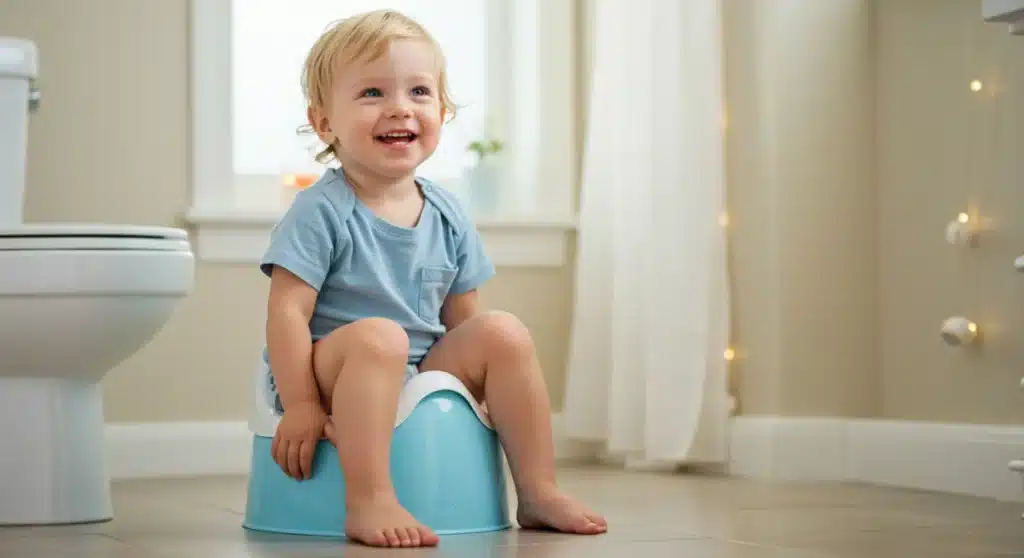
Achieving successful potty training for toddlers aged 2-3 years within seven days requires consistent effort, a positive approach, and an understanding of readiness cues to ensure a smooth transition from diapers to toilet independence.
Embarking on the journey of potty training in 7 days for your toddler aged 2-3 years can seem daunting, but with a structured, step-by-step approach and a dash of patience, it’s an achievable goal, updated for 2026. This guide is designed to empower parents with practical strategies and insights, transforming a potentially stressful experience into a positive milestone for your child and your family.
Understanding Toddler Readiness and Preparation
Before diving into a 7-day plan, it’s crucial to assess your toddler’s readiness. Potty training success often hinges on recognizing both physical and emotional cues, rather than solely focusing on age. While this guide targets 2-3 year olds, individual development varies significantly.
Physical readiness includes staying dry for longer periods, having predictable bowel movements, and possessing the motor skills to pull pants up and down. Emotional readiness involves showing curiosity about the toilet, expressing discomfort with wet or soiled diapers, and demonstrating a desire for independence. Observing these signs will set the stage for a more effective and less frustrating training experience. Rushing the process before your child is ready can lead to resistance and setbacks, prolonging the overall training time.
Key Readiness Indicators
- Can stay dry for at least 2 hours during the day or after naps.
- Has predictable bowel movements.
- Can follow simple instructions.
- Shows interest in the toilet or wearing underwear.
Preparing the Environment
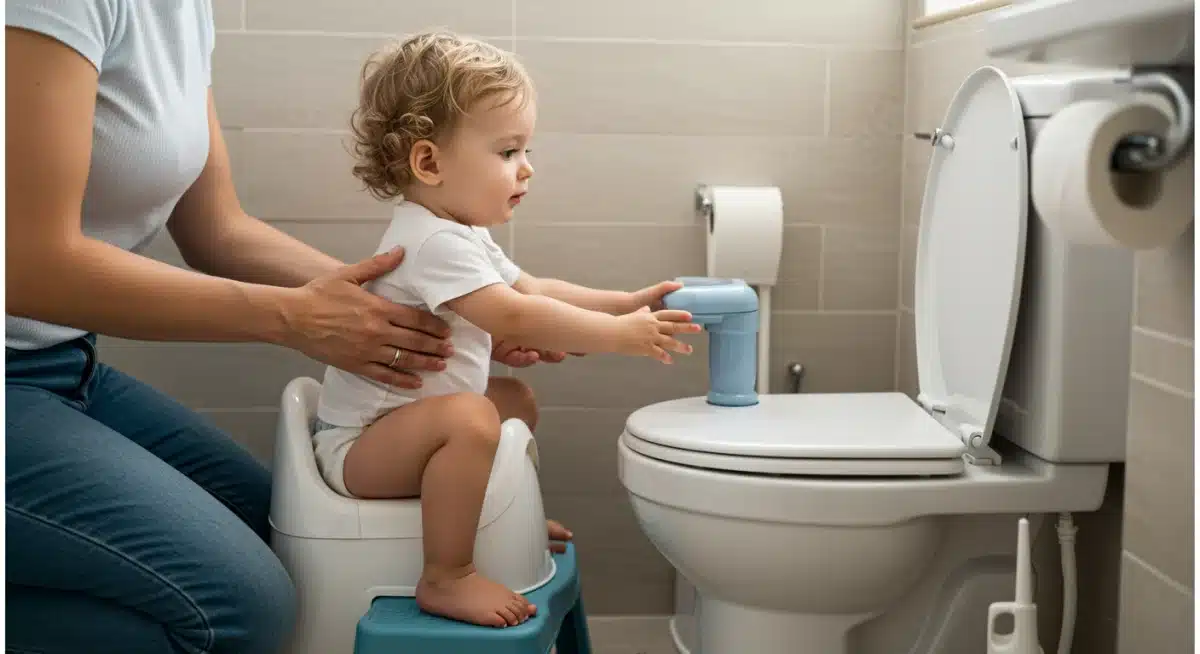
Creating a welcoming and accessible potty-training environment is essential. This means having the right equipment and making sure your child feels comfortable and safe. A small, child-sized potty or a toilet seat insert can make a big difference in their confidence.
Involve your child in choosing their potty or seat, allowing them to feel a sense of ownership over the process. Place the potty in an easily accessible location, perhaps the bathroom, to normalize its presence. Ensure that clothing is easy to manage, opting for loose-fitting pants that can be pulled down quickly when the urge strikes. Stocking up on training pants or underwear can also signal a shift from diapers.
Day 1-2: Introduction and Routine Building
The initial two days of your potty training in 7 days journey are about gentle introduction and establishing a consistent routine. Avoid pressure and keep the atmosphere light and positive. The goal is to familiarize your toddler with the potty and the concept of using it.
Start by explaining what the potty is for in simple, child-friendly language. You can use books, videos, or even demonstrate with a doll or stuffed animal. Encourage your child to sit on the potty, fully clothed or partially clothed, for short periods throughout the day, especially after waking, before naps, and before leaving the house. The focus here is on comfort and exploration, not necessarily on success.
Establishing a Potty Schedule
- First thing in the morning.
- Before and after naps.
- Before and after meals.
- Before bedtime.
- Anytime they show signs of needing to go.
During these first two days, keep diapers on, but change them promptly when wet or soiled. This helps your child connect the feeling of wetness with the desire to be dry. Celebrate any attempt to sit on the potty, even if nothing happens. Positive reinforcement, like clapping or a small sticker, can be incredibly motivating. Avoid negative reactions to accidents; simply clean them up and reassure your child.
Consistency is key. Try to stick to your schedule as much as possible, even if it feels like your child isn’t making immediate progress. These foundational days are about building awareness and confidence, which are crucial for the steps ahead.
Day 3-4: Transitioning to Underwear and Active Training
By day 3, if your toddler has shown some comfort with the potty, it’s time to transition from diapers to training pants or underwear for daytime. This is a significant step in the potty training in 7 days process, as it allows your child to feel wetness more directly, reinforcing the connection between bodily functions and the need for the potty.
Explain to your child that they are now a ‘big kid’ who wears underwear. Let them choose their favorite characters or colors to make the transition exciting. Be prepared for accidents; they are a normal part of learning. When an accident occurs, calmly help your child clean up and remind them that pee or poop goes in the potty. Avoid shaming or punishment, as this can create anxiety and resistance.
Increased Potty Breaks and Observation
Increase the frequency of potty breaks. Instead of just scheduled times, also take your child to the potty when you notice signs they might need to go, such as wiggling, holding themselves, or suddenly becoming quiet. Ask them frequently if they need to use the potty, but avoid nagging. Empower them to communicate their needs.
Positive reinforcement remains vital. When your child successfully uses the potty, offer enthusiastic praise, a high-five, or a small reward like a sticker or a special activity. These positive experiences help solidify the new behavior. Remember, the goal is to make potty training a positive and empowering experience for your child.
Day 5-6: Handling Accidents and Encouraging Independence
As you approach the end of the 7-day period, days 5 and 6 focus on reinforcing learned behaviors and fostering greater independence. Accidents will likely still occur, and how you handle them is critical for sustained success in your potty training in 7 days plan.
Continue with your consistent potty schedule and frequent reminders. Encourage your child to initiate going to the potty on their own. You might say, “Tell mommy or daddy when you need to go potty,” rather than always asking them. This shifts responsibility to them, building their self-awareness and confidence.
Strategies for Managing Accidents
- Stay calm and avoid showing frustration.
- Remind them gently that accidents happen, but pee/poop goes in the potty.
- Involve them in the cleanup process (e.g., helping wipe up, putting soiled clothes in the hamper).
- Reassure them that they will get it next time.
Consider introducing the concept of wiping, at least for pee, and teaching them to flush the toilet. These steps further enhance their sense of accomplishment and autonomy. While full wiping independence might take longer, starting the habit now is beneficial. Keep rewards small but consistent, gradually phasing them out as the new behavior becomes routine. The ultimate reward should be the feeling of being a ‘big kid’ and the pride in their achievement.
Day 7 and Beyond: Consistency and Nighttime Training
Day 7 marks a significant milestone in your potty training in 7 days journey, but it’s important to remember that consistency and continued support are vital beyond this initial week. While daytime potty training might be largely successful, nighttime training often takes longer and follows its own developmental timeline.
Continue to maintain the established potty routine. Praise consistency and independence. If accidents happen, especially when your child is tired or engrossed in play, handle them with patience and understanding. Regression can occur, particularly during times of stress or change, so be prepared to gently revisit earlier steps if needed.
Approaching Nighttime Training
- Limit liquids before bedtime.
- Ensure a ‘potty break’ right before bed.
- Use pull-ups or training pants at night without shame.
- Consider a waterproof mattress protector.
- Praise dry nights, but don’t punish wet ones.
Focus on celebrating daytime successes and creating a supportive environment for your child’s continued development. Remember that every child is unique, and progress isn’t always linear. Your patience and encouragement are the most powerful tools in this process.
Common Challenges and Troubleshooting Tips
Even with a well-structured potty training in 7 days plan, parents may encounter various challenges. Understanding and addressing these issues proactively can prevent frustration and keep the process on track. One common hurdle is resistance or fear of the potty, which can manifest as refusing to sit, crying, or holding bowel movements.
If your child shows significant resistance, take a step back. Reintroduce the potty in a playful, low-pressure manner. Sometimes, a different type of potty or toilet seat can make a difference. Ensure there are no underlying medical issues causing discomfort. Constipation, for example, can make pooping painful and lead to withholding.
Troubleshooting Potty Training Issues
- Potty refusal: Make it fun with books, songs, or games. Let them decorate the potty.
- Fear of flushing: Explain it’s just the water. Let them flush small toys (supervised).
- Withholding bowel movements: Ensure a fiber-rich diet and adequate hydration. Consult a pediatrician if it persists.
- Regression: Identify potential stressors (new sibling, moving) and offer extra reassurance. Temporarily return to diapers if needed, then reintroduce training gently.
Another challenge is inconsistent success, where a child might have several dry days followed by numerous accidents. This is often a normal part of learning. Maintain consistency in your routine and responses. Avoid expressing disappointment, as this can discourage your child. Instead, focus on celebrating even small successes and reminding them of their progress.
Peer pressure or comparison with other children can also be a hidden challenge for parents. Remember that every child develops at their own pace. Focus on your child’s unique journey and celebrate their individual achievements, rather than comparing them to others. Patience, empathy, and a positive attitude are your best allies in overcoming these hurdles.
| Key Aspect | Brief Description |
|---|---|
| Readiness Cues | Look for physical and emotional signs (e.g., staying dry longer, showing curiosity) before starting. |
| Consistent Routine | Establish regular potty breaks (e.g., upon waking, before naps) from day one. |
| Positive Reinforcement | Celebrate successes with praise or small rewards; avoid punishment for accidents. |
| Patience & Flexibility | Every child is unique; be prepared for setbacks and adjust the plan as needed. Nighttime takes longer. |
Frequently Asked Questions About Potty Training
Look for signs like staying dry for longer periods, showing interest in the toilet, communicating when they need to go, and having the motor skills to pull down pants. Emotional readiness, such as a desire for independence, is also a key indicator.
Stay calm and avoid showing frustration. Reassure your child that accidents happen and gently remind them that pee or poop goes in the potty. Involve them in the cleanup process to reinforce the lesson without shame.
Yes, regression is common. It can be triggered by stress, changes in routine (like a new sibling or moving), or illness. Handle regression with patience, return to earlier training steps if necessary, and offer extra support and reassurance.
No, forcing a child can create negative associations and resistance, potentially delaying the process. Instead, make potty time fun and inviting, using books, songs, or games. If resistance continues, take a break and try again later.
Nighttime dryness often takes longer than daytime training, as it depends on physical maturity and bladder control. Many children aren’t consistently dry at night until age 4 or 5. Be patient, limit liquids before bed, and use nighttime training pants without pressure.
Conclusion
Successfully navigating potty training in 7 days for your 2-3 year old is a journey that requires preparation, patience, and a positive mindset. By understanding your toddler’s readiness cues, establishing consistent routines, and offering unwavering encouragement, you can guide them toward this significant developmental milestone. Remember that setbacks are part of the learning process, and your calm, supportive approach is the most valuable tool. Celebrate every small victory, adapt to your child’s individual pace, and enjoy watching them gain new independence and confidence.