Potty Training in 7 Days: A US Toddler’s Step-by-Step Plan
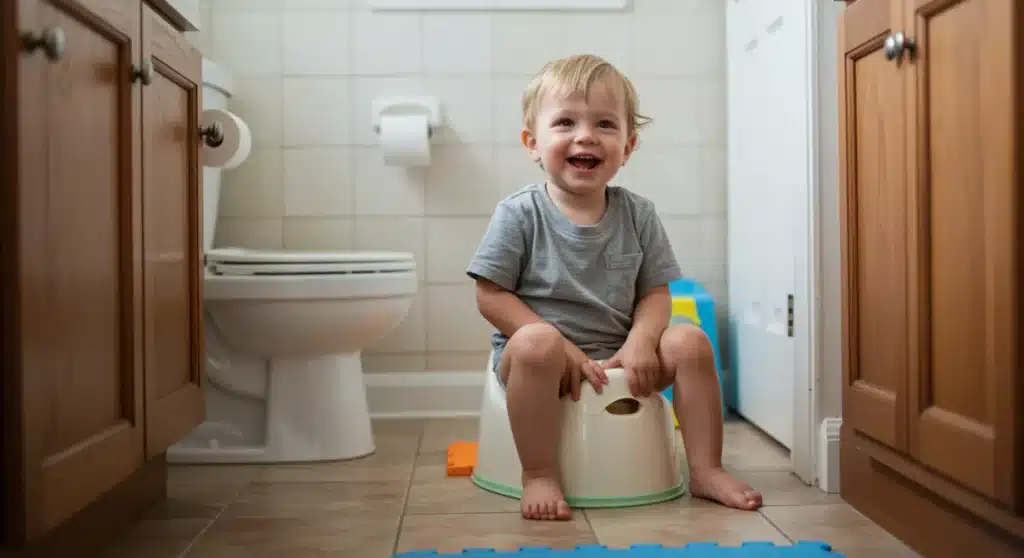
An effective potty training in 7 days for toddlers in the US involves recognizing readiness signs, establishing a consistent routine, using positive reinforcement, and handling accidents calmly to achieve quick success.
Embarking on the potty training journey can feel daunting, but with an effective potty training in 7 days: a step-by-step plan for toddlers in the US for 2025, you can navigate this milestone with confidence and achieve remarkable progress. This guide is designed to empower parents with a clear, actionable strategy, transforming what often seems like a lengthy process into a focused, week-long endeavor.
Understanding Toddler Readiness for Potty Training
Before diving into any specific plan, it’s crucial to understand that successful potty training hinges significantly on your toddler’s readiness. Pushing a child before they are physically and emotionally prepared can lead to frustration for both parents and children, potentially prolonging the process. Recognizing these signs is the first, most important step in setting the stage for an effective potty training in 7 days.
Readiness isn’t just about age; it’s a combination of developmental milestones. Typically, children show signs of readiness between 18 months and three years old, but every child is unique. Observing these cues will help you determine the optimal time to begin your 7-day potty training adventure.
Key Readiness Indicators
Look for several key indicators that suggest your toddler is ready to start. These signs are often subtle but become more apparent as your child approaches readiness. Being attentive to these cues will increase your chances of success.
- Physical Readiness: Your child can walk to and sit on a potty, and stay dry for at least 2 hours or after naps. They also have predictable bowel movements.
- Cognitive Readiness: They can follow simple instructions, understand and use words related to potty use (like ‘pee’ or ‘poop’), and express when they need to go.
- Emotional Readiness: They show an interest in the potty or wearing underwear, express discomfort with soiled diapers, and seek independence.
Ignoring these signs can make the process much harder. Forcing a child who isn’t ready can create negative associations with the potty, leading to resistance and delays. Patience and observation are your best allies in this preparatory phase.
In summary, assessing your toddler’s readiness is the foundational step for any successful potty training program. By carefully observing physical, cognitive, and emotional cues, you can ensure your child is prepared for the journey ahead, making the 7-day plan much more effective and less stressful for everyone involved.
Day 1-2: Preparation and Introduction to the Potty
The initial two days of your effective potty training in 7 days plan are all about preparation and gentle introduction. This phase is crucial for building a positive association with the potty and setting clear expectations. Rushing through this stage can undermine subsequent efforts, so take your time and make it fun.
Begin by creating a potty-friendly environment. This involves purchasing the right equipment and making sure your child feels comfortable and curious about it. The goal is to demystify the potty and integrate it into their daily routine in a non-threatening way.
Essential Potty Training Supplies
Having the right tools on hand can make a significant difference. A child-sized potty or a potty seat for the regular toilet are both good options, depending on your child’s preference and comfort. Let your child choose their potty if possible, as this can increase their engagement.
- Child-sized potty: Easy for toddlers to get on and off independently.
- Potty seat for adult toilet: Some children prefer feeling like a ‘big kid’ on the regular toilet.
- Step stool: Essential for reaching the toilet and sink for handwashing.
- Underwear: Introduce ‘big kid’ underwear as a motivator and a signal that diapers are going away.
- Wipes and easy-to-remove clothing: Facilitate quick clean-ups and independent dressing.
On Day 1, introduce the potty as a new, exciting ‘chair’ for them. Let them sit on it, fully clothed, while reading a book or playing. The idea is to make it a normal part of their environment. Explain what the potty is for in simple, positive terms, using age-appropriate language. For instance, ‘This is your special potty for when you need to pee or poop, just like mommy and daddy.’
By Day 2, encourage them to sit on the potty without a diaper for short periods, perhaps after waking up or before bath time. Don’t pressure them to ‘perform’; simply celebrate their willingness to sit. Show them how to flush and wash their hands, reinforcing these steps as part of the routine. Keep interactions light and positive, celebrating any small step, even just sitting on the potty.
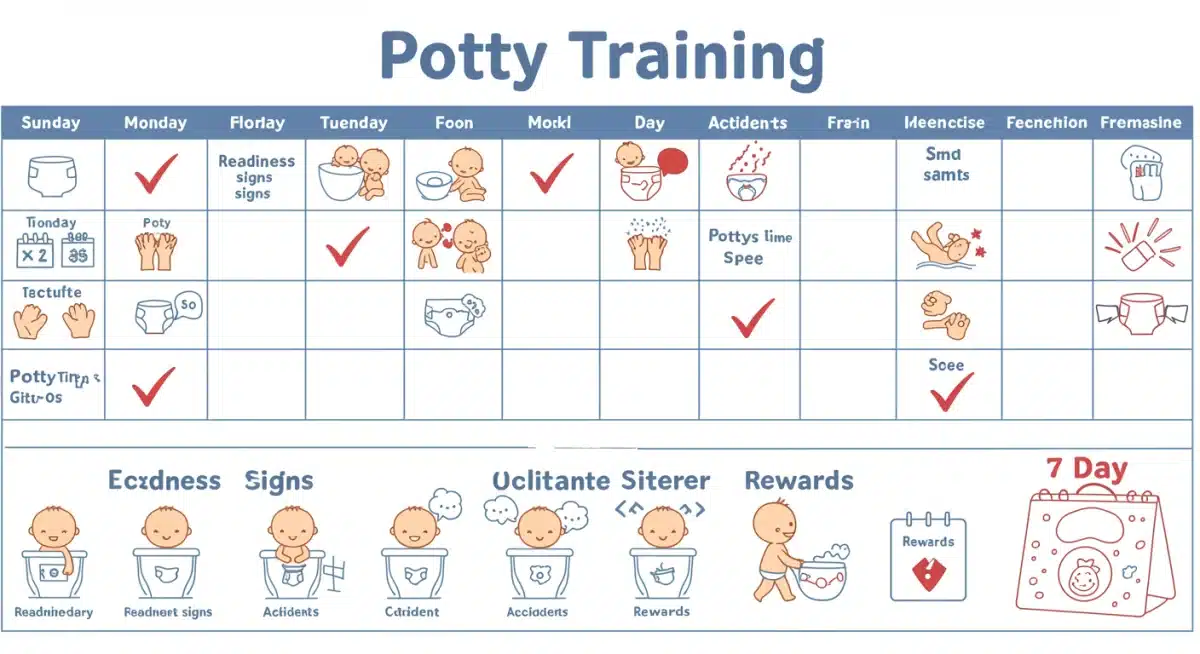

In conclusion, the first two days are about gentle immersion and positive reinforcement. Focus on making the potty a familiar and non-intimidating object, fostering curiosity and comfort. This foundational work is vital for the intense training days that follow, laying the groundwork for successful independent toileting.
Day 3-4: Intensive Potty Training and Routine Establishment
Days 3 and 4 are the core of your effective potty training in 7 days plan, where consistency and routine become paramount. This is when your toddler will spend significant time out of diapers, learning to recognize their body’s signals and use the potty independently. Be prepared for a few accidents, as these are a normal part of the learning process.
The key to these intensive days is frequent potty breaks and unwavering positive reinforcement. Dedicate these days to being fully present and focused on your child’s potty training. Minimize distractions and keep your child hydrated to encourage more opportunities for success.
Implementing a Potty Schedule
Create a structured schedule for potty breaks. Initially, this might mean taking your child to the potty every 15-20 minutes, gradually increasing the interval as they show more control. It’s better to go too often than not often enough, especially at the beginning.
- Wake-up Potty: First thing in the morning, immediately after waking up.
- Before and After Meals: Regular intervals linked to food intake.
- Before Naps/Bedtime: Crucial for staying dry during sleep.
- Anytime They Show Signs: Wiggling, holding themselves, or expressing discomfort.
- Before Leaving the House: Even for short trips, make it a habit.
During these days, your child should be wearing ‘big kid’ underwear or going commando, which helps them feel wetness immediately, connecting the sensation to the need to use the potty. Explain that accidents happen, but the goal is to use the potty. When they successfully use the potty, offer enthusiastic praise and a small reward, like a sticker or a special dance. Make it a celebration!
Address accidents calmly and without scolding. A simple, ‘Oops, pee-pee goes in the potty’ is sufficient. Involve your child in cleaning up, if appropriate, to reinforce the connection between the accident and the need to use the potty next time. This teaches responsibility without shame. Remember that consistency is key; stick to the routine even if there are setbacks.
In essence, Days 3 and 4 are about intensive practice and establishing a firm routine. By consistently taking your child to the potty, celebrating successes, and handling accidents with patience, you help them internalize the process and build confidence in their new skill. This structured approach is vital for achieving significant progress within the 7-day framework.
Day 5-6: Handling Accidents and Reinforcing Success
As you progress through Days 5 and 6 of your effective potty training in 7 days plan, your toddler should be showing increased awareness and control. However, accidents are still a very real part of the learning curve. How you handle these moments is critical for maintaining motivation and preventing setbacks. This phase focuses on reinforcing positive behaviors and calmly navigating any challenges.
The goal is to empower your child, helping them understand that accidents are temporary hiccups, not failures. Your reaction sets the tone, so remain patient and encouraging. Focus on the progress made, rather than dwelling on the occasional mistake.
Strategies for Managing Accidents
When an accident occurs, avoid showing frustration or anger. A calm, matter-of-fact approach is most effective. Remember, your child is still learning, and mistakes are inevitable. Positive reinforcement for attempts, even unsuccessful ones, is more powerful than punishment for accidents.
- Stay Calm: Reacting negatively can create anxiety and resistance.
- Quick Clean-up: Involve your child in the clean-up process if they are willing, explaining gently where pee or poop should go.
- Reiterate the Goal: Remind them, ‘Pee-pee goes in the potty next time.’
- Focus on What’s Next: Immediately encourage them to try the potty again.
These days also offer opportunities to reinforce good habits. Continue with your established potty schedule, but also encourage your child to initiate going to the potty themselves. Praise them enthusiastically when they tell you they need to go, even if they don’t make it in time. This acknowledges their growing awareness and communication skills.
Consider introducing a reward system that gradually becomes less frequent. For example, initially, a sticker for every successful potty use, then a sticker for a full day without accidents, and eventually just verbal praise. This transition helps move from external motivation to internal satisfaction and independence. Continue to read books about potty training and role-play with dolls or stuffed animals to solidify their understanding.
Ultimately, Days 5 and 6 are about building resilience and confidence. By calmly managing accidents and consistently reinforcing successful behaviors, you guide your toddler towards greater independence and mastery of their new skill. This steady encouragement is essential for the final push towards full potty training.
Day 7: Transition to Independence and Long-Term Success
Day 7 marks a significant milestone in your effective potty training in 7 days journey. By now, your toddler should be showing considerable progress, with fewer accidents and a better understanding of their body’s signals. This final day focuses on solidifying their independence and preparing for long-term success beyond the initial intensive week.
While the intensive phase concludes, the journey towards complete independence continues. The aim is to empower your child to take ownership of their toileting habits, making it a natural and integrated part of their daily life. Maintain a supportive and encouraging environment.
Encouraging Self-Initiation
On Day 7, shift your focus from reminding to prompting and encouraging self-initiation. Ask questions like, ‘Do you need to go potty?’ rather than ‘It’s time to go potty.’ This subtle change fosters a sense of responsibility and autonomy.
- Ask, Don’t Tell: Encourage them to recognize their own need to go.
- Praise Initiatives: Acknowledge and celebrate when they tell you they need to use the potty, even if it’s a false alarm.
- Practice Public Restrooms: If comfortable, introduce them to public restrooms, explaining the differences (e.g., automatic flushes, larger toilets).
- Nighttime Potty Training: While the 7-day plan primarily focuses on daytime, discuss nighttime dryness as a future goal, without pressure.
Continue to use positive reinforcement, perhaps transitioning from tangible rewards to verbal praise and high-fives. Emphasize how proud you are of their efforts and progress. Discuss the benefits of being potty trained, such as wearing ‘big kid’ underwear and having more freedom to play without diaper changes.
It’s important to remember that occasional accidents may still occur after the 7-day period, especially during periods of stress, illness, or changes in routine. Approach these with the same calm and understanding you’ve practiced throughout the week. Consistency in your approach will be key to solidifying their new skills over the coming weeks and months.
In essence, Day 7 is about celebrating achievements and preparing for the ongoing journey of independent toileting. By fostering self-initiation and offering continued support, you help your toddler confidently embrace their new skill, ensuring long-term success beyond the initial intensive training period.
Troubleshooting Common Potty Training Challenges
Even with an effective potty training in 7 days plan, parents often encounter various challenges. It’s important to recognize that these hurdles are normal and can be overcome with patience, flexibility, and the right strategies. Understanding common issues can help you anticipate and address them effectively, preventing major setbacks.
Potty training is not always a linear process; there will be moments of resistance, regression, or frustration. Knowing how to troubleshoot these situations will empower you to guide your child through them successfully, maintaining a positive learning environment.
Addressing Common Issues
From fear of the toilet to resistance against sitting, many toddlers experience specific challenges. A proactive and empathetic approach can make all the difference.
- Potty Refusal: If your child resists sitting on the potty, don’t force it. Make it fun, use books, or let them watch you use the toilet. Ensure the potty is comfortable and stable.
- Fear of Flushing: Some children are scared of the loud flush. Flush after they leave the bathroom, or let them flush from a distance initially. Explain the sound in a reassuring way.
- Holding Poop: This is common and can be painful. Ensure your child has a healthy diet rich in fiber and fluids. Make potty time for poop a calm, unpressured experience.
- Regression: Setbacks can happen due to stress, a new sibling, or illness. Revert to earlier, more structured steps of the plan, offering extra encouragement and patience.
Patience is particularly crucial when facing these challenges. Every child learns at their own pace, and a temporary setback does not mean failure. Reassess your approach, consider if your child might need a short break, or consult with your pediatrician if concerns persist.
Remember to keep communication open with your child. Ask them what they don’t like or what worries them about using the potty. Sometimes, simply acknowledging their feelings can help them overcome their fears. Continue to celebrate small victories and maintain a positive, encouraging atmosphere around potty training.
In summary, troubleshooting common potty training challenges requires a blend of patience, understanding, and strategic adjustments. By calmly addressing issues like refusal, fear, and regression, you can help your toddler navigate these bumps in the road, ultimately leading to successful independent toileting.
Maintaining Potty Training Progress Beyond 7 Days
Completing an effective potty training in 7 days plan is a huge accomplishment, but the journey doesn’t end there. Maintaining progress and preventing regressions in the weeks and months following the intensive training period is just as important. This phase involves reinforcing good habits, adapting to new environments, and continuing to support your child’s growing independence.
Long-term success relies on consistency and continued positive reinforcement. As your child gains confidence, you can gradually reduce the intensity of your involvement, allowing them to take more responsibility for their toileting needs.
Strategies for Sustained Success
To ensure lasting results, integrate potty habits into your child’s daily routine seamlessly. This means making potty breaks a natural part of their day, both at home and when out and about.
- Consistent Routine: Stick to a general potty schedule, especially after waking, before naps/bedtime, and before leaving the house.
- Public Restrooms: Continue practicing using public restrooms. Prepare them for automatic flushes, hand dryers, and different toilet sizes.
- Nighttime Training: While daytime training is often quicker, nighttime dryness typically comes later. Continue to limit fluids before bed and encourage a potty trip right before sleep.
- Positive Reinforcement: Shift from tangible rewards to verbal praise and acknowledging their ‘big kid’ status.
- Dress for Success: Continue to use easy-to-remove clothing to encourage independence.
Communicate with caregivers, such as daycare providers or grandparents, about your child’s potty training progress and routine. Consistency across different environments is crucial for reinforcing the learned behaviors. Provide them with extra changes of clothes and clear instructions on how to handle accidents.
Be prepared for occasional regressions, which are a normal part of development. These can be triggered by stress, illness, or major life changes. When a regression occurs, calmly revert to earlier strategies, offering extra encouragement and patience. Avoid punishment or shaming, as this can create negative associations and prolong the regression.
In conclusion, maintaining potty training progress beyond the initial 7 days requires ongoing consistency, adaptation to new situations, and continued positive support. By fostering independence and understanding that occasional setbacks are normal, you can ensure your child builds lasting, healthy toileting habits for years to come.
| Key Potty Training Step | Brief Description |
|---|---|
| Assess Readiness | Identify physical, cognitive, and emotional signs your toddler is ready for training. |
| Prepare & Introduce | Gather supplies and make the potty a familiar, positive object. |
| Intensive Training | Establish a consistent potty schedule with frequent breaks and positive reinforcement. |
| Handle Accidents Calmly | Address setbacks with patience, reiterating the goal without scolding. |
Frequently Asked Questions About 7-Day Potty Training
While an intensive 7-day plan can be highly effective for many toddlers who show readiness signs, it’s not a guaranteed timeline for every child. Success depends on individual temperament, developmental stage, and parental consistency. Some children may need more time, and that’s perfectly normal.
Accidents are a normal part of the learning process. Respond calmly, clean up without fuss, and gently remind your child where pee or poop belongs. Avoid punishment or shaming, as this can create fear and resistance. Reassess readiness signs if accidents are very frequent.
Positive reinforcement is crucial. Enthusiastic praise, high-fives, or small rewards for successes (even just sitting on the potty) build confidence and motivate your child. It helps them associate potty use with positive feelings, making them more likely to cooperate and learn.
It’s generally recommended to focus on daytime potty training first. Nighttime dryness is a different developmental milestone, often achieved later, as it depends on bladder maturity and the ability to wake when needing to go. Address daytime success before tackling nighttime.
Effective rewards are typically small, immediate, and motivating for your child. Stickers, stamps, a special dance, extra story time, or a small toy can work. Gradually transition from tangible rewards to verbal praise as your child gains independence, fostering intrinsic motivation.
Conclusion
Achieving effective potty training in 7 days for your toddler in the US for 2025 is an ambitious yet attainable goal with the right approach. By focusing on readiness, establishing consistent routines, patiently handling accidents, and providing unwavering positive reinforcement, you can guide your child through this significant developmental milestone successfully. Remember that every child is unique, and while a 7-day plan offers a structured framework, flexibility and understanding remain your greatest tools. Celebrate every step, big or small, and empower your child towards independent toileting with confidence and joy.