Family Volunteering 2026: Meaningful Activities & Empathy Building
In an increasingly interconnected yet often individualistic world, the act of giving back has never been more crucial. For families, volunteering together offers a unique opportunity to not only contribute positively to society but also to forge deeper bonds, teach invaluable life lessons, and cultivate a profound sense of empathy in children. As we look towards 2026, the landscape of family volunteering continues to evolve, presenting myriad engaging and impactful ways for families to make a difference. This comprehensive guide will explore the immense benefits of family volunteering, provide practical advice for getting started, and highlight three meaningful activities perfectly suited for families in 2026.
The 2026 Guide to Family Volunteering: 3 Meaningful Activities to Give Back and Teach Empathy
The concept of family volunteering extends far beyond simply donating time; it’s an investment in character, community, and connection. It’s about creating shared experiences that resonate for years, shaping young minds, and demonstrating the power of collective action. In 2026, with global challenges and local needs as pressing as ever, families are uniquely positioned to be agents of positive change. Through structured and thoughtful engagement, families can discover the joy of service and embed philanthropic values into their daily lives.
Why Family Volunteering is More Important Than Ever in 2026
The benefits of engaging in family volunteering are extensive and multifaceted, impacting individuals, families, and communities alike. In 2026, these benefits are amplified by a growing awareness of social responsibility and the desire for more authentic, purpose-driven experiences. Here’s why making time for family volunteering is a decision you won’t regret:
Fostering Empathy and Compassion
One of the most profound outcomes of family volunteering is the development of empathy. When children and adults alike witness firsthand the struggles of others or the positive impact of their actions, it cultivates a deeper understanding and compassion. This isn’t just about feeling sorry for someone; it’s about understanding their perspective, valuing their humanity, and being moved to help. Through volunteering, families encounter diverse individuals and situations, breaking down preconceived notions and building bridges of understanding. This direct exposure to different realities helps children develop a more nuanced worldview, equipping them with the emotional intelligence necessary to navigate an increasingly complex world.
Strengthening Family Bonds
In our busy lives, quality family time can often be elusive. Family volunteering provides a unique platform for families to work together towards a common, altruistic goal. This shared experience fosters teamwork, communication, and mutual support. When family members collaborate, problem-solve, and celebrate successes together, it strengthens their relationships in ways that everyday activities might not. It creates shared memories, inside jokes, and a sense of collective accomplishment that reinforces the family unit. These experiences become cherished stories, passed down through generations, solidifying the family’s identity as a compassionate and engaged force for good.
Teaching Life Skills and Responsibility
Volunteering is a practical classroom for life skills. Depending on the activity, family members can learn organizational skills, public speaking, planning, and hands-on tasks like gardening, construction, or tutoring. Children, in particular, learn the importance of responsibility and commitment as they understand that others are relying on their efforts. They witness the direct consequences of their actions, both positive and negative, and learn to adapt and persevere. This sense of responsibility extends beyond the volunteering activity, often translating into improved performance at school and a greater sense of accountability in their personal lives.
Promoting Civic Engagement and Social Responsibility
Family volunteering instills a sense of civic duty and social responsibility. It teaches children that they are part of a larger community and that their actions can contribute to the greater good. By actively participating in community service, families demonstrate the importance of being active citizens who care about the well-being of their neighbors and their environment. This early exposure to civic engagement can inspire a lifelong commitment to social justice and community development, fostering a generation of thoughtful and engaged citizens.
Boosting Happiness and Well-being
Research consistently shows that giving back can significantly boost happiness and reduce stress. The act of helping others releases endorphins, creating a ‘helper’s high.’ For families, this means that volunteering together can be a source of immense joy and satisfaction. It provides a sense of purpose and meaning, counteracting the pressures of daily life. The positive emotions generated by altruistic acts contribute to overall family well-being, fostering a more optimistic and grateful outlook on life.
Getting Started with Family Volunteering in 2026: Practical Tips
Embarking on your family volunteering journey in 2026 doesn’t have to be daunting. With a little planning and an open heart, you can find the perfect opportunity that aligns with your family’s values and schedule. Here are some practical tips to help you get started:
1. Discuss Interests and Passions
Start by having a family discussion. What causes are important to each family member? Do your children have a particular interest in animals, the environment, helping seniors, or supporting other children? Identifying shared passions will make the volunteering experience more engaging and meaningful for everyone. When everyone feels invested in the cause, participation levels and enthusiasm will naturally be higher. This collaborative approach also reinforces the idea that volunteering is a family decision and a shared responsibility.
2. Consider Age Appropriateness
Not all volunteering opportunities are suitable for all ages. Younger children might thrive in activities that involve simple tasks, like sorting donations or participating in a park clean-up, while older children and teenagers can handle more complex responsibilities, such as tutoring or assisting at a soup kitchen. Look for organizations that explicitly welcome families or have specific programs designed for different age groups. It’s crucial to ensure that the activities are engaging and safe for everyone involved, preventing frustration and fostering a positive experience.
3. Start Small and Local
You don’t need to commit to a massive project right away. Begin with smaller, local initiatives that require a few hours of your time. This allows your family to ease into the experience without feeling overwhelmed. Local food banks, animal shelters, community centers, and environmental groups often have flexible opportunities. Starting local also reduces travel time and logistical complexities, making it easier to integrate volunteering into your family’s routine.
4. Research Organizations Thoroughly
Before committing, research potential organizations. Check their mission, values, and how they engage volunteers. Read reviews, ask for references, and ensure they have a safe and supportive environment. A reputable organization will have clear guidelines, provide necessary training, and ensure that your family’s efforts are genuinely impactful. Don’t hesitate to ask questions about the roles, expectations, and any necessary background checks or orientations.
5. Set Realistic Expectations
Volunteering, especially with children, can sometimes be unpredictable. There might be moments of boredom, frustration, or unexpected challenges. Go into the experience with realistic expectations and a flexible attitude. The goal isn’t perfection, but participation and positive contribution. Focus on the learning and growth opportunities, and celebrate small victories along the way. Remind your family that every little bit helps, and their presence alone can make a difference.
6. Make it a Regular Habit
While one-off events are great, regular volunteering can have a more lasting impact on both your family and the community. Consider setting aside a specific day each month or quarter for family volunteering. Consistency reinforces the values of service and makes it a natural part of your family’s lifestyle. Regular engagement also allows your family to build relationships with the organization and the people they are helping, leading to a deeper sense of connection and purpose.
3 Meaningful Family Volunteering Activities for 2026
Now, let’s dive into some specific and highly impactful family volunteering activities that are perfectly suited for 2026. These activities offer diverse ways to give back, cater to various interests, and provide excellent opportunities to teach empathy.
Activity 1: Supporting Food Security Initiatives (Food Banks & Community Gardens)
Food insecurity remains a significant challenge globally, even in developed nations. Families can play a vital role in addressing this by volunteering at local food banks or participating in community garden projects. These activities offer direct, tangible ways to help those in need and promote sustainable practices.
At a Food Bank:
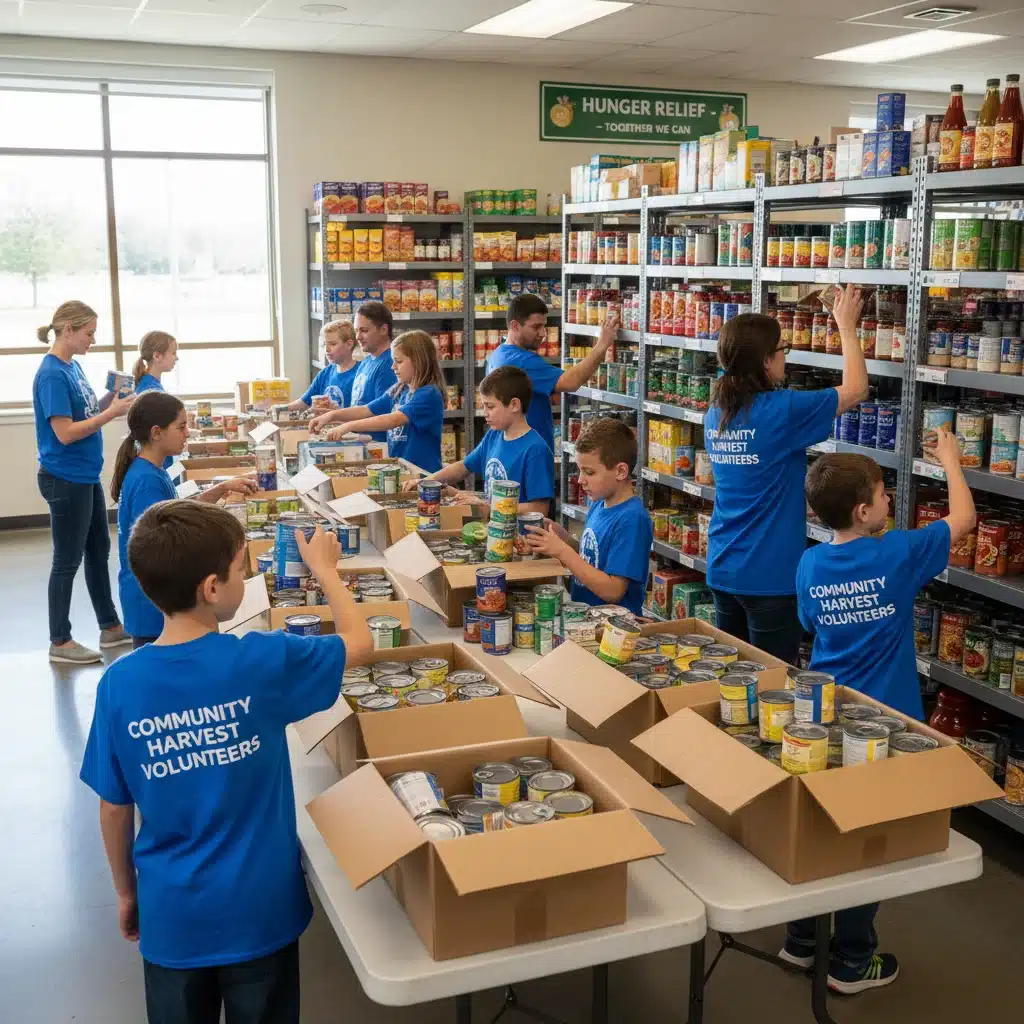
- Sorting and Packing: Children can help sort donated food items, check expiration dates, and pack boxes for distribution. This teaches them about organization, attention to detail, and the scale of food insecurity.
- Distribution Events: If appropriate for their age, family members can assist with distributing food to individuals and families, allowing for direct interaction and a deeper understanding of the impact of their work.
- Food Drives: Organize a family-led food drive in your neighborhood, school, or place of worship. This involves planning, promotion, and collection, teaching valuable leadership and community organizing skills.
Empathy & Learning: Volunteering at a food bank exposes children to the realities of poverty and hunger, fostering compassion and gratitude. They learn about food waste, nutrition, and the importance of community support systems. It highlights the basic human right to food and encourages a sense of responsibility towards those less fortunate.
At a Community Garden:
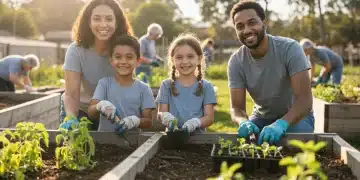
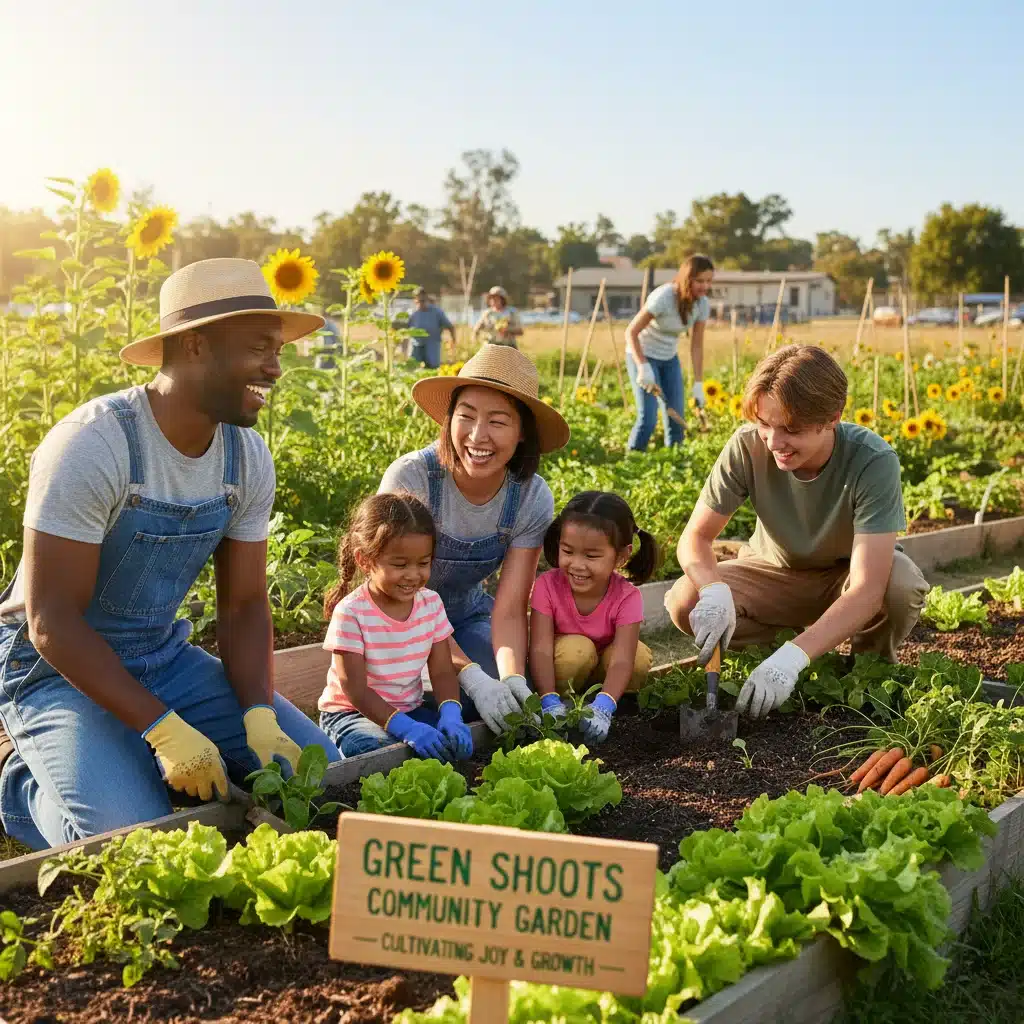
- Planting and Harvesting: Families can help with planting seeds, watering, weeding, and harvesting produce. This connects them to nature, teaches them about where food comes from, and the effort involved in sustainable agriculture.
- Garden Maintenance: Tasks like composting, mulching, and general upkeep teach responsibility and environmental stewardship.
- Sharing the Harvest: Many community gardens donate a portion of their harvest to local food banks or directly to community members in need. Participating in this distribution reinforces the cycle of giving.
Empathy & Learning: Working in a community garden teaches patience, perseverance, and the value of hard work. It fosters an appreciation for nature and the environment. Children learn about ecological systems, sustainable living, and the joy of growing fresh, healthy food for their community. It also highlights the importance of shared spaces and collective effort in creating beautiful and productive environments.
Activity 2: Supporting Senior Citizens (Nursing Homes & Home Visits)
Many senior citizens experience loneliness and isolation, making intergenerational connections incredibly valuable. Family volunteering with seniors provides opportunities for companionship, learning, and mutual enrichment.
At a Nursing Home or Assisted Living Facility:
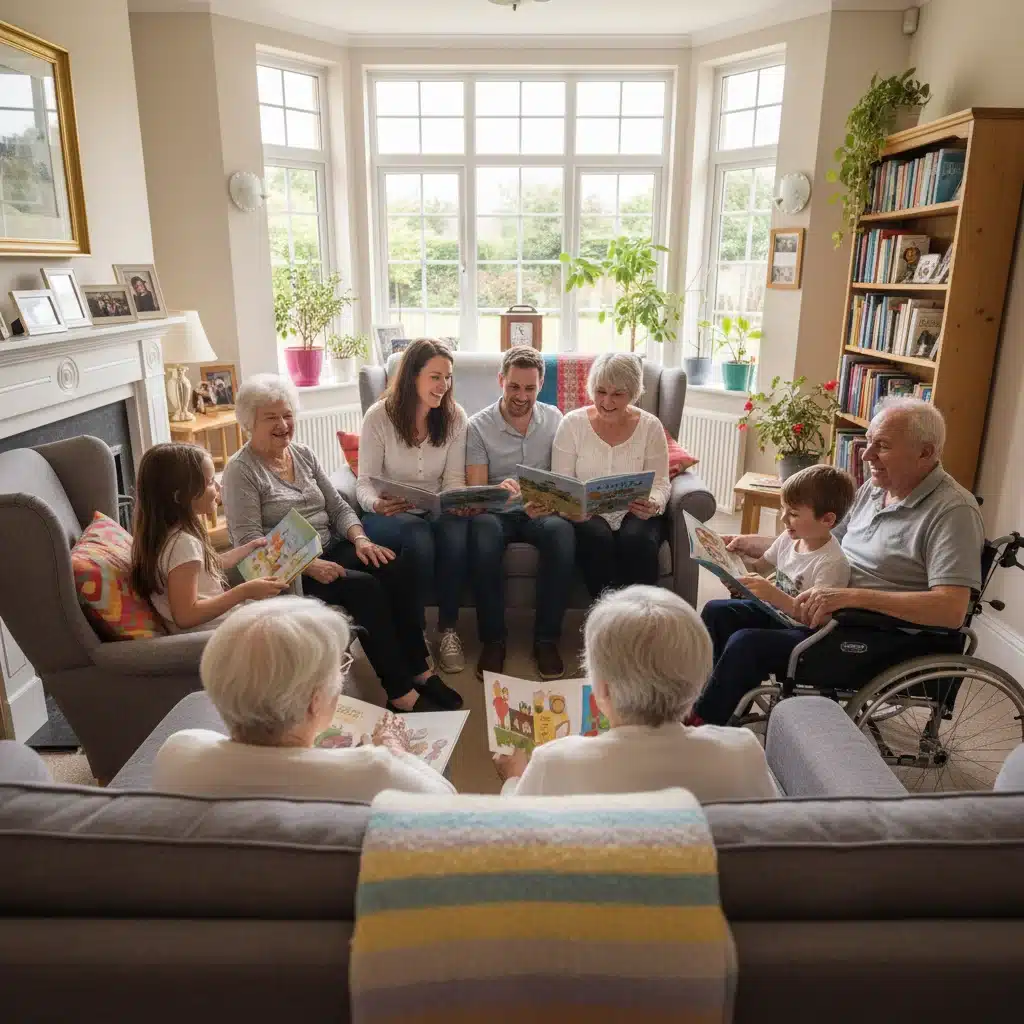
- Visiting and Conversing: Simply spending time talking, listening to stories, or playing board games with residents can make a huge difference in their day. Children’s innocence and enthusiasm can bring immense joy.
- Reading Aloud: Families can read books, newspapers, or magazines to residents who may have difficulty reading themselves. This is a calm and engaging activity for all ages.
- Assisting with Activities: Participate in planned activities like arts and crafts, musical performances, or holiday celebrations. Families can even organize their own small performances or craft sessions.
- Gardening or Pet Therapy: If the facility has a garden, families can help with maintenance. If allowed, bringing a well-behaved family pet for a visit can also be incredibly therapeutic for residents.
Empathy & Learning: Interacting with seniors teaches children respect for elders, patience, and the value of listening. They gain insights into different life experiences and historical periods, fostering a deeper understanding of the human journey. It combats ageism and helps children see the wisdom and stories that older generations hold. For seniors, these visits combat loneliness and provide a vital connection to younger generations, bringing warmth and joy.
Activity 3: Environmental Conservation and Urban Greening
Protecting our planet and enhancing local green spaces are crucial for the future. Environmental family volunteering activities allow families to contribute directly to ecological health and urban beautification.
Park and Beach Clean-ups:
- Litter Collection: Participate in organized clean-up events at local parks, beaches, riversides, or hiking trails. This teaches responsibility for public spaces and the impact of pollution.
- Recycling and Waste Management Education: Beyond collecting litter, families can learn about proper waste segregation and the importance of recycling, sharing this knowledge with others.
- Data Collection: Some clean-up efforts involve collecting data on the types of trash found, which can inform policy and prevention efforts. This adds a scientific element to the volunteering.
Empathy & Learning: Environmental clean-ups instill a sense of stewardship for the planet and local ecosystems. Children learn about the impact of human activity on nature and the importance of conservation. It fosters respect for biodiversity and encourages sustainable habits in daily life, such as reducing waste and recycling. It also highlights the beauty and fragility of natural environments and the collective effort required to protect them.
Tree Planting and Urban Gardening:
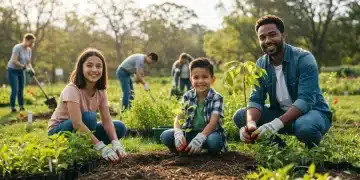
- Tree Planting Events: Join local organizations in planting trees in urban areas, parks, or reforestation projects. This is a hands-on activity that directly contributes to improving air quality, providing shade, and supporting local wildlife.
- Maintaining Green Spaces: Help with weeding, watering, and general care of newly planted trees or existing urban gardens.
- Creating Pollinator Gardens: Establish small gardens with native plants that support bees, butterflies, and other pollinators, contributing to local biodiversity.
Empathy & Learning: Tree planting and urban greening teach children about ecological balance, the benefits of trees (oxygen, shade, habitat), and the long-term impact of environmental efforts. They develop a connection to their local environment and a sense of pride in contributing to its beauty and health. These activities also foster patience as they watch their planted trees grow and thrive over time, symbolizing their lasting contribution to the community.
Making Family Volunteering a Sustainable Practice in 2026
For family volunteering to truly thrive in 2026 and beyond, it needs to be more than a one-time event; it needs to become a sustainable practice woven into the fabric of family life. This involves thoughtful planning, continuous engagement, and a commitment to reflecting on the experiences.
Reflect and Discuss
After each volunteering experience, take time as a family to reflect on what you did, what you saw, and how it made you feel. Ask open-ended questions: What did you learn? How did our help make a difference? What was challenging? What was rewarding? These discussions are crucial for processing emotions, solidifying lessons learned, and reinforcing the value of your contributions. They also provide an opportunity to celebrate successes and acknowledge individual efforts, making everyone feel valued.
Lead by Example
Children are keen observers. When parents actively participate, show enthusiasm, and demonstrate a genuine commitment to service, children are more likely to internalize these values. Your actions speak louder than words, so be a role model for compassion, generosity, and civic engagement. Let your children see your passion for giving back, and they will be inspired to follow suit.
Integrate Giving into Daily Life
Volunteering doesn’t always have to be a formal activity. You can integrate the spirit of giving into your daily life. Simple acts like helping a neighbor, recycling diligently, conserving water, or showing kindness to strangers are all forms of giving back. Encourage your children to identify small ways they can make a positive impact every day, fostering a continuous mindset of service and empathy.
Be Flexible and Adapt
Life in 2026 can be unpredictable. Schedules change, interests evolve, and new opportunities arise. Be flexible with your volunteering choices. If a particular activity isn’t working out, don’t be afraid to try something new. The goal is to find activities that genuinely resonate with your family and remain sustainable over time. The key is to keep the spirit of service alive, even if the specific activities change.
Recognize and Celebrate Efforts
Acknowledge and celebrate your family’s contributions, no matter how small. This could be through a special family dinner, a certificate of appreciation, or simply verbal praise. Recognizing their efforts reinforces the positive emotions associated with giving back and motivates continued participation. It shows children that their efforts are seen, valued, and make a real difference.
The Future of Family Volunteering in 2026 and Beyond
As we move further into 2026, the potential for family volunteering to shape a more compassionate and engaged society is immense. Technological advancements may introduce new forms of virtual volunteering, allowing families to contribute to global causes from the comfort of their homes. Local communities will continue to innovate, creating more accessible and diverse opportunities for families to get involved. The emphasis will remain on creating meaningful experiences that foster empathy, build character, and strengthen family bonds.
The call to service is a timeless one, and when answered as a family, its impact is exponentially greater. By dedicating your time and energy to family volunteering, you’re not just helping others; you’re investing in your family’s future, instilling values that will last a lifetime, and contributing to a more caring and connected world. So, as you plan your family’s activities for 2026, consider making volunteering a cornerstone. The rewards, both personal and communal, are truly immeasurable.
Embrace the journey of giving back together, and watch as your family thrives, your community strengthens, and your children grow into empathetic, responsible, and engaged global citizens. The time for family volunteering is now, and the impact you can make in 2026 is waiting to be discovered.