Planning Your 2026 Family Volunteer Day: Making an Impact
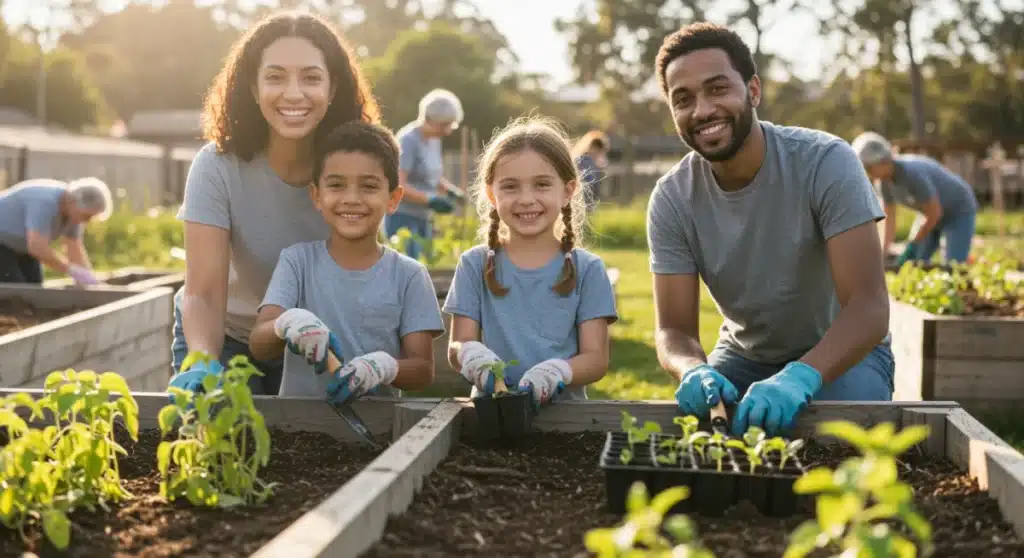
Planning a 2026 family volunteer day offers a unique opportunity to instill empathy and civic responsibility in children, allowing families to collectively contribute to meaningful national initiatives across the United States and truly make a difference.
Are you looking for a meaningful way to spend time with your children while also giving back to the community? Planning Your 2026 Family Volunteer Day: 4 National Initiatives Where Kids Can Make a Real Impact is more than just a suggestion; it’s an invitation to create lasting memories and instill invaluable lessons in compassion and civic responsibility. In an increasingly interconnected world, teaching children the importance of service from a young age can shape their character and broaden their understanding of the world around them.
The Growing Importance of Family Volunteering
Family volunteering has evolved beyond simple acts of charity; it’s now recognized as a powerful tool for holistic child development and strengthening family bonds. Engaging in service together provides a shared purpose, encouraging communication and teamwork in ways that daily routines often cannot. It’s about showing, not just telling, children the value of contributing to something larger than themselves.
In today’s fast-paced society, finding activities that genuinely connect family members can be challenging. Volunteering offers a unique solution, fostering a sense of unity and shared accomplishment. When children see their parents actively engaged in helping others, it normalizes acts of kindness and generosity, making them an integral part of their worldview.
Benefits for Children
Volunteering exposes children to diverse perspectives and challenges, cultivating empathy and understanding. They learn about different social issues firsthand, which can spark a lifelong commitment to advocacy and service. Moreover, the sense of accomplishment derived from helping others boosts their self-esteem and confidence.
- Empathy Development: Direct exposure to various needs helps children understand and share the feelings of others.
- Skill Building: Depending on the activity, kids can develop practical skills like sorting, organizing, or even basic construction.
- Social Awareness: They gain a deeper understanding of community challenges and how collective action can address them.
- Character Formation: Instills values such as responsibility, generosity, and resilience.
Strengthening Family Bonds
A family volunteer day creates a unique shared experience that builds camaraderie and strengthens relationships. Working side-by-side on a meaningful project allows for natural conversations and moments of connection that might not occur during typical family outings. It’s an opportunity to see each other in a new light, collaborating towards a common goal.
By prioritizing a family volunteer day, parents demonstrate the importance of giving back, setting a powerful example for their children. These shared experiences become cherished family stories, reinforcing values and creating a legacy of service. It’s an investment in both the community and the family unit itself, yielding benefits that extend far beyond the day of service.
Ultimately, making time for family volunteering in 2026 is an investment in your children’s future and the well-being of your community. It’s about building a generation that understands the power of collective action and the profound joy of making a difference, one shared act of kindness at a time.
National Initiative 1: Environmental Conservation Efforts
Environmental conservation remains a critical area where families can make a tangible difference. From local park cleanups to larger ecosystem restoration projects, these initiatives teach children about environmental stewardship and the importance of protecting our planet. Many national organizations coordinate efforts across the United States, making it easier for families to find opportunities close to home.
Engaging in environmental volunteerism allows children to connect with nature on a deeper level. They learn about local flora and fauna, the impact of pollution, and the simple yet profound ways they can contribute to a healthier environment. These hands-on experiences often leave a more lasting impression than classroom lessons alone, fostering a lifelong appreciation for the natural world.
Park and Beach Cleanups
Organizations like the National Park Service and local environmental groups frequently organize cleanups in parks, along rivers, and on beaches. These events are often family-friendly, with tasks suitable for various age groups. Children can help pick up litter, sort recyclables, and learn about the delicate ecosystems they are helping to preserve.
- Keep America Beautiful: Offers localized cleanup events and educational resources nationwide.
- Ocean Conservancy: Organizes coastal cleanups, often with educational components about marine life and plastic pollution.
- Local Park Friends Groups: Many community parks have volunteer groups that welcome families for regular cleanups and maintenance.
Habitat Restoration Projects
Beyond cleaning, families can participate in habitat restoration, which might involve planting trees, removing invasive species, or restoring natural habitats for wildlife. These projects demand a bit more physical effort but offer immense rewards, as families can witness the direct impact of their work on local ecosystems.
The U.S. Forest Service and various wildlife refuges often seek volunteers for such initiatives. Children can learn about biodiversity, the importance of native plants, and how their actions contribute to supporting local wildlife populations. It’s a powerful lesson in ecological balance and the interconnectedness of all living things.
Participating in environmental conservation efforts for your 2026 family volunteer day offers a unique blend of education, physical activity, and community service. It’s an opportunity to not only beautify natural spaces but also to instill a profound sense of responsibility for the planet in your children, ensuring they become conscientious stewards of the environment.
National Initiative 2: Supporting Food Security and Hunger Relief
Food insecurity is a persistent challenge in many communities across the United States, and numerous national initiatives are dedicated to addressing it. A family volunteer day focused on hunger relief can provide a powerful lesson in empathy and gratitude, showing children the direct impact of their efforts on individuals and families in need. These opportunities often involve hands-on tasks suitable for various ages, making them ideal for family participation.
Volunteering at food banks or community kitchens allows children to see the scale of food insecurity and the systematic efforts required to combat it. It’s a chance to understand that while their own pantry might be full, many others struggle to access basic necessities. This direct exposure can foster a deep appreciation for what they have and a desire to help those less fortunate.
Food Bank Volunteering
Food banks across the country rely heavily on volunteers to sort donated goods, pack food boxes, and assist with distribution. Organizations like Feeding America have a vast network of local food banks that welcome family volunteers. Tasks can range from labeling cans to building meal kits, often with age-appropriate roles assigned.
- Feeding America Network: Connects families with local food banks for sorting, packing, and distribution.
- Local Community Food Pantries: Many smaller pantries operate with limited staff and greatly appreciate family help.
- Gleaning Programs: Some regions have programs where volunteers help harvest excess produce from farms for donation.
Community Kitchens and Meal Service
Another impactful way to support hunger relief is by volunteering at community kitchens or soup kitchens. While direct interaction with recipients might be limited for younger children due to safety and privacy concerns, families can often help with meal preparation, serving, or cleaning. This provides a direct link between their efforts and the well-being of others.
These experiences teach children about the dignity of service and the importance of ensuring everyone has access to nutritious meals. It’s a tangible way to demonstrate compassion and actively contribute to the welfare of their community. Many religious organizations and non-profits operate such kitchens, often welcoming family groups for specific shifts.
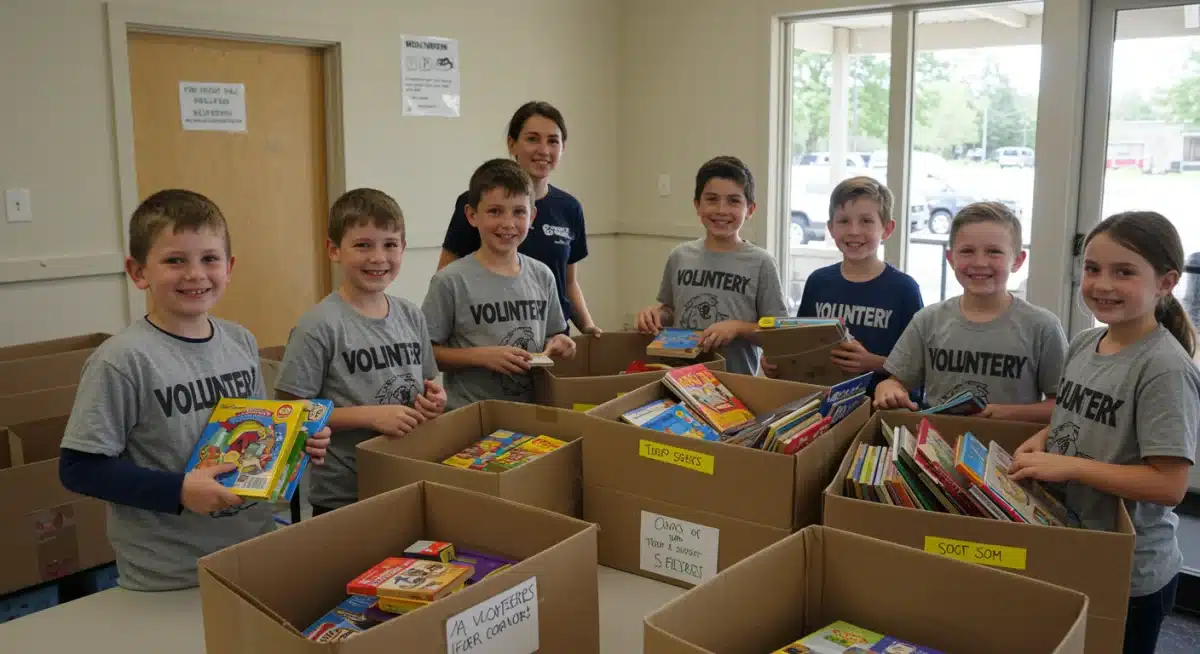

A family volunteer day dedicated to food security initiatives in 2026 offers a profound opportunity to educate children about social responsibility and the importance of helping those in need. It’s an experience that moves beyond theoretical discussions, providing direct, hands-on engagement with a critical community issue.
National Initiative 3: Animal Welfare and Shelter Support
For families with a love for animals, volunteering at local animal shelters or participating in animal welfare initiatives can be an incredibly rewarding experience. These opportunities teach children about responsible pet ownership, animal care, and the importance of compassion towards all living creatures. Many national organizations support local shelters, providing a framework for family involvement.
Children often have a natural affinity for animals, making these volunteer activities particularly engaging. They learn about the challenges faced by abandoned or neglected animals and the dedicated work required to care for them. This exposure can foster a deep sense of responsibility and empathy, extending their understanding of compassion beyond human interactions.
Shelter Assistance
Animal shelters are always in need of volunteers for a variety of tasks. While direct animal handling might be restricted for younger children, families can often assist with cleaning kennels, preparing food, making enrichment toys, or helping with laundry. Older children might be able to help with dog walking or cat socialization under adult supervision.
- ASPCA (American Society for the Prevention of Cruelty to Animals): Provides resources and connects volunteers with local shelters.
- Humane Society of the United States: Offers various ways to support animal welfare, including local volunteering.
- Local Animal Rescues: Many independent rescues rely entirely on volunteers for their operations.
Pet Supply Drives and Fundraising
If direct shelter volunteering isn’t feasible, families can organize pet supply drives to collect food, blankets, and toys for local shelters. This can be done within their neighborhood, school, or community group. Additionally, participating in or organizing small fundraising events can provide much-needed financial support for animal care.
These activities teach children about community organizing, advocacy, and the power of collective action. They learn that even without direct interaction with animals, their efforts can significantly improve the lives of countless pets awaiting adoption. It’s a valuable lesson in indirect service and resource mobilization.
Choosing animal welfare for your 2026 family volunteer day allows you to combine your family’s love for animals with a meaningful act of service. It’s an opportunity to teach children about kindness, responsibility, and the profound impact they can have on the lives of vulnerable animals, fostering a deep respect for all life.
National Initiative 4: Supporting Senior Citizens and Intergenerational Programs
Connecting with senior citizens offers a unique and invaluable volunteering experience for families. These intergenerational programs bridge generational gaps, combat loneliness among the elderly, and provide children with perspectives and wisdom they might not encounter elsewhere. Many national organizations facilitate these connections, making it easier for families to participate in meaningful ways.
Volunteering with seniors teaches children patience, respect, and the importance of listening. It can help break down stereotypes about aging and foster a sense of community that transcends age. These interactions often lead to heartwarming friendships, enriching the lives of both the young and the old.
Visiting Nursing Homes and Assisted Living Facilities
Many senior living facilities welcome family volunteers for activities such as reading aloud, playing board games, helping with crafts, or simply engaging in conversation. These visits can significantly brighten the day of residents, many of whom may have limited family contact. It’s a simple yet profound way to offer companionship and joy.
- Meals on Wheels America: While primarily delivering meals, some programs offer opportunities for friendly visits.
- Eldercare Locator (ACL): Helps connect families with local agencies on aging, which can point to volunteer opportunities.
- Local Senior Centers: Many centers have programs designed to bring generations together for activities.
Creating Care Packages and Cards
For families who prefer to volunteer from home or have very young children, creating care packages or handmade cards for seniors can be a wonderful activity. These small gestures can make a big difference, showing seniors that they are remembered and valued by their community. Children can express their creativity while knowing their efforts will bring a smile to someone’s face.
This type of remote volunteering teaches children that acts of kindness don’t always require direct interaction but can still have a powerful emotional impact. It’s a lesson in thoughtfulness and the ripple effect of positive gestures, demonstrating that even small contributions can make a significant difference in someone’s life.
Incorporating support for senior citizens into your 2026 family volunteer day plan is an enriching experience that fosters empathy, respect, and intergenerational connection. It’s an opportunity to teach children about the value of every individual and the importance of caring for the elder members of our society, creating a more compassionate community for all.
Practical Tips for a Successful Family Volunteer Day
Planning a successful family volunteer day requires more than just choosing an initiative; it involves thoughtful preparation to ensure everyone has a positive and impactful experience. From selecting the right activity to preparing your children, these practical tips will help make your 2026 family volunteer day memorable and effective.
The goal is not only to contribute to a cause but also to create a positive association with volunteering for your children. When carefully planned, these experiences can ignite a lifelong passion for service, making them eager to participate in future opportunities.
Choosing the Right Opportunity
Consider your children’s ages, interests, and attention spans when selecting a volunteer activity. A project that is too challenging or too boring can quickly dampen their enthusiasm. Look for opportunities that offer age-appropriate tasks and clear, immediate results, so they can see the impact of their work.
- Age Appropriateness: Ensure tasks align with your children’s developmental stage.
- Interests: Pick a cause that genuinely interests your family, whether it’s animals, nature, or people.
- Time Commitment: Start with shorter commitments to avoid burnout, especially for younger children.
- Logistics: Consider travel time, accessibility, and facilities (restrooms, water) at the volunteer site.
Preparing Your Children
Before the volunteer day, talk to your children about the cause you’ll be supporting and why it matters. Explain what they will be doing and answer any questions they might have. This preparation helps them understand the purpose of their actions and feel more engaged in the activity.
Discuss expectations for behavior and emphasize the importance of respect and kindness. Remind them that even small contributions can make a big difference. After the volunteering is complete, take time to reflect on the experience, discussing what they learned and how they felt about helping others.
By following these practical tips, your 2026 family volunteer day can be a rewarding experience for everyone involved. It’s about empowering your family to make a difference, fostering a spirit of generosity, and creating cherished memories of giving back to the community together.
Sustaining the Spirit of Service Beyond One Day
While a dedicated family volunteer day is a fantastic starting point, the true impact lies in sustaining the spirit of service beyond a single event. Integrating acts of kindness and community engagement into your family’s regular routine can reinforce the lessons learned and cultivate a lifelong commitment to giving back. It transforms volunteering from an occasional activity into an intrinsic part of your family’s values.
The goal is to demonstrate that service isn’t just a grand gesture but a collection of consistent, small actions that collectively make a significant difference. By keeping the conversation about community needs alive, you encourage your children to remain aware and proactive in seeking opportunities to help.
Everyday Acts of Kindness
Encourage simple, everyday acts of kindness. This could be helping a neighbor with groceries, leaving a thank-you note for a service person, or offering a kind word to someone who looks sad. These small gestures teach children that compassion doesn’t always require a formal event; it’s a daily choice.
- Neighborly Help: Offer assistance to elderly neighbors or those in need.
- School Involvement: Participate in school-led charity drives or community projects.
- Random Acts of Kindness: Brainstorm ways to brighten someone’s day unexpectedly.
Ongoing Engagement with a Cause
Consider adopting a cause that resonates with your family and finding ways to engage with it regularly throughout the year. This could mean becoming regular visitors to a local senior center, consistently donating to a food bank, or participating in seasonal environmental cleanups. Consistent engagement deepens understanding and commitment.
By revisiting a cause, children can witness the long-term impact of their contributions and develop a deeper connection to the community they are serving. It helps them understand that complex problems require sustained effort and that their continued involvement is truly valuable. This ongoing commitment is what transforms a one-time event into a foundational family value.
Sustaining the spirit of service ensures that the lessons from your 2026 family volunteer day continue to grow and influence your children. It’s about building a family culture where giving back is a natural and joyful part of life, creating a legacy of compassion and active citizenship for generations to come.
| Key Initiative | Family Impact |
|---|---|
| Environmental Conservation | Teaches stewardship, connects kids with nature, visible impact. |
| Food Security & Hunger Relief | Cultivates empathy and gratitude, direct help for those in need. |
| Animal Welfare Support | Fosters compassion for animals, teaches responsibility and care. |
| Senior Citizen Support | Bridges generations, teaches respect, combats loneliness. |
Frequently Asked Questions About Family Volunteering
Children can start volunteering at any age, with activities tailored to their developmental stage. Even toddlers can participate in simple acts like sorting donations at home, while older children can engage in more hands-on community projects, fostering a lifelong habit of service.
Begin by checking national organizations like Feeding America or the National Park Service for local chapters. Also, explore local community centers, libraries, animal shelters, and religious institutions. Websites like VolunteerMatch or Idealist can also help filter for family-friendly options and specific causes.
Volunteering helps children develop empathy, social awareness, and practical skills. It boosts self-esteem, teaches responsibility, and provides a broader understanding of community needs, fostering a sense of purpose and compassion that extends beyond their immediate environment.
To make volunteering regular, choose a cause your family is passionate about and commit to consistent engagement, even if it’s just once a month. Discuss the impact of your actions, celebrate your contributions, and incorporate small acts of kindness into daily life to sustain the spirit of service.
Yes, many organizations offer virtual volunteering. Families can help with tasks like transcribing historical documents, providing virtual companionship to seniors, or creating digital content for non-profits. These options are great for families with limited mobility or those seeking flexible ways to contribute from home.
Conclusion
Planning Your 2026 Family Volunteer Day: 4 National Initiatives Where Kids Can Make a Real Impact is not merely about ticking a box of good deeds; it’s about intentionally crafting experiences that enrich your family and community. By engaging in environmental conservation, supporting food security, aiding animal welfare, or connecting with senior citizens, families can teach invaluable lessons in compassion, responsibility, and civic duty. These shared moments of service build stronger bonds, foster a deeper understanding of the world, and cultivate a lifelong commitment to making a difference. As you look towards 2026, consider how these impactful initiatives can become a cornerstone of your family’s journey, creating a legacy of kindness and active citizenship that extends far beyond a single day of volunteering.