Family Volunteer Opportunities 2025: Guide to Giving Back

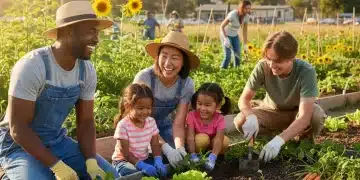
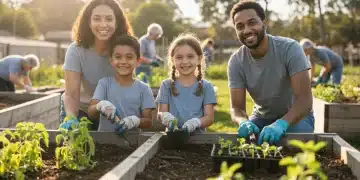
Engaging in family volunteer opportunities in 2025 fosters compassion, strengthens community bonds, and provides children with invaluable lessons in empathy and social responsibility.
Are you looking for impactful ways to spend time together as a family while also making a difference? The 2025 Guide to Family Volunteer Opportunities: 6 Meaningful Ways to Give Back Together This Year offers practical and heartwarming avenues for families to connect with their communities and instill values of service in their children. Volunteering as a family is more than just an activity; it’s an enriching experience that builds character, strengthens bonds, and creates lasting memories.
Understanding the Impact of Family Volunteering
Family volunteering goes beyond simply donating time; it creates a ripple effect that benefits both the community and the family unit. When parents and children work together towards a common goal, they develop a deeper understanding of social issues and the importance of collective action. This shared experience can foster empathy, resilience, and a sense of purpose in young minds, shaping them into compassionate adults.
Engaging in community service as a family also provides a unique educational platform. Children learn practical skills, problem-solving techniques, and the value of teamwork in real-world settings. These lessons are often more profound and memorable than those learned in a traditional classroom, as they are rooted in direct experience and emotional connection. Moreover, it offers parents an opportunity to lead by example, demonstrating the significance of civic engagement and social responsibility.
Building stronger family bonds
Volunteering together often involves overcoming challenges and celebrating small victories, which can significantly strengthen family relationships. It provides a shared narrative, a collection of stories and experiences that families can revisit and cherish for years to come. This shared sense of accomplishment and contribution creates a powerful bond.
- Shared purpose: Working towards a common goal unites family members.
- Communication: Encourages open dialogue about community needs and solutions.
- Mutual support: Families learn to rely on and support each other during tasks.
- Lasting memories: Creates unique, meaningful experiences that become family lore.
Fostering empathy and social awareness
Direct exposure to different circumstances and communities can profoundly impact a child’s understanding of the world. Volunteering allows children to see firsthand the challenges others face, promoting empathy and a desire to help. It moves abstract concepts of poverty or environmental issues into tangible experiences, making them more real and immediate.
In conclusion, the impact of family volunteering extends far beyond the immediate beneficiaries of the service. It cultivates a generation of empathetic, socially aware, and engaged individuals, while simultaneously strengthening family ties and creating a positive, lasting legacy within the community.
1. Volunteering at Local Food Banks and Shelters
Supporting local food banks and shelters is a fundamental way for families to address immediate community needs. These organizations are often the first line of defense against hunger and homelessness, providing essential resources to vulnerable populations. Donating time here can involve a variety of tasks, making it suitable for different age groups and skill levels, ensuring that every family member can contribute meaningfully.
The experience of volunteering in these environments can be incredibly humbling and eye-opening. It helps children understand the realities of food insecurity and homelessness, fostering gratitude for their own circumstances while inspiring a desire to help others. Families can work together to sort donations, pack meals, or even serve food, directly witnessing the positive impact of their efforts on individuals and families in need.
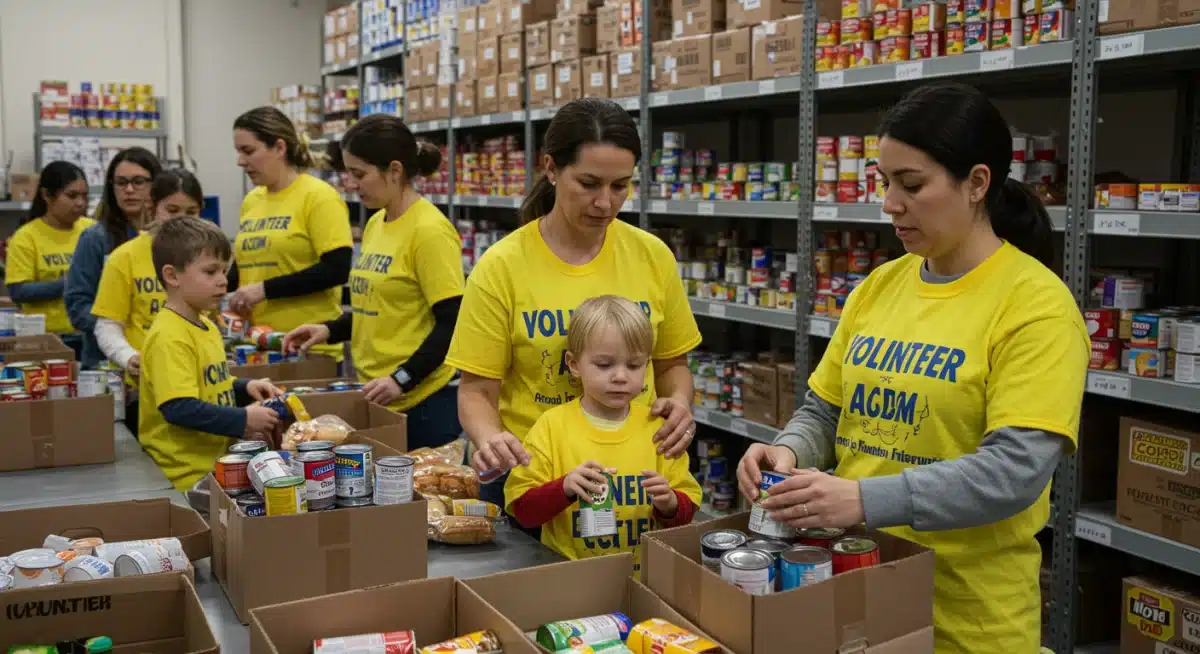
Beyond the direct service, volunteering at food banks and shelters also teaches organizational skills and the importance of efficiency. Families learn how these vital operations function, from inventory management to distribution logistics. This behind-the-scenes look can be educational, demonstrating the complex systems required to support a community.
Preparing for your visit
Before heading to a food bank or shelter, it’s important to prepare your family. Discuss what to expect, the importance of respect and empathy, and how their contributions will help. Many organizations have specific guidelines for volunteers, especially regarding age restrictions and safety protocols, so it’s crucial to check these in advance.
- Contact the organization: Inquire about age requirements and available shifts.
- Discuss expectations: Prepare children for the environment and tasks.
- Dress appropriately: Wear comfortable clothing and closed-toe shoes.
- Focus on empathy: Remind everyone to approach the experience with kindness.
In essence, volunteering at local food banks and shelters offers a tangible way for families to combat hardship directly. It provides invaluable lessons in compassion, community support, and the logistics of humanitarian aid, all while creating a memorable and impactful shared experience.
2. Environmental Conservation and Park Clean-ups
Engaging in environmental conservation and park clean-ups allows families to directly contribute to the health and beauty of their local environment. This type of volunteering is often accessible to all ages and provides a fantastic opportunity to enjoy the outdoors while making a tangible difference. From picking up litter to planting trees, these activities help preserve natural spaces for future generations and foster a deep appreciation for nature.
Participating in park clean-ups teaches children about environmental stewardship and the immediate consequences of pollution. They learn how their actions can positively impact local ecosystems, from protecting wildlife habitats to improving air and water quality. It’s a hands-on lesson in ecology that connects them directly to their surroundings, promoting a sense of responsibility for the planet.
What to expect during a clean-up
Most clean-up events are well-organized, with supplies like gloves and trash bags provided. Volunteers are usually given specific areas to focus on, ensuring that efforts are coordinated and effective. It’s a great way to meet other community members who share similar values and to understand the collective effort required for environmental preservation.
- Safety first: Always follow instructions from event organizers regarding safety.
- Tools provided: Gloves, trash bags, and sometimes grabbers are typically supplied.
- Teamwork: Work with family members and other volunteers to cover more ground.
- Leave no trace: Ensure all collected waste is properly disposed of.
Environmental conservation volunteering, such as park clean-ups, offers families a refreshing and impactful way to give back. It instills a love for nature, teaches important lessons about sustainability, and provides a clear demonstration of how individual actions contribute to a healthier planet.
3. Supporting Animal Shelters and Rescues
For families with a love for animals, volunteering at local animal shelters and rescues provides a compassionate outlet for giving back. These organizations rely heavily on volunteer support to care for countless abandoned, neglected, and abused animals. From walking dogs to cleaning kennels, there are many ways families can help improve the lives of these vulnerable creatures, offering them comfort and hope.
Working with animals in need teaches children empathy, responsibility, and kindness towards all living beings. It allows them to understand the importance of animal welfare and the commitment involved in pet ownership. The direct interaction with animals can be incredibly therapeutic and rewarding, fostering a deeper connection to the natural world and its inhabitants.
Diverse roles for families
Animal shelters often have a variety of roles suitable for different ages. While younger children might help with making toys or blankets, older children and adults can assist with walking, feeding, and socializing animals. Some shelters also welcome help with administrative tasks, fundraising events, or even fostering animals, offering multiple avenues for involvement.
The experience of seeing an animal thrive due to their care can be a powerful motivator for continued involvement. It highlights the direct impact of their efforts, showing how a small act of kindness can make a significant difference in an animal’s life. This connection often leads to a lifelong commitment to animal advocacy and responsible pet care.
In summary, supporting animal shelters and rescues offers families a heartwarming opportunity to care for those without a voice. It instills valuable lessons in compassion, responsibility, and the profound bond between humans and animals, creating a fulfilling and educational volunteer experience.
4. Engaging with Senior Citizens
Volunteering with senior citizens offers profound benefits for both the elderly and the families involved. Many seniors face loneliness and isolation, and a visit from a cheerful family can brighten their day significantly. Activities can range from simply spending time together, sharing stories, to helping with light tasks or organizing social events at senior centers or assisted living facilities.
This intergenerational interaction provides children with unique perspectives and life lessons from elders, fostering respect for older generations and an appreciation for history. Seniors, in turn, benefit from the energy and companionship of younger visitors, which can improve their mental and emotional well-being. It’s a beautiful exchange that bridges generational gaps and builds stronger community ties.
Meaningful activities to share
There are numerous ways families can engage with seniors. Reading aloud, playing board games, helping with technology, or simply listening to their stories are all valuable contributions. Some families even organize small performances or craft sessions, bringing joy and creativity to senior living environments. Always check with the facility about appropriate activities and any necessary background checks.
- Storytelling: Share family anecdotes and listen to life experiences.
- Game time: Play cards, board games, or puzzles together.
- Creative arts: Organize drawing, painting, or simple craft sessions.
- Technology assistance: Help seniors with smartphones, tablets, or computers.
Connecting with senior citizens through volunteering is a deeply rewarding experience that enriches lives across generations. It fosters empathy, respect, and a sense of community, reminding everyone of the value of human connection and shared wisdom.
5. Supporting Educational Programs and Libraries
Families can make a significant difference by volunteering their time to support local educational programs and libraries. These institutions are cornerstones of community learning and development, often relying on volunteers to enhance their offerings. Whether it’s helping with after-school programs, organizing book drives, or assisting librarians, these opportunities promote literacy and educational access for all ages.
Volunteering in educational settings teaches children the importance of learning and community support. They can see firsthand how libraries and schools function, and how their efforts contribute to creating a supportive environment for students. This can inspire a love for reading and a greater appreciation for the resources available to them, while also highlighting the needs of others who may lack similar access.
Ways to contribute
Libraries often need help shelving books, assisting with children’s story times, or organizing special events. Schools may welcome volunteers for tutoring, mentoring, or assisting teachers with classroom activities. Families can also initiate book donation drives to collect resources for underserved schools or community centers, directly impacting access to educational materials.
These roles are particularly beneficial for families because they can often align with existing skills and interests. Parents who are passionate about reading can share that enthusiasm, while children can engage in activities that reinforce their own learning. It’s a symbiotic relationship where both volunteers and recipients benefit from the shared pursuit of knowledge.
To conclude, supporting educational programs and libraries offers families a powerful way to invest in the future of their community. It champions literacy, fosters a love for learning, and ensures that vital educational resources are accessible to everyone, creating a lasting positive impact.
6. Participating in Community Development Projects
Community development projects offer families a broad spectrum of opportunities to improve their local area’s infrastructure and well-being. These projects can include building or repairing homes, revitalizing public spaces, or contributing to neighborhood beautification efforts. Such initiatives often involve hands-on work that allows families to see the tangible results of their labor, fostering a strong sense of pride and ownership in their community.
Engaging in these types of projects teaches children about civic responsibility and the importance of active participation in creating a better living environment. They learn practical skills, from basic construction to landscaping, and understand how collective efforts can transform a neighborhood. It’s an excellent way to connect with neighbors and build a stronger, more resilient community together.
Finding the right project
Community development organizations, local government agencies, and faith-based groups often coordinate these projects. Look for initiatives that match your family’s skills and availability. Many projects are designed to accommodate volunteers of all experience levels, providing guidance and supervision to ensure a safe and productive experience for everyone involved.
The sense of accomplishment that comes from completing a community development project is immense. Families can drive past a newly painted community center, a renovated playground, or a reforested area and know that they played a part in its creation. This direct connection to their efforts reinforces the value of giving back and encourages continued engagement in community improvement.
In summary, participating in community development projects provides families with a hands-on approach to enhancing their local environment. It instills a sense of civic pride, teaches valuable practical skills, and strengthens community bonds through shared effort and visible results.
| Volunteer Area | Impact on Family & Community |
|---|---|
| Food Banks & Shelters | Addresses hunger/homelessness, teaches empathy, gratitude. |
| Environmental Clean-ups | Preserves nature, fosters stewardship, outdoor activity. |
| Animal Shelters | Cares for animals, instills compassion, responsibility. |
| Senior Citizen Engagement | Reduces isolation, promotes intergenerational learning. |
Frequently Asked Questions About Family Volunteering
Children can begin volunteering at almost any age, with activities tailored to their developmental stage. Toddlers can help sort donated items at home, while preschoolers can participate in simple park clean-ups. School-aged children can engage in more structured activities like helping at food banks or reading to seniors, promoting early civic engagement.
Start by checking local community centers, religious organizations, and non-profit websites. Websites like VolunteerMatch.org or Idealist.org also list opportunities. Consider your family’s interests and availability to find a cause that resonates with everyone, ensuring a more enjoyable and sustainable volunteering experience.
Family volunteering strengthens bonds, teaches empathy, and instills a sense of social responsibility in children. It creates shared positive experiences, fosters gratitude, and helps children develop practical skills. It also allows families to model civic engagement and contribute directly to their community’s well-being.
Absolutely. Many opportunities, such as park clean-ups, helping at food banks, or visiting seniors, require no financial contribution. Organizing a neighborhood drive for donations, writing letters to soldiers, or creating care packages are also impactful and low-cost ways to give back as a family.
To make volunteering a regular habit, integrate it into your family’s routine. Schedule it like any other important activity, perhaps once a month or quarterly. Choose projects that genuinely interest everyone and reflect on the experience afterward, discussing the impact and what you learned to reinforce its value.
Conclusion
Embracing family volunteer opportunities in 2025 offers a powerful way to enrich your family’s life while making a tangible difference in the world. Whether you choose to help at a food bank, clean up a local park, support animal shelters, engage with seniors, bolster educational programs, or participate in community development, each act of service contributes to a stronger, more compassionate society. These shared experiences not only foster empathy and social responsibility in children but also create invaluable memories and strengthen family bonds. By actively giving back, families can collectively build a legacy of kindness and community engagement that will resonate for years to come.