Diapering Dilemmas Solved: Top 5 Eco-Friendly Diaper Brands of 2026
As parents, we’re constantly striving to make the best choices for our children. This often extends beyond their immediate well-being to the environment they will inherit. When it comes to diapering, the sheer volume of waste generated by conventional disposable diapers is staggering. An average baby uses between 5,000 and 6,000 diapers before being potty trained, collectively contributing millions of tons of non-biodegradable waste to landfills each year. This impact has spurred a significant shift towards more sustainable and eco-friendly diaper brands. But with so many options emerging, how do you choose the best eco-friendly diaper brands for your family in 2026?
The market for sustainable baby products is booming, and eco-friendly diapers are at the forefront of this movement. These diapers promise not only to be gentler on your baby’s delicate skin but also to reduce your carbon footprint. However, navigating the claims of ‘biodegradable,’ ‘plant-based,’ and ‘compostable’ can be overwhelming. Furthermore, parents are naturally concerned about performance – will these eco-conscious options truly hold up against leaks and provide adequate absorbency? And, perhaps most importantly for many families, how do they stack up in terms of cost?
This comprehensive guide aims to solve your diapering dilemmas by comparing the top 5 eco-friendly diaper brands of 2026. We’ll delve into their environmental impact, material composition, absorbency, fit, and, critically, their cost-effectiveness. Our goal is to equip you with the knowledge needed to make an informed decision that aligns with your values, budget, and your baby’s needs. Get ready to discover which brands are leading the charge in sustainable diapering, offering innovative solutions without compromising on quality or affordability.
The Rise of Eco-Friendly Diapers: Why Make the Switch?
The environmental consequences of traditional disposable diapers are a major driving force behind the growing popularity of eco-friendly diaper brands. Conventional diapers are primarily made from plastics, super-absorbent polymers (SAPs), and wood pulp, often bleached with chlorine. These materials can take hundreds of years to decompose, releasing methane and other greenhouse gases in landfills. Moreover, the manufacturing process itself consumes vast amounts of resources and energy.
Beyond the environmental aspect, many parents are also concerned about the potential health implications of certain chemicals found in traditional diapers. Dioxins, fragrances, and phthalates, while often present in low levels, can be irritants for sensitive skin and raise questions about long-term exposure. Eco-friendly diapers often address these concerns by utilizing plant-based materials, avoiding harsh chemicals, and focusing on hypoallergenic properties.
What Defines an Eco-Friendly Diaper?
The term ‘eco-friendly’ can be broad, but when applied to diapers, it generally refers to products that:
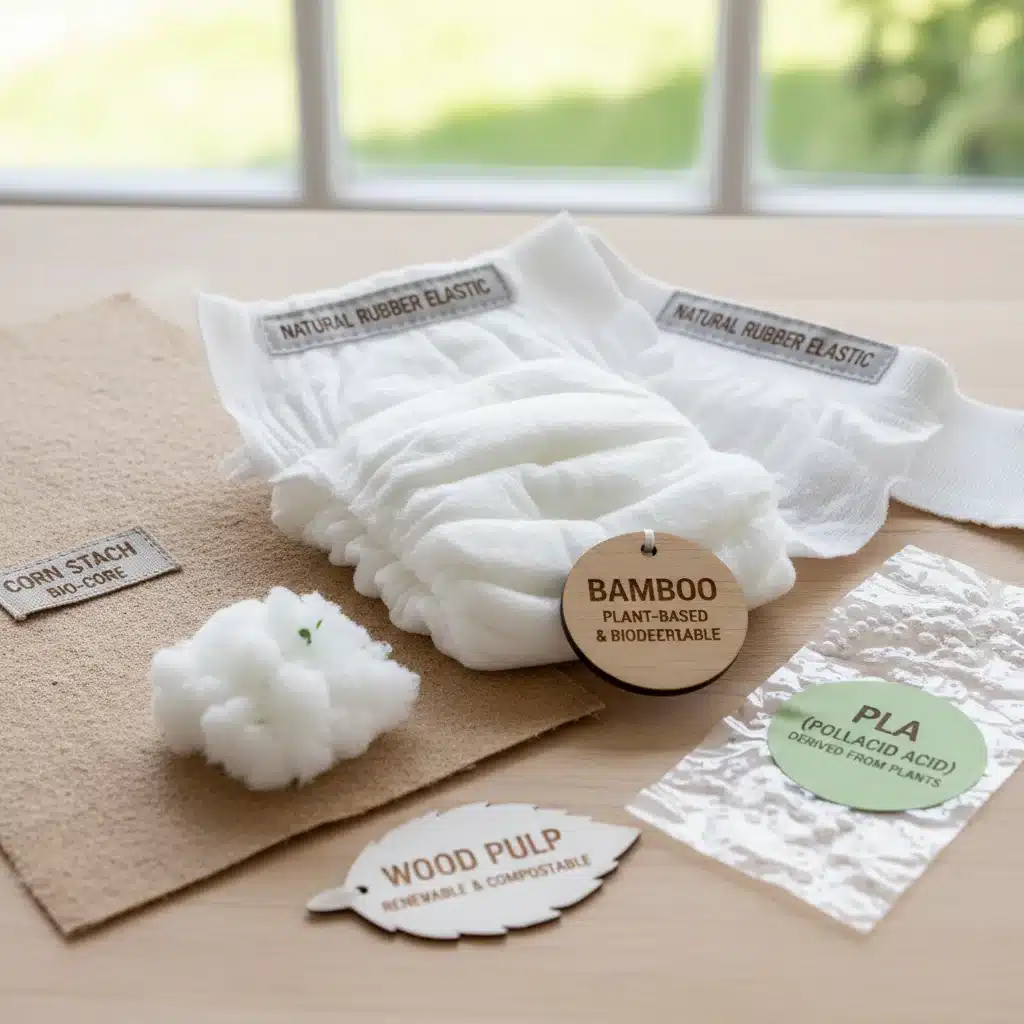
- Use sustainable materials: This includes renewable resources like bamboo, corn, or sugarcane for the outer and inner layers, and responsibly sourced wood pulp for the absorbent core.
- Are free from harmful chemicals: Many brands boast being free of chlorine, phthalates, parabens, latex, and fragrances.
- Are biodegradable or compostable: While ‘100% biodegradable’ is a high bar, many brands are making strides in this area, with components that break down faster than traditional plastics.
- Have a lower carbon footprint: This can involve sustainable manufacturing processes, reduced packaging, and ethical sourcing.
- Are cruelty-free: Many eco-conscious brands also ensure their products are not tested on animals.
Understanding these criteria is crucial for evaluating the true ‘green’ credentials of various eco-friendly diaper brands. It’s not just about marketing; it’s about tangible efforts to reduce environmental impact and ensure product safety.
Our Methodology: How We Chose the Top 5 Eco-Friendly Diaper Brands
To provide you with the most accurate and helpful comparison, we meticulously evaluated numerous eco-friendly diaper brands based on several key factors:
- Material Composition and Sustainability: We scrutinized ingredient lists, looking for plant-based materials, certifications (e.g., FSC for wood pulp, OEKO-TEX for textiles), and evidence of responsible sourcing. We also considered the biodegradability and compostability claims.
- Performance (Absorbency & Leak Protection): A diaper, eco-friendly or not, must perform its primary function. We considered user reviews, independent tests, and brand claims regarding absorbency, wetness indication, and leak guards.
- Comfort and Fit: We assessed softness, breathability, stretchiness, and overall fit across different baby sizes, as these factors directly impact a baby’s comfort and prevent blowouts.
- Skin Sensitivity: Hypoallergenic properties, absence of irritating chemicals, and dermatological testing were key considerations for babies with sensitive skin.
- Cost-Effectiveness: We calculated the average cost per diaper, taking into account subscription options, bulk purchases, and overall brand pricing strategies. This is a critical factor for many families.
- Brand Ethics and Transparency: We looked into each company’s broader environmental initiatives, transparency regarding their supply chain, and social responsibility efforts.
By applying this rigorous methodology, we narrowed down the extensive list of options to the top 5 eco-friendly diaper brands that truly stand out in 2026, offering a balance of sustainability, performance, and value.
Top 5 Eco-Friendly Diaper Brands of 2026: A Detailed Comparison
Here’s our breakdown of the leading eco-friendly diaper brands, designed to help you make an informed choice.
1. Dyper: The Compostable Innovator
Overview:
Dyper has carved out a unique niche by offering genuinely compostable diapers. Made from bamboo fibers, these diapers are free from chlorine, latex, alcohol, perfumes, PVC, lotions, TBT, and phthalates. Their standout feature is their optional ‘REDYPER’ service, which allows customers to return used diapers for commercial composting, significantly reducing landfill waste. This commitment to a circular economy sets them apart.
Environmental Impact:
Dyper’s bamboo-based construction is highly sustainable, as bamboo is a rapidly renewable resource requiring less water and no pesticides. The REDYPER service is revolutionary, offering a tangible solution to diaper waste. While not all components are 100% compostable in a home setting, their industrial composting program is a game-changer for environmental conscious parents.
Performance:
Users consistently praise Dyper for its softness and absorbency. The bamboo material is naturally breathable, reducing the risk of diaper rash. Leak protection is generally excellent, even for heavy wetters, though some parents note that the fit can be a bit bulkier than traditional diapers.
Cost:
Dyper is on the higher end of the price spectrum, especially when factoring in the REDYPER service. However, for those prioritizing maximum environmental impact reduction, the cost is often justified. Subscription models offer some savings, bringing the cost per diaper down slightly.
Pros:
- Truly compostable option via REDYPER service.
- Made from highly sustainable bamboo.
- Exceptional softness and breathability.
- Free from a wide range of harmful chemicals.
Cons:
- Higher price point.
- REDYPER service requires additional cost and effort.
- Can be slightly bulky.
2. Hello Bello: Affordable & Accessible Green
Overview:
Co-founded by Kristen Bell and Dax Shepard, Hello Bello aims to make premium, plant-based baby products accessible to everyone. Their diapers feature a high-quality absorbent core with sustainably harvested fluff pulp and a plant-derived (corn and sugarcane) outer layer. They are free of phthalates, chlorine processing, lotions, and fragrances.
Environmental Impact:
Hello Bello focuses on using sustainable materials like plant-derived plastics and responsible wood pulp. Their manufacturing processes are designed to be more eco-conscious, and they emphasize transparency in their ingredient sourcing. While not fully compostable, they represent a significant step up from conventional diapers in terms of environmental footprint.
Performance:
Hello Bello diapers receive high marks for their absorbency and leak protection, even overnight. Parents appreciate the comfortable fit and cute designs. The soft, cloth-like feel is also a plus, making them gentle on sensitive skin. Some users report occasional fit issues with certain body types, but overall performance is strong.
Cost:
This is where Hello Bello truly shines. They offer some of the most competitive pricing among eco-friendly diaper brands, especially through their bundle subscription service. This affordability makes sustainable diapering a realistic option for a wider range of families.
Pros:
- Excellent value for a plant-based diaper.
- Strong absorbency and leak protection.
- Cute designs and comfortable fit.
- Widely available and accessible.
Cons:
- Not compostable.
- Still contains some conventional plastics, though plant-derived.
3. Andy Pandy: Bamboo Luxury
Overview:
Andy Pandy diapers are renowned for their luxurious softness and commitment to using 100% bamboo viscose. They are free of chlorine, phthalates, BPA, alcohol, PVC, and TBT. The brand emphasizes breathability and hypoallergenic properties, making them ideal for babies with eczema or extremely sensitive skin.
Environmental Impact:
Utilizing 100% bamboo viscose means these diapers are made from a highly renewable and biodegradable resource. Bamboo grows quickly and requires minimal water. Andy Pandy also uses FSC-certified wood pulp for their core and aims for minimal environmental impact in production. While not designed for industrial composting, the materials used are significantly more eco-friendly than traditional options.
Performance:
Parents consistently rave about the silk-like softness of Andy Pandy diapers, which directly translates to superior comfort for babies. Absorbency is excellent, with a focus on keeping skin dry to prevent rashes. Leak protection is reliable, and the fit is snug yet flexible. They perform very well for both day and night use.
Cost:
Andy Pandy is another premium-priced option. The cost reflects the quality of materials and the brand’s commitment to chemical-free products. While it might be a stretch for some budgets, many parents of babies with sensitive skin find the investment worthwhile to avoid irritation.
Pros:
- Incredibly soft and comfortable for babies.
- 100% bamboo viscose, highly breathable.
- Excellent for sensitive skin and eczema.
- Strong absorbency and leak protection.
Cons:
- High price point.
- Not widely available in all retail stores.
4. Bambo Nature: The Certified Eco-Champion
Overview:
Hailing from Denmark, Bambo Nature is one of the most certified eco-friendly diaper brands globally. They carry Nordic Swan Ecolabel, FSC (Forest Stewardship Council), and OEKO-TEX certifications, among others. Their diapers are made with sustainably sourced fluff pulp and feature a soft, breathable backsheet. They are free from parabens, perfumes, chlorine, and optical brighteners.
Environmental Impact:
Bambo Nature’s commitment to environmental responsibility is evident in its extensive list of certifications. The Nordic Swan Ecolabel is particularly stringent, covering everything from raw material sourcing to production emissions and waste. They focus on reducing their carbon footprint throughout the entire lifecycle of the diaper, making them a true eco-champion.
Performance:
These diapers are known for their strong absorbency and reliable leak protection, often praised for their overnight performance. The breathable design helps keep babies dry and comfortable, preventing rashes. The fit is generally good, with flexible side panels. Some users find them a bit stiffer than other premium eco-friendly options, but the performance is undeniable.
Cost:
Bambo Nature falls into the mid-to-high price range. While not as expensive as Dyper or Andy Pandy, they are more costly than conventional diapers. Their robust certifications and consistent performance justify the price for many environmentally conscious parents.
Pros:
- Numerous stringent environmental certifications.
- Excellent absorbency and overnight protection.
- Free from a wide array of harmful chemicals.
- Strong commitment to sustainable manufacturing.
Cons:
- Can be slightly less soft than bamboo-only options.
- Higher price compared to budget options.
5. Honest Company: Stylish & Plant-Powered
Overview:
Founded by Jessica Alba, The Honest Company has been a pioneer in the natural baby products space. Their diapers feature a plant-based outer layer and an absorbent core made with sustainably harvested fluff pulp. They are free of chlorine processing, lotions, and fragrances, and are known for their wide array of adorable patterns.
Environmental Impact:
The Honest Company prioritizes plant-derived materials and sustainably sourced wood pulp. They are transparent about their ingredients and manufacturing processes, and they actively work to reduce their environmental footprint. While not compostable, their commitment to safer ingredients and sustainable practices makes them a solid eco-friendly choice.
Performance:
Honest Company diapers generally perform well in terms of absorbency and leak protection, especially for daytime use. Many parents love the soft feel and the flexible fit. The cute designs are a significant draw for many. Some users report occasional leaks with heavy wetters or overnight use, suggesting they might be better suited for daytime or lighter wetters.
Cost:
The Honest Company products are priced in the mid-to-high range, similar to Bambo Nature. Their subscription bundles offer the best value. While not the cheapest option, the combination of eco-credentials, performance, and aesthetic appeal makes them a popular choice.
Pros:
- Stylish designs and patterns.
- Plant-based materials and sustainably sourced pulp.
- Free from many harsh chemicals.
- Good overall absorbency for most uses.
Cons:
- Can sometimes struggle with heavy wetters or overnight leaks.
- Not compostable.

Cost vs. Performance: Finding Your Balance Among Eco-Friendly Diaper Brands
When selecting from the many eco-friendly diaper brands, striking the right balance between cost and performance is paramount. While the initial sticker price of an eco-friendly diaper might seem higher than its conventional counterpart, it’s important to consider the long-term value and potential benefits. For instance, a diaper that prevents rashes might save you money on creams and doctor visits. A diaper that holds up overnight might mean fewer changes and more sleep for everyone.
Understanding Cost Per Diaper
To accurately compare costs, always calculate the ‘cost per diaper.’ This involves dividing the total price of a pack by the number of diapers it contains. Many eco-friendly diaper brands offer subscription services or bulk discounts that significantly reduce this cost. For example, while Dyper has a higher upfront cost, their REDYPER service offers unparalleled environmental benefits that might outweigh the financial investment for some families.
Hello Bello stands out as a strong contender for budget-conscious families who still want a plant-based option without compromising too much on quality. Their bundle system is designed to provide maximum value. On the other hand, brands like Andy Pandy justify their higher price with exceptional softness and hypoallergenic properties, which are invaluable for babies with extremely sensitive skin.
Performance Metrics That Matter
Beyond absorbency and leak protection, consider other performance metrics:
- Breathability: Good airflow prevents moisture buildup and reduces the risk of diaper rash, a common concern for many parents. Bamboo-based options like Dyper and Andy Pandy excel here.
- Fit and Flexibility: A well-fitting diaper is crucial for preventing leaks and ensuring baby’s comfort. Brands with stretchy side panels and contoured designs often provide a better fit.
- Wetness Indicator: While not strictly eco-friendly, a wetness indicator can help parents avoid unnecessary diaper changes, potentially saving money and reducing waste.
- Durability: How well does the diaper hold up to active babies? Does it sag or tear easily?
Ultimately, the ‘best’ balance between cost and performance is subjective and depends on your family’s unique needs and priorities. It might involve trying a few different eco-friendly diaper brands to see which one perfectly fits your baby and your lifestyle.
Beyond the Diaper: Additional Eco-Friendly Diapering Tips
Choosing eco-friendly diaper brands is a fantastic step, but there are other ways to make your diapering journey even more sustainable:
- Consider Reusable Wipes: Disposable wipes, even natural ones, contribute to waste. Reusable cloth wipes are soft, effective, and significantly reduce your environmental footprint.
- Proper Diaper Disposal: If your chosen eco-friendly diapers aren’t compostable (like Dyper’s REDYPER program), ensure you dispose of them responsibly. Always empty solids into the toilet before discarding the diaper, as this significantly reduces the amount of waste going to landfills and helps with decomposition.
- Buy in Bulk or Subscribe: This not only saves money but also reduces packaging waste and the frequency of shipping, lowering your carbon footprint. Many eco-friendly diaper brands offer attractive subscription models.
- Early Potty Training: While every child develops at their own pace, encouraging early potty training (when appropriate) can significantly reduce the total number of diapers used over time.
- Support Brands with Strong Ethics: Look for companies that go beyond just their product. Do they use renewable energy in their factories? Do they have fair labor practices? Are they transparent about their supply chain?
By integrating these practices, you can amplify the positive impact of choosing eco-friendly diaper brands, creating a truly sustainable diapering routine.
The Future of Eco-Friendly Diapering in 2026 and Beyond
The landscape of eco-friendly diaper brands is constantly evolving. In 2026, we’re seeing more innovation than ever before, and this trend is only expected to accelerate. Future developments are likely to include:
- Advanced Biodegradable Materials: Research into truly 100% biodegradable and home-compostable materials is ongoing, promising even less landfill waste.
- Enhanced Plant-Based Super Absorbent Polymers (SAPs): While current SAPs are highly effective, the next generation will likely be even more sustainably sourced and biodegradable.
- Closed-Loop Systems: More brands might adopt models similar to Dyper’s REDYPER, creating comprehensive take-back and composting programs for used diapers.
- Smart Diaper Technology: While seemingly unrelated to eco-friendliness, smart diapers that accurately indicate wetness could reduce unnecessary changes, thereby reducing consumption.
- Hyper-Local Sourcing and Production: To further reduce carbon footprint, we may see more regional production and sourcing of materials.
These advancements will continue to push the boundaries of what’s possible in sustainable diapering, making it easier for parents to make choices that benefit both their children and the planet. The competition among eco-friendly diaper brands is a positive force, driving innovation and improving product offerings across the board.
Conclusion: Making the Right Choice for Your Family and the Planet
Choosing the right eco-friendly diaper brands for your baby is a personal decision, influenced by your priorities regarding environmental impact, budget, and performance. Our detailed comparison of Dyper, Hello Bello, Andy Pandy, Bambo Nature, and Honest Company provides a solid foundation for your decision-making process in 2026.
Whether you prioritize the groundbreaking compostability of Dyper, the accessible affordability of Hello Bello, the luxurious softness of Andy Pandy, the certified eco-excellence of Bambo Nature, or the stylish plant-power of The Honest Company, there’s an eco-friendly option that fits your needs. Each of these brands represents a significant step forward from traditional disposable diapers, offering a more sustainable and often healthier alternative for your little one.
Remember, even small changes can collectively make a huge difference. By opting for eco-friendly diaper brands, you’re not just providing comfort for your baby; you’re also contributing to a healthier planet for their future. Take the time to consider what matters most to your family, perhaps try a few different brands, and confidently embark on your sustainable diapering journey.
The future of diapering is green, and with these top brands leading the way, parents have more power than ever to make choices that truly align with their values. Happy diapering!