Toddler-Approved Meals: 7 Nutrient-Rich Recipes for Optimal Development by 2026
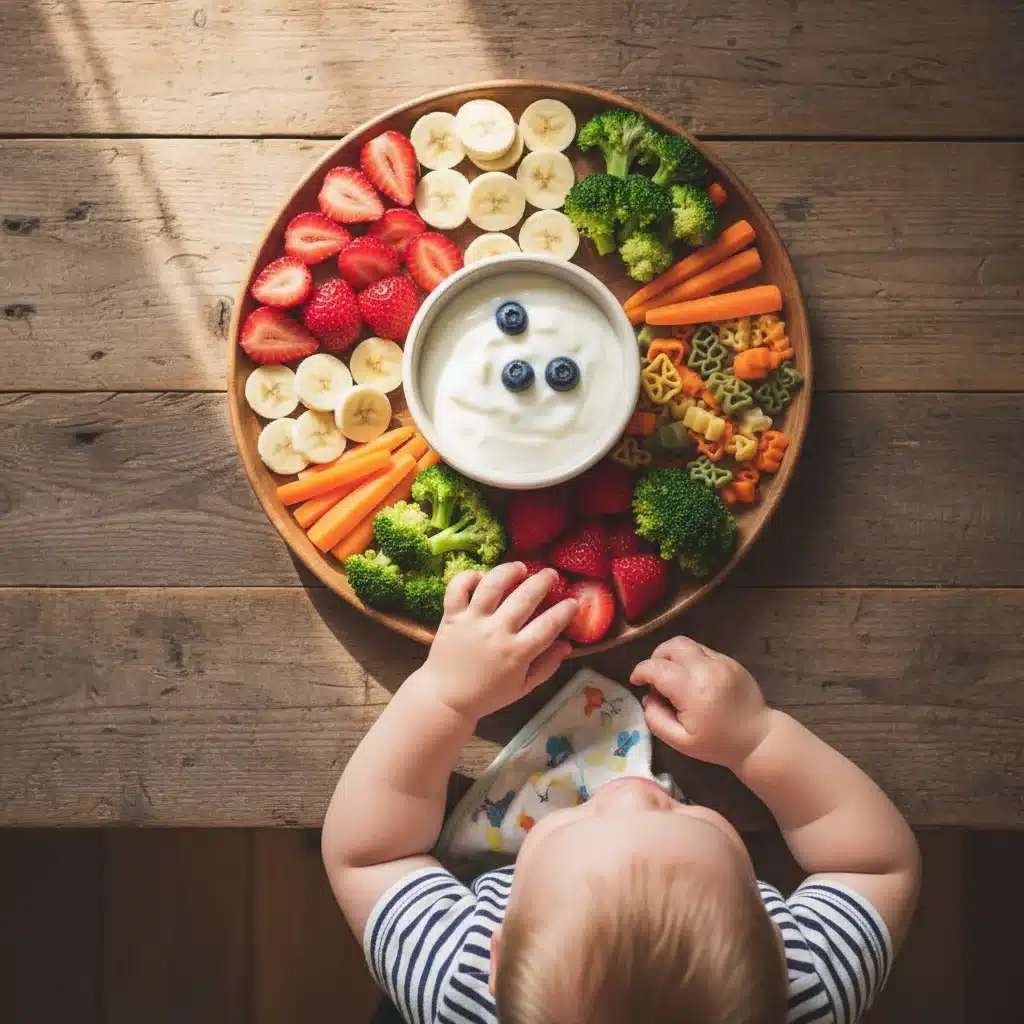
Toddler-Approved Meals: 7 Nutrient-Rich Recipes for Optimal Development by 2026
As parents, we constantly strive to provide the best for our children, and nowhere is this more critical than in their early years of development. The period between one and three years old, often referred to as the toddler stage, is a whirlwind of rapid growth, discovery, and significant developmental milestones. During this crucial time, proper nutrition isn’t just about filling tiny tummies; it’s about laying the foundation for lifelong health, cognitive function, and physical vitality. This guide is dedicated to helping you navigate the exciting, sometimes challenging, world of feeding your little one, focusing on nutrient-rich recipes that are not only healthy but also genuinely toddler-approved.
By 2026, the understanding of early childhood nutrition continues to evolve, emphasizing whole foods, a balanced intake of macronutrients, and a rainbow of micronutrients. Our goal is to equip you with practical, delicious, and easy-to-prepare meals that support every aspect of your toddler’s burgeoning development. From brain-boosting omega-3s to bone-strengthening calcium and energy-giving complex carbohydrates, we’ve got you covered. Get ready to transform mealtime battles into joyful culinary adventures!
The Importance of Nutrient-Rich Recipes for Toddler Development
Toddlers are not just small adults; their nutritional needs are unique and intensely focused on growth. Their brains are developing at an astonishing rate, their bones are strengthening, and their immune systems are maturing. Every bite counts, making toddler nutrient-rich recipes an essential component of their daily intake. During this period, children require a dense nutrient profile to support:
- Brain Development: Fats, particularly omega-3 fatty acids, iron, and choline, are vital for cognitive function, memory, and learning.
- Physical Growth: Protein is the building block for muscles and tissues, while calcium and Vitamin D are crucial for strong bones and teeth.
- Immune System Support: Vitamins A, C, E, and zinc play key roles in building a robust immune system to ward off illnesses.
- Energy and Activity: Complex carbohydrates provide sustained energy for their endless curiosity and activity, while B vitamins help convert food into energy.
- Digestive Health: Fiber-rich foods aid in healthy digestion and prevent common toddler issues like constipation.
However, toddlers can also be notoriously picky eaters. This makes the task of providing balanced nutrition even more challenging. The key is to offer a variety of healthy options in appealing ways, without pressure. Our selection of toddler nutrient-rich recipes aims to do just that – making healthy eating enjoyable and less stressful for both parent and child.
Navigating Picky Eating with Smart Strategies
Picky eating is a normal developmental stage for many toddlers. It’s often a way for them to assert independence or react to new textures and flavors. Instead of giving up, embrace strategies that encourage exploration and positive mealtime experiences.
Tips for Success:
- Offer Variety: Continuously introduce new foods alongside familiar favorites. It can take 10-15 exposures for a toddler to accept a new food.
- Involve Them: Let your toddler help with age-appropriate tasks like washing vegetables, stirring, or setting the table. They’re more likely to eat what they helped prepare.
- Make it Fun: Use cookie cutters for sandwiches or fruits, arrange food in fun shapes, or give foods silly names.
- Be Patient: Avoid power struggles. Offer healthy options and let your toddler decide how much to eat.
- Lead by Example: Eat a wide variety of healthy foods yourself. Toddlers often mimic their parents.
- Limit Snacking: Ensure your toddler is genuinely hungry at meal times by offering structured snacks between meals, avoiding grazing.
- Creative Camouflage: Sometimes, a little trickery is okay! Blend vegetables into sauces, smoothies, or muffins.
Our toddler nutrient-rich recipes incorporate many of these strategies, making it easier to sneak in those essential nutrients without your little one even realizing it!
7 Toddler-Approved Nutrient-Rich Recipes for Optimal Development
Here are seven fantastic recipes designed to delight your toddler’s taste buds while fueling their incredible growth and developmental journey towards 2026. Each recipe focuses on a balance of flavors, textures, and, most importantly, critical nutrients.
Recipe 1: Sunshine Scramble with Hidden Veggies
This vibrant scramble is packed with protein for growth and a medley of hidden vegetables for essential vitamins and fiber. It’s a perfect breakfast or light lunch.
Ingredients:
- 2 large eggs
- 1 tbsp milk (dairy or non-dairy)
- 1/4 cup finely grated zucchini
- 1/4 cup finely grated carrot
- 1 tbsp finely chopped spinach
- 1 tsp olive oil or butter
- Pinch of mild cheese (optional)
Instructions:
- In a bowl, whisk eggs and milk until well combined.
- Stir in the grated zucchini, carrot, and chopped spinach. The finer the chop/grate, the less noticeable the veggies will be.
- Heat olive oil or butter in a small non-stick pan over medium-low heat.
- Pour in the egg mixture. As the edges set, gently push the cooked egg towards the center, allowing uncooked egg to flow to the edges.
- Continue cooking until the eggs are mostly set but still slightly moist. If using, sprinkle with cheese and cook until melted.
- Serve warm. You can cut it into fun shapes for an extra toddler-friendly touch.
Nutrient Spotlight:
Eggs provide high-quality protein and choline for brain development. The hidden veggies offer a boost of Vitamin A, C, K, and fiber, crucial for immunity and digestion. This is a foundational toddler nutrient-rich recipe.
Recipe 2: Berry Blast Smoothie Bowl
A delicious and customizable smoothie bowl that’s perfect for a quick breakfast or snack. It’s loaded with antioxidants and healthy fats.
Ingredients:
- 1/2 cup mixed berries (fresh or frozen)
- 1/4 cup plain full-fat yogurt (Greek yogurt for extra protein)
- 1/4 ripe banana (frozen for extra creaminess)
- 1 tbsp unsweetened almond milk (or other milk of choice)
- 1 tsp chia seeds or ground flax seeds
- Optional toppings: a sprinkle of granola, a few more berries, or a swirl of nut butter
Instructions:
- Combine berries, yogurt, banana, milk, and chia/flax seeds in a blender.
- Blend until smooth and creamy. Add a tiny bit more milk if needed to reach desired consistency.
- Pour into a small bowl.
- Add optional toppings. Serve immediately with a toddler-friendly spoon.

Nutrient Spotlight:
Berries are rich in antioxidants and Vitamin C. Yogurt provides probiotics for gut health and calcium for bones. Chia/flax seeds offer omega-3s for brain health and fiber. This is a fantastic way to incorporate more fruit into your toddler nutrient-rich recipes.
Recipe 3: Mini Chicken & Veggie Meatballs
These bite-sized meatballs are perfect for little hands and packed with protein and finely diced vegetables. Great for lunch or dinner.
Ingredients:
- 1/2 lb ground chicken or turkey
- 1/4 cup finely chopped bell pepper (any color)
- 1/4 cup finely grated sweet potato
- 1 tbsp finely chopped fresh parsley (optional)
- 1/4 cup breadcrumbs (whole wheat preferred)
- 1 small egg, beaten
- Pinch of garlic powder (optional, for flavor)
- 1 tsp olive oil for cooking
Instructions:
- In a medium bowl, combine ground chicken/turkey, bell pepper, sweet potato, parsley (if using), breadcrumbs, beaten egg, and garlic powder. Mix gently until just combined.
- Roll the mixture into small, bite-sized meatballs (about 1-inch diameter).
- Heat olive oil in a large skillet over medium heat.
- Add meatballs and cook, turning occasionally, until browned on all sides and cooked through (no pink in the center). This usually takes 8-10 minutes.
- Serve with a side of steamed green beans or whole wheat pasta with a mild tomato sauce.
Nutrient Spotlight:
Chicken/turkey provides lean protein for muscle growth. Sweet potato offers Vitamin A for vision and immune health. Bell peppers add Vitamin C. These meatballs are a versatile addition to your repertoire of toddler nutrient-rich recipes.
Recipe 4: Creamy Avocado Pasta Sauce
A super quick and easy pasta sauce that’s dairy-free, rich in healthy fats, and vibrant green. Toddlers love the creamy texture!
Ingredients:
- 1 ripe avocado
- 1/4 cup fresh basil leaves
- 1 clove garlic (small, optional)
- 1 tbsp lemon juice
- 2-3 tbsp unsweetened almond milk (or pasta cooking water)
- Pinch of salt (optional, for older toddlers)
- 1 cup cooked whole wheat pasta (e.g., small shells, rotini)
Instructions:
- Cook pasta according to package directions. Reserve a few tablespoons of pasta water before draining.
- While pasta cooks, scoop avocado flesh into a food processor or blender. Add basil, garlic (if using), lemon juice, and 2 tablespoons of almond milk/pasta water.
- Blend until completely smooth and creamy. Add more liquid if needed to reach desired consistency. Taste and add a tiny pinch of salt if appropriate for your toddler.
- Toss the creamy avocado sauce with the warm cooked pasta.
- Serve immediately.
Nutrient Spotlight:
Avocado is a powerhouse of healthy monounsaturated fats, which are crucial for brain development. Basil provides Vitamin K and antioxidants. Whole wheat pasta offers complex carbohydrates and fiber. This is an excellent dairy-free option for toddler nutrient-rich recipes.
Recipe 5: Lentil & Vegetable Shepherd’s Pie
A comforting and hearty meal that’s vegetarian, packed with plant-based protein and fiber, and a good source of iron. The mashed potato topping makes it appealing to toddlers.
Ingredients:
- 1 tbsp olive oil
- 1/2 small onion, finely diced
- 1 clove garlic, minced (optional)
- 1/2 cup diced carrots
- 1/2 cup diced celery
- 1/2 cup green or brown lentils, rinsed
- 2 cups low-sodium vegetable broth
- 1/2 cup canned diced tomatoes (no salt added)
- 1/2 cup frozen peas
- For the topping: 1 large potato, peeled and boiled until tender; 1 tbsp milk; 1 tsp butter
Instructions:
- Heat olive oil in a pot over medium heat. Add onion, carrots, and celery. Sauté for 5-7 minutes until softened. Add garlic (if using) and cook for another minute.
- Stir in rinsed lentils, vegetable broth, and diced tomatoes. Bring to a simmer, then reduce heat, cover, and cook for 20-25 minutes, or until lentils are tender.
- While lentils cook, prepare the potato topping. Mash the boiled potato with milk and butter until smooth.
- Once lentils are tender, stir in the frozen peas. Cook for another 2-3 minutes until peas are heated through.
- Spoon the lentil and vegetable mixture into a small oven-safe dish. Top with the mashed potato, spreading evenly.
- Bake in a preheated oven at 375°F (190°C) for 15-20 minutes, or until the topping is lightly golden and the filling is bubbly.
- Let cool slightly before serving.

Nutrient Spotlight:
Lentils are an excellent source of plant-based protein, fiber, and iron, crucial for preventing anemia and supporting energy levels. The variety of vegetables provides a wide spectrum of vitamins and minerals. This is a wonderfully hearty and healthy addition to your collection of toddler nutrient-rich recipes.
Recipe 6: Baked Apple & Oat Fritters
These soft, naturally sweet fritters are perfect for little fingers and make a great breakfast or snack. They are packed with fiber and whole grains.
Ingredients:
- 1/2 cup rolled oats (certified gluten-free if needed)
- 1/4 cup whole wheat flour
- 1 tsp baking powder
- 1/2 tsp cinnamon
- 1 small apple, peeled, cored, and finely grated
- 1/4 cup unsweetened applesauce
- 1 small egg, beaten
- 1 tbsp milk (dairy or non-dairy)
- 1 tsp vanilla extract (optional)
Instructions:
- Preheat oven to 350°F (175°C) and lightly grease a baking sheet or line with parchment paper.
- In a medium bowl, combine rolled oats, whole wheat flour, baking powder, and cinnamon.
- In a separate bowl, whisk together grated apple, applesauce, beaten egg, milk, and vanilla extract (if using).
- Pour the wet ingredients into the dry ingredients and mix until just combined. Do not overmix.
- Drop spoonfuls of the batter onto the prepared baking sheet, forming small fritters (about 2-inch diameter).
- Bake for 12-15 minutes, or until golden brown and cooked through.
- Let cool slightly before serving. These are delicious warm or at room temperature.
Nutrient Spotlight:
Oats and whole wheat flour provide complex carbohydrates and fiber for sustained energy and digestive health. Apples add natural sweetness and antioxidants. Eggs contribute protein. These fritters are a smart choice among toddler nutrient-rich recipes for snacks or breakfast.
Recipe 7: Salmon & Sweet Potato Fish Cakes
Introducing fish early is beneficial for omega-3 intake. These mild, soft fish cakes are an excellent way to do it. They are rich in healthy fats and Vitamin A.
Ingredients:
- 4 oz cooked salmon, flaked (ensure no bones)
- 1/2 cup cooked sweet potato, mashed
- 1 tbsp finely chopped fresh dill or parsley (optional)
- 1 tbsp whole wheat flour or breadcrumbs
- 1 small egg yolk (or whole egg for binding)
- 1 tsp olive oil for pan-frying
Instructions:
- In a bowl, gently combine the flaked salmon, mashed sweet potato, chopped dill/parsley (if using), whole wheat flour/breadcrumbs, and egg yolk. Mix until well combined but don’t overmix.
- Form the mixture into small, flat patties (about 2-inch diameter and 1/2-inch thick).
- Heat olive oil in a non-stick skillet over medium heat.
- Carefully place the fish cakes in the skillet and cook for 3-4 minutes per side, or until golden brown and heated through.
- Serve warm with a squeeze of lemon (for older toddlers) or a side of steamed broccoli florets.
Nutrient Spotlight:
Salmon is a fantastic source of omega-3 fatty acids (DHA and EPA), critical for brain and eye development. Sweet potato provides Vitamin A and fiber. This recipe is a stellar example of incorporating crucial fats into toddler nutrient-rich recipes.
Beyond the Plate: Creating a Positive Mealtime Environment
While the nutritional content of these toddler nutrient-rich recipes is paramount, the environment in which food is consumed is equally important. A positive, calm, and engaging mealtime atmosphere can significantly influence a toddler’s relationship with food and willingness to try new things.
Key Elements of a Positive Mealtime:
- Consistency: Establish a regular meal and snack schedule. This helps regulate hunger and anticipation.
- Family Meals: Eat together as a family whenever possible. Toddlers learn by watching, and seeing you enjoy healthy foods encourages them to do the same.
- No Distractions: Turn off screens (TVs, tablets, phones). Focus on the food and conversation.
- Appropriate Portions: Offer small, manageable portions. Toddlers can be overwhelmed by large plates of food. They can always ask for more if they’re still hungry.
- Safe Seating: Ensure your toddler is seated comfortably and securely in a high chair or booster seat, with their feet supported.
- Patience and Encouragement: Avoid pressuring your child to eat. Offer gentle encouragement and praise for trying new foods, even if they only take a tiny bite.
- Involve Them: As mentioned earlier, involving toddlers in meal prep fosters a sense of ownership and curiosity about food.
Remember, your role is to offer healthy choices; your child’s role is to decide whether and how much to eat. This division of responsibility can reduce mealtime stress for everyone, making it easier to consistently offer these toddler nutrient-rich recipes.
Stocking Your Pantry for Success
Having the right ingredients on hand makes preparing these toddler nutrient-rich recipes much easier. Consider stocking your pantry and fridge with the following:
- Protein Sources: Eggs, plain full-fat yogurt, ground chicken/turkey, lentils, canned salmon (low sodium).
- Healthy Fats: Avocados, olive oil, chia seeds, ground flax seeds, nut butters (ensure no added sugar/salt, and check for allergies).
- Whole Grains: Rolled oats, whole wheat pasta, whole wheat breadcrumbs.
- Fruits: A variety of fresh and frozen berries, bananas, apples, unsweetened applesauce.
- Vegetables: Carrots, sweet potatoes, zucchini, spinach, bell peppers, frozen peas, broccoli.
- Dairy/Non-Dairy: Full-fat milk, unsweetened almond milk (or other non-dairy milk), mild cheese.
- Herbs & Spices: Fresh parsley, dill, cinnamon, garlic powder (mildly used).
By keeping these staples on hand, you’ll be well-prepared to whip up nutritious meals and snacks for your toddler at a moment’s notice, making your journey towards optimal development by 2026 much smoother.
Conclusion: Fueling a Bright Future with Toddler Nutrient-Rich Recipes
The toddler years are a precious and fleeting time, filled with immense growth and learning. By consciously choosing and preparing toddler nutrient-rich recipes, you are actively contributing to your child’s physical health, cognitive development, and emotional well-being. It’s an investment that pays dividends for a lifetime.
Remember, perfection is not the goal. Consistency, variety, and a positive approach are far more important. Don’t be afraid to experiment, adapt recipes to your child’s preferences, and celebrate every small victory at the dinner table. These 7 recipes are just a starting point, offering a foundation of delicious and healthy options to support your little one’s journey toward thriving in 2026 and beyond. Enjoy the process of nourishing your child, watching them grow, and building healthy eating habits that will last a lifetime.