Toddler-Friendly Dinners: 7 Nutritious & Easy Recipes for Picky Eaters
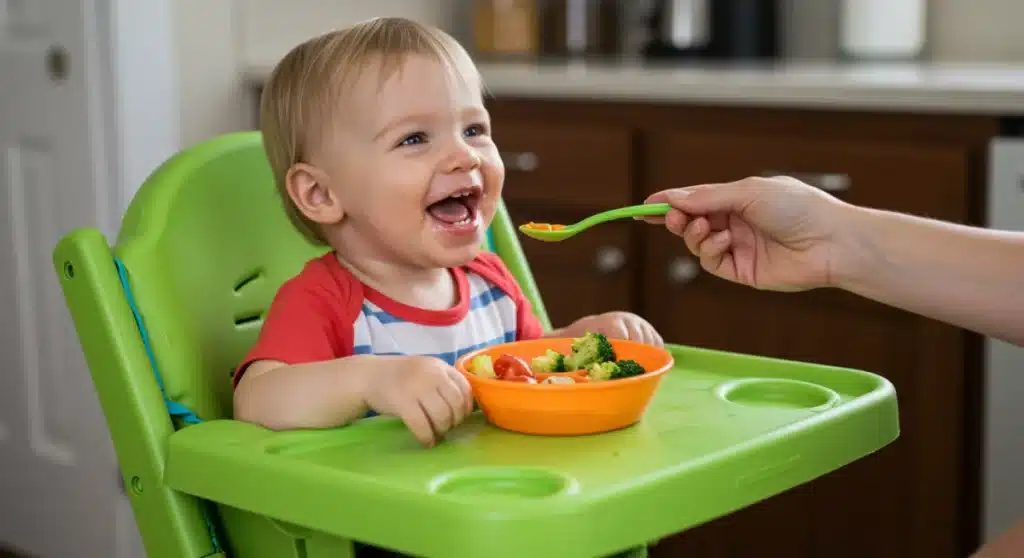
Toddler-friendly dinners for picky eaters in the US can be both nutritious and easy to prepare, transforming stressful mealtimes into enjoyable experiences with creative, wholesome recipes that appeal to young palates.
Navigating mealtime with a toddler can often feel like a culinary battlefield, especially when you have a picky eater on your hands. The quest for delicious, nutritious, and easy-to-prepare toddler-friendly dinners that actually get eaten is a common challenge for parents across the US. It’s a delicate balance of providing essential nutrients while also catering to evolving tastes and textures. This article aims to transform that struggle into success, offering seven tried-and-true recipes that are not only simple to make but have also received the stamp of approval from even the most discerning tiny critics.
Understanding the Picky Eater Phenomenon
Before diving into recipes, it’s crucial to understand why toddlers become picky eaters. This phase, often starting around 18 months to two years, is a normal part of development. It’s a combination of asserting independence, neophobia (fear of new foods), and a slower growth rate meaning they need less food than perceived. Recognizing these factors can help parents approach mealtime with more patience and less pressure, fostering a positive eating environment rather than a battleground.
Picky eating can stress parents, leading to concerns about nutritional deficiencies. However, most toddlers get enough nutrients over the course of a week, even if individual meals seem sparse. The key is offering a variety of healthy options consistently and allowing them to self-regulate. Forcing food can create negative associations that last into adulthood.
Common Traits of Picky Eaters
- Food Refusal: Often rejecting foods they previously enjoyed.
- Limited Variety: Sticking to a small selection of preferred foods.
- Texture Sensitivity: Disliking certain textures, like mushy or lumpy foods.
- Slow Eating: Taking a long time to finish meals or losing interest quickly.
Understanding these traits helps parents tailor their approach. For instance, if your toddler dislikes certain textures, you might try pureeing vegetables into sauces or offering crunchy alternatives. The goal is to make healthy eating an appealing and non-threatening experience.
Patience and consistency are your best allies. Continue to offer a wide range of foods, even if they are initially rejected. Exposure is key, and it can take multiple tries before a toddler accepts a new food. Celebrate small victories, like a tiny taste, and remember that every child is different.
Strategies for Success at Toddler Dinner Time
Creating a positive mealtime environment is just as important as the food itself. There are several strategies parents can employ to encourage their toddlers to eat well and explore new foods without turning dinner into a power struggle. These approaches focus on making eating enjoyable and reducing pressure.
One effective strategy is involving your toddler in the meal preparation process. Even young children can help wash vegetables, stir ingredients, or set the table. This involvement gives them a sense of ownership over the meal, making them more likely to try what they’ve helped create. It also turns cooking into a fun, educational activity.
Making Mealtime Enjoyable
- Offer Choices: Provide two healthy options and let your toddler choose, giving them control.
- Eat Together: Model good eating habits by sharing meals as a family.
- Keep Portions Small: Large portions can be overwhelming; start small and offer more if requested.
- Limit Distractions: Turn off screens and focus on the meal and conversation.
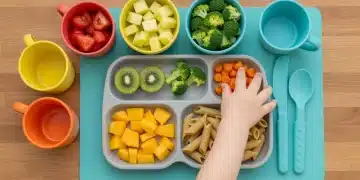
Another powerful tool is presentation. Toddlers are often drawn to visually appealing plates. Use cookie cutters to create fun shapes with sandwiches or vegetables, arrange food in colorful patterns, or use child-friendly plates and utensils. A little creativity can go a long way in enticing a picky eater.
Remember to avoid using food as a reward or punishment. This can create unhealthy associations with eating and undermine your efforts to promote a balanced diet. Instead, focus on positive reinforcement and celebrating healthy choices.
Recipe 1: Hidden Veggie Pasta Sauce with Mini Meatballs
This recipe is a classic for a reason: it cleverly disguises vegetables in a delicious sauce that most toddlers adore. The mini meatballs add protein and make it easy for little hands to manage. It’s a fantastic way to ensure your child gets a range of nutrients without even realizing it.
The beauty of this dish lies in its versatility. You can use almost any vegetable you have on hand – carrots, zucchini, spinach, bell peppers – and blend them into a smooth sauce. This not only boosts the nutritional content but also introduces different flavors subtly, expanding your toddler’s palate over time.
Ingredients and Preparation
- For the Sauce: 1 can crushed tomatoes, 1 cup mixed vegetables (steamed and pureed), 1/2 onion (sauteed), 1 clove garlic (minced).
- For the Meatballs: 1 lb ground turkey or beef, 1/4 cup breadcrumbs, 1 egg, pinch of salt and pepper.
- Pasta: Whole wheat penne or spirals.
To prepare, sauté the onion and garlic, then add crushed tomatoes and pureed vegetables. Simmer for 20 minutes. For the meatballs, mix ingredients and roll into pea-sized balls, then bake or pan-fry until cooked through. Serve with pasta and a sprinkle of cheese.
This meal provides a good source of protein, fiber, and essential vitamins. It’s also easy to make in a large batch and freeze portions for quick future dinners, making it a staple for busy weeknights. The familiar flavors of pasta and meatballs make it a comforting and appealing choice for toddlers.
Recipe 2: Cheesy Chicken and Veggie Nuggets
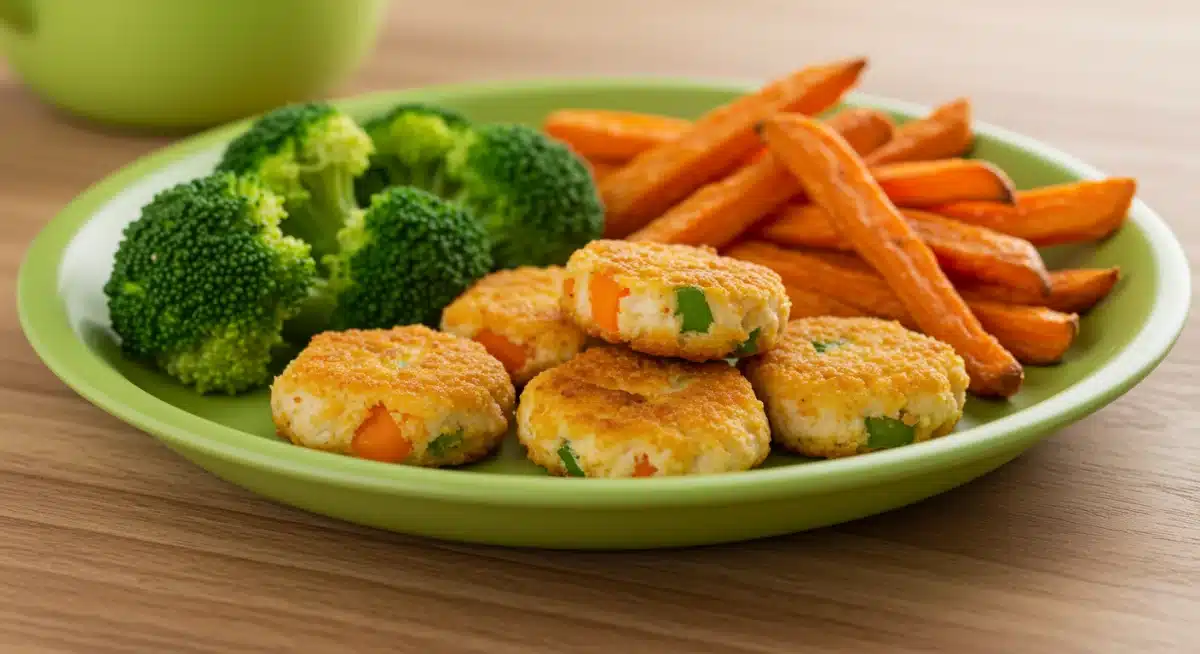
Forget store-bought nuggets; these homemade versions are packed with flavor and nutrition, and your toddler will love them. They’re perfect for dipping and can be customized with various vegetables. The cheese acts as a binder and adds a delicious, kid-friendly taste.
These nuggets are a great way to use up leftover cooked chicken or even turkey. The process is simple, and the result is a tender, flavorful nugget that’s far superior to processed alternatives. Plus, you control all the ingredients, ensuring no hidden sugars or preservatives.

Making Delicious Nuggets
- Ingredients: 1 cup cooked chicken (shredded), 1/2 cup grated zucchini, 1/4 cup grated carrot, 1/2 cup shredded cheddar cheese, 1 egg, 1/4 cup breadcrumbs.
- Instructions: Combine all ingredients in a bowl. Form into small nugget shapes. Bake at 375°F (190°C) for 15-20 minutes, flipping halfway, until golden brown.
Serve these nuggets with a side of steamed vegetables or sweet potato fries for a complete meal. They are excellent for meal prepping as they reheat well and can be frozen for later use. This recipe is a fantastic alternative for parents looking for healthier toddler-friendly dinners.
The soft texture makes them easy for toddlers to chew, and the cheesy flavor is often a big hit. You can experiment with different types of cheese or add a pinch of mild herbs like parsley for extra flavor without overwhelming sensitive palates.
Recipe 3: Mini Salmon Patties with Sweet Potato
Salmon is a powerhouse of Omega-3 fatty acids, crucial for brain development. These mini salmon patties are a fantastic way to introduce fish to your toddler’s diet. The addition of sweet potato makes them moist, slightly sweet, and appealing to young children.
Many parents hesitate to offer fish to toddlers, but salmon, especially wild-caught, is a safe and highly beneficial option. These patties are easy to make, hold together well, and can be baked or pan-fried. The sweet potato naturally adds a lovely color and texture that toddlers often enjoy.
Nutrient-Rich Fish for Little Ones
- Ingredients: 1 (6 oz) can wild salmon (drained, bones removed), 1/2 cup mashed cooked sweet potato, 1 egg, 1 tbsp whole wheat flour, pinch of dill.
- Preparation: Flake salmon, mix with mashed sweet potato, egg, flour, and dill. Form into small patties. Pan-fry in a little olive oil until golden brown on both sides.
Serve these patties with a squeeze of lemon or a side of yogurt dip. They are soft enough for toddlers to chew easily and provide a great source of protein and healthy fats. This recipe is a smart choice for diversifying your toddler’s diet with healthy seafood.
If your toddler is hesitant with fish, starting with small, well-seasoned patties like these can be a gentle introduction. The mild flavor of salmon combined with the sweetness of the potato makes for a winning combination, making it one of the more unique toddler-friendly dinners.
Recipe 4: Lentil and Vegetable Shepherd’s Pie
A vegetarian twist on a classic, this lentil and vegetable shepherd’s pie is hearty, packed with nutrients, and incredibly comforting. The creamy mashed potato topping hides a rich, savory lentil and veggie base, making it a hit even with those who usually shy away from legumes.
This dish is an excellent source of plant-based protein and fiber, vital for a toddler’s growth and digestive health. It’s also a great way to incorporate a multitude of vegetables, as they can be finely diced and blended into the lentil mixture without being overtly noticeable.
A Wholesome Vegetarian Option
- Base Ingredients: 1 cup cooked green lentils, 1/2 cup mixed diced vegetables (carrots, peas, corn), 1/4 cup tomato paste, vegetable broth.
- Topping: 2 cups mashed potatoes (with a touch of milk and butter).
- Assembly: Sauté vegetables, add lentils, tomato paste, and broth; simmer until thickened. Pour into an oven-safe dish, top with mashed potatoes, and bake at 375°F (190°C) for 20-25 minutes until bubbly and golden.
This shepherd’s pie is a complete meal in itself, offering carbohydrates, protein, and a generous serving of vegetables. It’s also a fantastic make-ahead meal, as leftovers taste even better the next day and can be easily frozen, providing convenient toddler-friendly dinners.
The soft texture of the lentils and mashed potatoes makes it easy for toddlers to eat, and the savory flavor profile is generally well-received. You can adjust the seasonings to your toddler’s preference, keeping it mild for sensitive palates or adding a hint of herbs.
Recipe 5: Quick and Easy Black Bean Burgers
These homemade black bean burgers are a fantastic plant-based protein option that can be served on a bun, crumbled over rice, or even as patties for dipping. They are quick to prepare, nutritious, and offer a different texture and flavor profile for adventurous eaters.
Black beans are rich in fiber and protein, making these burgers a filling and healthy alternative to meat. This recipe is also highly customizable; you can add different spices or vegetables to tailor it to your toddler’s preferences. It’s a great way to introduce legumes into their diet in a fun format.
Plant-Based Power for Toddlers
- Ingredients: 1 can black beans (rinsed and mashed), 1/4 cup cooked quinoa or breadcrumbs, 1/4 cup finely diced bell pepper, 1 tbsp tomato paste, pinch of cumin.
- Method: Combine all ingredients and form into small patties. Pan-fry in a little oil until crispy on both sides.
Serve these black bean burgers with a side of avocado slices or a small salad for a balanced meal. They are soft inside with a slightly crispy exterior, making them appealing to toddlers. These burgers are an excellent addition to your repertoire of toddler-friendly dinners.
If your toddler isn’t keen on buns, you can serve the patties deconstructed with a side of cheese cubes and fruit. This approach allows them to pick and choose, which often encourages more eating. They are also great for little hands to hold and nibble on.
Recipe 6: Creamy Avocado Pasta
This is one of the quickest and easiest toddler-friendly dinners you can whip up, perfect for those busy weeknights. Avocado provides healthy fats and a wonderfully creamy texture, while a hint of lemon and garlic keeps it flavorful and fresh. It’s a vibrant, green dish that’s surprisingly appealing.
Avocado is an excellent source of healthy monounsaturated fats, which are important for a toddler’s development. This recipe uses it as a base for a sauce, creating a rich and satisfying meal without the need for heavy creams or cheeses. It’s also naturally dairy-free, making it suitable for children with dairy sensitivities.
Simple and Healthy Green Pasta
- Ingredients: 1 ripe avocado, 1/4 cup fresh basil, 1 clove garlic, 1 tbsp lemon juice, 2 tbsp olive oil, salt to taste.
- Pasta: Whole wheat spaghetti or rotini.
- Preparation: Blend avocado, basil, garlic, lemon juice, and olive oil until smooth. Toss with cooked pasta.
You can add a handful of peas or finely chopped spinach to the sauce for an extra veggie boost. This dish is usually a hit due to its creamy texture and mild flavor. It’s a refreshing and healthy alternative to traditional tomato-based pasta dishes, making it a versatile option.
The smooth sauce coats the pasta beautifully, making it easy for toddlers to eat. It’s a great way to introduce healthy fats and fresh herbs into their diet. This recipe highlights how simple ingredients can create a surprisingly sophisticated yet kid-approved meal.
Recipe 7: Baked Chicken and Apple Meatballs
Sweet and savory, these baked chicken and apple meatballs are a delightful twist on a classic. The apple adds natural sweetness and moisture, making the meatballs incredibly tender and appealing to toddlers. They are also baked, reducing the need for added oils.
Chicken provides lean protein, and the addition of apple makes these meatballs unique and flavorful. The sweetness of the apple can also help mask the taste of any finely grated vegetables you might choose to incorporate, such as zucchini or carrot, making them even more nutritious.
Sweet and Savory Bites
- Ingredients: 1 lb ground chicken, 1/2 cup grated apple, 1/4 cup breadcrumbs, 1 egg, a pinch of cinnamon.
- Instructions: Mix all ingredients well. Form into small meatballs (about 1 inch in diameter). Bake at 375°F (190°C) for 18-20 minutes, or until cooked through and lightly browned.
Serve these meatballs with a side of roasted sweet potatoes or steamed green beans. They are perfect for little fingers to pick up and are a fantastic source of protein. The combination of chicken and apple is surprisingly delicious and often a favorite among picky eaters.
These meatballs are also excellent for batch cooking and freezing. Having a stash of these ready-to-heat meatballs can be a lifesaver on busy days, ensuring your toddler always has a nutritious and appealing meal option. They truly represent creative and effective toddler-friendly dinners.
| Key Dinner Idea | Brief Description |
|---|---|
| Hidden Veggie Pasta | Pureed vegetables blend seamlessly into a rich pasta sauce with mini meatballs. |
| Cheesy Chicken Nuggets | Homemade, nutritious nuggets packed with chicken, veggies, and cheese. |
| Mini Salmon Patties | Omega-3 rich salmon mixed with sweet potato, perfect for little hands. |
| Lentil Shepherd’s Pie | Hearty vegetarian pie with hidden lentils and vegetables under mashed potato. |
Frequently Asked Questions About Toddler Dinners
Encourage new foods by consistently offering small portions alongside familiar favorites, without pressure. Involve them in meal prep, make food fun with shapes and colors, and model good eating habits by eating together. Remember, it can take many exposures before a new food is accepted.
Common nutrient concerns for picky eaters often include iron, zinc, and certain vitamins like D and B12, especially if they avoid meats, fruits, and vegetables. However, most toddlers get enough nutrients over a week. Focus on offering diverse options and consult a pediatrician if you have persistent concerns.
No, it’s generally not recommended to force a toddler to eat. Forcing can create negative associations with food and lead to power struggles. Instead, offer healthy choices, respect their appetite, and allow them to self-regulate. Focus on creating a positive and pressure-free mealtime environment.
Make vegetables appealing by presenting them in fun ways (e.g., shapes, colorful arrangements), offering dips, and incorporating them into dishes where they’re less noticeable, like pureed into sauces or baked into muffins. Repeated exposure and positive reinforcement also play a crucial role.
Healthy snack options for toddlers include fruit slices, cheese sticks, yogurt, whole-grain crackers with hummus, vegetable sticks, or small portions of the dinner recipes mentioned above. Ensure snacks are nutritious and don’t spoil their appetite for main meals, offering them at scheduled times.
Conclusion
Crafting toddler-friendly dinners that are both nutritious and appealing to picky eaters doesn’t have to be an arduous task. By understanding the psychology behind fussy eating, employing smart mealtime strategies, and incorporating creative recipes like the seven outlined here, parents can transform dinner into a more enjoyable and less stressful experience. Remember, consistency, patience, and a touch of culinary creativity are your greatest allies in nurturing healthy eating habits in your little ones. These recipes provide a solid foundation for ensuring your toddler receives the essential nutrients they need while also expanding their palate one delicious bite at a time.