Gentle Potty Training Methods 2025: Success Rates Compared
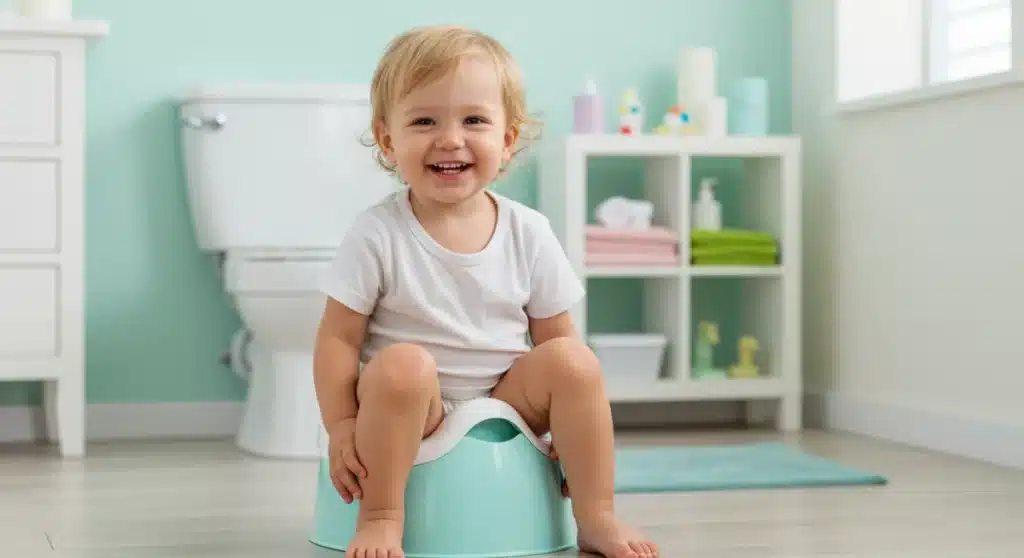
Understanding the landscape of gentle potty training methods in 2025 is crucial for parents seeking effective, child-led approaches, with various techniques showing promising success rates within six months.
Navigating the world of parenting in 2025 brings new insights and refined approaches, especially concerning developmental milestones like potty training. If you’re a parent seeking the most effective and compassionate strategies, understanding the latest gentle potty training methods and their success rates over a typical six-month period is essential. This guide will delve into four prominent gentle methods, offering a comprehensive comparison to help you make an informed decision for your child’s unique journey.
Understanding Gentle Potty Training Principles
Gentle potty training is an approach that prioritizes the child’s readiness, comfort, and emotional well-being over strict schedules or pressure. It recognizes that every child develops at their own pace and that forcing the issue can lead to resistance and setbacks. This philosophy fosters a positive association with using the toilet, turning what can be a stressful period into a natural progression.
The core tenets involve observing your child for readiness cues, introducing the potty in a low-pressure way, and celebrating small successes without making failures a big deal. It’s about patience, positive reinforcement, and allowing the child to feel empowered in their learning process. This contrasts sharply with older, more rigid methods that often involved timed sittings and punitive responses to accidents.
Key Principles of Gentle Potty Training
- Child-Led Readiness: Waiting for physical and cognitive signs of readiness from the child.
- Positive Reinforcement: Focusing on praise and encouragement for efforts, not just successes.
- Patience and Understanding: Recognizing that accidents are part of the learning curve and not a reason for punishment.
- Creating a Positive Environment: Making the potty accessible and appealing, without pressure.
Ultimately, gentle potty training aims to build confidence and independence in the child, ensuring they feel secure and supported throughout this significant developmental phase. This foundation is critical for long-term success and a healthy relationship with their bodily functions.
The “Child-Oriented” Method: Observing and Responding
The “Child-Oriented” method, often credited to T. Berry Brazelton, emphasizes observing a child’s readiness signals and responding supportively. It’s less about a rigid timeline and more about partnership, allowing the child to initiate the process when they are developmentally prepared. This method is particularly popular for its humane approach, reducing anxiety for both parent and child.
Parents are encouraged to look for signs such as staying dry for longer periods, showing interest in the toilet, communicating when they need to go, and demonstrating an ability to pull down their pants. Once these signs are present, the potty is introduced as a new, exciting tool. Success rates for this method over six months generally show a high degree of completion, often with fewer power struggles, as children are intrinsically motivated.
Implementing the Child-Oriented Method
Start by making the potty a familiar object in the bathroom, allowing the child to sit on it fully clothed. Read books about potty training together and talk about it casually. When the child expresses interest or shows a readiness sign, invite them to try the potty. Avoid pushing if they resist.
- Observe Readiness Cues: Watch for physical and cognitive signs like curiosity about the toilet, asking about diapers, or staying dry for extended periods.
- Introduce Potty Playfully: Let the child explore the potty, sit on it, and make it a non-threatening part of the environment.
- Support, Don’t Force: Encourage attempts and celebrate small victories, but never force a child to sit on the potty or shame them for accidents.
This method builds on the child’s natural curiosity and desire for independence, fostering a sense of accomplishment rather than compliance. Its gentle nature contributes to a positive learning experience, leading to sustained success.
“Potty Training in 3 Days”: An Intensive, Gentle Approach
The “Potty Training in 3 Days” method, popularized by various authors, is an intensive, yet gentle approach designed for children who are already showing strong readiness signs. While it sounds fast, its gentleness lies in its focus on immersion and positive reinforcement within a concentrated period, rather than prolonged pressure. It requires significant parental commitment for a short burst of time, often a long weekend.
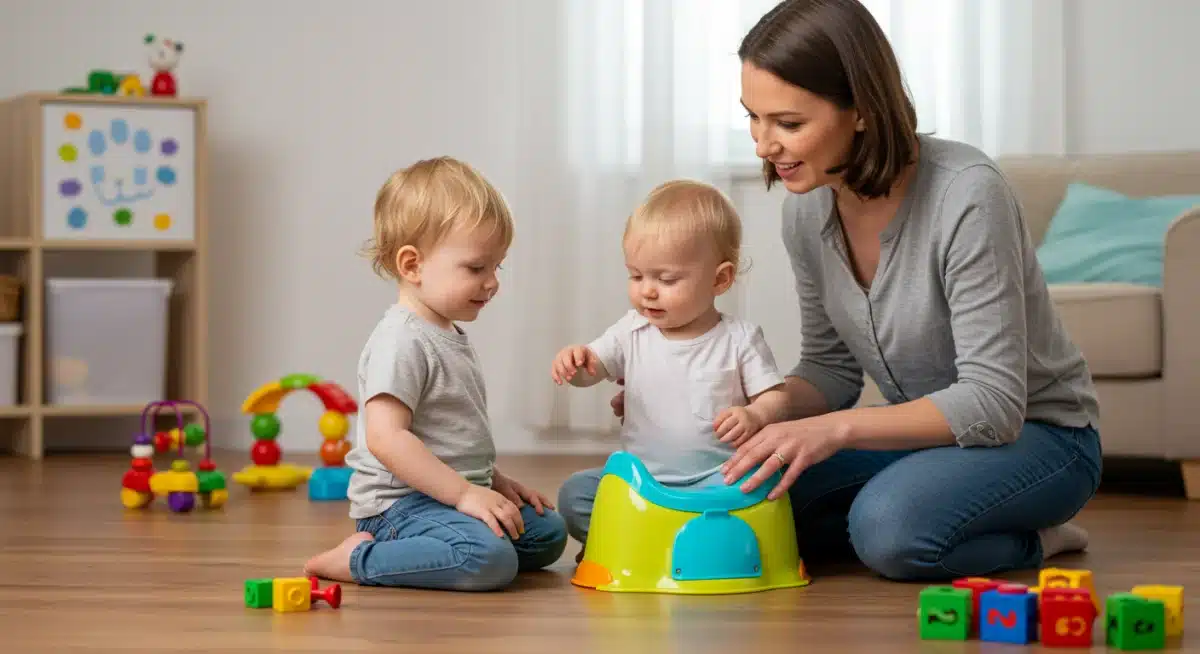
This method involves removing diapers completely, dressing the child in underwear, and dedicating three full days to being highly attentive to their needs. Parents model using the toilet, prompt frequently, and offer immediate praise for any success. The idea is to create a rapid association between the sensation of needing to go and using the potty. When applied to a truly ready child, this method can have surprisingly high success rates within the initial three days, often solidifying within six months as the child gains full control.

Key Elements of the 3-Day Method
- Full Immersion: No diapers for a concentrated period, focusing solely on potty training.
- Constant Supervision and Prompting: Staying hyper-aware of the child’s cues and offering frequent opportunities to use the potty.
- Positive Reinforcement: Lavish praise and small rewards for every successful use of the potty.
While intense, the 3-day method is considered gentle because it avoids shaming or punishment. It’s about focused teaching and positive reinforcement, making it an empowering experience for a child who is truly ready to learn quickly.
The “Elimination Communication” (EC) Approach: Early Start and Intuition
Elimination Communication (EC) is a method that involves responding to a baby’s natural cues for elimination from a very early age, often from birth or a few months old. It’s not about traditional potty training but rather about communication between parent and child regarding their bodily functions. Parents learn to recognize their baby’s signals (grimaces, squirming, specific sounds) and offer them a chance to relieve themselves over a toilet, sink, or potty.
This method requires a high degree of parental attentiveness and intuition. While it may not lead to “potty trained” status in the conventional sense within six months, it significantly reduces diaper reliance and fosters a deep connection between parent and child. Success rates, when defined as reduced diaper usage and increased awareness, are notable. Many EC practitioners find their children are fully independent on the toilet much earlier than those trained with conventional methods, often by 18-24 months.
Practicing Elimination Communication
Start by observing your baby’s elimination patterns and cues. Offer opportunities to go potty during natural transition times, such as upon waking, after feeding, or before naps. Use a consistent cue sound or word to signal going to the bathroom.
- Observe and Learn Cues: Pay close attention to your baby’s signals for needing to urinate or defecate.
- Offer Opportunities Consistently: Hold your baby over a toilet or potty at predictable times, using a specific sound cue.
- Be Patient and Flexible: EC is a journey, not a race. Embrace accidents as learning opportunities and adapt as your baby grows.
EC is less about training and more about facilitating a natural process, fostering early body awareness and reducing environmental impact through fewer diapers. Its gentle nature is rooted in respect for the baby’s inherent abilities.
The “Naked and Nudged” Method: Freedom and Awareness
The “Naked and Nudged” method, sometimes called “diaper-free time,” involves allowing the child to spend significant periods without a diaper, often at home or in a contained outdoor space. The core idea is that without the absorbency of a diaper, children become more aware of their bodily functions and the sensation of needing to go. This heightened awareness can accelerate their understanding of cause and effect related to elimination.
Parents gently nudge or remind the child to use the potty at regular intervals or when cues are observed, but the primary learning tool is the direct experience of being wet. This method is considered gentle because it avoids direct pressure, instead relying on natural consequences and parental support. Success rates for children using this method often show a quicker grasp of the connection between sensation and action, frequently leading to reliable potty use within six months, especially for children who respond well to experiential learning.
Applying the Naked and Nudged Approach
Designate a safe, easy-to-clean area for diaper-free time. Have the potty readily accessible. When a child has an accident, calmly clean it up and, without judgment, remind them that pee/poop goes in the potty. Encourage them to try next time.
- Create Diaper-Free Zones: Allow your child to play without a diaper in a safe, easy-to-clean environment.
- Gentle Reminders: Offer gentle prompts to use the potty at regular intervals or when you notice signs.
- Embrace Accidents as Learning: View accidents as valuable teaching moments, reinforcing the concept without shame.
This method capitalizes on a child’s natural instincts and reduces the barrier of the diaper, making the learning process more intuitive and often faster. Its gentleness comes from allowing the child to connect the dots themselves, with supportive guidance.
Comparing Success Rates and Long-Term Benefits
When comparing the success rates of these gentle potty training methods over a six-month period, it’s crucial to define “success.” For some, it might mean being fully potty trained day and night; for others, it could be significant progress with fewer accidents. Generally, all four methods, when applied consistently and with a genuinely ready child, show high rates of progress and eventual independence within six months to a year.
The “Child-Oriented” and “Naked and Nudged” methods often lead to a more gradual but steady progression, with fewer emotional hurdles. “Potty Training in 3 Days” can be highly effective for very ready children, yielding rapid initial results that consolidate over six months. Elimination Communication, while different in its philosophy, often results in early toilet independence and a strong parent-child bond around bodily functions. The long-term benefits of gentle methods include reduced power struggles, increased child confidence, and a positive association with personal hygiene. These methods prioritize the child’s psychological well-being, which contributes to overall healthy development beyond just potty training.
Factors Influencing Success
- Child’s Readiness: The single most important factor.
- Parental Consistency: Sticking to the chosen method and being patient.
- Positive Environment: A calm, supportive, and understanding home.
- Individual Temperament: Some children respond better to certain approaches.
Ultimately, the “best” method is the one that aligns with your child’s personality and your family’s lifestyle, fostering a supportive and positive experience for this important milestone.
Choosing the Right Gentle Method for Your Family
Selecting the ideal gentle potty training method for your child involves careful consideration of several factors, including your child’s individual temperament, developmental stage, and your family’s lifestyle. There isn’t a one-size-fits-all solution, and what works beautifully for one family might not be the best fit for another. Taking the time to observe your child and understand their unique cues is paramount to making an informed decision that supports their emotional and physical development.
For instance, an extremely independent child might thrive with the “Naked and Nudged” method, where they have more autonomy and learn through direct experience. A child who responds well to clear instruction and immediate positive feedback might excel with the “Potty Training in 3 Days” approach, provided they are already showing strong readiness signals. Conversely, a highly sensitive child might benefit most from the slow, steady pace of the “Child-Oriented” method, minimizing any potential pressure. Families with a desire for early intervention and a close, intuitive connection might find Elimination Communication deeply rewarding. It’s also perfectly acceptable to blend elements from different methods to create a personalized approach, ensuring that your strategy remains flexible and responsive to your child’s evolving needs.
Considerations for Selection
- Child’s Personality: Is your child independent, sensitive, or quick to learn?
- Your Lifestyle: Do you have the time for an intensive weekend, or prefer a gradual approach?
- Readiness Cues: How strong are your child’s signals for needing to use the potty?
- Family Support: Are all caregivers on board with the chosen method?
By thoughtfully assessing these aspects, you can choose a gentle method that not only achieves successful potty training within a reasonable timeframe but also strengthens your bond and builds your child’s confidence in their abilities.
| Method | Key Characteristic |
|---|---|
| Child-Oriented | Focuses on child’s readiness; gradual and low-pressure. |
| Potty Training in 3 Days | Intensive, short-term immersion with strong readiness. |
| Elimination Communication | Early start, responds to infant cues for elimination. |
| Naked and Nudged | Diaper-free time to build body awareness; gentle prompts. |
Frequently Asked Questions About Gentle Potty Training
There isn’t a single ideal age; it largely depends on the child’s readiness cues. Most children show readiness between 18 months and 3 years. Gentle methods emphasize observing these cues rather than adhering to a strict age, ensuring a positive and less stressful experience for the child and parent.
Success varies greatly by child and method. While some intensive methods might show results in days, full independence usually takes several weeks to months. Most gentle approaches aim for significant progress within 3-6 months, with occasional accidents still being normal during this period.
Common readiness signs include staying dry for longer periods, showing interest in the toilet or underwear, communicating about needing to go, being able to pull down pants, and disliking wet or dirty diapers. Emotional readiness, such as a desire for independence, is also crucial.
Absolutely. Many parents successfully combine elements from different gentle methods to create a personalized approach that best suits their child’s needs and their family’s routine. Flexibility and responsiveness to your child’s unique journey are key to successful gentle potty training.
If your child strongly resists, it’s often a sign they’re not yet ready. Take a break for a few weeks or months and reintroduce the concept later. Pushing too hard can create negative associations. Focus on positive reinforcement and make the process fun, never a source of conflict.
Conclusion
Choosing a gentle potty training method in 2025 means prioritizing your child’s comfort and developmental pace. Whether you lean towards the responsive “Child-Oriented” approach, the immersive “Potty Training in 3 Days,” the intuitive “Elimination Communication,” or the awareness-building “Naked and Nudged” method, the core principle remains consistent: foster a positive, supportive environment. By observing readiness cues, offering consistent encouragement, and maintaining flexibility, parents can navigate this milestone with confidence, ensuring a successful and emotionally healthy transition for their little ones.