Early Childhood Education Options 2026: Montessori, Reggio Emilia, & Play-Based
Understanding Early Childhood Education Options in the U.S. (2026): A Comparison of 3 Popular Approaches and Their Impact
Choosing the right early childhood education program for your child is one of the most significant decisions a parent can make. In an ever-evolving educational landscape, understanding the various philosophies and their potential impact on your child’s development is paramount. As we look towards 2026, the demand for high-quality early childhood education continues to grow, with parents seeking environments that foster not just academic readiness, but also social-emotional growth, creativity, and a lifelong love of learning. This comprehensive guide will delve into three of the most popular and influential approaches to early childhood education in the U.S.: Montessori, Reggio Emilia, and Play-Based learning. We will explore their core philosophies, methodologies, benefits, and help you navigate the nuances to decide which path might be best for your precious little one.
The early years, typically from birth through age eight, are a period of rapid brain development and foundational learning. During this critical window, children develop crucial cognitive, social, emotional, and physical skills that will shape their future academic success and overall well-being. Therefore, the environment and pedagogical approach chosen for these years can have a profound and lasting impact. With so many options available, from traditional preschools to specialized programs, it’s easy for parents to feel overwhelmed. Our goal is to demystify these choices, providing a clear and detailed comparison to empower you with the knowledge needed to make an informed decision for your child’s early childhood education journey.
The Montessori Method: Cultivating Independence and Self-Direction
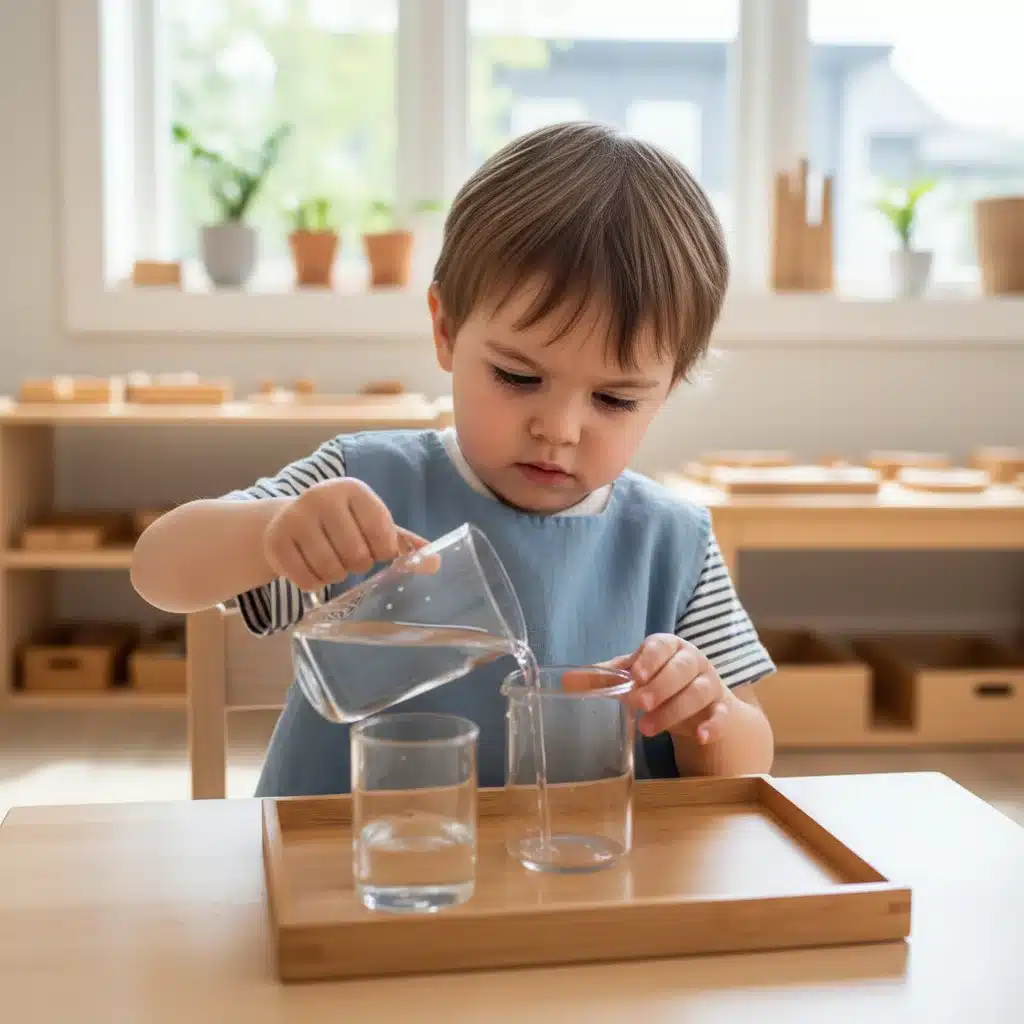
Developed by Dr. Maria Montessori in the early 20th century, the Montessori Method is perhaps one of the most widely recognized and respected approaches to early childhood education globally. Its philosophy is rooted in the belief that children are naturally curious and capable learners, possessing an innate drive to explore and understand the world around them. The Montessori classroom, often referred to as a ‘prepared environment,’ is meticulously designed to facilitate self-directed learning and foster independence.
Core Principles of Montessori Education:
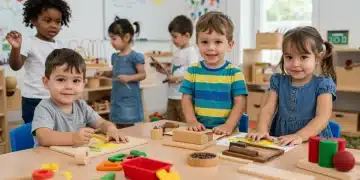
- The Prepared Environment: Every aspect of the classroom – from the furniture to the materials – is thoughtfully arranged to be accessible and engaging for children. Materials are self-correcting, allowing children to learn from their mistakes independently.
- Mixed-Age Classrooms: Typically, children are grouped in three-year age spans (e.g., 3-6 years old). This allows older children to reinforce their learning by teaching younger ones, while younger children are inspired by observing their older peers. It also fosters a sense of community and natural mentorship.
- The Role of the Teacher (Guide): Montessori teachers, or ‘guides,’ act as facilitators rather than traditional instructors. They observe children, introduce new materials, and provide support when needed, but primarily allow children to choose their activities and learn at their own pace.
- Self-Directed Learning: Children are given significant freedom within limits. They choose their work, decide how long to engage with it, and develop concentration and intrinsic motivation. This freedom is balanced with a respect for the community and the environment.
- Hands-On Materials: Montessori education utilizes a specific set of beautifully crafted, didactic materials designed to teach specific concepts through sensory exploration. These materials progress from concrete to abstract, covering areas like practical life, sensorial, language, mathematics, and culture.
Benefits of the Montessori Approach for Early Childhood Education:
Parents often choose Montessori for its emphasis on developing key life skills alongside academics. Children in Montessori programs tend to develop strong problem-solving abilities, a high degree of independence, and a deep sense of self-discipline. The self-correcting materials build confidence and allow children to master concepts at their own speed, reducing competition and fostering a love of learning. Furthermore, the focus on practical life skills helps children become more capable and self-reliant in their daily lives, a significant advantage in their overall early childhood education journey.
The mixed-age environment also promotes social skills, including empathy, respect, and collaboration. Children learn to navigate social dynamics in a more natural setting, observing and interacting with peers of different developmental stages. This holistic approach aims to nurture the whole child, preparing them not just for elementary school, but for life itself. The structure and predictability of a Montessori environment can also be particularly beneficial for children who thrive with routine and clear expectations.
The Reggio Emilia Approach: The Child as Protagonist and the Environment as the Third Teacher
Originating in the Reggio Emilia region of Italy after World War II, this innovative approach to early childhood education was pioneered by Loris Malaguzzi. Unlike Montessori, which has a more standardized curriculum, Reggio Emilia is an educational philosophy rather than a rigid method, making each Reggio-inspired school unique. It is deeply rooted in the belief that children are powerful, competent, and naturally curious individuals with immense potential to learn and create.
Key Principles of Reggio Emilia Education:
- The Child as Protagonist: Children are viewed as active constructors of knowledge, capable of directing their own learning through exploration and discovery. Their ideas and interests drive the curriculum.
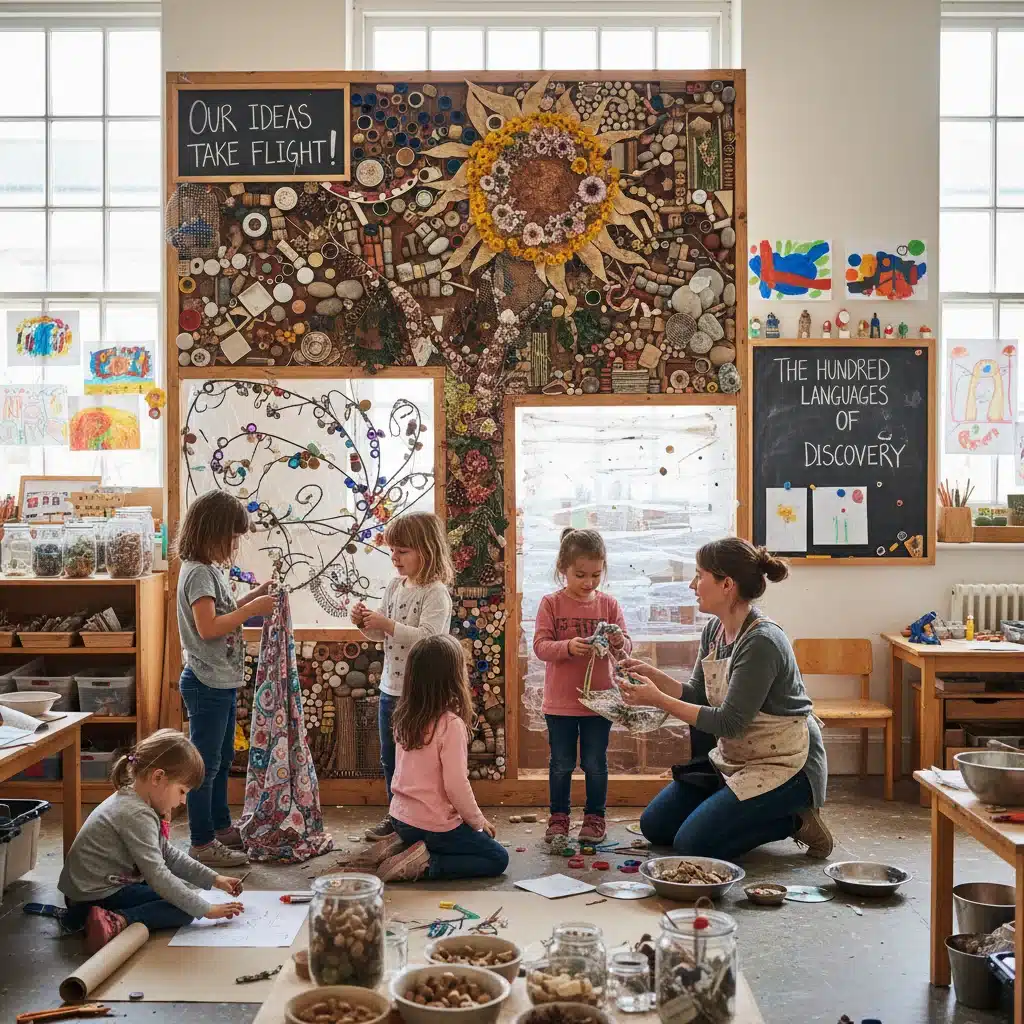
- The Hundred Languages of Children: This central concept recognizes that children express themselves and understand the world in countless ways – through drawing, sculpting, dramatic play, music, movement, writing, and more. All forms of expression are valued and encouraged.
- The Role of the Teacher (Co-Learner/Researcher): Teachers are seen as partners in learning, researchers who observe, listen to, and document children’s work and conversations. They facilitate learning through thoughtful questioning, providing resources, and extending projects.
- The Environment as the Third Teacher: The physical space is intentionally designed to be beautiful, stimulating, and provoke wonder and curiosity. It’s rich in natural materials, light, and open-ended resources, inviting children to explore, create, and interact.
- Documentation: A crucial element, documentation involves collecting children’s work, photographs, transcripts of discussions, and observations. This makes learning visible, allows teachers to reflect, informs parents, and celebrates children’s achievements.
- Collaboration and Community: Learning is a collaborative process involving children, teachers, parents, and the wider community. Parents are considered essential partners in their child’s education.
- Project-Based Learning (Progettazione): Curriculum emerges from children’s interests and is explored through in-depth, long-term projects. These projects allow children to investigate complex topics, develop critical thinking, and collaborate.
Benefits of the Reggio Emilia Approach for Early Childhood Education:
The Reggio Emilia approach fosters exceptional creativity, critical thinking, and problem-solving skills. Children learn to express themselves confidently through multiple mediums and develop a strong sense of self-identity and agency. The emphasis on collaboration helps children develop sophisticated social skills, including negotiation, empathy, and effective communication. Because the curriculum is emergent and driven by children’s interests, they are highly engaged and motivated, leading to deeper learning experiences. The rich, aesthetically pleasing environments stimulate sensory exploration and invite imaginative play, making for a truly dynamic early childhood education experience.
Parents often appreciate the transparency provided by extensive documentation, which allows them to truly understand their child’s learning process and progress. The strong sense of community and the active involvement of parents also create a supportive and enriching educational ecosystem. While less structured than Montessori, Reggio Emilia offers a highly personalized and deeply engaging learning journey that respects each child’s unique voice and potential.
Play-Based Learning: The Power of Exploration and Discovery
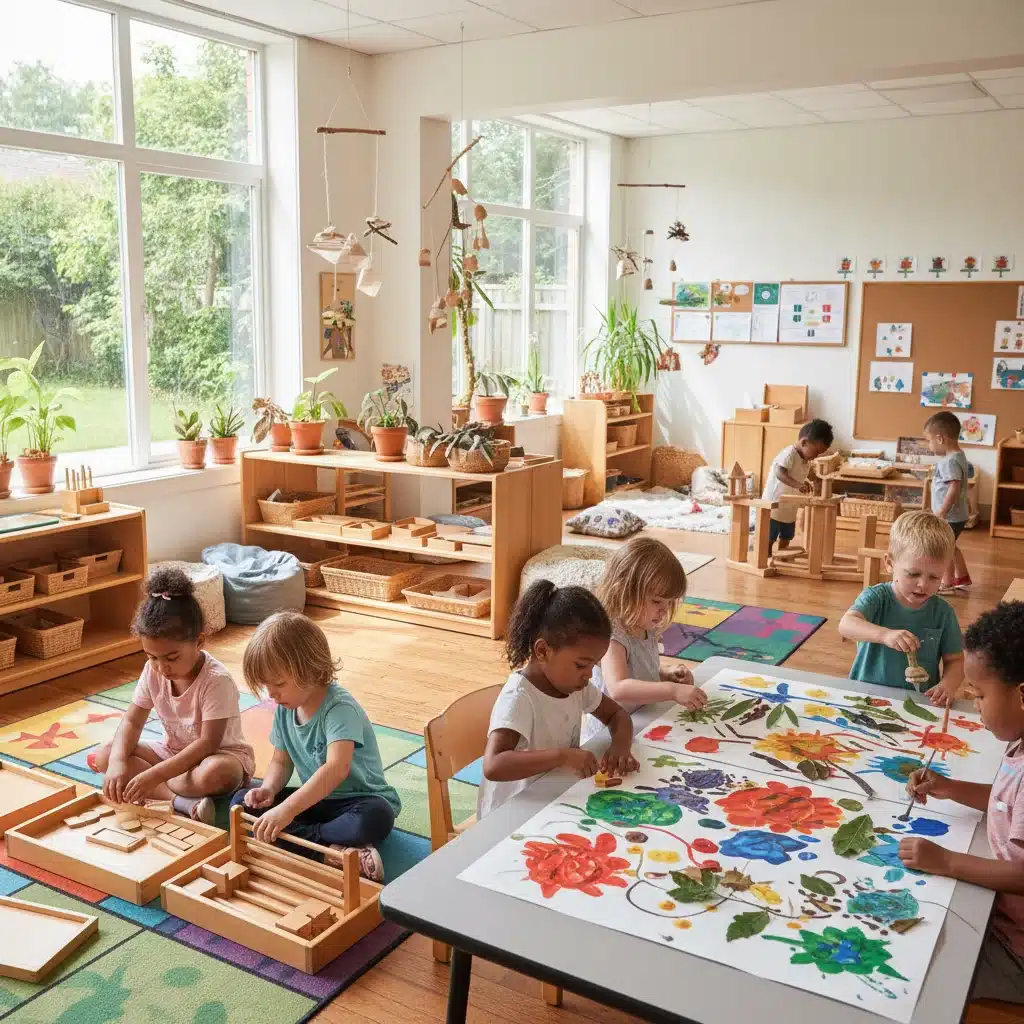
Play-based learning is a widely adopted and highly effective approach to early childhood education that recognizes play as the primary vehicle for learning and development in young children. While often perceived as simply ‘fun,’ play is, in fact, a child’s most natural and powerful way to make sense of the world, develop skills, and express themselves. This approach is foundational to many traditional preschools and kindergarten programs, often integrated with other methodologies.
Core Principles of Play-Based Education:
- Child-Initiated Play: Children are given ample opportunities and freedom to choose their own activities, materials, and play partners. This fosters autonomy, decision-making, and intrinsic motivation.
- Teacher-Supported Play: While child-initiated, teachers are not passive. They strategically observe, interact, and extend play by asking open-ended questions, introducing new materials, or suggesting new ideas to deepen learning. They act as facilitators and guides.
- Integrated Learning: Rather than separating subjects, play-based learning integrates cognitive, social, emotional, and physical development. For example, building a block tower involves math, science, fine motor skills, and social negotiation.
- Process Over Product: The emphasis is on the experience of play, exploration, and discovery, rather than achieving a specific outcome. This encourages risk-taking, experimentation, and resilience.
- Rich Learning Environments: Classrooms are equipped with a variety of open-ended materials such as blocks, art supplies, dramatic play props, sand and water tables, puzzles, and natural elements, inviting children to explore and create.
- Social-Emotional Development: Play is a crucial arena for developing social skills like sharing, turn-taking, cooperation, conflict resolution, and empathy. Emotional regulation is also practiced as children navigate the ups and downs of play.
Benefits of the Play-Based Approach for Early Childhood Education:
Play-based learning is incredibly effective in fostering holistic child development. Children in these programs develop strong social skills, emotional intelligence, and problem-solving abilities. They learn to negotiate, collaborate, and communicate effectively with peers and adults. The freedom to explore and experiment builds creativity, imagination, and critical thinking. Physically, children refine gross and fine motor skills through active play and manipulation of materials. Academically, foundational concepts in literacy, numeracy, and science are naturally integrated into play experiences, making learning meaningful and enjoyable. This natural integration is a hallmark of effective early childhood education.
Perhaps one of the greatest benefits is the cultivation of a positive attitude towards learning. When learning is fun and engaging, children develop a lifelong love of discovery and an intrinsic motivation to explore new ideas. Play-based settings are also highly adaptable, allowing teachers to differentiate instruction and meet the diverse needs of individual learners. For many parents, the balance of structured freedom and joyful exploration offered by a play-based program strikes the perfect chord for their child’s initial educational experiences.
Comparing the Approaches: Montessori vs. Reggio Emilia vs. Play-Based
While each of these approaches offers significant benefits for early childhood education, they differ in their philosophical underpinnings, classroom structures, and the role of the adult. Understanding these differences is key to making an informed choice.
Structure and Curriculum:
- Montessori: Highly structured ‘prepared environment’ with specific, didactic materials and a clear sequence of learning. Curriculum is comprehensive and covers practical life, sensorial, language, math, and culture.
- Reggio Emilia: Emergent curriculum driven by children’s interests, explored through long-term projects. Less formal structure, with a focus on open-ended materials and ‘the hundred languages.’
- Play-Based: Varies. Can be more structured (teacher-guided play) or less structured (free play). Curriculum emerges from play but often has learning objectives subtly integrated by the teacher.
Role of the Teacher:
- Montessori: ‘Guide’ who observes, introduces materials, and allows children to work independently. Intervenes minimally.
- Reggio Emilia: ‘Co-learner’ and ‘researcher’ who observes, documents, provokes thought, and facilitates projects. Highly involved but not directive.
- Play-Based: ‘Facilitator’ who sets up the environment, observes, extends play, and sometimes directly teaches through play.
Emphasis:
- Montessori: Independence, concentration, self-discipline, order, practical life skills, academic foundations.
- Reggio Emilia: Creativity, collaboration, critical thinking, expression through multiple mediums, community, social learning.
- Play-Based: Holistic development, social-emotional skills, problem-solving, imagination, intrinsic motivation, joy of learning.
Learning Environment:
- Montessori: Orderly, calm, specific materials, individual work predominant, mixed-age groups.
- Reggio Emilia: Aesthetically rich, open-ended materials, light, natural elements, studios (atelier), group projects, typically same-age or small age ranges.
- Play-Based: Inviting, rich in varied play centers, open-ended materials, opportunities for both individual and group play.
Choosing the Best Early Childhood Education Option for Your Child in 2026
With a clearer understanding of these three prominent approaches to early childhood education, the next step is to consider which might align best with your child’s personality, your family’s values, and your educational goals. There is no single ‘best’ approach; rather, the ideal choice is one that resonates with your child’s unique needs and learning style.
Consider Your Child’s Personality:
- Does your child thrive on routine and independent work? A Montessori environment with its structured freedom and self-correcting materials might be an excellent fit. Children who enjoy focused, individual tasks often excel here.
- Is your child highly creative, social, and expressive? The collaborative, project-based nature of Reggio Emilia, with its emphasis on artistic expression and communal learning, could be very stimulating.
- Is your child curious, active, and learns best through hands-on exploration and social interaction? A play-based program that offers vast opportunities for imaginative play and discovery might be ideal.
Evaluate Your Family’s Values:
- Do you prioritize independence and self-reliance from a young age? Montessori strongly emphasizes these traits.
- Do you value collaboration, community involvement, and artistic expression? Reggio Emilia places a high premium on these aspects.
- Do you believe that childhood is primarily a time for joyful exploration and natural development? Play-based learning aligns perfectly with this philosophy.
Practical Considerations:
- Availability: The prevalence of these programs varies by location. Research what is available in your community for early childhood education.
- Cost: Specialized programs like Montessori and Reggio Emilia can sometimes be more expensive than traditional play-based preschools.
- Teacher Qualifications: Regardless of the philosophy, look for highly qualified, passionate, and experienced educators who understand child development.
- Classroom Environment: Schedule visits to potential schools. Observe the children, interact with the teachers, and pay attention to the overall atmosphere. Does it feel welcoming, stimulating, and safe?
- Parental Involvement: Some programs, particularly Reggio Emilia, encourage significant parental involvement, which might be a factor for your family.
- Transition to Elementary School: Consider how the program prepares children for the next stage of their education. While all good programs prepare children for school, their methods may differ.
The Future of Early Childhood Education in the U.S. (2026 and Beyond)
As we move further into the 21st century, the importance of high-quality early childhood education is becoming increasingly recognized at all levels of society. Research consistently shows that investments in early learning yield significant long-term benefits for individuals and society, including improved academic outcomes, higher earning potential, and reduced crime rates. For 2026 and beyond, we can anticipate several trends influencing the landscape of early childhood education:
- Increased Integration of Technology: While hands-on learning remains paramount, responsible and developmentally appropriate integration of technology will likely grow, offering new tools for exploration and creativity.
- Greater Emphasis on Social-Emotional Learning (SEL): Programs will continue to prioritize SEL skills, recognizing their crucial role in overall well-being and academic success.
- Focus on Diversity, Equity, and Inclusion (DEI): Educational approaches will increasingly strive to be culturally responsive and inclusive, reflecting the diverse backgrounds of children and families.
- Hybrid Models: The lines between different approaches may continue to blur, with many programs adopting elements from Montessori, Reggio Emilia, and play-based philosophies to create unique, blended models.
- Workforce Development and Support: There will be a continued push for better training, compensation, and professional development for early childhood educators, recognizing their vital role.
- Accessibility and Affordability: Efforts to make high-quality early childhood education more accessible and affordable for all families, regardless of socioeconomic status, will remain a critical area of focus for policymakers and advocates.
Conclusion: Investing in Your Child’s Future Through Informed Choices
The decision of where to send your child for their initial educational experiences is deeply personal and multifaceted. Montessori, Reggio Emilia, and Play-Based learning each offer rich, distinct, and highly beneficial pathways for early childhood education. By understanding their core philosophies, examining their benefits, and considering your child’s unique needs and your family’s values, you can confidently navigate the options available in 2026.
Remember that the goal of early childhood education is not just to prepare children for elementary school, but to lay a strong foundation for a lifetime of learning, curiosity, and well-being. Visiting schools, asking questions, and trusting your instincts are invaluable steps in this process. Ultimately, the best program is one where your child feels safe, valued, challenged, and joyful, fostering a love for learning that will empower them throughout their lives.
Making an informed choice in early childhood education is one of the most powerful investments you can make in your child’s future. We hope this comprehensive comparison has equipped you with the insights needed to embark on this exciting journey with confidence and clarity.