Building Resilience in Young Children: A 6-Step Practical Guide for U.S. Parents
Building Resilience in Young Children: A 6-Step Practical Guide for U.S. Parents to Implement by Mid-2026
As U.S. parents, we constantly strive to equip our children with the best possible tools for success and happiness. In an increasingly complex world, one of the most invaluable gifts we can bestow upon our young ones is the ability to build child resilience. Resilience isn’t just about bouncing back from adversity; it’s about developing the emotional strength, adaptability, and coping mechanisms necessary to navigate life’s inevitable ups and downs with confidence and grace. It’s about fostering a spirit that sees challenges not as roadblocks, but as opportunities for growth and learning. This comprehensive guide outlines a practical, 6-step framework designed specifically for U.S. parents to implement by mid-2026, ensuring our children are well-prepared for the future.
The journey to build child resilience is not a sprint, but a marathon, requiring consistent effort, understanding, and a nurturing environment. It begins in the earliest years and continues through adolescence, with each stage presenting unique opportunities to reinforce these crucial life skills. For young children, the foundations of resilience are laid through secure attachments, positive experiences, and guided learning about emotions and problem-solving. By focusing on these core areas, parents can empower their children to face school challenges, social dynamics, and personal disappointments with a robust inner compass.
Why is building resilience so critical right now? The world is evolving at a rapid pace, bringing with it new forms of stress and uncertainty, from academic pressures to social media influences and global events. Children who possess strong resilience are better equipped to handle these pressures, maintain their well-being, and thrive in various environments. They are less likely to succumb to anxiety, depression, or behavioral issues when faced with difficulties. Instead, they learn to adapt, to seek support, and to find constructive solutions. This guide aims to demystify the process of fostering resilience, breaking it down into actionable steps that any U.S. parent can integrate into their daily lives.
Step 1: Foster a Secure and Loving Attachment
The bedrock of all resilience is a secure attachment with primary caregivers. For young children, knowing they have a safe harbor to return to, no matter what challenges they face, provides the emotional security needed to explore the world and take risks. This security is built through consistent responsiveness, warmth, and predictability from parents.
How to Cultivate Secure Attachment:
- Be Present and Responsive: When your child seeks your attention, respond warmly and promptly. This doesn’t mean dropping everything every single time, but making eye contact, acknowledging their presence, and engaging with them. For example, if your toddler points to something, acknowledge it with a smile and a word. If your preschooler tells you about their day, stop what you’re doing for a moment and truly listen.
- Consistent Caregiving: Routines and predictability help young children feel safe and understood. Consistent meal times, bedtimes, and comforting rituals provide a sense of order in their world. This consistency helps them internalize the idea that their needs will be met and that their environment is reliable.
- Emotional Availability: Be attuned to your child’s emotional cues. When they are sad, offer comfort. When they are excited, share in their joy. Let them know that all emotions are acceptable and that you are there to help them process them. This emotional availability tells them they are seen, heard, and valued.
- Physical Affection: Hugs, cuddles, and gentle touches are powerful ways to convey love and security. Physical affection releases oxytocin, a hormone that promotes bonding and reduces stress, further strengthening the attachment bond.
- Play Together: Engage in imaginative play, read books, or simply spend time together doing activities your child enjoys. Play is a child’s natural language, and playing together is a profound way to connect and build positive shared experiences. These moments create a reservoir of positive memories and reinforce the feeling of being loved and understood.
A strong, loving bond acts as a protective shield, allowing children to venture out, knowing they have a safe base to return to. This foundational security is crucial to their ability to build child resilience in the face of future difficulties.
Step 2: Teach Emotional Literacy and Regulation
Before children can manage their emotions, they need to understand them. Emotional literacy is the ability to identify, understand, and express feelings. Teaching young children to name their emotions and providing strategies for managing them are vital steps in building resilience.
Practical Strategies for Emotional Literacy:
- Name the Feelings: Help your child identify what they are feeling. When they are frustrated, say, "It looks like you’re feeling frustrated because your tower fell." When they are happy, say, "You seem very happy playing with your friends." This vocabulary building is essential.
- Validate Emotions: Let your child know that their feelings are valid. Instead of saying, "Don’t be sad," try, "It’s okay to feel sad when you miss your friend." Validation doesn’t mean agreeing with their actions, but acknowledging their internal experience.
- Model Healthy Emotional Expression: Children learn by observing. Show them how you manage your own emotions. If you’re feeling frustrated, you might say, "I’m feeling a bit frustrated right now because I can’t find my keys. I’m going to take a deep breath."
- Introduce Coping Strategies: Teach simple techniques for managing big emotions. This could include deep breathing (e.g., "smell the flower, blow out the candle"), counting to ten, hugging a favorite stuffed animal, or finding a quiet space. Practice these when your child is calm so they can access them when upset.
- Use Stories and Play: Books, puppets, and imaginative play are excellent tools for exploring emotions in a safe context. Discuss characters’ feelings and how they cope. Ask your child, "How do you think the bear felt when his honey was gone? What could he do?"
By learning to understand and manage their emotions, children develop a sense of control over their internal world, which is a key component in their ability to build child resilience. This skill empowers them to navigate social interactions and personal challenges more effectively.
Step 3: Encourage Problem-Solving and Autonomy
Resilient children are often good problem-solvers. They learn to think critically, identify solutions, and take action. Fostering autonomy means giving children opportunities to make choices and experience the natural consequences of those choices in a safe environment.
Ways to Promote Problem-Solving and Autonomy:
- Offer Choices: Even small choices empower children. "Would you like to wear the blue shirt or the red shirt?" "Would you like to play with blocks or read a book first?" This instills a sense of agency.
- Involve Them in Solutions: When a problem arises, instead of immediately fixing it, involve your child. "Your toy broke. What do you think we can do to fix it?" "You’re having trouble reaching that. What are some ideas?" Guide them through brainstorming.
- Allow for "Productive Struggle": It’s tempting to jump in and help, but sometimes letting children grapple with a challenge (within safe limits) allows them to discover solutions independently. This could be figuring out how a puzzle piece fits or stacking blocks without them falling.
- Celebrate Effort, Not Just Outcome: Praise their persistence and effort more than just the successful completion. "I saw how hard you worked on that puzzle!" "You kept trying even when it was difficult." This teaches them that effort is valuable, regardless of immediate success.
- Delegate Age-Appropriate Responsibilities: Giving children chores or tasks around the house, like putting away their toys or helping set the table, teaches them responsibility and contributes to their sense of competence and belonging.
When children feel capable of solving problems and making decisions, they develop self-efficacy – a belief in their own ability to succeed. This belief is fundamental to their capacity to build child resilience and face new obstacles with confidence.

Step 4: Nurture a Positive Self-Concept and Growth Mindset
A positive self-concept and a growth mindset are crucial for resilience. A child with a positive self-concept believes in their own worth and capabilities, while a growth mindset teaches them that abilities can be developed through dedication and hard work, rather than being fixed traits.
Strategies for Building Self-Concept and Growth Mindset:
- Positive Affirmations: Regularly tell your child what you appreciate about them, focusing on their character and efforts. "You are so kind to your sister." "I love how persistent you are when you’re learning something new."
- Focus on Effort and Progress: Instead of saying, "You’re so smart!" try, "You’re working so hard on your drawing, and I can see how much you’ve improved!" This shifts the focus from innate ability to diligent effort, which is controllable.
- Embrace Imperfection: Teach children that making mistakes is a normal and valuable part of learning. Share your own mistakes and how you learned from them. "Oops, I spilled the milk! That sometimes happens, let’s clean it up together." This normalizes errors and reduces fear of failure.
- Highlight Strengths: Help your child identify their unique strengths and talents, whether it’s creativity, kindness, athletic ability, or a knack for building. Provide opportunities for them to use these strengths.
- Encourage "Yet" Thinking: When a child says, "I can’t do it," add "yet." "You can’t do it yet, but with practice, you will!" This subtle linguistic shift reinforces the idea of potential and progress.
Children who believe in themselves and understand that their abilities can grow are better equipped to face challenges without being defeated. This mindset is a cornerstone for their journey to build child resilience effectively.
Step 5: Facilitate Strong Social Connections
Humans are social beings, and strong social connections are a powerful buffer against stress and adversity. For young children, learning to connect with others, form friendships, and understand social cues is integral to their emotional well-being and resilience.
How to Support Social Connections:
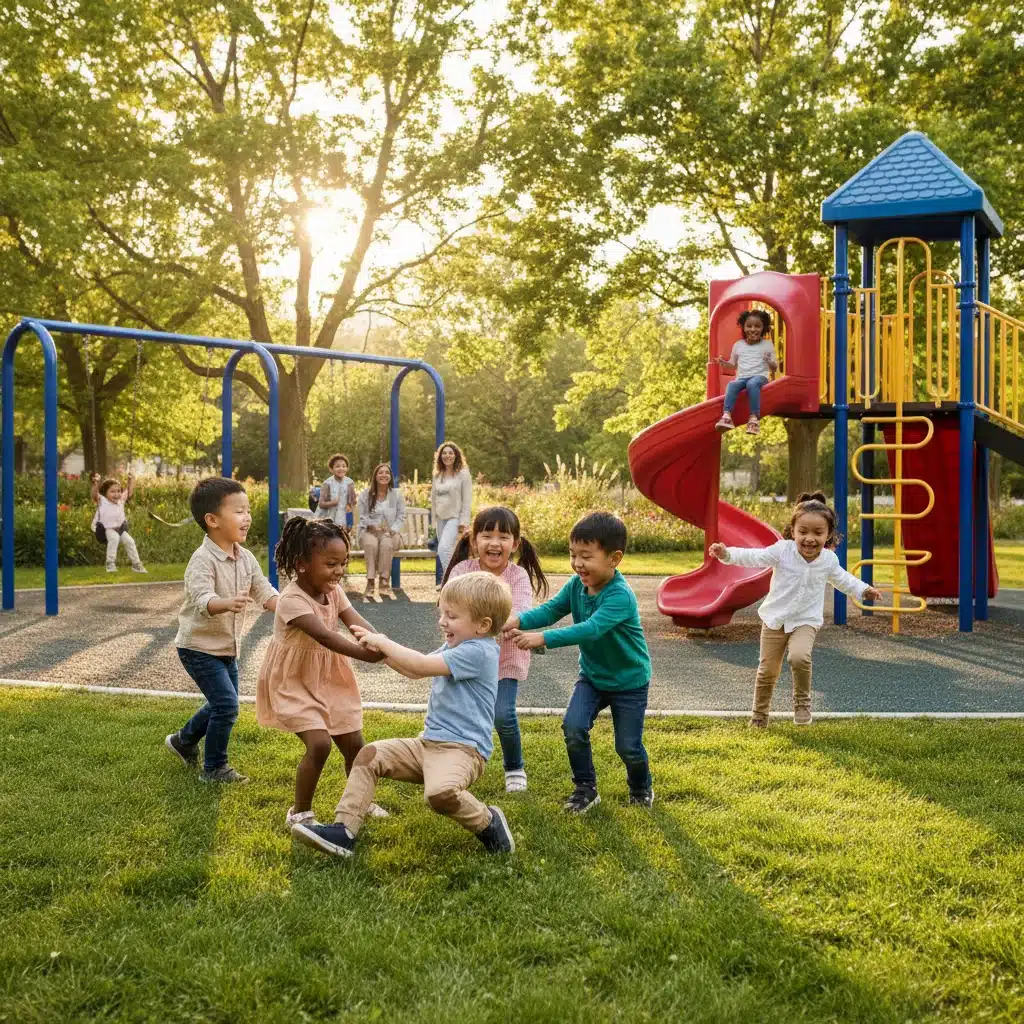
- Provide Opportunities for Social Play: Arrange playdates, enroll them in age-appropriate group activities (like sports, art classes, or story time), or visit playgrounds where interaction is encouraged.
- Teach Social Skills: Directly teach and model essential social skills such as sharing, taking turns, listening, empathy, and conflict resolution. Role-play scenarios can be very effective. "What would you say if your friend wanted to play with your toy?"
- Encourage Empathy: Help your child understand others’ perspectives and feelings. "How do you think your friend felt when you took their toy?" "It looks like Grandma is feeling tired today, maybe we can help her."
- Model Positive Relationships: Your children observe your interactions with family, friends, and strangers. Show them how to communicate respectfully, resolve disagreements constructively, and offer support to others.
- Support Friendship-Building: Talk about friendships, help them navigate disagreements with peers, and celebrate their connections. Understand that conflicts are part of learning and offer guidance, rather than always intervening.
Having a network of supportive relationships gives children a sense of belonging and provides external resources when they face difficulties. These connections reinforce their ability to build child resilience by offering comfort and different perspectives.
Step 6: Teach Adaptability and Realistic Optimism
Life is full of changes and unexpected events. Resilient children are adaptable; they can adjust to new situations and find the positive aspects even in challenging circumstances. Realistic optimism is about seeing the good while acknowledging difficulties, rather than blindly ignoring problems.
Cultivating Adaptability and Optimism:
- Embrace Change: When changes occur (a new routine, a move, a new school year), talk about them openly and frame them as new adventures or opportunities. "It might be a little different, but we’ll discover new things!"
- Practice Flexibility: Sometimes things don’t go as planned. Teach children to roll with it. If a planned outing gets canceled, say, "Oh, that’s a bummer, but now we have time to do X instead!" This models flexible thinking.
- Focus on the Good: Encourage a habit of gratitude and looking for silver linings. At dinner, you might ask, "What was one good thing that happened today?" or "What are you grateful for?"
- Problem-Solving for Negative Events: When something negative happens, acknowledge the feeling, but then shift to problem-solving and finding a constructive path forward. "It’s sad that your playdate was canceled. What can we do to make today fun, even though the playdate isn’t happening?"
- Read Books About Overcoming Challenges: Many children’s books feature characters who face difficulties and adapt. Discuss how these characters changed their plans or perspectives.
By teaching adaptability and fostering a balanced optimistic outlook, parents equip their children with the mental agility to navigate life’s inevitable curveballs. This proactive approach significantly contributes to their ability to build child resilience, ensuring they can face an uncertain future with greater confidence and positivity.

Integrating Resilience-Building into Daily Life by Mid-2026
Implementing these six steps isn’t about adding more tasks to an already busy parental schedule; it’s about integrating these principles into your daily interactions and mindset. By mid-2026, the goal is for these practices to become second nature, creating a consistently supportive and empowering environment for your child.
Practical Integration Tips:
- Start Small: Don’t try to implement all six steps at once. Choose one or two areas to focus on each month and gradually build from there. For instance, begin by consciously naming emotions, then move on to offering more choices.
- Be Patient: Building resilience is a long-term investment. There will be good days and challenging days. Celebrate small victories and don’t get discouraged by setbacks. Remember, children learn through repetition and consistent modeling.
- Self-Care for Parents: You can only pour from a full cup. Prioritizing your own well-being and managing your stress effectively provides a powerful model for your children. Resilient parents tend to raise resilient children.
- Seek Support: Connect with other parents, join parenting groups, or consult with child development experts if you need additional guidance. You don’t have to do this alone. Sharing experiences and strategies can be incredibly beneficial.
- Reflect and Adjust: Periodically reflect on what’s working well and what might need adjustment. Children’s needs evolve, and your approach to building resilience should evolve with them. What works for a toddler might need tweaking for a kindergartner.
The journey to build child resilience is one of the most profound and rewarding aspects of parenting. It equips our children not just to survive, but to thrive in the face of life’s complexities. By consciously applying these practical steps, U.S. parents can empower their young ones with the emotional fortitude and adaptable spirit needed to embrace challenges, learn from experiences, and ultimately lead fulfilling lives. The investment you make today in fostering your child’s resilience will yield dividends for years to come, shaping them into confident, capable, and compassionate individuals ready for whatever the future holds.
Conclusion
The imperative to build child resilience in young children is more pressing than ever. As U.S. parents, we hold the unique power to shape our children’s emotional landscape, providing them with the internal resources to navigate an ever-changing world. This 6-step practical guide—fostering secure attachment, teaching emotional literacy, encouraging problem-solving, nurturing a positive self-concept, facilitating social connections, and teaching adaptability and realistic optimism—offers a clear roadmap. By consistently integrating these strategies into daily family life by mid-2026, we can create a generation of children who are not only capable of overcoming adversity but who also possess the joyful spirit and inner strength to flourish. Remember, every small step you take in fostering resilience is a giant leap towards a brighter, more confident future for your child.
Empowering children to become resilient is not merely about protecting them from hardship, but about preparing them to engage with life fully, with all its challenges and triumphs. It’s about instilling in them the belief that they are capable, loved, and supported, and that they possess the inner tools to face anything. Let’s commit to this vital endeavor, ensuring that our children grow into strong, adaptable, and emotionally intelligent individuals who can contribute positively to their communities and the world at large.