5 Budget-Friendly Dinner Recipes for Families in 2026
Saving 15% on groceries this month is achievable for families in 2026 by embracing smart meal planning and utilizing these five budget-friendly dinner recipes designed for delicious, affordable, and nutritious meals.
Looking for practical ways to stretch your food budget without sacrificing flavor or nutrition? This guide to 5 Budget-Friendly Dinner Recipes for Families in 2026: Save 15% on Groceries This Month offers delicious solutions. We’ll explore innovative approaches to meal planning and cooking that ensure your family eats well, even with rising costs.
The evolving landscape of grocery shopping in 2026
Grocery shopping in 2026 presents unique challenges for families striving to maintain healthy eating habits on a budget. Economic shifts and supply chain dynamics continue to influence food prices, making strategic planning more crucial than ever. Understanding these changes is the first step toward significant savings.
Families are increasingly turning to digital tools and community resources to navigate the complexities of the modern grocery market. Online circulars, price comparison apps, and local food cooperatives have become indispensable resources for identifying the best deals and reducing overall spending.
Leveraging technology for savings
Technology offers powerful avenues for cutting down grocery expenses. From apps that track price fluctuations to digital coupons delivered straight to your phone, these tools empower consumers to make informed decisions before even stepping foot in a store.
- Utilize grocery store apps for personalized deals.
- Compare prices across multiple retailers using dedicated platforms.
- Sign up for email newsletters to receive exclusive discounts.
Adapting your shopping habits to include these technological aids can translate into substantial savings over time. It’s about being proactive rather than reactive to price changes.
Understanding seasonal and local produce
One of the most effective strategies for reducing grocery bills is prioritizing seasonal and local produce. These items are often more affordable due to lower transportation costs and higher availability. Furthermore, they tend to be fresher and more flavorful.
Visiting local farmers’ markets or subscribing to a Community Supported Agriculture (CSA) program can provide access to high-quality ingredients at competitive prices. This approach not only saves money but also supports local economies and promotes sustainable eating.
By understanding the current grocery landscape and employing smart shopping tactics, families can significantly reduce their monthly food expenditures. The key is to be informed, flexible, and willing to explore new avenues for sourcing ingredients.
Mastering meal planning for maximum savings
Effective meal planning is the cornerstone of a budget-friendly kitchen. It goes beyond simply deciding what to cook; it involves a strategic approach to ingredient utilization, waste reduction, and intelligent shopping. A well-executed meal plan can be the difference between exceeding your budget and staying comfortably within it.
The process begins with a thorough inventory of your pantry, refrigerator, and freezer. Knowing what you already have prevents unnecessary purchases and inspires creative ways to use existing ingredients. This foundational step ensures that no food goes to waste.
Creating a weekly meal plan
Developing a weekly meal plan helps streamline your shopping list and reduces impulse buys. Focus on recipes that share common ingredients to maximize efficiency and minimize waste. This synergy between dishes is a hallmark of cost-effective cooking.
- Plan meals around sales and discounted items.
- Incorporate versatile ingredients that can be used in multiple recipes.
- Schedule one or two “leftover nights” to minimize food waste.
Consistency in meal planning reinforces good habits and makes the entire process more manageable over time. It transforms grocery shopping from a chore into a strategic mission.
Batch cooking and freezer meals
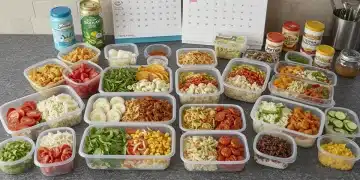
Batch cooking is a powerful technique for saving both time and money. Preparing larger quantities of staple ingredients or entire meals in advance allows for quick dinners on busy weeknights and reduces the reliance on expensive takeout options. Freezing portions ensures longevity and convenience.
Consider dedicating a few hours on a weekend to cook grains, chop vegetables, or prepare a large batch of soup or casserole. These efforts pay dividends throughout the week, making healthy, home-cooked meals more accessible and affordable.
Mastering meal planning is an ongoing process of refinement and adaptation. By embracing inventory management, strategic planning, and batch cooking, families can unlock significant savings and enjoy delicious, homemade meals without breaking the bank.
Recipe 1: hearty lentil soup with crusty bread
Our first budget-friendly dinner recipe is a classic for a reason: hearty lentil soup. This dish is not only incredibly nutritious and satisfying but also remarkably inexpensive to prepare. It leverages pantry staples and minimal fresh ingredients to create a meal that feels both comforting and substantial.
Lentils are an excellent source of protein and fiber, making them a fantastic meat substitute and a cornerstone of economical cooking. Paired with aromatic vegetables and a rich broth, this soup becomes a complete and nourishing meal, especially when served with a side of crusty bread.


Ingredients and cost breakdown
The beauty of lentil soup lies in its simple, affordable ingredient list. Most items can be purchased in bulk, further reducing the per-serving cost. This recipe is designed to feed a family of four generously, with potential for leftovers.
- 1 cup dried brown or green lentils (approx. $0.50)
- 1 large onion, diced (approx. $0.30)
- 2 carrots, diced (approx. $0.20)
- 2 celery stalks, diced (approx. $0.20)
- 4 cups vegetable broth (approx. $1.00)
- 1 (14.5 oz) can diced tomatoes (approx. $0.70)
- Spices (garlic, cumin, thyme): negligible cost
- Crusty bread for serving (approx. $1.50)
Total estimated cost for this meal is around $4.40, making it an incredibly economical option for dinner. The nutritional value, however, is priceless.
Simple preparation steps
Preparing lentil soup is straightforward, even for novice cooks. The process involves sautéing vegetables, adding lentils and liquids, and simmering until everything is tender. This hands-off cooking style allows for multitasking in the kitchen.
Begin by sautéing the diced onion, carrots, and celery in a large pot until softened. Add the garlic and cook for another minute until fragrant. Stir in the dried lentils, vegetable broth, diced tomatoes, and spices. Bring to a boil, then reduce heat and simmer for 30-40 minutes, or until lentils are tender. Season to taste and serve hot with crusty bread.
This hearty lentil soup is a testament to how simple, inexpensive ingredients can come together to create a profoundly satisfying and budget-friendly meal for the entire family. It’s a staple that deserves a regular spot in your meal rotation.
Recipe 2: sheet pan sausage and veggie bake
For busy weeknights when time is of the essence, the sheet pan sausage and veggie bake is an absolute lifesaver. This recipe minimizes cleanup while maximizing flavor and nutritional value. It’s an ideal solution for families seeking convenience without compromising on health or budget.
The beauty of a sheet pan meal lies in its versatility. You can easily adapt the vegetables to whatever is in season or on sale, making it inherently budget-friendly. Chicken or turkey sausage provides a lean protein source, and the high heat of the oven caramelizes the vegetables, enhancing their natural sweetness.
Customizing your bake for savings
The adaptability of this recipe allows for significant cost savings. Focus on using vegetables that are currently discounted or that you already have on hand. Root vegetables like potatoes, sweet potatoes, and carrots are always great choices, as are sturdy greens like broccoli and Brussels sprouts.
- Utilize frozen vegetables when fresh options are expensive.
- Experiment with different types of sausage based on sales.
- Add a can of chickpeas for extra protein and fiber.
This flexibility ensures that the meal remains economical regardless of fluctuating market prices. It encourages creative use of ingredients and reduces food waste.
Effortless assembly and cooking
The preparation for this sheet pan meal is incredibly simple. All ingredients are tossed with oil and seasonings on a single baking sheet, then roasted to perfection. This hands-off approach makes it perfect for evenings when you want a delicious meal without much fuss.
Preheat your oven to 400°F (200°C). On a large baking sheet, combine sliced chicken or turkey sausage with your chosen chopped vegetables (e.g., bell peppers, zucchini, onions, potatoes). Drizzle with olive oil, sprinkle with your favorite seasonings (garlic powder, paprika, Italian herbs), and toss to coat. Roast for 20-30 minutes, or until vegetables are tender and slightly caramelized, and sausage is cooked through. Serve hot.
The sheet pan sausage and veggie bake proves that healthy, delicious, and budget-friendly dinners don’t have to be complicated. It’s a versatile, minimal-effort meal that delivers maximum satisfaction for the whole family.
Recipe 3: creamy tomato pasta with spinach
Pasta is a perennial family favorite, and this creamy tomato pasta with spinach elevates a simple dish into a rich, satisfying, and incredibly budget-friendly meal. It’s a testament to how pantry staples can be transformed into something truly special with minimal effort and cost.
The creaminess comes from a touch of cream cheese or a dairy-free alternative, blending beautifully with canned tomatoes to create a luscious sauce. Adding fresh spinach boosts the nutritional content, making it a well-rounded meal that appeals to both adults and children.
Affordable ingredients, rich flavor
The core ingredients for this pasta dish are inexpensive and readily available. Canned diced tomatoes form the base of the sauce, providing deep flavor without the cost of fresh, out-of-season tomatoes. Pasta itself is one of the most economical food items, making it a go-to for budget meals.
- Choose store-brand pasta and canned tomatoes for extra savings.
- A small block of cream cheese goes a long way.
- Frozen spinach can be used if fresh is too expensive.
These choices allow you to create a gourmet-tasting meal on a shoestring budget. The rich flavors mask the humble origins of the ingredients.
Quick and easy weeknight preparation
This creamy tomato pasta comes together quickly, making it ideal for busy weeknights. While the pasta cooks, you can prepare the sauce, ensuring dinner is on the table in under 30 minutes. It’s a perfect example of efficient cooking.
Cook your favorite pasta according to package directions. While the pasta cooks, heat a little olive oil in a large skillet. Add minced garlic and cook until fragrant. Stir in a can of diced tomatoes (undrained), Italian seasoning, and a pinch of sugar to balance acidity. Bring to a simmer, then stir in 2-3 ounces of cream cheese until melted and smooth. Finally, add a few handfuls of fresh spinach and cook until wilted. Drain the pasta and add it directly to the sauce, tossing to coat. Serve immediately, perhaps with a sprinkle of Parmesan cheese if desired.
This creamy tomato pasta with spinach is a delicious, comforting, and incredibly economical dinner option. It proves that satisfying family meals don’t require expensive ingredients or elaborate techniques.
Recipe 4: budget-friendly chicken and black bean burritos
Burritos are a fantastic option for a budget-friendly family dinner because they are highly customizable, use inexpensive ingredients, and are incredibly filling. Our budget-friendly chicken and black bean burritos are packed with flavor and nutrition, making them a hit with everyone while keeping costs down.
This recipe cleverly uses cooked chicken (perhaps from a rotisserie chicken or leftover chicken breast) combined with canned black beans, rice, and a few simple seasonings. The components are all affordable, and the assembly is fun, allowing family members to build their own.
Smart ingredient choices for savings
The key to keeping these burritos affordable is selecting cost-effective proteins and fillers. Canned black beans are a nutritional powerhouse and very cheap. Rice is another incredibly economical staple that adds bulk and satisfaction.
- Use leftover chicken or buy a whole chicken to cook and shred for multiple meals.
- Opt for dried black beans and cook them yourself for even greater savings.
- Top with homemade salsa or a simple Greek yogurt crema instead of store-bought.
These ingredient choices ensure that the burritos are packed with flavor and substance without inflating the grocery bill. It’s about smart substitutions and leveraging pantry items.
Easy assembly for family fun
Burrito night is often a fun, interactive meal where everyone can customize their plate. This makes it appealing to picky eaters and ensures everyone gets exactly what they want. The preparation is straightforward, and the cooking time is minimal if you have pre-cooked chicken.
In a large bowl, combine shredded cooked chicken, drained and rinsed black beans, cooked rice, corn (fresh, frozen, or canned), and your favorite taco or fajita seasoning. Mix well. Warm large flour tortillas. To assemble, spoon a generous amount of the chicken and bean mixture onto each tortilla. Add desired toppings such as shredded lettuce, chopped tomatoes, cheese, salsa, or a dollop of sour cream/Greek yogurt. Roll up tightly and enjoy. These burritos can also be made ahead and frozen for future quick meals.
These budget-friendly chicken and black bean burritos are a delicious, versatile, and economical meal that brings the family together. They are perfect for using up leftovers and adapting to whatever ingredients you have on hand.
Recipe 5: savory vegetable frittata with a side salad
Our final budget-friendly dinner recipe is the savory vegetable frittata. This elegant yet simple dish is incredibly versatile, allowing you to use up any leftover vegetables in your fridge, which is a fantastic way to minimize food waste and save money. Eggs are a very affordable protein source, making frittatas an economical choice.
A frittata is essentially an open-faced omelet that’s baked or finished in the oven, creating a puffy, golden-brown top. Served with a simple side salad, it makes for a light, satisfying, and wholesome dinner that feels a bit special without costing a fortune.
Utilizing leftovers and pantry staples
The frittata is the ultimate “clean out the fridge” meal. Any cooked or raw vegetables can be incorporated, from wilted spinach and bell peppers to roasted potatoes and onions. This flexibility means you can tailor the dish to your current inventory, ensuring nothing goes to waste and maximizing your savings.
- Use whatever cheese you have on hand, or omit it entirely for a dairy-free option.
- Add a handful of fresh herbs from your garden or a small pot for extra flavor.
- Consider adding a small amount of leftover cooked pasta or quinoa for added substance.
This approach transforms potential waste into a delicious and nutritious meal, embodying the spirit of budget-conscious cooking.
Simple preparation, impressive results
Making a frittata is surprisingly easy and yields impressive results. It looks sophisticated but requires minimal culinary skill, making it accessible for all home cooks. The process involves a quick sauté on the stovetop followed by a finish in the oven.
Preheat your oven to 375°F (190°C). In an oven-safe, non-stick skillet, sauté your chosen chopped vegetables (e.g., onions, bell peppers, zucchini, mushrooms) until tender. In a separate bowl, whisk 6-8 eggs with a splash of milk or cream, salt, and pepper. Pour the egg mixture over the sautéed vegetables in the skillet. If desired, sprinkle with shredded cheese. Cook on the stovetop for 2-3 minutes until the edges begin to set, then transfer the skillet to the preheated oven. Bake for 15-20 minutes, or until the frittata is puffed and golden brown and the center is set. Let it cool slightly before slicing. Serve with a simple green salad dressed with vinaigrette.
The savory vegetable frittata offers a delightful and budget-friendly dinner solution. It’s a testament to the fact that nutritious, elegant meals can be created with simple ingredients and smart cooking techniques, making it perfect for families looking to save on groceries.
Practical tips for sustained grocery savings
Beyond specific recipes, adopting a mindset of continuous savings is crucial for long-term budget management. It involves more than just finding deals; it’s about smart shopping habits, mindful consumption, and proactive planning. Implementing these tips consistently can lead to significant and sustained reductions in your grocery bill.
The goal is to create a sustainable system that works for your family, adapting to changing needs and market conditions. This holistic approach ensures that saving money on groceries becomes a natural part of your routine rather than an occasional effort.
Shopping smart: lists, bulk, and unit pricing
Always shop with a detailed list and stick to it religiously. This prevents impulse purchases, which are notorious budgetbusters. Furthermore, consider buying certain non-perishable items in bulk when they are on sale, but only if you have adequate storage and will use them before they expire.
- Always compare unit prices, not just the overall price.
- Shop the perimeter of the grocery store first for fresh produce and dairy.
- Avoid shopping when hungry, as this often leads to overspending.
By becoming a more discerning shopper, you empower yourself to make choices that align with your financial goals.
Minimizing food waste at home
Food waste is a hidden drain on many household budgets. From forgotten produce in the back of the fridge to uneaten leftovers, every discarded item represents wasted money. Implementing strategies to minimize waste is as important as saving money at the store.
Regularly check expiration dates, use a “first in, first out” system for pantry items, and creatively repurpose leftovers into new meals. Freezing excess portions or ingredients is another excellent way to extend their life and prevent spoilage. Composting food scraps can also reduce waste and benefit your garden, if you have one.
Sustained grocery savings come from a combination of smart shopping, diligent meal planning, and a commitment to reducing food waste. By integrating these practices into your daily life, your family can enjoy delicious, nutritious meals while keeping more money in your pocket.
| Key Strategy | Benefit |
|---|---|
| Meal Planning | Reduces impulse buys and food waste, streamlines shopping. |
| Seasonal & Local Produce | More affordable, fresher, and supports local economy. |
| Batch Cooking | Saves time and money, provides quick weeknight meals. |
| Utilize Leftovers | Minimizes food waste and creates new meal opportunities. |
Frequently asked questions about budget-friendly family meals
To save 15% on groceries, focus on strict meal planning, buying seasonal produce, utilizing coupons and sales, avoiding impulse purchases, and minimizing food waste. Batch cooking and repurposing leftovers are also highly effective strategies to reach this goal.
Excellent budget-friendly protein sources include dried or canned beans and lentils, eggs, ground turkey or chicken, and store-brand whole chickens. These options offer high nutritional value at a fraction of the cost of premium cuts of meat, making them ideal for family meals.
Absolutely. Eating healthy on a budget is very achievable. Prioritize whole foods like seasonal fruits and vegetables, grains, and legumes. Avoid processed foods, which are often more expensive and less nutritious. Home cooking with fresh, basic ingredients is key.
Start by involving your family in the meal planning process to ensure everyone has input. Create a rotating menu of favorite budget meals. Use a whiteboard or app to display the weekly plan. Batch cook staples and prep ingredients on weekends to simplify weeknight cooking.
Quick, budget-friendly dinners include sheet pan meals, pasta dishes with simple sauces, scrambled eggs with toast, quesadillas, and rice bowls with canned beans and frozen vegetables. These options require minimal prep and cooking time, perfect for hectic evenings.
Embracing a smarter approach to family dining
Navigating the complexities of family meal planning in 2026 doesn’t have to be a source of stress or financial strain. By embracing the strategies and recipes outlined here, families can confidently approach their grocery shopping and cooking with a renewed sense of purpose and economy. These five budget-friendly dinner recipes serve as a starting point, demonstrating that delicious, nutritious, and affordable meals are well within reach. The journey to saving 15% on groceries this month is not just about cutting costs; it’s about fostering creativity in the kitchen, reducing waste, and ultimately, enjoying more quality time around the dinner table without financial worry. Implement these tips, and watch your grocery budget transform while your family enjoys wholesome, satisfying meals.