Budget-Friendly Family Meals: Save 15% on Groceries in 2025

Saving up to 15% on groceries in 2025 is achievable for families through strategic meal planning and smart shopping, making delicious and nutritious budget-friendly family meals a consistent reality.
Preparing budget-friendly family meals doesn’t have to mean sacrificing flavor or nutrition. In fact, with a little planning and creativity, families can significantly reduce their grocery bills, potentially saving up to 15% in 2025, while still enjoying delicious and wholesome food. This guide provides actionable strategies and six carefully crafted meal plans to help you achieve just that.
Understanding Your Grocery Budget and Spending Habits
Before embarking on a journey to save money on groceries, it’s crucial to understand your current spending habits. Many families are surprised to learn how much they actually spend on food each month, often without a clear picture of where that money goes. Taking the time to track your expenses can reveal patterns and identify areas where you can make significant cuts without feeling deprived.
Start by reviewing your bank statements or credit card bills from the past few months. Categorize all food-related expenses, including supermarket trips, dining out, and even impulse purchases from convenience stores. This exercise provides a realistic baseline and highlights potential pitfalls in your spending. Understanding these habits is the first step toward implementing effective budget-friendly family meals.
Tracking Your Food Expenses
Tracking your food expenses doesn’t have to be complicated. Simple methods can be incredibly effective. Whether you use a notebook, a spreadsheet, or a budgeting app, consistency is key to gaining accurate insights into your spending.
- Manual Tracking: Keep a small notebook dedicated to food expenses. Jot down every purchase, no matter how small.
- Digital Spreadsheets: Utilize programs like Excel or Google Sheets to create a detailed expense log. This allows for easy categorization and calculation.
- Budgeting Apps: Many apps, such as Mint or YNAB (You Need A Budget), can link directly to your bank accounts and automatically categorize transactions, simplifying the tracking process.
Once you have a clear picture of your spending, you can set realistic goals for reducing your grocery bill. Aim for a gradual reduction, perhaps 5% initially, and then increase it as you become more adept at managing your food budget and planning budget-friendly family meals. This approach makes the transition smoother and more sustainable in the long run.
Strategic Meal Planning: The Foundation of Savings
Strategic meal planning is arguably the most powerful tool in your arsenal for creating budget-friendly family meals and saving money on groceries. It transforms chaotic daily decisions into a streamlined process that minimizes waste and maximizes value. Without a plan, you’re more susceptible to impulse buys, forgotten ingredients, and expensive last-minute takeout.
Effective meal planning starts with a weekly or bi-weekly overview. Consider your family’s schedule, dietary preferences, and any ingredients you already have on hand. This proactive approach ensures that every grocery trip is purposeful and every meal contributes to your savings goals. The key is to be organized and intentional with your food choices.
Creating Your Weekly Meal Plan
A well-structured meal plan not only saves money but also reduces stress during busy weekdays. Begin by listing all meals for the week, including breakfast, lunch, and dinner. Don’t forget snacks! Incorporating leftovers is a smart way to stretch your budget further.
- Assess Pantry & Fridge: Before shopping, check what ingredients you already have. Build meals around these items to reduce waste.
- Check Sales Flyers: Plan meals based on what’s on sale at your local grocery stores. This can lead to significant savings.
- Theme Nights: Introduce theme nights (e.g., Meatless Monday, Taco Tuesday) to add variety and simplify planning.
Once your meal plan is set, create a detailed grocery list based solely on the ingredients needed for those meals. Stick to this list diligently at the store to avoid impulse purchases. This disciplined approach is fundamental to achieving your savings targets for budget-friendly family meals in 2025.
Smart Shopping Techniques to Maximize Savings
Even with a solid meal plan, your shopping habits can make or break your budget. Smart shopping involves more than just buying what’s on your list; it’s about making informed choices, taking advantage of deals, and avoiding common pitfalls. These techniques, when consistently applied, can significantly contribute to your goal of saving 15% on groceries for budget-friendly family meals.
Being a savvy shopper means being aware of pricing strategies, understanding unit costs, and knowing when to buy in bulk. It also involves being flexible enough to adapt your meal plan slightly if an unexpected great deal arises on a versatile ingredient. This balance between planning and opportunism is crucial for optimal savings.
Essential Shopping Strategies
To truly maximize your savings, consider these practical tips during your next grocery run. Each strategy, no matter how small, adds up over time to substantial savings.
- Shop with a List: This is non-negotiable. A list prevents impulse buys and ensures you only purchase what you need.
- Compare Unit Prices: Look at the price per ounce or pound, not just the total price. Larger packages aren’t always cheaper.
- Buy Store Brands: Generic or store-brand products often offer the same quality as name brands at a fraction of the cost.
- Shop Seasonal Produce: Fruits and vegetables are cheaper and fresher when they are in season.
- Avoid Shopping Hungry: When you’re hungry, you’re more likely to buy unhealthy snacks and additional items you don’t need.
Furthermore, consider shopping at different stores for different items. Some stores might have better deals on produce, while others excel in pantry staples. While this requires a bit more time, the savings can be considerable. Combining these smart shopping techniques with your meal plans will make budget-friendly family meals a consistent reality.
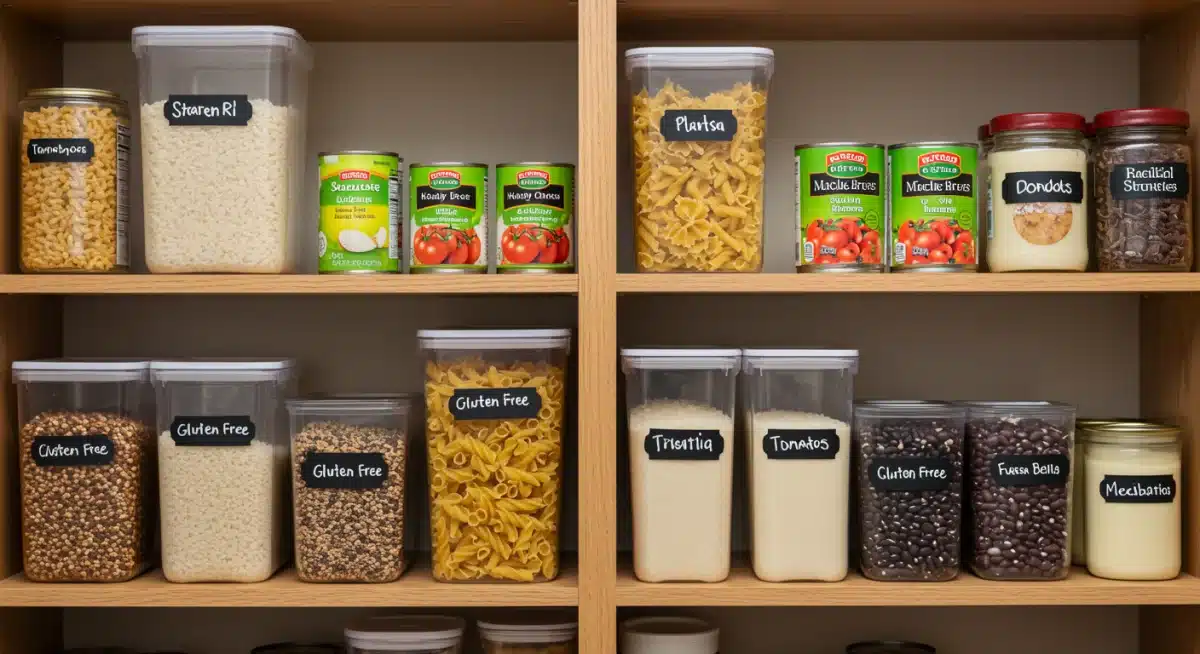
Meal Plan 1: Pantry Staples & Frozen Favorites
This meal plan focuses on utilizing affordable pantry staples and versatile frozen ingredients, which often provide excellent value and a longer shelf life. By building meals around items like rice, pasta, beans, frozen vegetables, and cheaper cuts of meat, families can create satisfying and nutritious dishes without breaking the bank. This approach is ideal for busy weeks when time is short but savings are still a priority for budget-friendly family meals.
The beauty of this plan lies in its flexibility and reliance on ingredients that can be stored for extended periods. This reduces the frequency of grocery trips and minimizes food waste, two key factors in maximizing your savings. It’s about smart resource management in your kitchen.
Sample Meals for the Week
Here’s an example of how you can structure a week using pantry and frozen items:
- Monday: Lentil Soup with crusty bread (using dried lentils, canned tomatoes, frozen mixed vegetables).
- Tuesday: Chicken and Rice Stir-fry (using frozen chicken breast, frozen stir-fry vegetable mix, rice).
- Wednesday: Pasta with Marinara and Ground Turkey (using dried pasta, canned crushed tomatoes, frozen ground turkey).
- Thursday: Bean and Cheese Burritos (using canned black beans, tortillas, cheese, salsa).
- Friday: Fish Sticks and Roasted Potatoes/Frozen Veggies (a quick and easy option).
- Saturday: Leftovers or homemade pizza with a pre-made crust.
- Sunday: Slow Cooker Pot Roast (using a cheaper cut of beef, potatoes, carrots, onions).
This plan demonstrates how simple, readily available ingredients can be transformed into diverse and appealing budget-friendly family meals. By focusing on these staples, you can significantly cut down on your grocery bill while ensuring your family eats well.
Meal Plan 2: Batch Cooking and Leftover Reinvention
Batch cooking is a game-changer for families looking to save time and money. This strategy involves preparing large quantities of a few core ingredients or entire meals at once, then portioning them out for future consumption. Not only does it reduce cooking frequency, but it also ensures you always have healthy, budget-friendly family meals ready to go, preventing expensive last-minute food purchases.
The art of leftover reinvention takes batch cooking a step further. Instead of eating the exact same meal multiple times, you transform components of a larger dish into something new and exciting. This keeps mealtime interesting and prevents food fatigue, making your savings efforts more sustainable and enjoyable.
Batch Cooking & Reinvention Ideas
Consider these ideas for efficient batch cooking and creative leftover transformations:
- Roast a Whole Chicken: Enjoy roast chicken for dinner, then use the leftover meat for chicken salad sandwiches, quesadillas, or a chicken noodle soup.
- Cook a Large Pot of Grains: Prepare a big batch of rice, quinoa, or farro. Use it as a side, in stir-fries, or as the base for grain bowls throughout the week.
- Prepare a Big Batch of Chili or Stew: Serve it as is, then use leftovers as a topping for baked potatoes, hot dogs, or even a hearty breakfast scramble.
- Pre-chop Vegetables: Spend an hour chopping vegetables for the week. Store them in airtight containers for quick additions to stir-fries, salads, or omelets.
By embracing batch cooking and the creative use of leftovers, you’ll find that your grocery budget stretches further, and meal preparation becomes a much more efficient process. This approach is key to consistently delivering budget-friendly family meals throughout 2025.
Meal Plan 3: Embracing Meatless Meals and Legumes
Integrating more meatless meals into your weekly rotation is one of the most effective ways to reduce grocery costs. Plant-based proteins, especially legumes like beans and lentils, are significantly cheaper than meat and offer a wealth of nutritional benefits. This plan focuses on delicious and satisfying vegetarian options that will become family favorites while boosting your savings for budget-friendly family meals.
Many families are hesitant to try meatless meals, fearing a lack of flavor or satiety. However, with the right recipes and seasonings, plant-based dishes can be incredibly flavorful and filling. They also introduce a greater variety of nutrients into your family’s diet, contributing to overall health.
Flavorful Meatless Options
Don’t think of meatless meals as restrictive; think of them as an opportunity to explore new flavors and ingredients. Here are some ideas:
- Black Bean Burgers: Homemade black bean burgers are inexpensive, easy to make, and can be frozen for quick meals.
- Lentil Shepherd’s Pie: A hearty and comforting dish, substituting ground meat with lentils and topped with mashed potatoes.
- Chickpea Curry: A flavorful and quick meal using canned chickpeas, coconut milk, and various spices, served with rice.
- Vegetable Lasagna: Layered with ricotta, marinara, and plenty of seasonal vegetables, this is a crowd-pleaser.
- Tofu Scramble: A fantastic, protein-rich breakfast or brunch option that’s much cheaper than eggs.
By incorporating just a few meatless meals each week, you’ll notice a considerable difference in your grocery spending. Legumes are incredibly versatile and can be used in soups, stews, salads, and even baked goods. This shift towards plant-forward cooking is a sustainable way to enjoy budget-friendly family meals year-round.
Meal Plan 4: One-Pot Wonders and Sheet Pan Dinners
For busy parents, the thought of extensive cleanup after dinner can be daunting. This is where one-pot wonders and sheet pan dinners shine. These cooking methods minimize dishes, making post-meal cleanup a breeze, and often rely on simple, affordable ingredients. They are perfect for creating budget-friendly family meals on weeknights when time and energy are in short supply.
The beauty of these meals lies in their simplicity and efficiency. All ingredients cook together, allowing flavors to meld beautifully. This not only saves time but also often results in more flavorful dishes, as ingredients share their essences during the cooking process. It’s a win-win for your wallet and your schedule.
Effortless Meal Ideas
Embrace the ease of one-pot and sheet pan cooking with these delicious and cost-effective ideas:
- One-Pot Pasta with Sausage and Veggies: All ingredients cook together in a single pot, absorbing flavors.
- Sheet Pan Chicken and Roasted Vegetables: Chicken pieces and an assortment of chopped vegetables (broccoli, bell peppers, onions) roasted on one sheet pan.
- One-Pan Lemon Herb Salmon and Asparagus: A healthy and quick meal where everything cooks together.
- Sheet Pan Fajitas: Sliced chicken or beef, bell peppers, and onions tossed with fajita seasoning and roasted until tender.
- Skillet Mac and Cheese with Ham and Peas: A creamy, comforting meal that comes together quickly in one skillet.
These types of meals are not only convenient but also inherently budget-friendly, as they often utilize staple proteins and seasonal vegetables. They streamline your cooking process, allowing you more time to enjoy your budget-friendly family meals and less time on cleanup.
Meal Plan 5: DIY Snacks and Homemade Staples
Pre-packaged snacks and convenience foods can quickly inflate your grocery bill. This meal plan emphasizes making your own snacks and everyday staples from scratch. Not only is it significantly cheaper, but homemade versions are often healthier, free from excessive preservatives and artificial ingredients. This is a powerful strategy for saving money on budget-friendly family meals and overall food costs.
While it might seem like more effort initially, dedicating a small amount of time each week to preparing these items can yield substantial savings and provide healthier options for your family. Think of it as an investment in both your financial well-being and your family’s health.
Homemade Goodness for Less
Consider these items for your DIY repertoire:
- Granola Bars: Much cheaper and customizable than store-bought versions.
- Yogurt Parfaits: Buy large tubs of plain yogurt and add your own fruit and granola.
- Hummus and Veggie Sticks: Homemade hummus is incredibly easy and inexpensive to make.
- Muffins or Scones: Bake a batch on the weekend for quick breakfasts or snacks throughout the week.
- Salad Dressings: Simple vinaigrettes can be made with oil, vinegar, and spices for pennies.
- Bread: Baking your own bread can be incredibly cost-effective and rewarding.
By shifting from store-bought to homemade for these common items, you gain control over ingredients and significantly reduce your grocery spending. This approach fosters a more mindful relationship with food and ensures your budget-friendly family meals extend to every aspect of your family’s diet.
Meal Plan 6: Utilizing Leftovers and Creative Substitutions
Maximizing the use of leftovers and mastering the art of creative substitutions are advanced techniques for achieving significant grocery savings. This meal plan focuses on ensuring no food goes to waste and that you can adapt recipes based on what’s available and affordable. It’s about flexibility and resourcefulness in the kitchen to support budget-friendly family meals.
Often, families throw away perfectly good food because they don’t know how to repurpose leftovers or lack a key ingredient for a recipe. This plan aims to empower you with strategies to avoid food waste, which is a major drain on household budgets. Every scrap saved is money earned.
Waste-Reducing Strategies
Adopt these habits to make the most of every ingredient and minimize waste:
- “Use It Up” Night: Designate one night a week for eating up all the various leftovers in the fridge.
- Soups and Stocks: Use vegetable scraps and meat bones to make flavorful homemade stocks and broths, which can then be used as a base for soups.
- Frittatas and Omelets: Perfect for using up small amounts of leftover cooked vegetables, meats, or cheeses.
- Stale Bread Revamp: Turn stale bread into croutons, breadcrumbs, or French toast.
When it comes to substitutions, don’t be afraid to experiment. If a recipe calls for an expensive ingredient, think about a cheaper alternative that offers a similar flavor or texture. For example, use dried herbs instead of fresh, or substitute a cheaper cut of meat in a slow-cooked dish. This adaptability is crucial for maintaining budget-friendly family meals without compromising on taste or variety.
| Key Strategy | Brief Description |
|---|---|
| Strategic Meal Planning | Plan meals weekly based on pantry stock and sales flyers to avoid impulse buys and waste. |
| Smart Shopping Habits | Shop with a list, compare unit prices, choose store brands, and buy seasonal produce. |
| Batch Cooking & Leftovers | Cook large portions and creatively reinvent leftovers to extend meals and reduce waste. |
| Meatless Meals & DIY Snacks | Incorporate plant-based proteins and make snacks/staples from scratch for significant savings. |
Frequently Asked Questions About Budget-Friendly Family Meals
Begin by tracking your current food expenses for a few weeks to understand spending patterns. Then, commit to weekly meal planning based on what you already have and what’s on sale. This foundation is crucial for making informed choices and reducing waste effectively.
By consistently applying these strategies and meal plans, families can realistically expect to save between 10% to 15% or more on their monthly grocery bills. The exact savings depend on current spending habits and the level of commitment to the budget-friendly practices.
Absolutely! Many budget-friendly ingredients like legumes, seasonal vegetables, and grains are highly nutritious. These meal plans prioritize whole foods and balanced meals, ensuring your family receives essential nutrients without compromising health for savings.
Dedicate a specific time each week to plan, perhaps Sunday afternoon. Use templates, theme nights, and apps to streamline the process. Batch cooking and prepping ingredients in advance can also significantly cut down on daily cooking time, making meal planning more manageable.
Introduce new foods gradually and involve your family in the meal planning and cooking process. Start with familiar flavors in new formats, like black bean burgers instead of traditional beef. Emphasize the deliciousness and health benefits rather than the “meatless” aspect.
Conclusion
Achieving significant savings on groceries in 2025, up to 15%, is entirely within reach for families willing to embrace strategic planning and smart shopping. The six meal plans and associated techniques outlined in this guide provide a robust framework for creating delicious, nutritious, and truly budget-friendly family meals. By understanding your spending, meticulously planning your meals, making informed choices at the grocery store, and minimizing food waste, you can transform your family’s eating habits and financial outlook. These practices not only save money but also foster a greater appreciation for home-cooked food and efficient kitchen management, leading to a more enjoyable and less stressful mealtime experience for everyone.