Spring 2026 Family Garden Projects: 4 Hands-On Activities to Grow Together and Save 5% on Produce
Spring 2026 Family Garden Projects: 4 Hands-On Activities to Grow Together and Save 5% on Produce
As the chill of winter recedes and the days grow longer, spring 2026 beckons with the promise of new beginnings. For families looking to reconnect with nature, learn valuable life skills, and even save a little on their grocery bills, there’s no better time to dive into engaging family garden projects. Gardening together isn’t just about cultivating plants; it’s about cultivating patience, responsibility, and cherished memories. This comprehensive guide will explore four hands-on activities that will not only bring your family closer but also help you enjoy the fruits (and vegetables!) of your labor, potentially saving you 5% or more on fresh produce.
The benefits of involving children in gardening are immense. It transforms abstract concepts like photosynthesis and ecosystems into tangible, exciting experiences. It teaches them where food truly comes from, fostering a greater appreciation for healthy eating and reducing food waste. Moreover, the physical activity and sensory engagement of gardening are excellent for development. And let’s not forget the economic advantage: growing your own produce can significantly reduce your reliance on supermarket shelves, especially for seasonal items, leading to tangible savings. With careful planning and consistent effort, a family garden can become a cornerstone of sustainable living for years to come.
Project 1: The “Rainbow Row” Vegetable Patch – A Feast for the Eyes and Palate
One of the most exciting family garden projects you can undertake is creating a “Rainbow Row” vegetable patch. This project focuses on planting a variety of colorful vegetables in organized rows, making the garden visually appealing and encouraging children to try different foods. Imagine rows of vibrant red radishes, bright orange carrots, deep purple beans, and lush green lettuce – a veritable rainbow of nutrition!
Planning Your Rainbow Row
Before you even dig, involve the whole family in the planning stage. This is a crucial step for any successful family garden projects. Sit down with seed catalogs or browse online to choose vegetables that offer a spectrum of colors. Consider plants that are relatively easy for beginners and have a good success rate in your climate zone. Popular choices include:
- Red: Cherry tomatoes, radishes, red lettuce varieties.
- Orange: Carrots, orange bell peppers.
- Yellow: Yellow squash, yellow bell peppers, corn.
- Green: Bush beans, peas, spinach, kale, zucchini, green lettuce.
- Purple: Purple basil, purple string beans, eggplant.
Discuss with your children what they’d like to grow. Giving them ownership in the decision-making process significantly increases their engagement and excitement. Talk about the growing season for each vegetable and how long it will take to harvest. This introduces them to basic agricultural concepts in a fun, interactive way.
Preparing the Soil – The Foundation of Growth
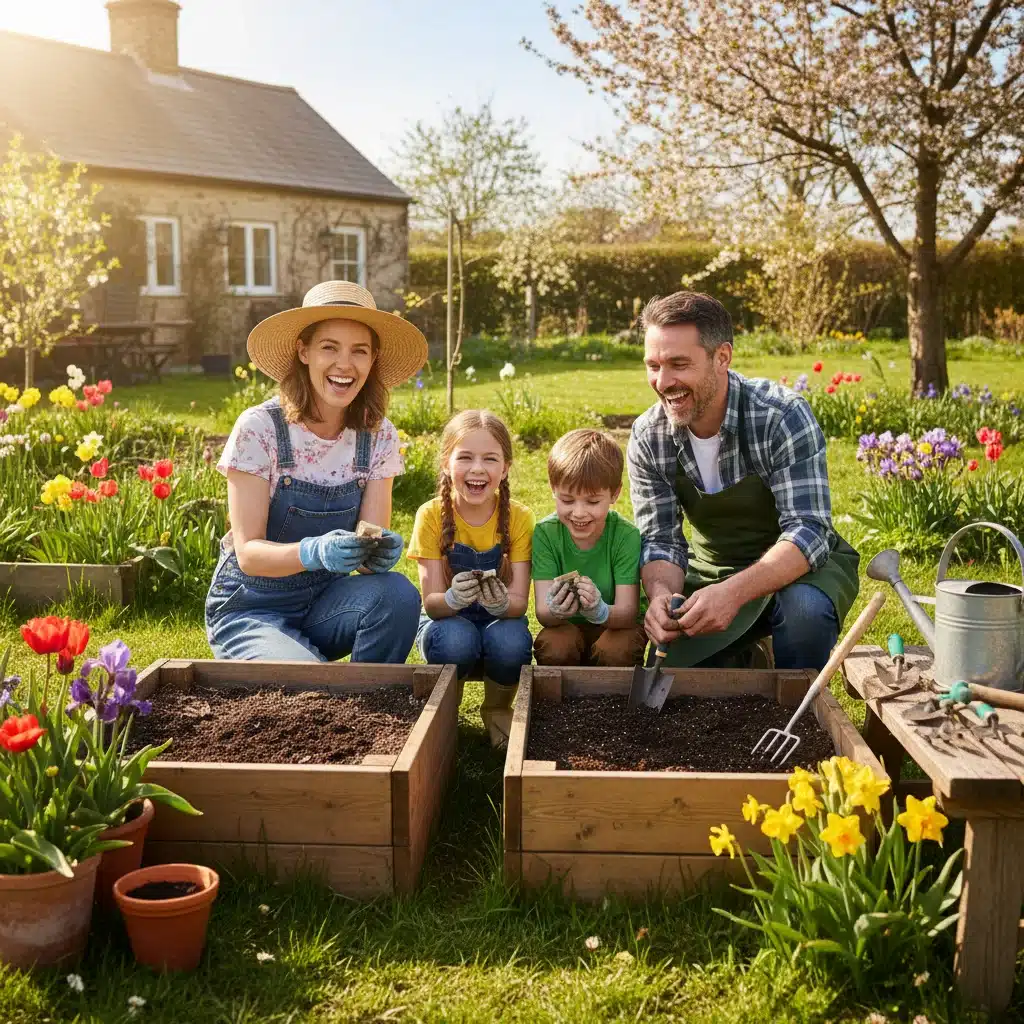
Good soil is the bedrock of any thriving garden. For this family garden project, dedicate a specific area for your Rainbow Row. If you’re using raised beds, fill them with a high-quality organic potting mix. If you’re planting directly into the ground, a soil test can be very beneficial to understand its composition and nutrient levels. Regardless, enriching the soil with compost and other organic matter is essential. Children can help by turning the soil, mixing in compost (wear gloves!), and clearing out any small stones or debris. Explain why healthy soil is important – it’s like the food for the plants!
Planting Day Fun
This is where the magic truly begins! On planting day, give each family member specific tasks. Children can be responsible for digging small holes, placing seeds (following package instructions for depth and spacing), or carefully transplanting seedlings. Make it an educational experience by talking about the different types of seeds and how they transform into plants. Label each row clearly with waterproof markers, perhaps even letting kids draw pictures of the mature vegetables. This helps them track progress and identify what’s growing where.
Nurturing Your Rainbow
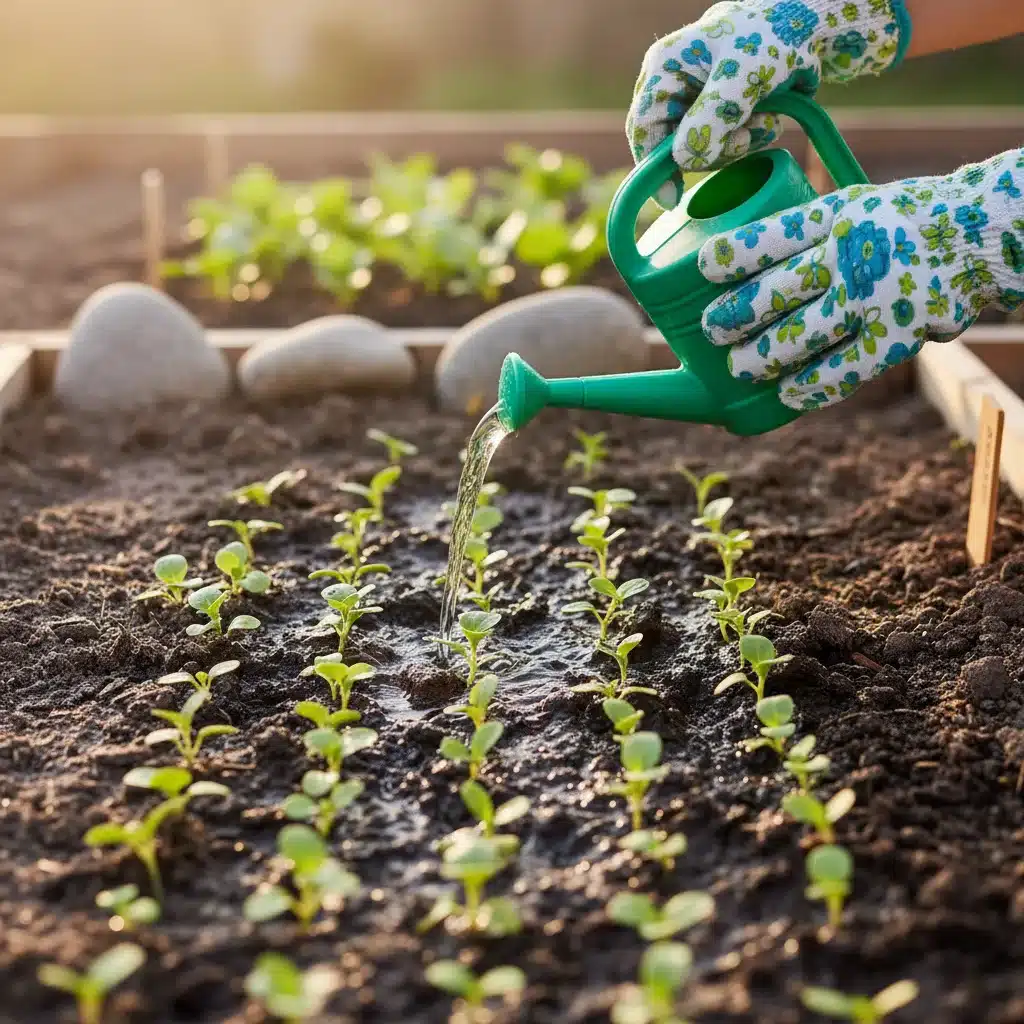
Consistent watering, weeding, and pest monitoring are ongoing tasks that offer continuous learning opportunities. Teach children how to identify weeds versus desired plants. Explain the importance of watering regularly, especially during dry spells, and how to do it efficiently without wasting water. When pests appear, discuss organic pest control methods like hand-picking or introducing beneficial insects. These regular interactions with the garden reinforce responsibility and observation skills, making these family garden projects a true hands-on classroom.
Project 2: The Herb Spiral – Aromatic Adventures and Culinary Creations
An herb spiral is an ingenious and aesthetically pleasing way to grow a variety of herbs in a small space, utilizing vertical gardening principles to create different microclimates. This is a fantastic family garden project for teaching about plant needs, water drainage, and even basic culinary skills. Plus, fresh herbs elevate any meal, making those grocery savings even more noticeable.
Designing and Building Your Spiral
The construction of an herb spiral can be a fun family engineering challenge. You’ll need materials like bricks, stones, or even recycled concrete chunks to build the spiral structure. Start with a wide base and gradually narrow it as you build upwards, creating a conical shape. The highest point will be the driest and sunniest, perfect for Mediterranean herbs like rosemary and thyme, while the base will retain more moisture, ideal for mint or parsley. Involve children in collecting stones (if appropriate and safe), moving smaller bricks, and helping to shape the spiral. This fosters teamwork and problem-solving skills.
Choosing Your Herbs
Once the structure is built, it’s time to choose your aromatic residents. Select a mix of perennial and annual herbs that your family enjoys using in cooking. Explain to your children where each herb likes to grow best on the spiral based on its water and sun requirements. Here are some popular choices for family garden projects involving herbs:
- Top (dry, sunny): Rosemary, Thyme, Oregano, Sage, Lavender.
- Middle (moderate moisture/sun): Basil, Chives, Marjoram, Tarragon.
- Bottom (moist, shadier): Mint (plant in a pot to prevent spreading), Parsley, Cilantro.
Let children smell and touch the different herbs, discussing their unique fragrances and how they are used in food. This sensory experience is highly engaging and educational.
Planting and Harvesting Herbs
Carefully plant the herbs into their designated spots on the spiral. Children can assist with digging small holes and gently settling the plants. Explain that regular harvesting actually encourages herbs to grow bushier and produce more. Teach them how to snip sprigs without harming the plant. This hands-on harvesting is incredibly rewarding and directly connects their gardening efforts to the dinner plate.
Project 3: The Pollinator Paradise – Attracting Beneficial Bugs and Beauty
Beyond growing food, a garden can be a thriving ecosystem. Creating a pollinator paradise is one of the most impactful family garden projects, teaching children about biodiversity, the importance of pollinators, and the interconnectedness of nature. Plus, a garden buzzing with bees and butterflies is a beautiful and calming space for everyone.
Why Pollinators Matter
Start by educating your family on why pollinators are crucial. Explain that many of the fruits and vegetables we eat, including those in your Rainbow Row, rely on bees, butterflies, and other insects to transfer pollen. Without them, our food supply would be severely impacted. This project highlights the ecological responsibility that comes with gardening, making it more than just a hobby.
Choosing Pollinator-Friendly Plants
Research native plants for your region, as these are often the best for local pollinators. Incorporate a variety of flower shapes, sizes, and colors to attract a diverse range of insects. Include plants that bloom at different times throughout the spring, summer, and fall to provide a continuous food source. Excellent choices for family garden projects focused on pollinators include:
- For Bees: Lavender, Bee Balm, Sunflowers, Borage, Clover.
- For Butterflies: Milkweed (essential for Monarchs), Butterfly Bush, Zinnia, Coneflower, Phlox.
- For Hummingbirds: Trumpet Vine, Salvia, Penstemon.
Let your children help pick out the plants at a local nursery, discussing the different insects each plant attracts. This makes plant selection a fun and exploratory activity.
Creating a Pollinator Habitat
Beyond flowers, pollinators need water and shelter. Consider adding a shallow bird bath with stones for bees to drink from safely, or a small “bee hotel” made from hollow stems or drilled wood blocks. Leave a patch of bare soil for ground-nesting bees. These additions turn your garden into a true haven. Involve children in the construction of these elements, teaching them about the different needs of various pollinator species.
Observation and Learning
Once your pollinator paradise is established, spend time observing the visitors. Keep a “pollinator journal” where children can draw the different insects they see, note their colors, and describe their behavior. This encourages keen observation skills and a deeper connection to the natural world. This project offers countless opportunities for informal science education, turning your garden into an outdoor classroom.
Project 4: Composting – Turning Waste into Garden Gold
Composting is arguably one of the most impactful and sustainable family garden projects, teaching children about waste reduction, nutrient cycling, and the incredible power of decomposition. It’s a closed-loop system where kitchen scraps and yard waste are transformed into nutrient-rich soil amendment, reducing landfill waste and enriching your garden naturally.
Understanding the Composting Process
Start by explaining to your family what composting is: it’s nature’s way of recycling. All organic matter eventually breaks down, and composting speeds up this process in a controlled environment. Explain the concept of “greens” (nitrogen-rich, like food scraps) and “browns” (carbon-rich, like dry leaves and cardboard) and why a good balance is important for successful composting. This lays the groundwork for understanding the science behind this crucial garden practice.
Building or Buying a Compost Bin
There are many options for compost bins, from simple wire cages to sophisticated tumblers. For a family project, consider building a simple three-bin system out of pallets, which can be a fun construction activity. Alternatively, a store-bought tumbler can be very accessible for children to turn. Involve them in deciding the best location for the compost bin – somewhere accessible but not too far from the kitchen and garden.
What Can and Cannot Be Composted
This is a critical learning opportunity. Create a clear list or chart for the refrigerator outlining what can go into the compost bin (fruit and vegetable scraps, coffee grounds, eggshells, yard waste, shredded paper) and what cannot (meat, dairy, oily foods, pet waste, diseased plants). Give children the responsibility of collecting kitchen scraps in a designated container. This daily ritual reinforces their role in the composting process and promotes mindful waste management.
Turning and Using Your Compost
Regularly turning the compost pile is essential for aeration, which helps the decomposition process. This can be a fun, albeit sometimes smelly, task for older children. Explain that turning mixes the greens and browns and introduces oxygen. When the compost is dark, crumbly, and smells earthy, it’s ready to be used! Show your family how to spread this “garden gold” around plants in your Rainbow Row or herb spiral. This direct application of their efforts back into the garden completes the cycle, demonstrating the tangible benefits of their composting work and further enhancing the success of your other family garden projects.
Maximizing Your Savings: How Family Garden Projects Can Reduce Produce Costs by 5% and More
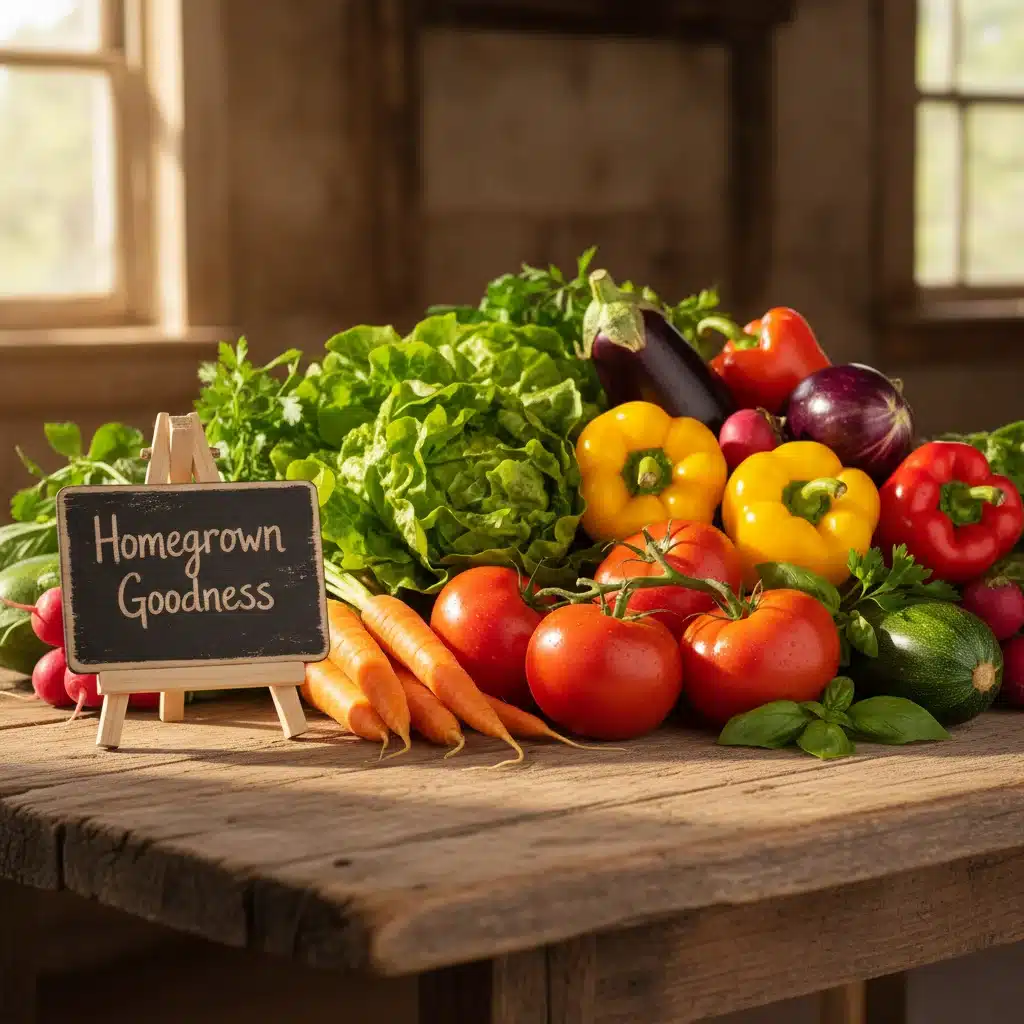
Beyond the joy and education, one of the most compelling reasons to engage in family garden projects is the potential for significant savings on your grocery bill. While an exact 5% saving is a conservative estimate, many families find they save much more, especially if they focus on growing high-cost produce items or those they consume frequently.
Strategic Planting for Savings
To maximize your savings, consider what produce you buy most often and what is expensive at the grocery store. Herbs, for instance, are often pricey in small quantities, making an herb spiral a quick win for savings. Tomatoes, bell peppers, and leafy greens can also add up quickly. By prioritizing these in your Rainbow Row, you can see a noticeable reduction in your weekly or monthly produce expenses. Planning your garden around your family’s consumption habits is key to making these family garden projects economically beneficial.
Preserving Your Harvest
When your garden produces more than you can eat fresh, don’t let it go to waste! Engage your family in preserving the harvest. This can include freezing berries, canning tomatoes, drying herbs, or making pickles. These activities extend the life of your produce, allowing you to enjoy your homegrown bounty throughout the year and further increasing your savings. Learning preservation techniques is another valuable life skill gained through these family garden projects.
Reducing Food Waste
When children are involved in growing food, they are often more likely to eat it. The pride of eating something you helped cultivate is immense. This direct connection to their food can significantly reduce picky eating and overall food waste, contributing to both financial savings and a more sustainable household. The composting project also plays a direct role here, ensuring that any unavoidable food scraps are returned to the earth, not the landfill.
Comparing Costs: Homegrown vs. Store-Bought
Encourage older children to help track the cost of seeds and supplies versus the estimated retail value of the produce you harvest. While initial setup costs exist, over time, the return on investment can be substantial. This practical exercise teaches basic economics and reinforces the value of their gardening efforts. It’s a tangible way to see the 5% (or more!) savings materialize from your family garden projects.
Tips for Successful Family Garden Projects in 2026
Embarking on family garden projects can be incredibly rewarding, but a few key tips can ensure success and keep everyone engaged:
- Start Small: Don’t try to tackle too much at once. Begin with one or two projects that are manageable for your family’s time and energy levels. Success in smaller endeavors builds confidence for larger ones.
- Assign Age-Appropriate Tasks: Toddlers can help water with a small watering can, while older children can research plants, prepare soil, or even design garden layouts. Ensure everyone feels like they have an important role.
- Make it Fun: Incorporate games, stories, and creative expression. Let children decorate plant markers, create a garden scarecrow, or have a “bug hunt” to identify beneficial insects.
- Be Patient and Flexible: Gardening involves working with nature, which can be unpredictable. Not every plant will thrive, and that’s okay. Use challenges as learning opportunities to problem-solve together.
- Celebrate Successes: When the first radish is pulled or the first tomato ripen, make a big deal out of it! Cook a meal together featuring your homegrown produce. This reinforces the positive outcomes of their hard work.
- Educate Continuously: Use gardening as a springboard for discussions about science, nutrition, environmental stewardship, and even history. Every plant has a story, and every bug has a role.
Conclusion: Growing More Than Just Produce
Spring 2026 offers a unique opportunity to connect with your family and the natural world through enriching family garden projects. Whether you’re cultivating a vibrant Rainbow Row, designing an aromatic herb spiral, creating a bustling pollinator paradise, or mastering the art of composting, each activity offers a wealth of learning, growth, and shared experiences. Beyond the tangible benefit of saving 5% or more on fresh produce, these projects sow the seeds of responsibility, patience, curiosity, and environmental awareness in your children.
Imagine the joy of harvesting your own crisp lettuce for a salad, plucking fresh basil for a homemade pizza, or watching a monarch butterfly alight on a flower you planted. These moments are priceless and will form lasting memories. So, gather your family, roll up your sleeves, and embrace the dirt. Your spring 2026 garden awaits, ready to yield not just a bountiful harvest, but a richer, more connected family life.