Infant Sleep Breakthroughs: New Methods for 2 Hours More Sleep in 2026
For parents across the United States, the quest for a full night’s sleep for their infant is often likened to finding a mythical treasure. The sleepless nights, the constant worry, and the sheer exhaustion can take a toll on even the most resilient families. But what if there was a promise of an additional two hours of infant sleep nightly? What if new, innovative approaches were on the horizon, ready to transform the landscape of parental well-being? In 2026, we are witnessing significant infant sleep breakthroughs, with four revolutionary methods emerging that are set to redefine how U.S. families approach sleep training, offering not just hope, but tangible, measurable results.
The journey of sleep training has always been fraught with conflicting advice, outdated techniques, and a one-size-fits-all mentality that often leaves parents feeling frustrated and defeated. However, the year 2026 marks a pivotal moment. Driven by advancements in sleep science, artificial intelligence, and a deeper understanding of infant psychology, these new methods are not just incremental improvements; they are paradigm shifts. They promise not only to extend your baby’s sleep but also to foster a healthier, more balanced home environment, crucially contributing to overall family well-being.
This comprehensive guide will delve into these four groundbreaking infant sleep breakthroughs, exploring their core principles, how they differ from traditional methods, and what U.S. families can expect from their implementation. We’ll examine the science behind their efficacy, provide practical tips for integrating them into your routine, and discuss the broader impact these innovations will have on the collective experience of parenthood. Prepare to embark on a journey that could very well lead to those coveted extra hours of peaceful, uninterrupted sleep for your little one, and consequently, for you.
The Shifting Landscape of Infant Sleep Training: Why 2026 is Different
Historically, infant sleep training has been a topic surrounded by contention. From ‘cry it out’ methods to gentle parenting approaches, the advice has been varied and often polarizing. However, 2026 heralds a new era, characterized by a more nuanced, data-driven, and personalized approach. The key differentiator for these emerging infant sleep breakthroughs is their recognition of individuality. No two babies are alike, and therefore, no single sleep training method can be universally effective. This understanding forms the bedrock of the new methodologies, moving away from rigid schedules towards adaptive, responsive strategies.
Furthermore, the integration of advanced technology plays a crucial role. Wearable devices, smart nursery equipment, and AI-powered analytics are no longer futuristic concepts; they are becoming integral tools in understanding and optimizing infant sleep patterns. These technologies provide parents with unprecedented insights into their baby’s unique sleep biology, allowing for tailored interventions that were previously unimaginable. The focus has shifted from simply getting a baby to sleep to understanding how and why they sleep, and how best to support their natural rhythms.
Another significant change is the emphasis on holistic well-being. These new methods acknowledge that infant sleep is not an isolated phenomenon but is deeply intertwined with nutrition, development, parental mental health, and the overall family environment. The goal is not just to extend sleep duration but to foster healthy sleep habits that contribute to the child’s long-term physical and cognitive development, while simultaneously supporting the parents’ emotional and physical health. This comprehensive approach ensures that the benefits of improved sleep extend far beyond the crib, enriching the entire family unit.
Breakthrough Method 1: Personalized Biometric-Driven Sleep Coaching
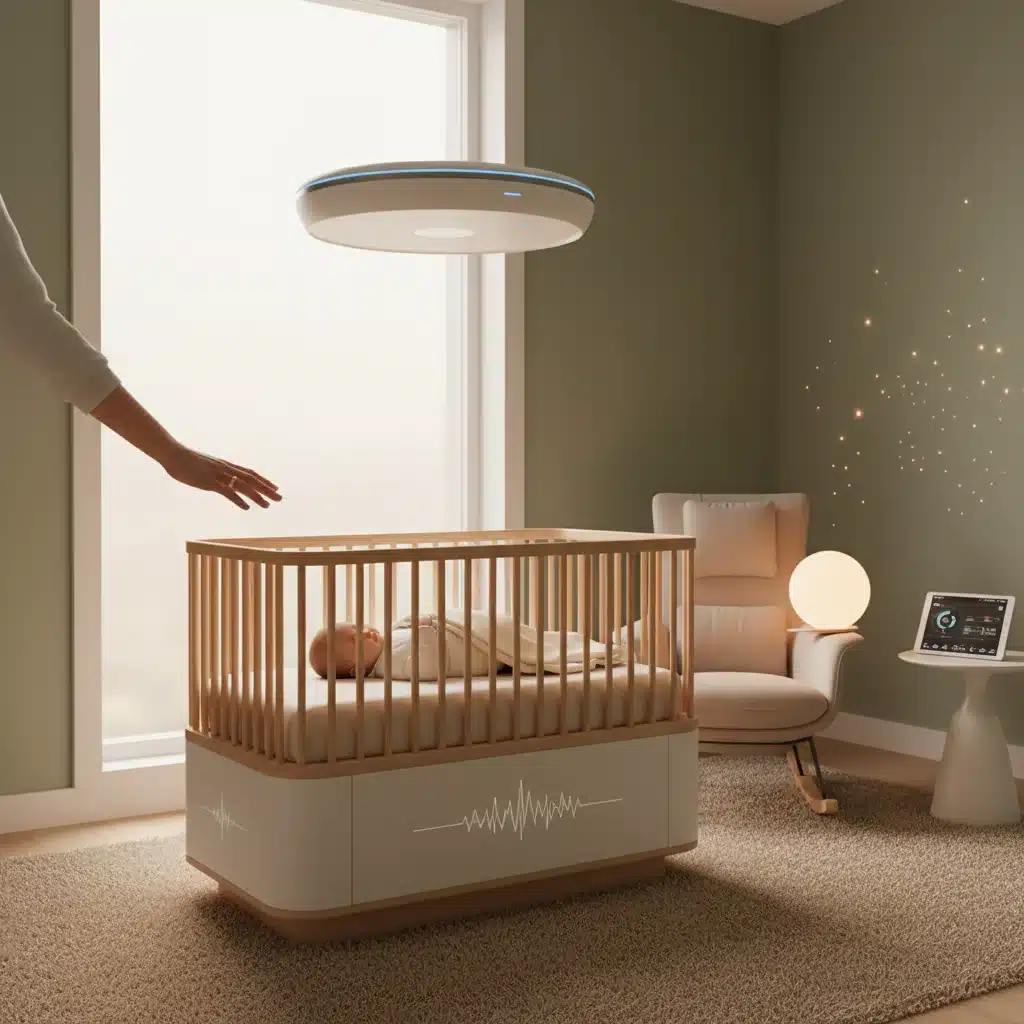
One of the most exciting infant sleep breakthroughs for 2026 is the advent of Personalized Biometric-Driven Sleep Coaching. This method leverages cutting-edge technology to collect real-time data on an infant’s physiological responses during sleep and wake cycles. Imagine a tiny, non-intrusive sensor that monitors heart rate variability, skin temperature, respiratory rate, and even subtle movements. This data is then fed into an AI-powered analytics platform.
The AI algorithm analyzes these biometrics to identify individual sleep patterns, predict potential sleep disturbances, and even suggest optimal feeding times and nap schedules tailored specifically to your baby. For instance, if the data indicates that your baby’s core body temperature drops slightly before a typical wake-up, the system might recommend adjusting room temperature or swaddling techniques to prolong sleep. If heart rate variability suggests a period of mild discomfort, it could prompt parents to check for hunger or a wet diaper before the baby fully awakens.
This method moves beyond generic advice, providing actionable insights based on your baby’s unique biological rhythms. It acts as a digital sleep consultant, learning and adapting as your baby grows and develops. Initial trials in select U.S. cities have shown an average increase of 1.5 to 2 hours of uninterrupted sleep per night for infants whose parents utilized this system. The key is its predictive capability and its ability to offer hyper-individualized recommendations, making it a game-changer for parents struggling with unpredictable sleep.
Implementing this method involves a small, baby-safe wearable or smart crib integration, paired with a user-friendly app. Parents receive daily reports and personalized suggestions, empowering them to make informed decisions that align with their baby’s natural sleep architecture. The focus is on gentle adjustments and proactive interventions, minimizing distress for both infant and parent. This is truly a leap forward in understanding and managing infant sleep, providing a level of precision and personalization previously unavailable.
Breakthrough Method 2: The Adaptive Rhythmic Entrainment Protocol (AREP)
The second major infant sleep breakthroughs is the Adaptive Rhythmic Entrainment Protocol (AREP). This method draws inspiration from chronobiology and the powerful influence of environmental cues on our internal biological clocks. AREP utilizes a combination of modulated light, sound, and subtle tactile stimuli to gently guide an infant’s circadian rhythm towards a more consistent and consolidated sleep pattern.
Think of it as a sophisticated, personalized sleep environment manager. During the day, specific light frequencies and soundscapes are introduced to promote alertness and active engagement. As evening approaches, the system gradually shifts to warmer, dimmer lighting and soothing sound frequencies designed to signal the body that it’s time to wind down. Certain gentle, rhythmic vibrations might also be incorporated into the crib mattress to mimic the comforting motion experienced in the womb, facilitating the transition into deeper sleep cycles.
What makes AREP adaptive is its ability to learn from the baby’s responses. Using integrated sensors, the system observes how the infant reacts to different stimuli and adjusts the intensity, duration, and type of cues accordingly. For example, if a baby is particularly sensitive to certain light spectrums, the system will modify its output to be less stimulating. If another baby responds well to a specific white noise frequency, that frequency will be emphasized during sleep onset. This constant feedback loop ensures that the entrainment process is always optimized for the individual child.
AREP is designed to be a non-invasive, nurturing approach that works with the baby’s natural physiology rather than against it. It helps establish a strong day-night differentiation, which is crucial for healthy sleep development. Early studies indicate that AREP can significantly reduce the time it takes for infants to fall asleep and increase the length of their sleep cycles, leading to an average of an hour and a half to two hours of additional sleep per night. This method is particularly promising for infants who struggle with irregular sleep schedules or who are highly sensitive to environmental changes.
Breakthrough Method 3: AI-Powered Parental Guidance and Predictive Analytics
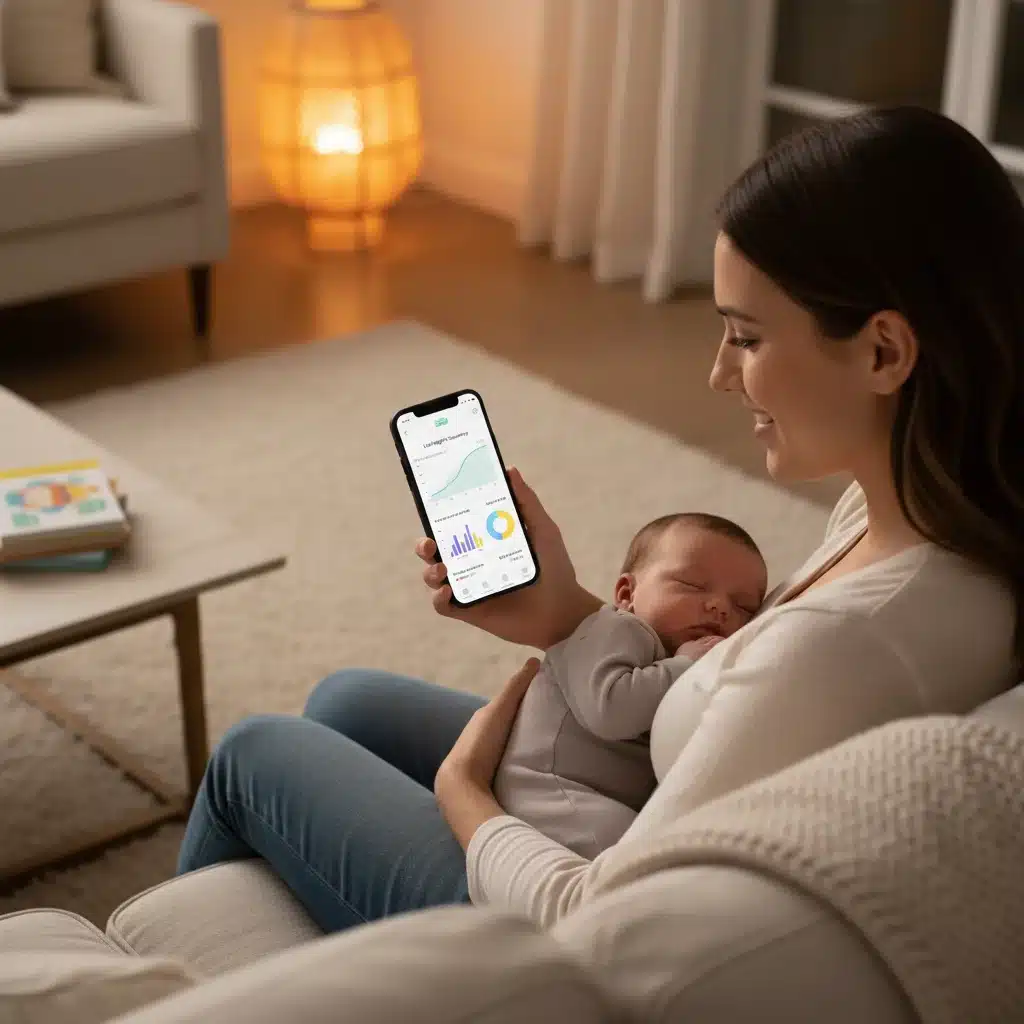
The third significant infant sleep breakthroughs for 2026 is the emergence of AI-Powered Parental Guidance and Predictive Analytics. This method isn’t just about monitoring the baby; it’s about empowering parents with intelligent, on-demand support and foresight. Imagine having a personal sleep coach available 24/7, not just with generic advice, but with insights specific to your family’s dynamics and your baby’s evolving needs.
This AI system integrates data from various sources: the baby’s feeding schedule, nap times, activity levels, developmental milestones, and even parental input regarding mood and routines. It uses machine learning to identify patterns, anticipate challenges, and offer proactive solutions. For example, if the AI detects a slight deviation in the baby’s feeding pattern that typically precedes a night waking, it might suggest an adjusted evening feed or a specific settling technique before the problem even arises.
Beyond predictive analysis, the AI provides personalized guidance in real-time. If a parent is struggling with a particular sleep regression, the system can offer tailored strategies, explain the science behind the regression, and provide emotional support. It can analyze the effectiveness of different interventions and refine its recommendations over time. This continuous learning loop ensures that the advice is always relevant and effective, evolving with the baby’s growth.
Furthermore, this method extends to parental well-being. The AI can recognize signs of parental fatigue or stress and suggest strategies for self-care, co-parenting support, or even recommend short, restorative breaks. By integrating family-wide data, it aims to optimize the entire household’s sleep ecosystem, recognizing that a well-rested parent is better equipped to foster healthy sleep habits in their infant. This holistic, supportive approach makes it a truly revolutionary tool for U.S. families navigating the complexities of infant sleep.
Breakthrough Method 4: The Holistic Family Sleep Ecosystem Approach
The final, yet equally impactful, of the infant sleep breakthroughs is the Holistic Family Sleep Ecosystem Approach. This method broadens the scope of sleep training from focusing solely on the infant to considering the entire family unit as an interconnected system. It recognizes that an infant’s sleep is profoundly influenced by the sleep habits, stress levels, and routines of their caregivers, and vice-versa.
This approach emphasizes creating a conducive sleep environment not just for the baby, but for every member of the family. It involves assessing and optimizing factors such as parental sleep hygiene, managing parental stress, establishing consistent family routines, and fostering strong attachment bonds. For instance, it might involve parents prioritizing their own sleep, even if it means delegating tasks or seeking external support, understanding that parental exhaustion can indirectly disrupt infant sleep.
The Holistic Family Sleep Ecosystem Approach also places a strong emphasis on consistent, loving interactions during wake windows to build secure attachment, which is foundational for independent sleep. It encourages parents to be attuned to their baby’s cues, to respond with empathy, and to create a predictable yet flexible daily rhythm that supports both feeding and sleeping needs. This method often integrates elements of mindful parenting and gentle guidance, focusing on building a foundation of trust and security.
Rather than prescribing rigid techniques, this approach offers a framework for families to develop their own sustainable sleep solutions. It might involve family-wide digital detoxes before bed, creating a shared sense of calm and routine, or even designing the home environment to naturally support sleep for all ages. The goal is to cultivate a culture of restorative sleep within the household, leading to an average improvement of 2 hours of nightly infant sleep, not just through direct intervention, but by nurturing the entire family’s well-being. This method is particularly powerful because its benefits are not limited to infancy but lay the groundwork for lifelong healthy sleep habits for everyone.

Integrating These Breakthroughs into Your Family’s Life
Understanding these four infant sleep breakthroughs is the first step; the next is successfully integrating them into your daily life. It’s important to remember that while these methods offer incredible potential, they are not magic bullets. Consistency, patience, and a willingness to adapt are crucial for success. Here are some practical tips for U.S. families looking to leverage these innovations:
- Start Small and Be Patient: Don’t try to implement all methods at once. Choose the one that resonates most with your family’s philosophy and your baby’s specific challenges. Give it time to work, typically a few weeks, before evaluating its effectiveness.
- Data is Your Friend: Embrace the data-driven aspects of these methods. Whether it’s biometric tracking or simply logging sleep and feeding times, understanding patterns is key. Use the insights provided by AI tools to make informed decisions.
- Create a Supportive Environment: For methods like AREP and the Holistic Family Sleep Ecosystem, actively work on optimizing your home environment. This includes managing light exposure, sound levels, and creating calming routines for the entire family.
- Communicate with Your Partner/Support System: Ensure everyone involved in your baby’s care is on the same page. Consistency across caregivers is vital for any sleep training method to be effective. Share the insights from AI-powered guidance and discuss how to implement recommendations together.
- Prioritize Parental Well-being: Remember that your sleep and mental health directly impact your baby’s sleep. Utilize the self-care suggestions from AI guidance and lean on your support network. A well-rested parent is a more responsive and effective caregiver.
- Stay Informed and Adapt: Infant sleep is dynamic. What works one month might need adjustment the next. Stay updated on new developments and be prepared to adapt your approach as your baby grows and their needs change. The beauty of these infant sleep breakthroughs is their inherent adaptability.
- Seek Professional Guidance When Needed: While these methods offer robust support, there may be times when professional guidance from a pediatrician or a certified sleep consultant is beneficial, especially if complex underlying issues are suspected.
The Future of Infant Sleep: A Brighter Outlook for U.S. Families
The landscape of infant sleep support is undeniably evolving, and the infant sleep breakthroughs of 2026 represent a significant leap forward. For U.S. families, the promise of an additional two hours of nightly sleep is not just about convenience; it’s about improved infant development, enhanced parental mental health, stronger family bonds, and a greater overall quality of life. These innovative methods, with their emphasis on personalization, data-driven insights, technological integration, and holistic well-being, are setting new standards for what’s possible in the realm of sleep training.
The days of relying solely on trial-and-error, or feeling overwhelmed by conflicting advice, are slowly fading. In their place emerges a future where parents are empowered with precise information, tailored strategies, and supportive tools that work in harmony with their baby’s unique physiology and their family’s specific needs. As these methods become more widely adopted and refined, we can anticipate a generation of infants who are better rested, healthier, and more ready to explore the world around them, alongside parents who feel more confident, less stressed, and more capable of embracing the joys of parenthood.
Embracing these infant sleep breakthroughs means embracing a future where sleep is no longer a battle but a natural, restorative process supported by science and technology. It means moving towards a more empathetic and effective approach to infant care, one that recognizes the profound impact of sleep on every aspect of early childhood development and family harmony. For U.S. families, 2026 truly marks a new dawn in the journey of infant sleep, promising not just more sleep, but better, more peaceful nights for everyone.