Baby Development Checklist: 0-12 Months Milestones in 2026

Understanding your baby’s developmental journey from 0 to 12 months is crucial, and this 3-minute checklist for milestones in 2026 provides essential insights for parents to track their infant’s growth.
As new parents, one of the most common questions that often arises is, “Is Your Baby’s Development on Track? A 3-Minute Checklist for Milestones from 0-12 Months in 2026” This question, while natural, can sometimes lead to unnecessary anxiety. This guide aims to provide clarity and reassurance, offering a practical checklist to help you observe and celebrate your baby’s unique journey through their first year.
Understanding Baby Development: The First Year Overview
The first year of a baby’s life is a period of extraordinary growth and change. From a tiny newborn to a curious toddler-in-training, your little one will achieve an incredible array of developmental milestones. These milestones are not fixed deadlines but rather flexible guides that indicate typical patterns of growth.
It’s important to remember that every baby is unique. While developmental charts offer a general timeline, some babies may reach certain milestones earlier, while others may take a little longer. This variation is entirely normal and rarely a cause for concern. The key is to observe your baby’s progress and consult with your pediatrician if you have any persistent worries.
The Importance of Early Observation
Early observation is a powerful tool for parents. By understanding what to look for, you can better appreciate your baby’s development and identify any potential areas where they might need a little extra support or attention. This doesn’t mean constantly comparing your child to others, but rather understanding the general trajectory of infant growth.
- Cognitive Development: How your baby thinks, learns, and solves problems.
- Language Development: How your baby understands and uses language.
- Physical Development: Gross motor skills (large movements) and fine motor skills (small movements).
- Social and Emotional Development: How your baby interacts with others and expresses feelings.
Each of these areas intertwines, contributing to a holistic picture of your baby’s development. Recognizing these different facets allows for a more comprehensive understanding of their progress.
In essence, the first year is a foundation-building period. Your baby is not just growing physically but is also developing the cognitive, social, and emotional tools they will use for the rest of their lives. Being an informed observer can enhance this journey for both you and your child.
0-3 Months: The Newborn’s World of Reflexes and Early Connections
The initial three months of a baby’s life are characterized by rapid adjustments to the world outside the womb. During this period, much of their activity is driven by reflexes, but you’ll also witness the beginnings of intentional movements and social engagement. This foundational stage sets the groundwork for future development, building crucial neural pathways.
Babies at this age are highly dependent but also incredibly receptive to their environment. They are constantly absorbing information through their senses, learning to recognize voices, faces, and patterns. Observing these early interactions can be incredibly rewarding, offering a glimpse into their emerging personality and cognitive abilities.
Key Milestones: Weeks 1-12
In these early weeks, focus on the sensory and reflexive responses that dominate your baby’s behavior. While many actions are involuntary, they are vital indicators of neurological development. As the weeks progress, you’ll start to see more deliberate actions and responses.
- Gross Motor Skills: Lifts head briefly when on tummy, moves arms and legs actively, brings hands to mouth.
- Fine Motor Skills: Grasps finger placed in palm (reflex), watches hands with interest.
- Cognitive Skills: Watches faces intently, follows moving objects with eyes, recognizes familiar voices.
- Social & Emotional Skills: Smiles spontaneously, calms down when picked up, makes eye contact.
- Language Skills: Coos, makes gurgling sounds, turns head towards sounds.
These early milestones are often subtle but signify profound developmental steps. For instance, the ability to lift their head, even briefly, strengthens neck muscles crucial for sitting and crawling later on. The development of eye contact and social smiles are early forms of communication and bonding.
It’s important to provide a stimulating yet calm environment during this period. Gentle talking, soft music, and contrasting colors can all aid in their sensory development. Remember, every interaction is a learning opportunity for your little one, building the connections that will serve them throughout life.
4-6 Months: Discovering the World and Developing Control
As your baby enters the 4-6 month stage, a remarkable shift occurs from reflexive actions to more deliberate and purposeful movements. This is a period of profound discovery, where infants begin to actively explore their bodies and their surroundings. They gain greater control over their movements, leading to exciting new capabilities.
This phase is often marked by increased interaction and curiosity. Babies start to engage more with toys and people, showing a growing desire to understand how things work and how to elicit responses from their caregivers. It’s a joyful time of burgeoning personality and expanding abilities.
Emerging Physical and Social Skills
The physical advancements made during these months are significant. Your baby will likely begin to roll over, sit with support, and become much more adept at using their hands to grab and manipulate objects. These gross and fine motor developments open up new avenues for exploration and play.
- Gross Motor Skills: Rolls from tummy to back and back to tummy, sits with support, pushes up on arms with straight elbows when on tummy.
- Fine Motor Skills: Reaches for objects, transfers toys from one hand to the other, shakes rattles.
- Cognitive Skills: Brings objects to mouth, shows curiosity about things, starts to pass objects between hands.
- Social & Emotional Skills: Laughs aloud, looks at self in mirror, responds to affection.
- Language Skills: Babbles (e.g., “ba-ba,” “ma-ma”), responds to own name, makes sounds to get attention.
These milestones are often celebrated by parents, as they represent visible progress and increased independence for the baby. The ability to roll and sit provides new perspectives and allows for greater engagement with their environment. Their babbling also becomes more complex, laying the groundwork for spoken language.
Encourage tummy time and provide safe, engaging toys that they can easily grasp and explore. Continue to talk, read, and sing to your baby, as these interactions are vital for their language and social-emotional development. This period is a delightful dance of growing abilities and deepening connections.
7-9 Months: Mobility, Communication, and Cognitive Leaps
Between 7 and 9 months, babies often make incredible strides in mobility and communication. This is a dynamic period where many infants begin to crawl, pull themselves to stand, and refine their ability to interact with the world around them. Their cognitive skills also take a significant leap, as they start to understand cause and effect and develop object permanence.
You’ll notice a marked increase in their desire for independence and exploration. Their personalities become more defined, and they express a wider range of emotions. This stage is exciting but also requires increased vigilance as your baby becomes more mobile and curious.
Growing Independence and Interaction
The development of crawling marks a major turning point, allowing your baby to explore their environment independently. This new freedom fuels their curiosity and aids in cognitive development. Their communication skills also become more sophisticated, moving beyond simple babbling.
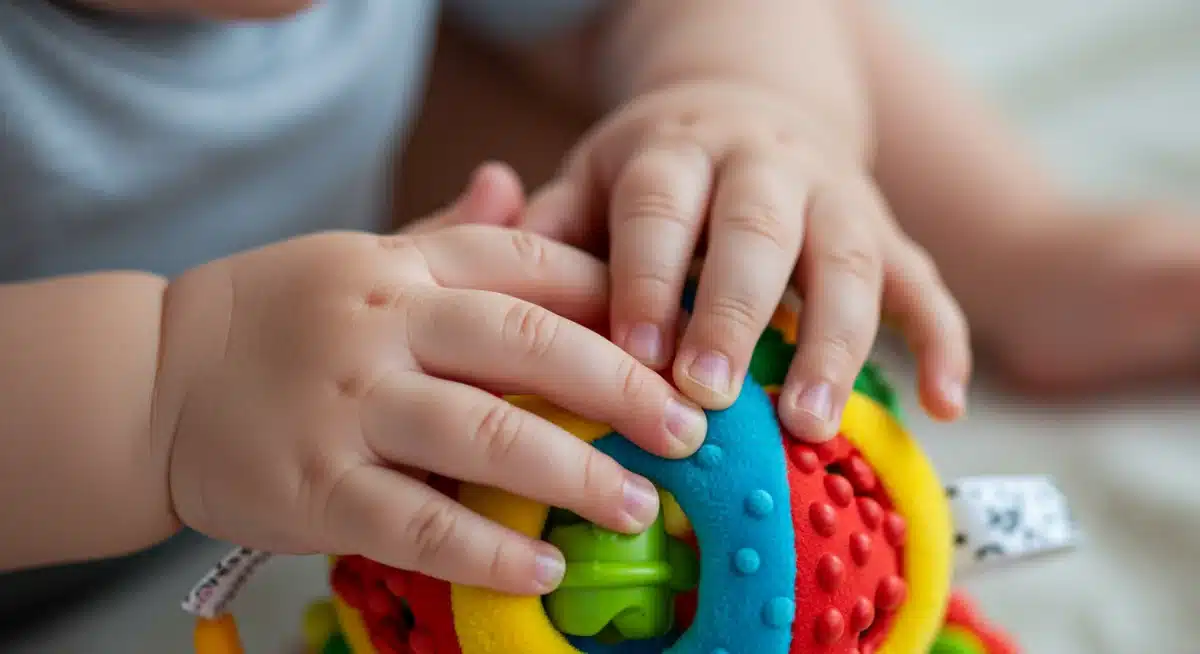
- Gross Motor Skills: Crawls, pulls self to stand, cruises along furniture, sits without support.
- Fine Motor Skills: Picks up small objects using pincer grasp (thumb and forefinger), bangs two objects together, puts objects in and takes them out of containers.
- Cognitive Skills: Looks for fallen objects, responds to “no,” plays peek-a-boo, understands simple gestures.
- Social & Emotional Skills: Shows stranger anxiety, waves bye-bye, enjoys social games.
- Language Skills: Responds to simple verbal requests, says “mama” or “dada” (specific), imitates sounds.
The emergence of the pincer grasp is a significant fine motor milestone, indicating improved dexterity and coordination. This skill is crucial for self-feeding and manipulating smaller objects. Their understanding of language also grows, allowing for more meaningful interactions.
Ensure your home is thoroughly baby-proofed as their mobility increases. Provide opportunities for safe exploration and continue to engage them in interactive play and conversations. This period is a rich tapestry of learning, where every new skill unlocks further avenues for growth.
10-12 Months: Approaching the First Birthday and Early Steps
As your baby nears their first birthday, they are on the cusp of transitioning from infancy to toddlerhood. This period, from 10 to 12 months, is often characterized by significant advancements in mobility, language, and problem-solving skills. Many babies will take their first independent steps, a monumental milestone that opens up a whole new world of exploration.
Their communication becomes more intentional, and they begin to understand and respond to a greater number of words and commands. You’ll observe a blossoming sense of self and an increasing desire to participate in daily activities, reflecting their growing cognitive abilities.
Stepping Towards Toddlerhood
The ability to walk is arguably the most anticipated milestone of this period, but it’s important to remember that the timing varies greatly. Even if your baby isn’t walking independently by 12 months, cruising and standing are excellent indicators of progress. Their language skills also become more refined, with many babies starting to say their first words.
- Gross Motor Skills: Stands alone, takes a few steps independently, walks holding onto furniture (cruising).
- Fine Motor Skills: Stacks two blocks, puts objects into a cup, points with index finger.
- Cognitive Skills: Finds hidden objects easily, imitates gestures, understands simple instructions like “give it to me.”
- Social & Emotional Skills: Shows affection to familiar people, plays social games like pat-a-cake, claps hands.
- Language Skills: Says 1-3 words (e.g., “mama,” “dada,” “uh-oh”), responds to simple questions, understands many words.
These milestones represent a significant leap towards independence. The emergence of first words and the ability to follow simple instructions demonstrate their growing comprehension and communication skills. Their fine motor development also allows for more complex manipulation of objects, fostering problem-solving.
Continue to encourage their efforts to walk by providing a safe and supportive environment. Engage them in conversations, read books, and sing songs to further stimulate their language development. This final quarter of the first year is a thrilling culmination of all the growth and learning that has occurred, preparing them for the adventures of toddlerhood.
When to Seek Professional Guidance: Trusting Your Instincts
While tracking your baby’s development with a checklist is helpful, it’s equally important to understand when to seek professional guidance. Parental instincts are powerful, and if you have persistent concerns about your baby’s development, it’s always best to consult with your pediatrician. Delaying an assessment can sometimes postpone early intervention, which is crucial for addressing any potential challenges effectively.
Remember, developmental milestones are broad guidelines, not rigid deadlines. There’s a wide range of normal. However, certain signs might warrant a conversation with a healthcare professional to ensure your child receives the best possible support.
Signs That May Warrant a Discussion with Your Pediatrician
It can be challenging to differentiate between normal variations in development and potential concerns. The following are general indicators that might suggest a need for further evaluation. These are not definitive diagnoses but rather prompts for a professional discussion.
- By 3 Months: Doesn’t respond to loud sounds, doesn’t watch objects as they move, doesn’t smile at people, doesn’t bring hands to mouth, doesn’t push up on forearms when on tummy.
- By 7 Months: Seems very stiff or floppy, doesn’t respond to sounds or voices, doesn’t make eye contact, doesn’t roll over in either direction, can’t hold head steady.
- By 12 Months: Doesn’t crawl or drags one side of body while crawling, can’t stand with support, doesn’t search for objects that are hidden, doesn’t say single words like “mama” or “dada,” doesn’t point to things.
These are just a few examples, and your pediatrician will be able to provide a more tailored assessment based on your baby’s individual circumstances. Early intervention can make a significant difference in a child’s development, providing therapies and support that can help them reach their full potential.
Trust your parental intuition. If something feels off, or if you find yourself constantly worrying, don’t hesitate to reach out. Pediatricians are there to support you and your baby’s health and development, offering expert advice and peace of mind.
Fostering Optimal Development: Beyond the Checklist
While a checklist helps track milestones, actively fostering your baby’s development goes far beyond simply observing. It involves creating a rich, nurturing, and stimulating environment that encourages exploration, learning, and growth. Your daily interactions play a pivotal role in shaping your child’s cognitive, emotional, and physical development.
Think of yourself as your baby’s first and most important teacher. Every smile, every conversation, every moment of play contributes to their understanding of the world and their place within it. This active engagement creates a strong foundation for future learning and well-being, reinforcing the bonds of attachment.
Practical Ways to Support Your Baby’s Growth
There are numerous simple yet effective ways to encourage your baby’s development, many of which are already part of your daily routine. Integrating these practices intentionally can significantly enhance their learning experiences.
- Talk and Read Regularly: Engage in conversations, even if one-sided, and read aloud from books. This exposes them to language and promotes literacy skills.
- Provide Tummy Time: Essential for strengthening neck and back muscles, which are crucial for rolling, sitting, and crawling.
- Offer Age-Appropriate Toys: Toys that encourage grasping, reaching, shaking, and manipulating help develop fine and gross motor skills.
- Respond to Their Cues: Acknowledge their babbling, smiles, and gestures. This fosters communication and emotional security.
- Encourage Exploration: Create a safe environment where they can freely move and investigate objects and spaces.
- Sing and Play Music: Rhythms and melodies stimulate auditory development and can be soothing or engaging.
These activities are not just about reaching milestones; they are about building a strong parent-child bond and creating joyful learning experiences. The quality of your interactions profoundly impacts your baby’s development, fostering a sense of security and curiosity.
Ultimately, the goal is to provide a loving and responsive environment where your baby feels safe to explore and grow at their own pace. The checklist is a guide, but your active participation and intuitive care are the most powerful tools for fostering optimal development.
| Developmental Stage | Key Milestones |
|---|---|
| 0-3 Months | Lifts head briefly, smiles spontaneously, coos. |
| 4-6 Months | Rolls over, sits with support, laughs aloud. |
| 7-9 Months | Crawls, pulls to stand, plays peek-a-boo. |
| 10-12 Months | Stands alone, takes first steps, says first words. |
Frequently Asked Questions About Baby Milestones
Developmental checklists provide general guidelines and are accurate for tracking typical progress. However, every baby develops at their own pace, so they should be used as a reference rather than a strict timeline. They help identify broad patterns and potential areas for discussion with a pediatrician, not as definitive diagnostic tools.
Missing a single milestone is often not a cause for concern, as development varies. If your baby consistently misses several milestones in one area, or if you have strong concerns, it’s advisable to consult your pediatrician. Early intervention can be very beneficial for addressing any developmental delays.
While you can’t force development, you can create a stimulating environment that encourages natural growth. Engage in active play, read to your baby, offer tummy time, and respond to their cues. These interactions foster curiosity and provide opportunities for learning, supporting their intrinsic drive to develop.
If your baby isn’t babbling by 7 months, not responding to their name by 9 months, or not saying any clear words by 12 months, it’s a good idea to discuss this with your pediatrician. Early identification of speech delays allows for timely support and intervention, which can significantly improve outcomes.
Observe if your baby responds to sounds, tracks objects with their eyes, and reacts to touch. By 3 months, they should respond to loud sounds and watch moving objects. If they seem unresponsive to sensory input or have unusual reactions, consult your pediatrician for an evaluation.
Conclusion
Navigating your baby’s first year is an extraordinary journey filled with countless small victories and significant milestones. This 3-minute checklist for baby development from 0-12 months in 2026 serves as a helpful tool, providing parents with a framework to observe and understand their infant’s growth. Remember that while these guidelines are valuable, every child is an individual, developing at their own unique pace. The most important aspect of this journey is to foster a nurturing, stimulating, and loving environment, ensuring open communication with your pediatrician for any concerns. Celebrate each step, big or small, and cherish these precious moments as your baby blossoms into their own remarkable self.