Fostering Independence in Young Children: 7 Daily Habits for Confidence Before Age 5

Fostering Independence in Young Children: 7 Daily Habits for Confidence Before Age 5
As parents and caregivers, one of our greatest aspirations is to raise children who are not only happy and healthy but also confident and capable. The journey toward independence begins remarkably early, laying crucial groundwork for future success and well-being. Before the age of five, children are like sponges, absorbing information and developing foundational skills at an astonishing rate. This pivotal period offers a golden opportunity to instill daily habits that foster a strong sense of self-reliance and unwavering confidence. By actively nurturing these qualities, we empower our young ones to navigate the world with curiosity, resilience, and a belief in their own abilities.
The concept of Child Independence Habits isn’t about pushing children to grow up too fast, but rather about providing them with the tools and opportunities to explore their capabilities within a safe and supportive environment. It’s about recognizing that even the smallest acts of self-sufficiency contribute significantly to their cognitive, emotional, and social development. When children are encouraged to try, and sometimes even to fail, they learn valuable lessons about problem-solving, perseverance, and the joy of accomplishment. This article delves into seven practical, daily habits that you can integrate into your routine to cultivate independence and build confidence in your young child, setting them on a path for a lifetime of empowered living.
The Cornerstone of Development: Why Early Independence Matters
Before we dive into the specific habits, it’s essential to understand the profound impact that early independence has on a child’s overall development. Independence in young children is not just about performing tasks without help; it’s deeply intertwined with their self-esteem, cognitive growth, and social competence. When children are given opportunities to make choices, solve simple problems, and manage basic self-care, they develop a sense of agency – the feeling that they can influence their own lives and the world around them.
Building Self-Esteem and Confidence
Every small success, from putting on a sock to choosing an outfit, contributes to a child’s self-esteem. These accomplishments, no matter how minor they seem to adults, are monumental victories for a young child. They learn, ‘I can do this!’ which forms the bedrock of confidence. This internal belief in their capabilities helps them approach new challenges with enthusiasm rather than apprehension.
Enhancing Cognitive Skills
Independent activities often involve problem-solving. For instance, figuring out which way a shirt goes on, or how to open a container, stimulates critical thinking and fine motor skills. These experiences are far more enriching than simply being handed a solution. They encourage children to observe, experiment, and adapt, fostering cognitive flexibility.
Fostering Social and Emotional Growth
Independent children are often more adept at social interactions. They are better equipped to express their needs, make decisions within a group, and show empathy. The ability to manage their own feelings and actions, even in a rudimentary way, is a crucial step towards emotional regulation. Furthermore, allowing children to perform tasks independently communicates trust, which strengthens the parent-child bond and encourages open communication.
By understanding these fundamental benefits, we can approach the implementation of Child Independence Habits with greater intentionality and patience, recognizing that we are investing in our child’s holistic development.
Habit 1: Encourage Self-Dressing and Personal Care
One of the most visible and rewarding areas for fostering independence in young children is self-dressing and personal care. From choosing their clothes to brushing their teeth, these daily routines offer countless opportunities for your child to take charge.
Starting Small with Choices
Begin by offering limited choices. Instead of asking, ‘What do you want to wear?’, try, ‘Do you want to wear the blue shirt or the red shirt?’ This empowers them to make a decision without being overwhelmed. As they get older, you can expand the choices, allowing them to pick out an entire outfit for the day.
Breaking Down Tasks
Self-dressing can be complex for little hands. Break down the process into smaller, manageable steps. For example, when putting on pants, first guide them to put one leg in, then the other, and finally pull them up. Celebrate each small success. Provide clothing that is easy for them to manipulate, such as elastic waistbands and shirts without complicated buttons or zippers initially.
Mastering Personal Hygiene
Encourage them to brush their teeth (with supervision), wash their hands thoroughly, and comb their hair. You can make these activities fun with songs or by letting them use their favorite character toothbrushes. The goal is to build a routine where they initiate these tasks themselves, understanding their importance.
Remember, patience is key. It might take longer for them to dress themselves, or their shirt might be on backward, but the effort and the learning experience are far more valuable than perfection. This habit directly contributes to their sense of autonomy and body awareness, vital components of Child Independence Habits.
Habit 2: Involve Them in Age-Appropriate Household Chores
Integrating young children into household chores might sound daunting, but it’s an incredibly effective way to teach responsibility, teamwork, and practical life skills. Children thrive on feeling useful and contributing to the family unit.
Making Chores Fun and Meaningful
Frame chores not as burdens, but as opportunities to help and be a part of the family. Turn tidying up into a game, sing songs while cleaning, or use a timer to make it a race. Assign tasks that are genuinely helpful but also safe and achievable for their age. For example:
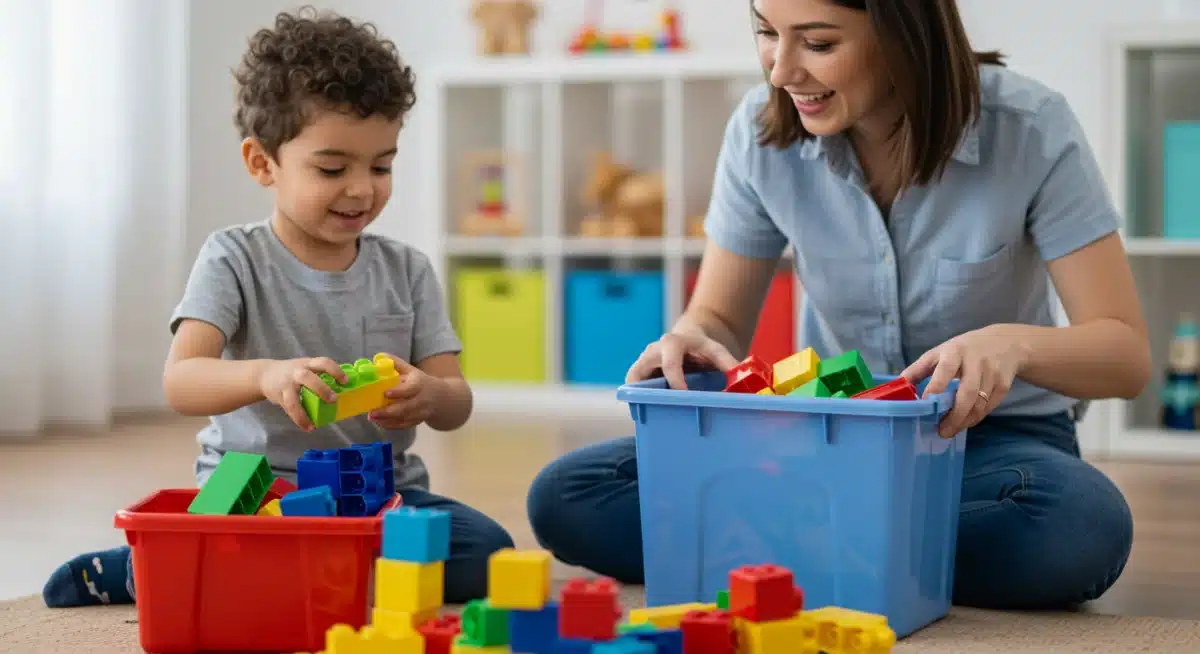
- 2-3 year olds: Putting toys in a bin, placing dirty clothes in a hamper, wiping up small spills with a cloth.
- 3-4 year olds: Helping to set the table (plastic plates/cups), watering plants, putting away clean utensils (safe ones), feeding pets.
- 4-5 year olds: Making their bed (simple tasks like pulling up a duvet), helping to sort laundry, sweeping small areas with a child-sized broom.
The Power of Contribution
When children contribute to household tasks, they learn that their actions have an impact and that they are valued members of the family. This fosters a sense of belonging and competence. It also teaches them about shared responsibility and the effort required to maintain a home, which are fundamental life lessons.
Avoid re-doing their work immediately after they’ve finished, even if it’s not perfect. Acknowledge their effort and thank them for their help. This positive reinforcement encourages them to continue participating and reinforces the habit of contribution, a cornerstone of developing Child Independence Habits.
Habit 3: Encourage Independent Play and Exploration
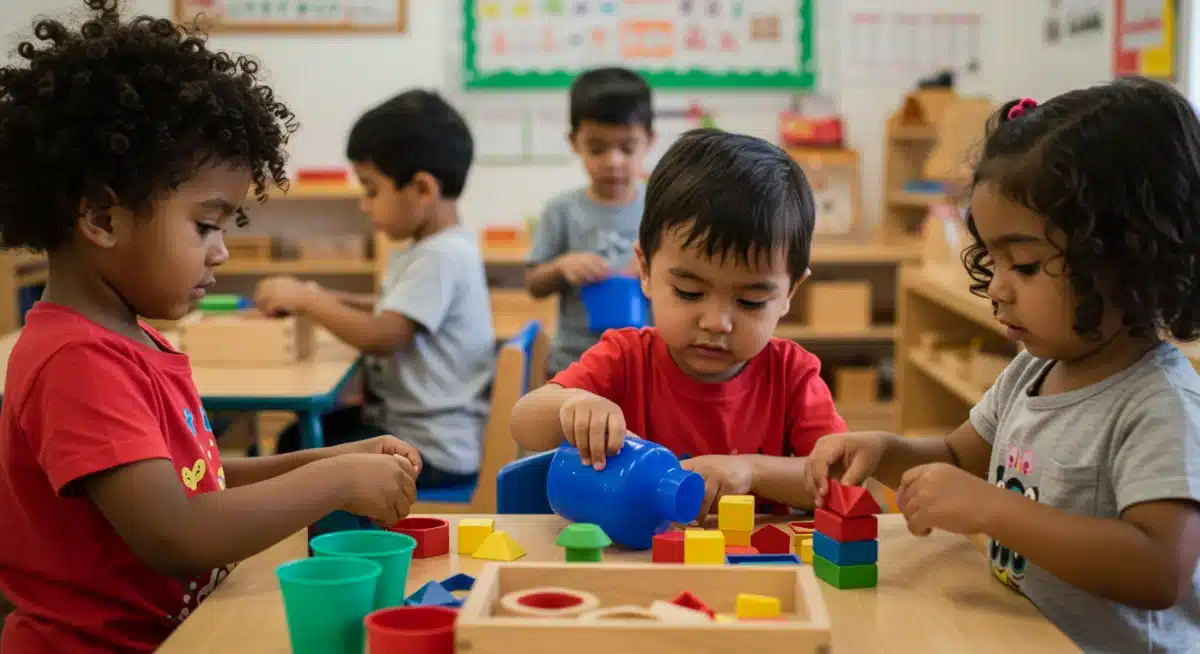
Independent play is not just a way for parents to get a moment of peace; it’s a critical component of a child’s development. It allows them to explore their imagination, develop problem-solving skills, and learn to entertain themselves.
Creating a Safe and Stimulating Environment
Designate a safe play area where your child can explore without constant supervision. Provide open-ended toys that encourage creativity, such as blocks, art supplies, dress-up clothes, and sensory bins. Rotate toys periodically to keep their interest piqued.
Stepping Back and Observing
It can be tempting to jump in and direct play, but the true magic of independent play happens when adults step back. Allow your child to lead their own imaginative adventures, construct their own worlds, and work through their own play-related challenges. This fosters self-reliance and creativity.
Start with short periods of independent play and gradually extend the time as your child becomes more comfortable. Narrate what they are doing only if they seem to be seeking attention, otherwise, let their imagination flourish. Independent play strengthens their ability to initiate activities and manage their own time, key elements of Child Independence Habits.
Habit 4: Empower Them with Choices and Decision-Making
Giving young children choices, even small ones, empowers them and helps them develop decision-making skills. This isn’t about letting them run wild, but about providing controlled opportunities to exert their will.
Limited Choices, Big Impact
Offer two or three acceptable options: ‘Do you want apples or bananas for a snack?’, ‘Do you want to read this book or that book?’, ‘Do you want to wear your red shoes or your blue shoes?’ This teaches them that their opinions matter and that they can influence outcomes.
Respecting Their Decisions (Within Reason)
Once a choice is made, respect it. If they chose the banana, even if you secretly hoped they’d pick the apple, stick with the banana. This shows them that their choices have consequences and that you trust their judgment. Of course, safety and health always come first, so the options you offer should always be acceptable to you.
Learning from Consequences
Allowing children to experience the natural consequences of their choices (within safe limits) is a powerful teacher. If they choose not to wear a jacket and then feel cold, they learn firsthand the importance of that decision. This experiential learning is far more impactful than constant parental directives. Developing the ability to make choices and understand their outcomes is fundamental to fostering robust Child Independence Habits.
Habit 5: Teach Problem-Solving Skills Through Guided Discovery
Instead of immediately jumping in to solve every problem for your child, guide them towards finding solutions themselves. This cultivates critical thinking and resilience.
Asking Open-Ended Questions
When your child encounters a challenge, such as a toy that won’t fit or a tower that keeps falling, resist the urge to fix it. Instead, ask questions like: ‘What do you think is happening?’, ‘What could we try next?’, ‘How do you think we can make it work?’ This prompts them to think about the situation and brainstorm solutions.
Allowing for Productive Struggle
It’s okay for children to struggle a bit. This ‘productive struggle’ is where real learning happens. Offer encouragement and support, but let them do the mental heavy lifting. You can provide hints or demonstrate a technique, but ultimately, let them attempt to implement the solution.
Celebrating the Process, Not Just the Outcome
Praise their effort and perseverance, not just a successful outcome. ‘Wow, you kept trying even when it was hard!’ or ‘You thought of so many different ways to fix that!’ This teaches them that the process of problem-solving is valuable, regardless of immediate success. This habit is crucial for developing resilient and resourceful Child Independence Habits.
Habit 6: Foster Communication and Self-Expression
A child who can effectively communicate their needs, feelings, and ideas is better equipped for independence. Encouraging self-expression helps them advocate for themselves and build healthy relationships.
Active Listening
Give your child your full attention when they speak. Get down to their level, make eye contact, and listen to what they are trying to convey, even if their words are jumbled or incomplete. Paraphrase what you’ve heard to ensure understanding, ‘So, you’re saying you’re sad because your block tower fell down?’
Encouraging Emotional Vocabulary
Help them label their emotions. ‘It looks like you’re feeling frustrated right now.’ ‘Are you feeling happy about going to the park?’ The more words they have to describe their internal world, the better they can understand and manage their feelings, and communicate them to others.
Providing Opportunities to Share
Create regular opportunities for your child to share their thoughts and experiences. Bedtime stories can turn into discussions about the characters’ feelings. Family mealtimes can be a chance for everyone to talk about their day. Encourage them to express their opinions, even if they differ from yours, within respectful boundaries. Strong communication skills are a cornerstone of effective Child Independence Habits and social competence.
Habit 7: Establish Routines and Predictable Environments
While fostering independence might seem counterintuitive to routines, a predictable environment actually provides the security and framework necessary for children to confidently explore their autonomy. When children know what to expect, they feel more secure and are more willing to take initiative.
The Comfort of Predictability
Consistent daily routines for waking up, eating, playing, and sleeping help children develop an internal clock and a sense of order. When they know that after breakfast comes playtime, and after playtime comes snack, they can anticipate events and even begin to initiate the next activity themselves. This reduces anxiety and builds confidence in their ability to navigate their day.
Visual Schedules and Cues
For younger children, visual schedules (pictures representing daily activities) can be incredibly helpful. They can point to what’s next, giving them a sense of control over their day. Verbal cues, like ‘Five more minutes until clean-up time,’ also help them transition and prepare for the next step.
Empowering Through Structure
Within a routine, there are still opportunities for choice and independence. For example, during ‘getting ready for bed’ routine, they might choose which pajamas to wear or which book to read. The routine provides the structure, and they fill in the details with their own choices. This balance is crucial for developing strong Child Independence Habits. A predictable environment allows children to feel safe enough to try new things and take on new responsibilities, knowing that there’s a reliable framework supporting them.
Practical Tips for Parents and Caregivers
Implementing these habits requires a thoughtful and patient approach. Here are some overarching tips to help you on your journey to fostering independence:
Be Patient and Offer Encouragement
Learning new skills takes time and practice. There will be spills, mistakes, and moments of frustration. Your patience and positive reinforcement are invaluable. Focus on the effort, not just the outcome. Phrases like, ‘You’re trying so hard!’ or ‘I see you’re working on that!’ are powerful motivators.
Resist the Urge to ‘Fix It’ Immediately
It’s natural to want to swoop in and help, especially when you see your child struggling. However, stepping back and allowing them to work through a challenge (within safe limits) is crucial for their learning. Offer guidance and support, but let them experience the process of problem-solving.
Provide a Safe and Prepared Environment
Ensure your home environment is set up to support independence. Child-sized tools, accessible shelves for toys and clothes, and safe spaces for exploration will empower them to take initiative without constant ‘no’s.’ This readiness fosters a sense of capability.
Model Independent Behavior
Children learn by observing. Let them see you tackling challenges, making decisions, and managing your own tasks. Talk about your thought processes: ‘I’m trying to figure out how to do this…’ or ‘I chose this because…’ This provides a real-world example of independent thinking.
Celebrate Small Victories
Acknowledge and celebrate every step towards independence, no matter how small. A high-five for putting on a sock, a cheer for clearing their plate, or a heartfelt ‘thank you’ for helping out. These positive affirmations reinforce their efforts and build their confidence to try more. Remember, consistency is key when building Child Independence Habits.
The Long-Term Impact of Nurturing Independence
The daily habits you instill in your young child before the age of five have a ripple effect that extends far beyond their early years. By fostering independence, you are not just teaching them to do things for themselves; you are equipping them with a robust toolkit for life. Children who are encouraged to be independent tend to exhibit:
- Greater Self-Reliance: They trust their own abilities and are less reliant on external validation.
- Enhanced Problem-Solving Skills: They approach challenges with creativity and persistence.
- Higher Self-Esteem: Their frequent successes, however small, build a strong sense of self-worth.
- Improved Social Skills: They are often more confident in interacting with peers and expressing their needs.
- Increased Resilience: They learn to cope with setbacks and bounce back from failures, seeing them as learning opportunities.
- A Love for Learning: The freedom to explore and discover independently fuels their natural curiosity and desire to learn.
These are the invaluable gifts you give your child when you prioritize the development of Child Independence Habits. It’s an investment in their future happiness, success, and overall well-being. It’s about raising capable, confident individuals who are ready to embrace the world with enthusiasm and a strong sense of self.
Conclusion: Empowering Tomorrow’s Leaders, One Habit at a Time
Fostering independence in young children is one of the most powerful and enduring contributions we can make to their development. It’s a journey that requires patience, consistency, and a profound belief in your child’s innate capabilities. By integrating these seven daily habits into your family life – encouraging self-dressing, involving them in chores, promoting independent play, empowering choices, teaching problem-solving, fostering communication, and establishing routines – you are actively building a foundation of confidence and self-reliance that will serve them for a lifetime.
Remember, the goal isn’t to create perfect, self-sufficient adults overnight, but to provide consistent opportunities for growth and learning. Celebrate every small step, embrace the imperfections, and enjoy watching your young child blossom into a confident, capable, and independent individual. The effort you put in now, nurturing these vital Child Independence Habits, will undoubtedly shape the resilient, resourceful, and joyful adults they are destined to become.