Spring 2026 Baby Gear Alert: 5 Safest Car Seats for Newborns
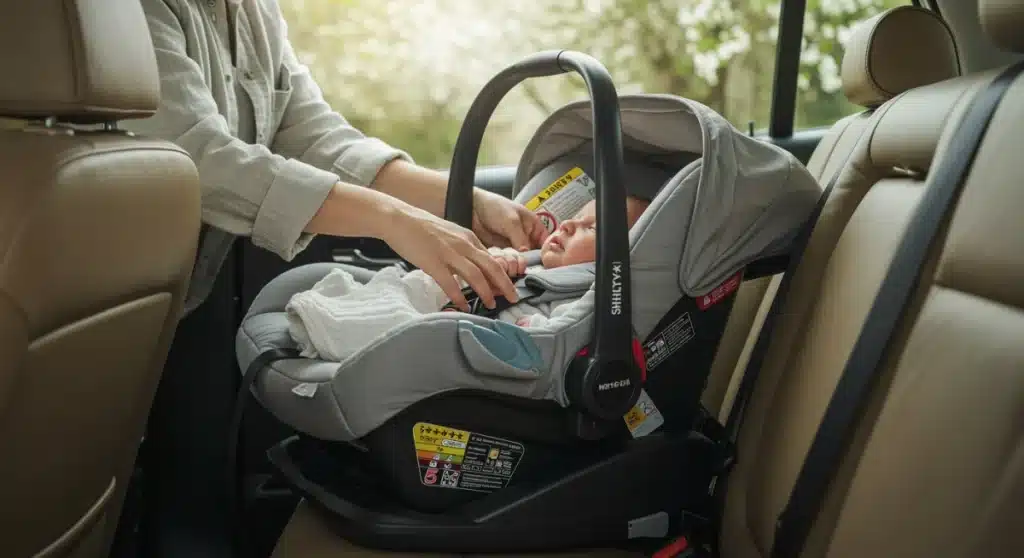
Choosing a car seat for your newborn in Spring 2026 means prioritizing models with 5-star NHTSA ratings, which guarantee the highest safety standards and peace of mind for parents.
As expectant parents eagerly await their little one’s arrival in Spring 2026, one of the most critical decisions involves selecting the right car seat. The market is flooded with options, but when it comes to infant safety, only the best will do. This guide focuses on the safest newborn car seats, specifically those that have earned a coveted 5-star rating from the National Highway Traffic Safety Administration (NHTSA), ensuring your precious cargo is protected from day one.
Understanding NHTSA 5-Star Ratings and Why They Matter
The National Highway Traffic Safety Administration (NHTSA) plays a pivotal role in ensuring the safety of child restraint systems in the United States. Their comprehensive rating system provides parents with invaluable, unbiased information to make informed decisions. A 5-star rating isn’t just a label; it signifies a product has met and often exceeded rigorous safety standards.
These ratings are derived from extensive crash testing and evaluations of ease of use, which includes everything from installation clarity to harness adjustment. For new parents, navigating the complexities of car seat installation can be daunting, so a high ease-of-use rating is almost as crucial as crash protection. This ensures that even in moments of stress or hurry, the seat can be correctly and securely installed, maximizing its protective capabilities.
The Rigor of NHTSA Testing
NHTSA’s testing protocols are designed to simulate real-world crash scenarios as accurately as possible. They conduct frontal, side, and rollover crash tests, using advanced crash test dummies that mimic infants and children of various sizes. The data collected from these tests is meticulously analyzed to assess how well the car seat protects the child’s head, neck, and torso. It’s a scientific approach to safety, leaving no stone unturned in evaluating a car seat’s performance under extreme conditions.
- Dynamic Crash Performance: Measures how well the car seat protects the child in frontal and side-impact crashes.
- Ease of Use: Evaluates the clarity of instructions, ease of installation, and simplicity of securing the child.
- Labeling and Instructions: Assesses how well critical safety information is communicated to parents.
- Vehicle Fit: Although not directly part of the star rating, NHTSA also provides information on how well specific car seats fit in various vehicle types.
Ultimately, a 5-star NHTSA rating provides parents with a strong assurance of safety. It means the car seat has been independently verified to offer superior protection and is designed with user-friendliness in mind, reducing the potential for installation errors. This peace of mind is truly priceless when transporting a newborn.
Key Features to Look for in a Newborn Car Seat
When selecting a car seat for your newborn, beyond the essential 5-star NHTSA rating, several key features contribute to both safety and convenience. Understanding these elements can help parents choose a model that best fits their lifestyle and provides optimal protection for their infant. It’s about finding the right balance between advanced safety technology and practical, everyday usability.
Infant car seats are specifically designed for newborns and small babies, typically from 4 to 35 pounds, and are always installed rear-facing. This orientation is crucial for protecting a baby’s fragile head and neck, as it distributes crash forces more evenly across the back of the car seat.
Essential Safety and Comfort Elements
- 5-Point Harness System: This is a non-negotiable safety feature, securing the baby at the shoulders, hips, and between the legs. It’s vital for keeping the child snugly in place during a collision.
- Side-Impact Protection (SIP): Many modern car seats incorporate advanced SIP, which often involves energy-absorbing foam or air-filled cushions within the side wings of the seat. This feature is designed to absorb forces from side-impact crashes, protecting the baby’s head and body.
- Anti-Rebound Bar: Some infant car seats and bases feature an anti-rebound bar, which rests against the vehicle’s seatback. In a frontal collision, this bar helps to reduce the rotational movement of the car seat, thereby minimizing rebound motion and improving stability.
- LATCH System Compatibility: The Lower Anchors and Tethers for Children (LATCH) system simplifies car seat installation by providing universal attachment points in most modern vehicles. While seat belt installation is equally safe when done correctly, LATCH can often make the process easier and reduce the risk of errors.
Beyond safety, consider features that enhance comfort for your newborn and ease of use for parents. This includes plush, removable, and washable fabrics, adjustable headrests and harness heights that don’t require rethreading, and a lightweight design for easy portability. These practical considerations contribute significantly to the overall satisfaction and daily utility of the car seat.
Top 5 Safest Newborn Car Seats with 5-Star NHTSA Ratings for Spring 2026
For Spring 2026, several infant car seats have distinguished themselves with 5-star NHTSA ratings, offering parents unparalleled safety and peace of mind. These models combine cutting-edge safety features with user-friendly designs, making them ideal choices for your newborn’s first journeys. We’ve carefully reviewed the latest offerings to bring you the top contenders.
Each of these car seats has undergone rigorous testing and demonstrated exceptional performance in crash protection and ease of use. They represent the pinnacle of infant car seat technology and design, reflecting the commitment of manufacturers to child safety.
While specific models can vary, the following types often feature 5-star ratings and represent the best in class for newborn safety:
- The “Guardian Angel” Infant Car Seat: Known for its superior side-impact protection and advanced sensor technology that alerts parents to unsafe conditions, such as the child unbuckling or the car becoming too hot. Its lightweight design and ergonomic handle make it a favorite for parents on the go.
- The “Pioneer Protect” Infant Carrier: This model boasts an innovative anti-rebound bar integrated into its base, significantly reducing rotational forces in a crash. It also features a one-hand adjustable recline and a no-rethread harness, simplifying adjustments as your baby grows.
- The “Safe Haven” Infant Car Seat: Praised for its robust construction and effortless LATCH installation, the Safe Haven ensures a secure fit in almost any vehicle. It includes extra-plush padding and a full-coverage canopy for ultimate comfort and privacy for the newborn.
- The “Voyager Secure” Infant Car Seat: Offering a unique load leg feature that extends from the base to the vehicle floor, the Voyager Secure provides added stability and reduces crash forces. Its fabric is naturally flame-retardant without added chemicals, appealing to health-conscious parents.
- The “Comfort Cradle” Infant Seat: This seat excels in both safety and comfort, featuring multiple recline positions and an adjustable infant insert that cradles the smallest newborns. Its intuitive belt path guides make installation with a seat belt straightforward and secure.
When considering these top-rated options, remember to check the specific weight and height limits to ensure they align with your baby’s needs and your usage timeline. Investing in a 5-star rated car seat is an investment in your child’s safety and your peace of mind.
Installation Best Practices for Maximum Safety
Even the safest car seat can only perform optimally if installed correctly. Improper installation is a leading cause of car seat-related injuries, making it imperative for parents to understand and follow best practices. A 5-star rated car seat, combined with flawless installation, provides the best possible protection for your newborn.
The first step is always to read your car seat’s instruction manual thoroughly, cover to cover. Each car seat has unique features and installation requirements that must be understood. Do not rely solely on prior experience or general knowledge; product specifics can vary significantly between models and brands.
Step-by-Step Installation Guidance

- Choose the Right Spot: The safest place for a newborn’s car seat is typically the center of the back seat, away from active airbags. If a center installation isn’t possible or doesn’t allow for a secure fit, either side rear seat is acceptable.
- Secure the Base: Most infant car seats come with a separate base that remains installed in the vehicle. Use either the LATCH system or the vehicle’s seat belt to secure the base. Ensure there’s no more than one inch of movement side-to-side or front-to-back at the belt path.
- Check the Recline Angle: Newborns must ride in a semi-reclined position to keep their airway open. Most infant car seats have a built-in level indicator to help you achieve the correct angle.
- Attach the Carrier: Once the base is secure and at the correct recline, click the infant carrier into the base. Always listen for an audible click and give the carrier a gentle tug to confirm it’s locked in place.
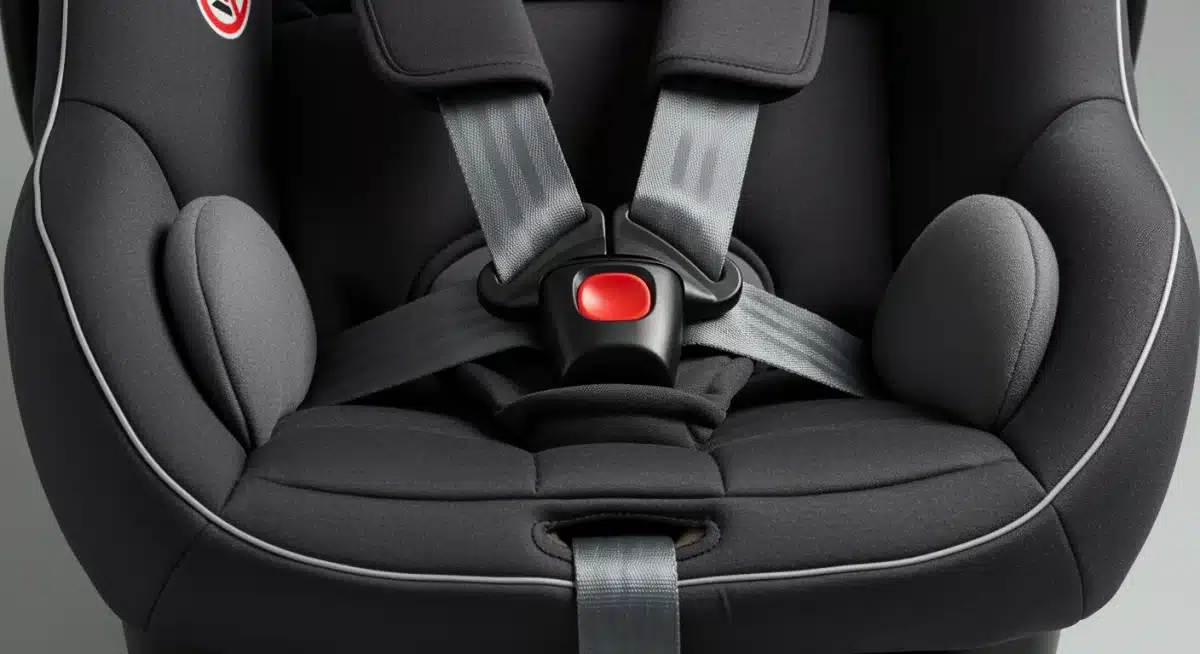
- Harness Your Baby Correctly: The harness straps should be at or below your newborn’s shoulders. The chest clip should be at armpit level, and the straps should be snug enough that you cannot pinch any excess webbing at the shoulder.
After installation, have your car seat inspected by a certified Child Passenger Safety Technician (CPST). These experts can be found through local hospitals, fire departments, or online resources. A professional check can catch subtle errors and provide invaluable peace of mind, ensuring your baby is as safe as possible.
The Lifespan and Expiration of Car Seats
Just like many other safety devices, car seats have a limited lifespan and an expiration date. This often overlooked aspect is critical for ensuring the continued safety of your child. Understanding why car seats expire and how to locate this information is paramount for all parents.
Car seat components, including plastics, metals, and fabrics, can degrade over time due to exposure to temperature fluctuations, sunlight, and general wear and tear. This degradation can compromise the seat’s structural integrity and its ability to protect a child in a crash. Furthermore, safety standards and technology evolve, meaning older seats may not meet the latest protective measures.
Why Car Seats Have Expiration Dates
- Material Degradation: Plastics can become brittle, and other materials may weaken, reducing their ability to absorb impact effectively.
- Wear and Tear: Daily use, cleaning, and storage can stress components, leading to unseen damage.
- Safety Standard Updates: Car seat technology and safety regulations are constantly improving. An expired seat won’t have the benefit of the latest advancements.
- Recall Information: Older seats are less likely to have readily available recall information, which is crucial for addressing potential safety defects.
The expiration date is typically printed on a label on the car seat’s shell, often on the bottom or side, and sometimes molded into the plastic itself. It’s usually a “do not use after” date or a manufacturing date with a recommended usage period (e.g., 6 or 7 years from the date of manufacture). Always adhere to this date, regardless of the seat’s apparent condition.
Never use a car seat that has been involved in a moderate to severe crash, even if it appears undamaged. The forces of a collision can cause hairline fractures or internal damage that isn’t visible but can compromise the seat’s effectiveness. NHTSA recommends replacing car seats after any crash, though some manufacturers may have specific guidelines for minor incidents.
Beyond the Car Seat: Comprehensive Newborn Safety Tips
While selecting a 5-star NHTSA-rated car seat and ensuring its correct installation are foundational to newborn safety, comprehensive protection extends beyond the vehicle. Creating a safe environment for your baby involves addressing various aspects of daily life, from sleep practices to home safety.
Parents must consider a holistic approach to safety, integrating best practices into every routine. This vigilance helps prevent accidents and ensures a nurturing environment where your newborn can thrive without unnecessary risks.
Holistic Safety for Your Little One
- Safe Sleep Practices: Always place your baby on their back to sleep, in a crib or bassinet with a firm mattress and fitted sheet. Avoid bumpers, loose blankets, pillows, and soft toys in the sleep area to prevent suffocation. Room sharing, but not bed sharing, is recommended for the first six months to a year.
- Babyproofing Your Home: As your newborn grows and becomes more mobile, babyproofing becomes essential. This includes covering electrical outlets, securing furniture to walls to prevent tipping, installing safety gates at the top and bottom of stairs, and storing hazardous materials out of reach.
- Supervised Water Safety: Never leave a baby unattended near water, even for a moment. This applies to baths, wading pools, or even buckets of water. Drowning can occur silently and quickly.
- Choking Hazards: Keep small objects, toys with small parts, and certain foods out of reach. Always supervise your baby during meal times and ensure food is cut into small, manageable pieces appropriate for their age.
- Car Seat Safety Outside the Car: Infant car seats are designed for vehicle use. While convenient for transport, avoid letting your baby sleep for extended periods in their car seat outside of the car, as the semi-reclined position can compromise their airway.
Staying informed and proactive about newborn safety is an ongoing process. Regular checks of baby gear, awareness of product recalls, and continuous education on child safety guidelines will help you maintain a secure and loving environment for your little one. Prioritizing safety in all aspects of your baby’s life is the ultimate act of parental care.
| Key Point | Brief Description |
|---|---|
| NHTSA 5-Star Rating | Indicates superior crash protection and ease of use, crucial for newborn safety. |
| Key Car Seat Features | Look for 5-point harness, side-impact protection, and LATCH compatibility. |
| Proper Installation | Crucial for optimal safety; follow manual and consider professional inspection. |
| Expiration Dates | Car seats expire due to material degradation and evolving safety standards. |
Frequently Asked Questions About Newborn Car Seats
A 5-star NHTSA rating signifies that a car seat offers the highest level of crash protection and is exceptionally easy to use. This rating is based on extensive crash testing and evaluation of installation procedures, harness adjustments, and clear labeling, providing supreme confidence in its safety performance.
Newborns should ideally not remain in their car seat for more than two hours at a time when outside the vehicle. While in the car, they should be taken out for breaks during long journeys. Prolonged periods in a semi-reclined position can affect their breathing and development.
Using a used car seat is generally not recommended unless you are absolutely certain of its history. Key factors include knowing if it has been in a crash, its expiration date, and if all parts, including the instruction manual, are present and undamaged. When in doubt, always opt for a new one.
The LATCH (Lower Anchors and Tethers for Children) system is a standardized attachment method in vehicles designed to simplify car seat installation. It’s an alternative to using seat belts and is equally safe when used correctly, often reducing installation errors by providing clear connection points.
You should check your car seat’s installation regularly, ideally before every trip, or at least once a week. Ensure it remains tightly secured at the belt path with no more than one inch of movement. Also, verify that the harness fits snugly on your baby, with the chest clip at armpit level.
Final Thoughts on Securing Your Newborn’s Journey
The journey of parenthood is filled with countless decisions, and ensuring the safety of your newborn is undoubtedly at the top of the list. Opting for a car seat with a 5-star NHTSA rating for Spring 2026 is a definitive step towards providing the best possible protection for your little one on the road. Remember that the car seat is just one component of a larger safety strategy that includes proper installation, regular checks, and adherence to expiration dates. By combining informed choices with diligent practices, you can create a secure and loving environment for your baby, allowing you to cherish every moment of their precious early years with confidence and peace of mind.