2026 Car Seat Safety Updates: What US Parents Need to Know
Understanding the 2026 Updates to Car Seat Safety Regulations: What Every US Parent Needs to Know
As parents, the safety of our children is paramount. Every decision, from the food they eat to the way they travel, is made with their well-being in mind. When it comes to road safety, car seats are non-negotiable. They are designed to protect our most precious cargo, and understanding the regulations surrounding them is a critical responsibility. With 2026 just around the corner, significant updates to 2026 Car Seat Regulations in the United States are on the horizon, and every parent needs to be informed.
These upcoming changes are not just minor tweaks; they represent an evolution in child passenger safety, driven by research, technology, and a continuous commitment to reducing injuries and fatalities. The National Highway Traffic Safety Administration (NHTSA) regularly reviews and updates its Federal Motor Vehicle Safety Standards (FMVSS) to reflect the latest safety science. The 2026 revisions promise to bring new guidelines that could impact everything from car seat design to installation practices and even the age and weight recommendations for different seat types.
Navigating the world of car seat safety can often feel overwhelming. The sheer volume of information, coupled with the technical jargon, can leave many parents feeling confused. This comprehensive guide aims to demystify the upcoming 2026 Car Seat Regulations, providing clear, actionable insights into what these changes mean for you and your family. We’ll delve into the specifics of the new guidelines, discuss the reasons behind these updates, and offer practical advice on how to prepare and ensure your child remains as safe as possible on every journey.
Why Are Car Seat Regulations Updated? The Science Behind the Changes
Car seat regulations are not static; they evolve. This constant evolution is a direct result of ongoing research, advancements in vehicle safety technology, and real-world crash data analysis. The NHTSA, along with other safety organizations, continuously studies how children are injured in crashes and how car seats can be made more effective. The goal is always to enhance protection, particularly in areas where current standards might be insufficient or where new types of injuries are emerging.
One of the primary drivers for updates to 2026 Car Seat Regulations is the continuous improvement in crash test methodologies. As vehicles become safer and crash dynamics are better understood, car seat tests must also adapt. This often involves new crash test dummies that more accurately represent children of various sizes and ages, as well as more rigorous testing scenarios that simulate a wider range of real-world collisions, including side-impact crashes and rollovers, which have historically been areas of focus for improvement.
Furthermore, advances in materials science and engineering play a crucial role. Manufacturers are always looking for ways to create lighter, stronger, and more energy-absorbing materials that can better protect children. New technologies, such as advanced sensor systems for proper installation or integrated safety features within the car seat itself, also prompt regulatory review. The 2026 updates are expected to incorporate some of these innovations, ensuring that car seats not only meet but exceed current safety expectations.
Finally, public health data and epidemiological studies provide invaluable insights into the effectiveness of current safety practices. If data shows a particular type of injury is still prevalent, or if a certain demographic is overrepresented in car seat-related incidents, regulations are often adjusted to address these specific concerns. The 2026 Car Seat Regulations are thus a reflection of a holistic approach to child passenger safety, integrating scientific discovery with practical application to save lives and prevent injuries.
Key Areas of Focus for the 2026 Car Seat Regulations
While the final details of the 2026 Car Seat Regulations are still being formalized, several key areas are expected to see significant changes. These areas represent ongoing efforts to improve child passenger safety across different age groups and car seat types. Understanding these focus points will help parents anticipate and adapt to the new requirements.
Enhanced Side-Impact Protection
For years, frontal crash tests have been the cornerstone of car seat safety evaluations. However, side-impact collisions can be incredibly dangerous, often leading to severe head and torso injuries. The 2026 updates are highly anticipated to introduce more stringent side-impact performance requirements for all car seats. This means manufacturers will need to design seats with improved energy absorption in the side wings and headrest areas, offering better protection against intrusion and impact forces from the side. Parents should look for car seats specifically marketed with enhanced side-impact protection features, as these will likely be compliant with the new standards.
Updated Weight and Height Limits for Rear-Facing Car Seats
Medical and safety experts consistently recommend keeping children in rear-facing car seats for as long as possible, ideally until they reach the maximum weight or height limit of their seat. This is because rear-facing provides superior protection for a child’s head, neck, and spine in a crash. The 2026 Car Seat Regulations may push for even higher weight and height limits for rear-facing convertible car seats, encouraging parents to keep their children rear-facing beyond the current common recommendations. This shift reflects a growing consensus that extending rear-facing time significantly reduces the risk of serious injury.
Improved LATCH System Standards and Ease of Use
The Lower Anchors and Tethers for CHildren (LATCH) system was introduced to simplify car seat installation and reduce misuse. However, studies have shown that a significant percentage of car seats are still installed incorrectly. The 2026 updates might include refinements to LATCH system requirements, focusing on ease of use, clearer indicators for proper installation, and potentially higher weight limits for LATCH usage. This could involve more standardized anchor points, improved LATCH connectors, or clearer labeling to ensure parents can confidently and correctly install their car seats every time. Incorrect installation is a leading cause of car seat ineffectiveness, so these improvements are crucial.
Booster Seat Requirements and Transition Guidelines
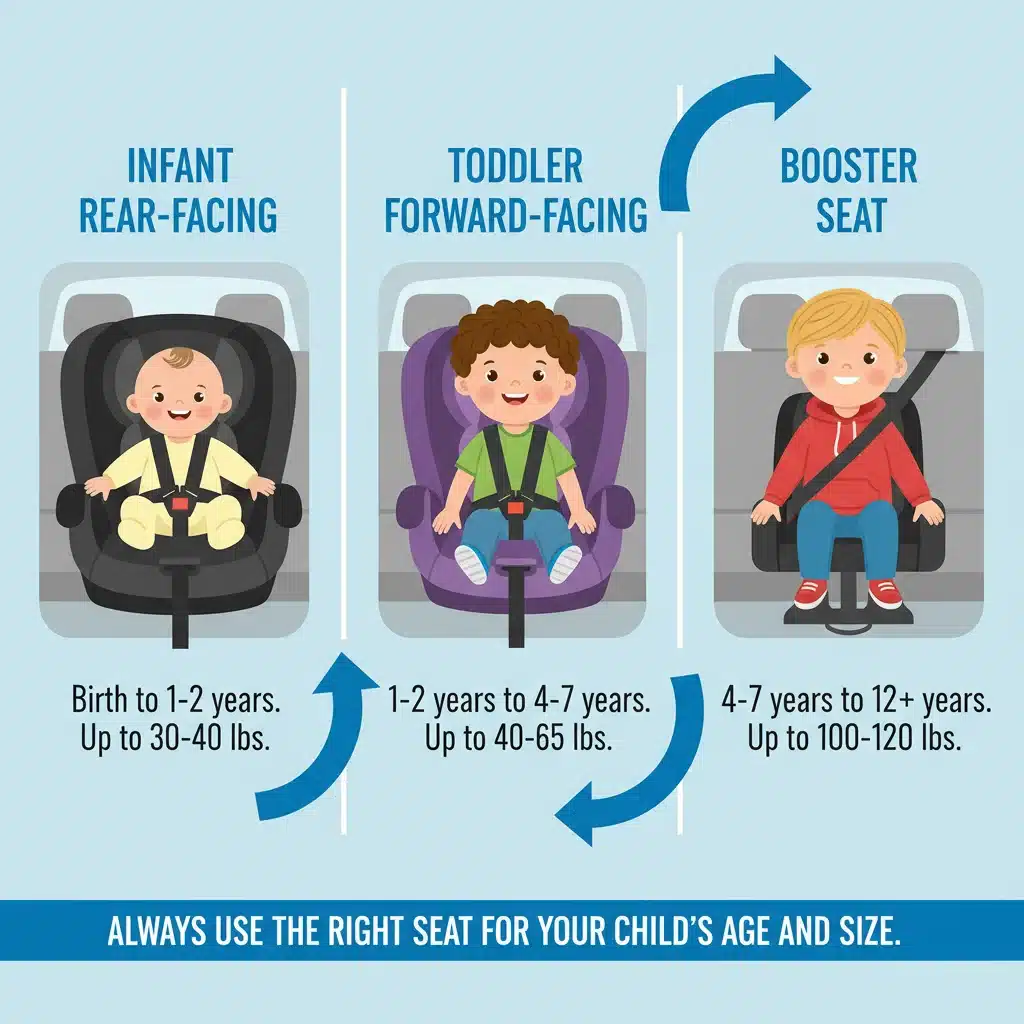
The transition from a five-point harness car seat to a booster seat, and then from a booster seat to a vehicle’s seat belt alone, is a critical stage in child passenger safety. Often, children are moved out of booster seats too early. The 2026 Car Seat Regulations might introduce clearer and potentially more age- or size-specific guidelines for booster seat use, emphasizing the importance of proper seat belt fit over just age. This could mean recommendations for children to remain in booster seats until they are taller or older than previously advised, ensuring the vehicle’s seat belt fits them correctly across the shoulder and hips.
New Labeling and Instruction Requirements
Clear, concise, and easy-to-understand labeling and instruction manuals are vital for proper car seat use. The 2026 updates could mandate more standardized and prominent warnings, installation instructions, and usage guidelines on car seats and in their manuals. This might include visual aids, QR codes linking to instructional videos, or simplified language to help parents understand the critical aspects of their car seat’s safe operation. The goal is to reduce confusion and empower parents with the knowledge to use their car seats correctly.
What These 2026 Car Seat Regulations Mean for Parents
The implementation of new 2026 Car Seat Regulations will have direct implications for parents across the US. Understanding these implications early can help you prepare and make informed decisions about your child’s safety equipment.
Potential Need for New Car Seats
One of the most immediate concerns for parents is whether their current car seat will still be compliant with the new regulations. It’s important to remember that existing car seats that met previous safety standards will not suddenly become illegal to use. However, newer car seats manufactured after the 2026 regulations take effect will be designed to meet these enhanced standards. If you are purchasing a new car seat after 2026, it will automatically adhere to the updated guidelines. If your current car seat is nearing its expiration date or has been involved in a crash, it’s a good opportunity to consider a new model that incorporates the latest safety features.
Increased Focus on Proper Installation and Use
The emphasis on ease of use and clearer instructions within the 2026 Car Seat Regulations underscores the critical importance of correct installation and harnessing. Parents will need to pay even closer attention to manufacturer instructions, seeking professional help if unsure. Many communities offer free car seat check events staffed by certified Child Passenger Safety (CPS) technicians. These resources will become even more valuable in ensuring compliance with the new standards and maximizing safety.
Longer Use of Rear-Facing and Booster Seats
Parents should anticipate a continued and possibly stronger recommendation for keeping children rear-facing for longer periods and using booster seats until children are older and larger. This means resisting the urge to rush children into the next stage of car seat or out of a booster seat prematurely. The new regulations will likely reinforce the idea that age and size, not just age, are the primary factors in determining when a child is ready to transition.
Staying Informed is Key
The most crucial step for parents is to stay informed. Follow official announcements from NHTSA, reputable child safety organizations, and car seat manufacturers. Read reviews and product descriptions carefully when purchasing new car seats to ensure they meet the latest 2026 Car Seat Regulations. Knowledge is your most powerful tool in ensuring your child’s safety.
Preparing for the 2026 Car Seat Regulations: A Parent’s Checklist
While 2026 may seem a little way off, proactive preparation can make the transition to new car seat regulations seamless and stress-free. Here’s a checklist for parents to ensure they are ready for the upcoming changes:
1. Review Your Current Car Seat’s Lifespan and History
Every car seat has an expiration date, typically found on a label on the seat itself or in the instruction manual. Plastics and other materials can degrade over time, compromising safety. If your car seat will expire before or shortly after 2026, or if it has been involved in any type of moderate to severe crash, it’s time to consider a replacement. This provides an excellent opportunity to invest in a seat that will adhere to the new 2026 Car Seat Regulations.
2. Familiarize Yourself with Current Best Practices
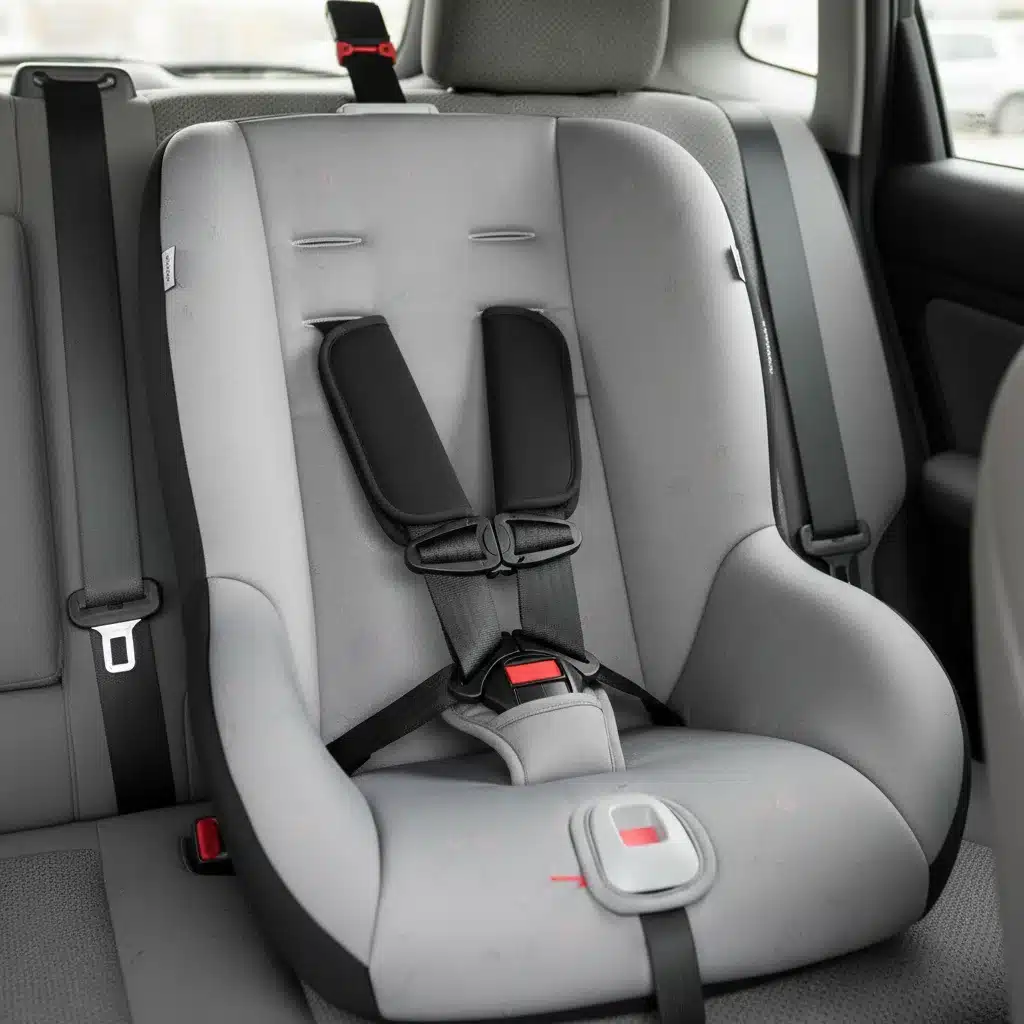
Even before the new regulations fully kick in, it’s wise to ensure you’re following current best practices. This includes keeping children rear-facing for as long as possible, using the correct harness slot, ensuring a snug harness fit (the pinch test), and installing the car seat securely with less than one inch of movement at the belt path. Mastering these fundamentals now will make adapting to any new guidelines easier.
3. Stay Updated on NHTSA Announcements and Industry News
Regularly check the NHTSA website (nhtsa.gov) and official channels from reputable child safety advocacy groups. Car seat manufacturers will also release information regarding how their products comply with the 2026 Car Seat Regulations. Subscribing to newsletters or following these organizations on social media can help you receive timely updates.
4. Consider Professional Car Seat Checks
Even if you’re confident in your car seat installation, a professional check by a certified Child Passenger Safety (CPS) technician can provide invaluable peace of mind. They can identify subtle errors and offer tips for optimal safety. As the 2026 regulations approach, these technicians will be vital resources for understanding how the new rules apply to specific car seat models and vehicles.
5. Educate Yourself on Different Car Seat Types and Stages
Understand the various types of car seats (infant, convertible, all-in-one, booster) and when it’s appropriate to transition a child from one stage to the next. The 2026 Car Seat Regulations are likely to reinforce or even extend the recommended duration for each stage, so a solid understanding of these transitions is crucial. Remember, the goal is always to maximize safety, not to rush to the next stage.
6. Plan Your Purchases Thoughtfully
If you’re expecting a new baby or need to replace an existing car seat, consider purchasing a model that already incorporates advanced safety features, especially those related to side-impact protection or extended rear-facing limits. While current seats remain safe, choosing a forward-looking model can help ensure compliance with future 2026 Car Seat Regulations for longer.
Dispelling Common Myths About Car Seat Regulations
The topic of car seat safety is often fertile ground for myths and misinformation. As we approach the 2026 Car Seat Regulations, it’s important to clarify some common misconceptions:
Myth 1: Once a child turns X age, they can move to a booster/seat belt.
Reality: Age is just one factor. Height and weight are far more critical. A child must meet the specific height and weight requirements for a booster seat and, eventually, for using a vehicle’s seat belt alone. The ‘5-step test’ (back against the seat, knees bent at the edge, lap belt low on hips, shoulder belt across collarbone, able to stay seated properly) is the ultimate determinant for seat belt readiness. The 2026 Car Seat Regulations are expected to reinforce this size-based approach.
Myth 2: More expensive car seats are always safer.
Reality: All car seats sold in the US must meet the same federal safety standards. While more expensive seats might offer additional convenience features, comfort, or advanced materials, they are not inherently ‘safer’ in terms of meeting the minimum safety requirements. Focus on finding a seat that fits your child and vehicle correctly and that you can install and use properly. The 2026 Car Seat Regulations will apply to all car seats, regardless of price point.
Myth 3: Car seats only expire to make you buy new ones.
Reality: Car seats expire for legitimate safety reasons. Over time, plastics can become brittle, and other components can degrade, especially with exposure to extreme temperatures, sunlight, and everyday wear and tear. Additionally, safety technology advances rapidly, and older seats may not incorporate the latest protective features. Expiration dates ensure that the materials and design are still at their peak performance. The 2026 Car Seat Regulations will undoubtedly reflect these advancements.
Myth 4: If a car seat is involved in a minor fender bender, it’s still safe to use.
Reality: NHTSA recommends replacing a car seat after any crash, even a minor one, unless all of the following criteria are met: the vehicle could be driven from the crash site, the vehicle door nearest the car seat was undamaged, there were no injuries to any occupants, the airbags did not deploy, and there is no visible damage to the car seat. When in doubt, replace it. This recommendation will remain valid with the 2026 Car Seat Regulations.
Myth 5: It’s okay to buy a used car seat to save money.
Reality: While tempting, buying a used car seat carries significant risks. You might not know its crash history, whether it’s expired, if all parts are present, or if it has been subject to a recall. It’s almost always safer to purchase a new car seat. If you must use a hand-me-down, ensure you know its full history, verify its expiration date, check for recalls, and obtain the original manual. The unknowns associated with used seats often outweigh the cost savings, especially when considering the upcoming 2026 Car Seat Regulations.
The Role of Technology and Innovation in Future Car Seat Safety
The landscape of child passenger safety is continually shaped by technological advancements and innovative design. The 2026 Car Seat Regulations are expected to embrace some of these innovations, pushing manufacturers to integrate even more sophisticated features into their products. Looking beyond 2026, we can anticipate a future where car seats leverage smart technology to enhance safety and ease of use even further.
Smart Car Seats and Sensor Technology
One of the most exciting areas of development is in smart car seats equipped with sensor technology. These sensors can detect if a child is still in the seat after the vehicle has been turned off, helping to prevent hot car deaths. They can also monitor harness tightness, alert parents to improper installation, or even track a child’s temperature and breathing. While not all of these features may be mandated by the initial 2026 Car Seat Regulations, the standards will likely encourage their integration and lay the groundwork for future requirements.Advanced Materials and Energy Management
Research into new materials continues to yield promising results for car seat safety. Lighter, stronger, and more energy-absorbing materials, such as advanced foams and composites, can significantly improve a car seat’s ability to dissipate crash forces. The 2026 updates will likely push for greater performance in this area, especially concerning side-impact protection, leading to car seats that offer superior protection without necessarily being bulkier or heavier.
Integrated Vehicle-to-Car Seat Communication
As vehicles become more connected and autonomous, the potential for car seats to communicate directly with the vehicle’s safety systems grows. Imagine a car that won’t start if the car seat isn’t properly installed, or a system that automatically adjusts seatbelt tension for an older child based on their weight. While this might be further down the line, the 2026 Car Seat Regulations could begin to explore preliminary standards for such integrations, creating a more cohesive child safety ecosystem within the vehicle.
User-Friendly Installation Interfaces
A significant portion of car seat misuse stems from difficult or confusing installation. Future innovations, potentially influenced by the 2026 regulations, will focus on making installation foolproof. This could involve visual and auditory cues for correct LATCH or seat belt routing, self-tensioning systems, or even augmented reality apps that guide parents through the installation process step-by-step. The goal is to eliminate human error as much as possible.
These technological advancements underscore a future where car seats are not just passive safety devices but active partners in protecting children. The 2026 Car Seat Regulations will be a crucial step in this ongoing journey, setting new benchmarks for safety and encouraging further innovation in the industry.
Conclusion: Prioritizing Child Safety with the 2026 Car Seat Regulations
The upcoming 2026 Car Seat Regulations represent a vital progression in child passenger safety in the United States. These updates are not merely bureaucratic changes; they are the result of dedicated research, real-world data, and a continuous commitment to enhancing the protection of our children on the road. For parents, understanding and adapting to these new guidelines is an essential part of responsible parenting.
From potentially stricter requirements for side-impact protection and extended rear-facing use to improved LATCH systems and clearer labeling, the 2026 changes aim to make car seats more effective and easier to use correctly. While your current car seat, if used properly and within its lifespan, remains safe, staying informed about the new standards will empower you to make the best decisions for future purchases and ensure ongoing compliance.
Remember, car seat safety is a journey, not a destination. It requires ongoing vigilance, education, and a willingness to adapt to new best practices. By staying up-to-date with official sources like NHTSA, consulting with certified Child Passenger Safety technicians, and making informed choices, you can confidently navigate the evolving landscape of child restraint systems. Your proactive efforts in understanding and implementing the 2026 Car Seat Regulations will contribute significantly to the safety and well-being of your most precious passengers for years to come.
Let’s all commit to making every ride a safe ride, ensuring that our children are protected by the highest standards of care and technology.