Preschool Methodologies 2026: Montessori, Reggio, Waldorf
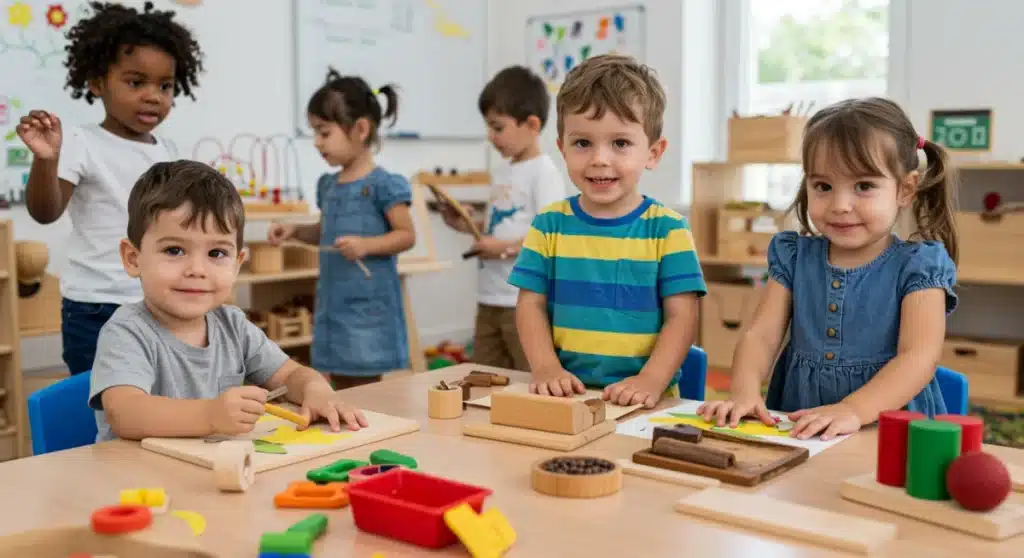
Choosing the right preschool in 2026 necessitates a thorough understanding of leading methodologies like Montessori, Reggio Emilia, and Waldorf, each offering unique pathways to optimal child development through distinct pedagogical approaches and practical solutions.
Navigating the vast landscape of early childhood education can feel overwhelming for parents. In 2026, the decision of choosing the right preschool in 2026: a comparison of 3 top methodologies for optimal child development (comparison/analysis, practical solutions) remains a pivotal one, shaping a child’s foundational learning experiences. This guide aims to demystify the leading pedagogical approaches, offering clarity and practical insights to help you make an informed choice for your child’s future.
Understanding the Importance of Early Childhood Education
Early childhood education is far more than just daycare; it’s a critical period that lays the groundwork for a child’s cognitive, social, emotional, and physical development. The experiences children have during these formative years profoundly impact their future academic success, social interactions, and overall well-being. A high-quality preschool program can foster a love for learning, develop crucial problem-solving skills, and build confidence.
Investing in a child’s early education yields significant long-term benefits, not just for the individual child but for society as a whole. Studies consistently show that children who attend quality preschools are more likely to graduate high school, pursue higher education, and become productive members of their communities. This foundational stage is where curiosity is sparked and essential developmental milestones are met through intentional educational design.
The foundational impact on development
The first five years of life are characterized by rapid brain development, making them prime for acquiring new skills and knowledge. During this period, children develop language abilities, learn social norms, and begin to understand their place in the world. A structured yet nurturing environment can significantly enhance these developmental processes.
- Cognitive growth: Enhances critical thinking, problem-solving, and literacy skills.
- Social-emotional skills: Fosters empathy, cooperation, and emotional regulation.
- Physical development: Improves fine and gross motor skills through play and activities.
- Language acquisition: Expands vocabulary and communication abilities through rich interactions.
Choosing a preschool that aligns with your family’s values and your child’s individual needs is crucial. Each methodology offers a distinct philosophy on how children learn best, emphasizing different aspects of development. Understanding these nuances is the first step toward making an optimal choice for your child’s optimal development and future success.
In conclusion, early childhood education is a cornerstone of lifelong learning and development. It provides children with the necessary tools and experiences to thrive in a complex world, fostering a holistic growth that extends far beyond the classroom walls. The right environment can ignite a passion for discovery and learning that lasts a lifetime.
Montessori: Fostering Independence and Self-Directed Learning
The Montessori method, developed by Dr. Maria Montessori, emphasizes self-directed activity, hands-on learning, and collaborative play. In a Montessori classroom, children make creative choices in their learning, while the classroom and the highly trained teacher offer age-appropriate activities to guide the process. The core philosophy centers on respecting the child as an individual learner, allowing them to progress at their own pace.
Montessori environments are meticulously prepared, often featuring mixed-age classrooms where older children mentor younger ones. This setup encourages peer learning and fosters a sense of community. The materials are designed to be self-correcting, allowing children to identify and learn from their own mistakes, thereby building independence and problem-solving skills. The teacher acts as a guide, observing and intervening only when necessary to facilitate learning.
Key principles of Montessori education
At the heart of the Montessori approach are several guiding principles that shape the learning experience. These principles aim to cultivate intrinsic motivation and a deep love for learning within each child. The structured freedom provided allows children to explore their interests while developing foundational skills.
- Prepared environment: Classrooms are designed to be orderly and aesthetically pleasing, with materials placed within reach of children.
- Absorbent mind: Acknowledges children’s unique capacity to absorb knowledge from their environment effortlessly.
- Sensitive periods: Recognizes specific periods when children are particularly receptive to learning certain skills.
- Auto-education: Children learn through self-discovery and independent activity, often with self-correcting materials.
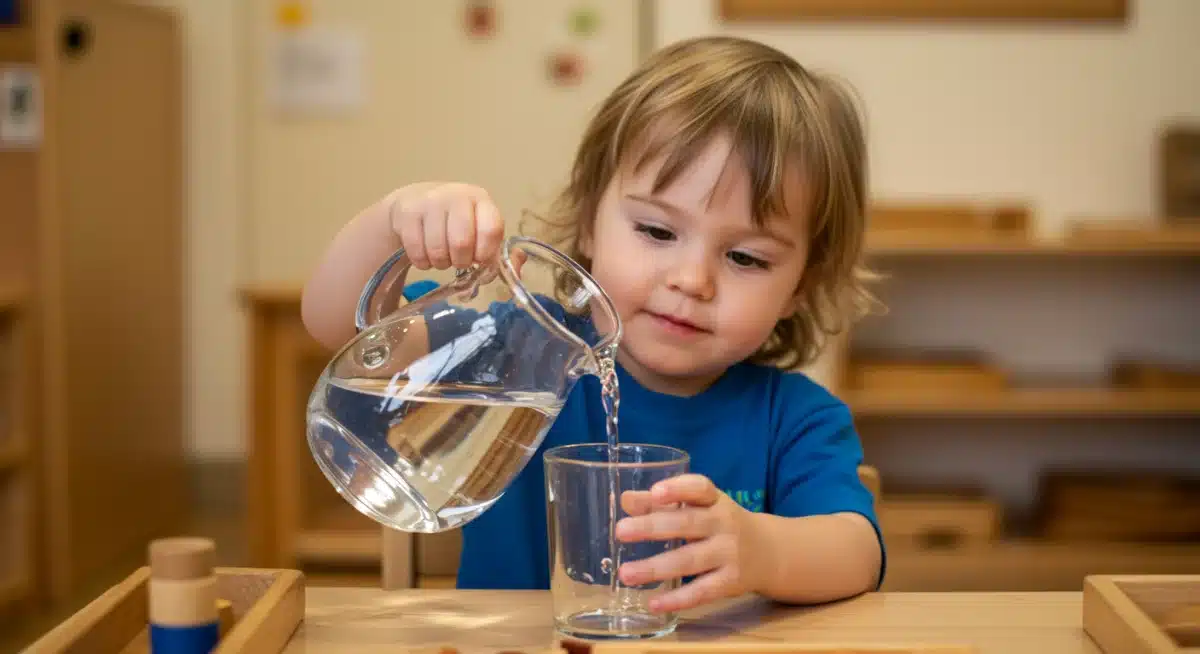
The Montessori curriculum covers practical life skills, sensorial education, language, mathematics, and cultural studies. Practical life activities, such as pouring, sweeping, and buttoning, help children develop fine motor skills, concentration, and a sense of order. Sensorial materials refine the senses, preparing children for abstract concepts in mathematics and language.
In conclusion, the Montessori method provides a child-centered approach that prioritizes independence, self-motivation, and a love for learning. It prepares children not just academically, but also socially and emotionally, equipping them with the tools to navigate the world with confidence and curiosity. The emphasis on individual pacing ensures that every child’s unique developmental journey is honored and supported.
Reggio Emilia: The Child as a Protagonist and Co-Constructor of Knowledge
The Reggio Emilia approach originated in the Reggio Emilia region of Italy after World War II, founded by Loris Malaguzzi and the parents of the villages. This philosophy views the child as a strong, capable, and resilient individual, rich with wonder and knowledge. It emphasizes the child’s innate potential and their role as a protagonist in their own learning journey, actively constructing knowledge through experiences and interactions.
A hallmark of the Reggio Emilia approach is the concept of the ‘hundred languages’ of children, referring to their many ways of expressing themselves through drawing, sculpture, dramatic play, music, and more. The classroom environment, often called the ‘third teacher,’ is meticulously designed to be aesthetically pleasing, stimulating, and reflective of the children’s interests. Documentation of children’s work, through photographs, transcripts of conversations, and displays of projects, is central to the method, making learning visible to parents and educators.
Project-based learning and collaboration
Collaboration is a cornerstone of Reggio Emilia. Children, teachers, and parents are seen as co-constructors of knowledge, engaging in continuous dialogue and exploration. Projects, often long-term and emergent from children’s interests, drive the curriculum. These projects allow for deep exploration of topics, fostering critical thinking, creativity, and problem-solving skills.
- Emergent curriculum: Projects are not pre-planned but emerge from the children’s interests and questions.
- The atelier and atelierista: Dedicated art studio (atelier) and an art specialist (atelierista) support children’s creative expression.
- Documentation: Detailed records of children’s learning processes are kept to reflect on and guide future activities.
- Parent participation: Parents are actively involved in the school community and their children’s learning.
The role of the teacher in Reggio Emilia is that of a co-learner and facilitator, carefully observing children’s play and discussions to identify their curiosities and guide projects. Teachers help children articulate their ideas, connect their experiences, and represent their understandings in various forms. This dynamic interaction fosters a rich learning environment where children feel empowered to explore and express themselves.
In summary, the Reggio Emilia approach celebrates the child’s inherent capabilities and creativity. It creates a vibrant, collaborative learning community where children are encouraged to express their ‘hundred languages’ and engage in meaningful, project-based learning. This method nurtures a child’s natural curiosity and fosters a deep sense of belonging and intellectual engagement.
Waldorf Education: Nurturing Imagination and Holistic Development
Waldorf education, founded by Rudolf Steiner, offers a holistic approach that seeks to educate the whole child: head, heart, and hands. It emphasizes imagination, creativity, and the development of moral and spiritual values. Waldorf preschools prioritize a nurturing, home-like environment that fosters a sense of wonder and security, allowing children to unfold naturally at their own pace.
The curriculum is designed to align with the developmental stages of children, with a strong emphasis on imaginative play, storytelling, music, and artistic activities in the early years. Formal academics, such as reading and writing, are introduced later than in many other educational systems, typically around age seven, to protect and nurture the child’s developing imagination and readiness for abstract thought. This delay is intentional, allowing children to build a strong foundation in sensory and physical experiences.
Rhythm, routine, and natural materials
Rhythm and routine are central to the Waldorf preschool day, providing children with a predictable and secure environment. Activities often include baking, gardening, painting, drawing, and storytelling, all aimed at stimulating creativity and developing practical skills. The use of natural materials for toys and crafts is also a defining characteristic, encouraging open-ended play and connection with nature.
- Emphasis on imagination: Storytelling, fairy tales, and creative play are central to the curriculum.
- Rhythm and routine: Predictable daily and weekly schedules provide security and comfort.
- Natural materials: Toys and crafts are made from wood, wool, and other natural elements.
- Delayed academics: Formal reading and writing are introduced later, focusing on readiness.
The Waldorf teacher plays a pivotal role in creating a warm and predictable environment, often remaining with the same class for several years to build deep relationships and understanding of each child. Teachers guide children through imitation and example, fostering social skills and a sense of reverence for the world around them. This consistent presence provides continuity and a strong sense of community.
In essence, Waldorf education provides a gentle, artistic, and developmentally appropriate approach to early childhood. It nurtures the child’s imagination, creativity, and sense of wonder, preparing them for a lifelong journey of learning with a strong ethical and spiritual foundation. The focus on holistic development ensures that children grow into well-rounded individuals with a deep appreciation for beauty and connection.
Comparing the Methodologies: Key Differences and Similarities
While Montessori, Reggio Emilia, and Waldorf each offer unique strengths, understanding their distinct philosophies and approaches is key for parents. All three methods share a common respect for the child as an individual and recognize the importance of hands-on learning, but they diverge significantly in their implementation, curriculum focus, and teacher roles. A careful comparison reveals the specific benefits each offers, allowing parents to align their choice with their child’s personality and their family’s educational priorities.
For instance, Montessori emphasizes individual work and self-correction, Reggio Emilia thrives on collaborative projects and expressive arts, and Waldorf prioritizes imaginative play and rhythmic activities. Knowing these core differences helps in identifying which environment might best suit a particular child’s learning style and developmental needs, ensuring optimal engagement and growth.
Philosophical underpinnings and practical applications
The philosophical roots of each methodology inform their daily practices. Montessori’s scientific observation of children led to a structured environment with specific materials. Reggio Emilia’s post-war origins fostered a community-led, expressive approach. Waldorf’s anthroposophical background emphasizes spiritual and artistic development, delaying formal academics.
- Child’s role: Montessori views the child as self-learner; Reggio as co-constructor; Waldorf as imaginative being.
- Teacher’s role: Montessori teacher as guide; Reggio as co-learner/facilitator; Waldorf as nurturer/storyteller.
- Curriculum focus: Montessori on practical life/academics; Reggio on emergent projects/arts; Waldorf on imaginative play/rhythm.
- Environment: Montessori prepared, orderly; Reggio ‘third teacher,’ aesthetic; Waldorf home-like, natural.
Despite these differences, a common thread among all three is the recognition that young children learn best through active engagement rather than passive reception. They all advocate for environments that are respectful of children’s developmental stages and individual capacities. The choice often comes down to which type of structure and emphasis resonates most with a family’s educational goals and the child’s individual temperament.
In conclusion, while all three methodologies are respected for their child-centered approaches, their distinct philosophies lead to varied classroom experiences. Parents should consider their child’s personality – whether they thrive with independence, collaboration, or imaginative play – to determine the best fit. This comparative analysis provides a clearer path to making an informed decision about early education.
Practical Solutions for Choosing the Right Preschool in 2026
Selecting the ideal preschool for your child in 2026 requires more than just understanding the different methodologies; it demands practical steps and careful consideration of various factors. This decision impacts not only your child’s early education but also their overall comfort and happiness in a new environment. By adopting a systematic approach, parents can confidently navigate the options and find a program that truly aligns with their family’s needs and aspirations.
Begin by researching schools in your area, considering their accreditation, teacher-to-child ratios, and safety protocols. Beyond the theoretical aspects of each methodology, observe how these principles are applied in daily classroom life. A practical solution involves combining online research with direct observation and engagement with potential schools and their staff.
Key considerations for parents
When evaluating preschools, it’s essential to look beyond the brochure and delve into the daily operations and environment. Consider your child’s unique personality and learning style; some children thrive in highly structured settings, while others benefit from more open-ended exploration. Your family’s values and schedule are also important factors.
- Visit the schools: Observe a typical day, interact with teachers, and gauge the overall atmosphere.
- Consider your child’s personality: Does your child prefer structure or free exploration? Is social interaction key?
- Teacher qualifications and ratios: Inquire about teacher training, experience, and class sizes.
- Logistics: Proximity, schedule flexibility, and cost are practical considerations.
Don’t hesitate to ask questions during visits. Inquire about how the school handles discipline, parent communication, and transitions for new students. Speaking with other parents who have children enrolled in the program can also provide valuable insights. Trust your instincts; a school that feels right for your child and family is often the best choice.
Ultimately, the goal is to find a preschool that fosters a positive and enriching experience for your child, preparing them for future academic challenges while nurturing their social and emotional well-being. By taking a thoughtful and practical approach, you can ensure that your choice contributes significantly to your child’s optimal development.
Future Trends and Innovations in Preschool Education for 2026
As we look towards 2026, preschool education continues to evolve, integrating new research and technological advancements to enhance early learning experiences. While the foundational methodologies of Montessori, Reggio Emilia, and Waldorf remain strong, they are increasingly being adapted and combined with innovative practices. Parents should be aware of these emerging trends, as they may influence the availability and quality of preschool options in the coming years.
One significant trend is the increased focus on digital literacy and age-appropriate technology integration. This doesn’t mean toddlers will be glued to screens, but rather that technology will be used as a tool to enhance learning, such as interactive whiteboards for collaborative projects or educational apps designed for young children under guided supervision. The aim is to introduce technology as a creative and exploratory medium, not just for consumption.
Personalized learning and environmental consciousness
Personalized learning, already a buzzword in K-12 education, is gaining traction in preschools. This involves tailoring learning experiences to each child’s individual pace, interests, and strengths, often supported by data-driven insights and flexible curriculum delivery. This trend aligns well with the child-centered nature of the methodologies discussed, pushing for even greater individualization.
- STEAM integration: Increased emphasis on Science, Technology, Engineering, Arts, and Mathematics from an early age.
- Nature-based learning: Growing popularity of outdoor classrooms and forest schools, connecting children with the natural world.
- Social-emotional learning (SEL): Enhanced focus on developing empathy, self-awareness, and relationship skills.
- Hybrid models: Blending elements from multiple proven methodologies to create a unique, comprehensive approach.
Another area of growth is the emphasis on environmental education and sustainability. Many preschools are incorporating gardening, recycling, and lessons about conservation into their daily routines, fostering a sense of responsibility towards the planet from a young age. This hands-on approach helps children understand their role in the wider world.
In conclusion, the landscape of preschool education in 2026 is dynamic and forward-thinking. While traditional methodologies provide robust frameworks, new trends are enhancing the learning experience, making it more personalized, technologically informed, and environmentally conscious. Parents should seek out programs that not only adhere to a strong pedagogical philosophy but also embrace these innovations to prepare children for a rapidly changing future.
| Key Methodology | Core Focus |
|---|---|
| Montessori | Self-directed learning, independence, practical life skills, structured environment. |
| Reggio Emilia | Child as protagonist, collaborative projects, expressive arts, environment as “third teacher.” |
| Waldorf | Imagination, holistic development, rhythm, natural materials, delayed academics. |
| Common Ground | Child-centered, hands-on learning, respect for individual developmental pace. |
Frequently Asked Questions About Preschool Methodologies
Montessori emphasizes individual, self-directed work with specific materials in a structured environment. Reggio Emilia, conversely, focuses on collaborative, project-based learning where children co-construct knowledge through various expressive arts, with the environment acting as a “third teacher.” Both value child-led exploration but differ in approach.
Waldorf education thrives on imagination, rhythm, and a nurturing, home-like atmosphere. It delays formal academics, which can be ideal for children who benefit from extended imaginative play and a gentle introduction to structured learning. However, children who prefer earlier academic challenges or highly structured tasks might find it less stimulating.
Parents should look for accredited programs, observe teacher-to-child ratios, and inquire about staff qualifications. Visiting the school, observing classroom dynamics, and speaking with other parents are crucial steps. A high-quality preschool will have a clear philosophy, a safe environment, and engaged, caring educators.
Play is central to all three. Montessori incorporates purposeful play with educational materials. Reggio Emilia uses play as a medium for project exploration and creative expression. Waldorf emphasizes imaginative, open-ended play as the primary mode of learning and development in early childhood. Each recognizes play’s vital role.
Yes, hybrid models are gaining popularity. Many preschools are blending elements from different methodologies to create a unique approach that caters to a broader range of children’s needs and incorporates modern educational trends. This allows for greater flexibility and a more comprehensive learning experience for optimal child development.
Conclusion
The decision of choosing the right preschool in 2026: a comparison of 3 top methodologies for optimal child development (comparison/analysis, practical solutions) is multifaceted, requiring careful consideration of various factors beyond just the philosophical approach. Montessori, Reggio Emilia, and Waldorf each offer distinct, valuable pathways to early childhood education, fostering different aspects of a child’s growth. By understanding their core tenets, observing classroom environments, and aligning the choice with your child’s personality and your family’s values, you can confidently select a program that provides a strong foundation for lifelong learning and well-being. The ultimate goal is to find an environment where your child feels secure, inspired, and excited to explore the world around them, setting the stage for optimal development.