Family Dinner Revolution: 3 Steps to Involve Kids in Meal Prep by Summer 2026
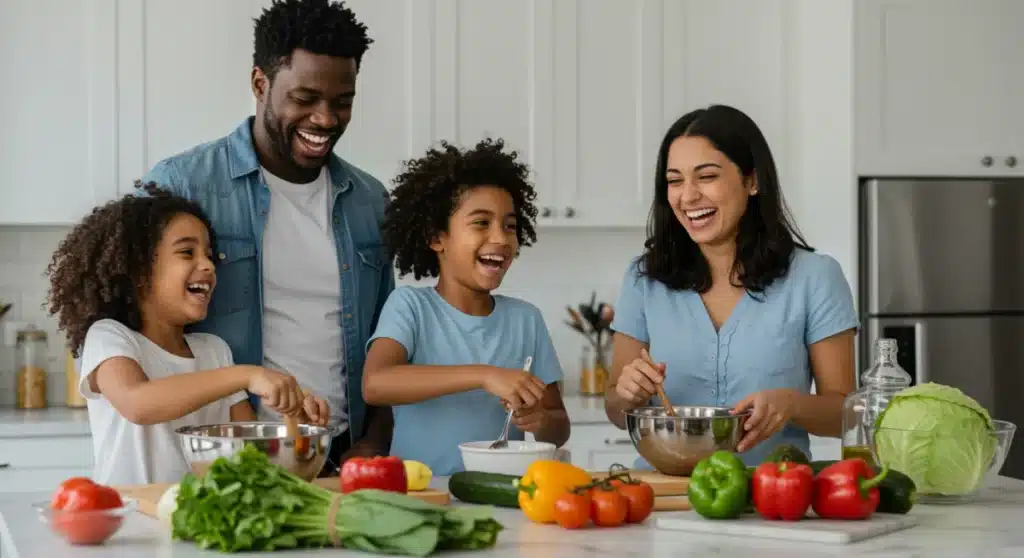
The Family Dinner Revolution: 3 Simple Steps to Involve Kids in Meal Prep by Summer 2026 empowers children to participate in creating family meals, cultivating essential life skills, promoting healthier eating, and strengthening family bonds through shared culinary experiences.
Imagine a future where dinner time isn’t a scramble, but a collaborative effort, filled with laughter and learning. The Family Dinner Revolution: 3 Simple Steps to Involve Kids in Meal Prep by Summer 2026 is not just a dream, but an achievable goal for every household. This guide will show you how to transform your kitchen into a hub of family activity, empowering your children to become active participants in preparing delicious, nutritious meals. Get ready to embrace a new era of family dining, where shared responsibilities lead to stronger connections and healthier habits.
Understanding the ‘Why’ Behind Kids in the Kitchen
Before diving into the ‘how,’ it’s crucial to grasp the profound benefits of involving children in meal preparation. This isn’t just about getting an extra pair of hands; it’s about nurturing essential life skills, fostering independence, and building a stronger family unit. When kids participate in cooking, they develop a deeper appreciation for the food they eat and the effort involved in creating it.
Children who regularly help in the kitchen tend to be more adventurous eaters, willing to try new foods they’ve helped prepare. This hands-on experience demystifies ingredients and cooking processes, making healthy choices more appealing. Beyond nutrition, it’s a fantastic opportunity for practical learning, from basic math (measuring ingredients) to science (understanding how food changes when cooked) and even literacy (reading recipes).
The developmental advantages of early culinary involvement
Engaging children in meal prep offers a wealth of developmental benefits that extend far beyond the kitchen. It promotes fine motor skills as they chop, stir, and knead. It enhances cognitive development through problem-solving and following instructions. Social-emotional growth is also significant, as children learn teamwork, patience, and the satisfaction of contributing to a shared goal.
- Improved fine motor skills through chopping and stirring.
- Enhanced cognitive development via following recipes and measuring.
- Boosted self-esteem and confidence from contributing.
- Greater understanding of nutrition and healthy eating habits.
Ultimately, inviting kids into the kitchen transforms meal prep from a chore into a valuable learning experience and a cherished family tradition. It’s an investment in their future health, well-being, and ability to navigate the world with confidence and competence.
Step 1: Age-Appropriate Tasks and Safety First
The cornerstone of a successful family meal prep revolution is assigning tasks that match your child’s age and skill level, always prioritizing safety. Introducing children to cooking should be a positive and empowering experience, not one filled with frustration or danger. Start small and gradually increase responsibility as their confidence and abilities grow.
For toddlers and preschoolers, simple tasks like washing fruits and vegetables, tearing lettuce, or stirring ingredients in a bowl are perfect. These activities allow them to participate without requiring sharp tools or hot surfaces. As children enter early elementary school, they can begin to measure ingredients, crack eggs, or even use child-safe knives for soft foods under close supervision. Always ensure they understand the importance of hygiene, such as washing hands before and during food preparation.
Creating a safe and engaging kitchen environment
A safe kitchen environment is paramount. Designate a specific area where your child can work comfortably and reach surfaces without strain. Provide age-appropriate tools, such as kid-friendly knives, cutting boards, and aprons. Discuss kitchen rules clearly and consistently, emphasizing the dangers of hot stoves and sharp utensils. Make safety a routine part of the process, not an occasional warning.
- Toddlers (2-4 years): Wash produce, tear greens, stir ingredients, wipe counters.
- Preschoolers (4-6 years): Mash soft foods, set the table, pour liquids, spread butter.
- Early Elementary (6-8 years): Measure ingredients, crack eggs, use child-safe knives (supervised), mix batters.
- Late Elementary (8-10+ years): Peel vegetables, chop with adult knives (supervised), follow simple recipes, use basic appliances.
By carefully selecting tasks and maintaining a vigilant eye on safety, you create an environment where children can learn, experiment, and contribute meaningfully to meal preparation. This thoughtful approach builds a foundation of trust and skill, paving the way for more complex culinary adventures in the future.
Step 2: Make it Fun and Engaging
Involving kids in meal prep isn’t just about the outcome; it’s about the journey. To ensure long-term participation and enthusiasm, making the experience enjoyable is key. Transform the kitchen into a creative playground where food becomes an exciting medium for expression and discovery. This approach shifts the perception of cooking from a chore to a cherished family activity.
Think beyond just cooking. Play music, tell stories, or turn it into a game. Perhaps they can be the ‘head chef’ for the day, choosing a recipe and delegating tasks. Let them experiment with flavors (within reason) or decorate dishes. The more ownership and fun they feel, the more likely they are to engage willingly and develop a lifelong love for cooking. Remember, a little mess is a small price to pay for big memories and valuable lessons.
Creative ideas to boost kitchen enthusiasm
Injecting creativity into meal prep can turn reluctant helpers into eager culinary assistants. Theme nights, like ‘Taco Tuesday’ where kids build their own tacos, or ‘Pizza Party Friday’ where they design their own pizzas, can be highly motivating. Encourage them to name their creations or invent new dishes using available ingredients. Storytelling around the origin of ingredients or family recipes adds another layer of engagement.
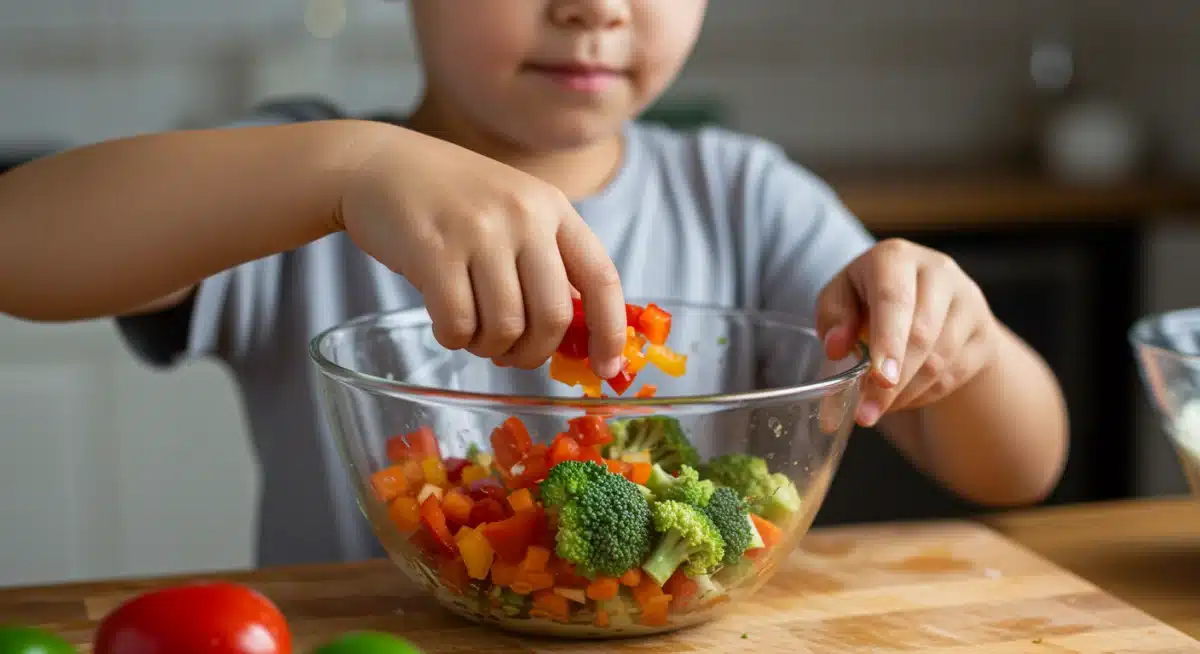
Beyond the actual cooking, involve them in other fun aspects of meal planning. They can help choose recipes from cookbooks or online, create grocery lists, or even design a family menu for the week. This broader involvement increases their sense of responsibility and makes them feel like a valued member of the team.
- Utilize colorful ingredients to make dishes visually appealing.
- Turn cooking into a game with challenges or rewards.
- Allow kids to personalize their portions or decorations.
- Play music or audiobooks while cooking to create a lively atmosphere.
By fostering a joyful and creative atmosphere, you’re not just teaching them to cook; you’re cultivating a positive relationship with food, family, and the shared experience of creating something delicious together. This makes the Family Dinner Revolution not only effective but also incredibly rewarding.
Step 3: Consistency and Patience for Lasting Habits
Like any new skill or routine, consistency is vital for integrating kids into meal prep successfully. Sporadic attempts are unlikely to yield lasting habits. Instead, aim for a regular schedule, even if it’s just once or twice a week initially. Patience, too, is a virtue; children learn at different paces, and setbacks are a natural part of the process. The goal is progress, not perfection.
Establish a designated ‘cooking day’ or ‘prep time’ where everyone knows their role. This predictability helps children anticipate and prepare for their involvement. It also reinforces the idea that meal prep is a shared family responsibility, not just an occasional favor. Be prepared for messes, slower progress, and moments of distraction. These are opportunities for teaching and bonding, not sources of frustration.
Overcoming common challenges and maintaining momentum
Challenges are inevitable when involving children in any new activity. They might lose interest, make mistakes, or simply be uncooperative on certain days. When this happens, avoid criticism. Instead, offer gentle guidance, simplify the task, or take a short break. Positive reinforcement, even for small efforts, goes a long way in building their confidence and willingness to participate.
- Establish a regular schedule for meal prep involvement.
- Be patient with mistakes and focus on effort over perfection.
- Offer positive reinforcement and praise for their contributions.
- Adapt tasks or take breaks when children lose interest or get frustrated.
Remember, the long-term benefits of teaching your children to cook far outweigh the short-term inconveniences. By consistently providing opportunities for involvement and approaching the process with patience and understanding, you are laying the groundwork for independent, healthy eaters and active contributors to family life. This sustained effort ensures the Family Dinner Revolution becomes a permanent, positive fixture in your home by Summer 2026.
Beyond the Kitchen: The Ripple Effect on Family Life
The impact of involving kids in meal prep extends far beyond the confines of the kitchen. This shared activity creates a powerful ripple effect that enhances various aspects of family life, fostering stronger bonds, improved communication, and a deeper sense of collective responsibility. It’s an investment in the emotional and social fabric of your household.
When families cook together, they spend quality time interacting without the distractions of screens or external pressures. This shared experience naturally leads to conversations, laughter, and a sense of camaraderie. Children feel valued and heard when their contributions are recognized, boosting their self-esteem and sense of belonging. The dinner table, once a place solely for eating, transforms into a forum for connection and celebration of collective effort.
Strengthening family bonds and communication
Cooking together provides a unique platform for strengthening family bonds. It encourages teamwork and cooperation, as everyone works towards a common goal. This collaborative environment teaches children the importance of supporting one another and understanding different roles within a team. Parents also gain insight into their children’s personalities, problem-solving skills, and emerging independence.
- Increased quality family time and meaningful interaction.
- Improved communication and listening skills.
- Enhanced sense of teamwork and shared responsibility.
- Greater appreciation for each other’s efforts and contributions.
The discussions that naturally arise during meal prep—about ingredients, recipes, or even just daily life—contribute to more open and honest communication within the family. This holistic approach to mealtime makes the Family Dinner Revolution a powerful tool for nurturing a happy, healthy, and connected family unit, well into Summer 2026 and beyond.
Future-Proofing Your Family’s Mealtime Habits by Summer 2026
Looking ahead to Summer 2026, the goal is not just to involve kids in meal prep occasionally, but to embed these practices into the very fabric of your family’s routine. This means future-proofing your mealtime habits, ensuring that the skills and values learned today continue to benefit your children as they grow, fostering lifelong healthy eating and culinary independence. It’s about creating a sustainable system.
Consider establishing a family recipe book filled with dishes your children have helped create and enjoy. This personal touch makes cooking even more meaningful. Encourage them to take the lead on certain meals or contribute their own recipe ideas. As they mature, empower them to plan entire weekly menus, including grocery shopping lists, which further solidifies their understanding of the entire food process from farm to table.
Long-term benefits for health and independence
The long-term benefits of this revolution are profound. Children who learn to cook are more likely to make healthier food choices throughout their lives, as they understand ingredients and how to prepare nutritious meals. This reduces reliance on processed foods and fast food, contributing to better overall health and well-being.
- Children develop essential life skills for independent living.
- Increased likelihood of making healthy food choices as adults.
- Reduced reliance on convenience foods and unhealthy options.
- Fosters creativity and adaptability in the kitchen.
Beyond health, culinary skills are a cornerstone of independence. As they transition into adolescence and adulthood, the ability to cook for themselves and others is invaluable. By Summer 2026, your family will not only enjoy more harmonious mealtimes but also have equipped your children with a powerful set of skills that will serve them for a lifetime, truly embodying the spirit of the Family Dinner Revolution.
Troubleshooting and Sustaining the Revolution
Even with the best intentions, maintaining a family dinner revolution can present its challenges. There will be days when enthusiasm wanes, schedules clash, or unforeseen obstacles arise. The key to sustaining this positive change lies in adaptability, open communication, and a willingness to troubleshoot and adjust your approach as needed. Remember, consistency doesn’t mean rigidity.
One common hurdle is time. Modern family life is busy, and finding dedicated meal prep time can be difficult. Look for opportunities to integrate small tasks throughout the day or assign roles for weekend prep that can simplify weekday cooking. Another challenge might be picky eaters. Involving them in the preparation of even one component of a meal can increase their willingness to try it. Always celebrate small victories and learn from setbacks.
Tips for keeping the momentum going
To keep the momentum of your Family Dinner Revolution alive, regular check-ins and adjustments are crucial. Have family meetings to discuss what’s working well and what could be improved. Encourage feedback from your children on recipes, tasks, and the overall experience. This collaborative problem-solving makes them more invested in the success of the initiative.
- Regularly review and adjust meal prep roles and schedules.
- Incorporate children’s favorite foods and new culinary adventures.
- Celebrate successes, big and small, to maintain motivation.
- Keep an open mind and be flexible with your approach.
Remember that the goal is not just to have perfectly cooked meals, but to foster a positive relationship with food and each other. By embracing flexibility, celebrating progress, and continuously seeking ways to make the experience enjoyable and educational, your family can sustain this revolution long past Summer 2026, creating a legacy of shared meals and cherished memories.
| Key Point | Brief Description |
|---|---|
| Age-Appropriate Tasks | Assigning tasks matching a child’s age and skill level is crucial for safety and engagement. |
| Make it Fun | Incorporate games, music, and creativity to transform meal prep into an enjoyable family activity. |
| Consistency & Patience | Regular practice and understanding are essential for building lasting habits and skill development. |
| Family Bonding | Shared meal prep strengthens communication, teamwork, and overall family connections. |
Frequently Asked Questions about Kids in Meal Prep
For toddlers (2-4 years), ideal tasks include washing fruits and vegetables, tearing lettuce, stirring ingredients in a bowl, or wiping down counters. These activities are safe, simple, and allow them to feel involved without using sharp tools or hot surfaces.
For older children, make it fun by letting them choose recipes, plan a weekly menu, or even invent new dishes. Incorporate music, theme nights, or turn cooking into a friendly competition. Empowering them with choice and creativity boosts engagement.
If a child loses interest, avoid criticism. Instead, offer a gentle break, simplify the task, or switch to a different, more engaging activity. Positive reinforcement for their efforts, even small ones, can reignite their motivation and willingness to participate.
Children who help prepare meals are more likely to try and enjoy the food they’ve made. This hands-on experience demystifies ingredients and cooking, making healthy options more appealing and fostering a deeper appreciation for nutritious eating.
Long-term benefits include enhanced independence, stronger family bonds, improved communication, and lifelong healthy eating habits. Children develop essential life skills, gain confidence, and build a positive relationship with food and family.
Conclusion
Embarking on the Family Dinner Revolution: 3 Simple Steps to Involve Kids in Meal Prep by Summer 2026 offers a transformative path for families seeking deeper connections and healthier habits. By systematically applying age-appropriate tasks, making the process genuinely fun, and maintaining unwavering consistency and patience, you are not just preparing meals; you are cultivating invaluable life skills, nurturing independence, and strengthening the very core of your family unit. This journey extends beyond the kitchen, fostering improved communication and a shared sense of accomplishment that will resonate for years to come. Embrace this revolution, and watch your family thrive together, one delicious, co-created meal at a time.