Smart Snack Swaps for Kids: Cut 20% Sugar Intake in the US
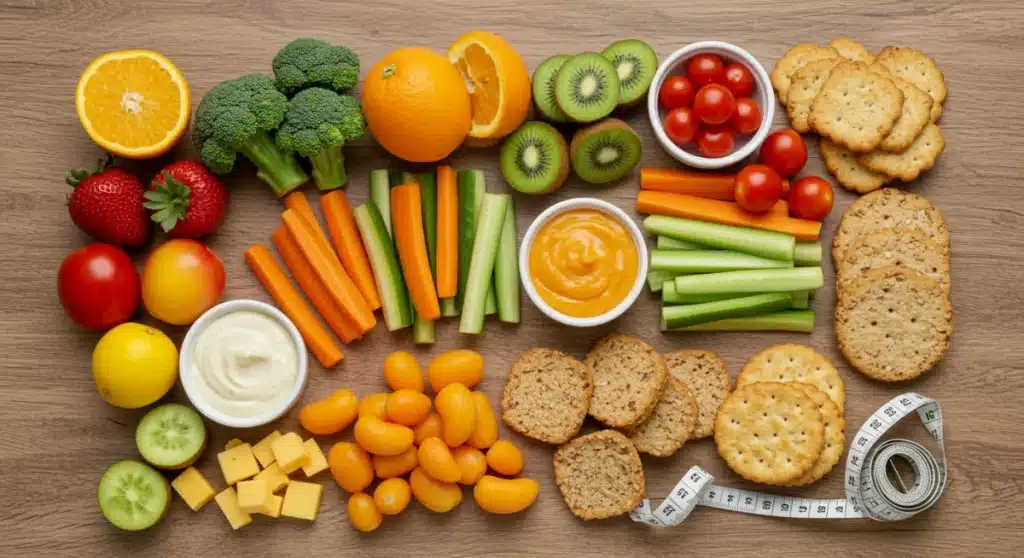
Parents can effectively implement smart snack swaps for their children in the US, leading to a significant 20% reduction in sugar intake by choosing nutritious and appealing alternatives over processed options.
Navigating the world of children’s snacks can feel like a constant battle against sugar. In the US, where processed foods often dominate the snack aisle, finding genuinely healthy and appealing alternatives for your kids is a paramount concern for many parents. This guide on smart snack swaps offers practical, delicious, and effective strategies to help you reduce your children’s sugar intake by a significant 20%, ensuring they get the nutrients they need without the unnecessary additives.
Understanding the Sugar Challenge in Kids’ Diets
The prevalence of added sugars in children’s diets across the United States poses a substantial health challenge. From sugary drinks to seemingly innocuous snack bars, sugar lurks in many places, contributing to issues like obesity, dental problems, and even behavioral concerns. Recognizing where these sugars hide is the first step toward making informed choices for your family.
Many parents, despite their best intentions, often find themselves reaching for convenient, pre-packaged snacks that, unbeknownst to them, are loaded with hidden sugars. These convenient options are marketed aggressively to children, making them highly desirable and often difficult to resist. The long-term effects of high sugar consumption can impact a child’s development and overall well-being, emphasizing the urgency of adopting healthier snacking habits.
Identifying Hidden Sugars
Deciphering food labels is crucial for identifying hidden sugars. Manufacturers often use various names for sugar, making it challenging for consumers to track their intake. Becoming familiar with these aliases empowers you to make better choices.
- Common Sugar Aliases: Look for terms like high-fructose corn syrup, dextrose, maltose, sucrose, corn syrup solids, and fruit juice concentrates.
- Ingredient Order: Ingredients are listed by weight, so if sugar or its aliases appear near the top of the list, the product likely contains a significant amount.
- Serving Sizes: Pay close attention to serving sizes, as a small package might contain multiple servings, multiplying the sugar content.
By understanding the pervasive nature of sugar in children’s snacks, parents can begin to implement effective smart snack swaps. This proactive approach not only reduces immediate sugar consumption but also helps to cultivate healthier eating habits that can last a lifetime, setting a strong foundation for their children’s future health.
The Power of Smart Snack Swaps: Why 20% Matters
Making conscious decisions about what your children snack on can have a profound impact on their overall health and well-being. A 20% reduction in sugar intake might seem like a modest goal, but it translates into significant health benefits over time. This small change can lead to improved energy levels, better concentration, and a reduced risk of chronic diseases later in life.
The cumulative effect of consistently choosing healthier alternatives can re-educate children’s palates, making them less reliant on overly sweet flavors. This shift not only benefits their physical health but also their relationship with food, encouraging them to appreciate natural flavors and whole ingredients. It’s about building sustainable habits rather than enforcing strict, temporary diets.
Immediate Benefits of Reduced Sugar
Even a slight reduction in sugar can yield noticeable improvements in a child’s daily life. Parents often report a decrease in hyperactivity and improved mood stabilization, directly linked to fewer sugar crashes.
- Stable Energy Levels: Fewer sugar spikes and crashes lead to more consistent energy throughout the day.
- Improved Focus: Reduced sugar intake can enhance concentration and cognitive function, benefiting school performance.
- Better Dental Health: Less sugar means a lower risk of cavities and other dental issues, reducing expensive and uncomfortable dental visits.
Embracing smart snack swaps is not just about cutting out bad foods; it’s about introducing better ones. It’s an empowering step for parents who want to foster a healthier environment for their children, providing them with the best possible start in life by actively managing their nutritional intake.
Top 10 Healthier Snack Alternatives for Kids
Transitioning to healthier snacking doesn’t have to be a struggle. There are numerous delicious and appealing alternatives that kids will love, offering vital nutrients without the excess sugar. The key is to offer variety and make these healthier options as convenient and attractive as their sugary counterparts. This section outlines ten effective smart snack swaps that can significantly contribute to a 20% reduction in sugar intake.
These alternatives are not only low in sugar but also packed with fiber, vitamins, and minerals essential for growing bodies. Introducing them gradually can help children adapt and even develop new preferences for wholesome foods. Remember, consistency and positive reinforcement are crucial for success.

Delicious and Nutritious Swaps
Here are ten practical and tasty swaps that will delight your kids while boosting their nutrition:
- Swap sugary yogurts for plain Greek yogurt with berries: Greek yogurt offers more protein, and adding fresh berries provides natural sweetness and antioxidants.
- Replace fruit snacks with fresh fruit slices: Fruit snacks are often glorified candy. Fresh fruit delivers fiber and vitamins without added sugars.
- Instead of cookies, offer whole-grain crackers with cheese: This provides complex carbohydrates, protein, and calcium, promoting satiety.
- Trade juice boxes for water with a fruit infusion: Juice boxes are sugar bombs. Infused water offers flavor without the sugar, promoting hydration.
- Ditch sugary cereals for oatmeal with cinnamon and apple: Oatmeal is fiber-rich, and natural spices and fruits offer flavor without added sugar.
- Swap potato chips for air-popped popcorn: Popcorn is a whole grain, and when air-popped, it’s a low-calorie, high-fiber snack.
- Exchange candy bars for homemade trail mix: Combine nuts, seeds, and a few dark chocolate chips for a balanced, energy-boosting treat.
- Replace sugary granola bars with hard-boiled eggs: Eggs are an excellent source of protein, keeping kids fuller for longer.
- Instead of ice cream, try frozen banana “nice” cream: Blend frozen bananas for a naturally sweet, creamy, and healthy dessert.
- Trade processed cheese sticks for veggie sticks with hummus: This swap boosts vegetable intake and provides healthy fats and fiber.
Implementing these smart snack swaps systematically can transform your child’s diet, moving them away from sugar dependence towards a more balanced and nutritious eating pattern. The benefits extend beyond immediate health, fostering a lifetime of healthy eating habits.
Making Healthy Snacking Appealing for Picky Eaters
One of the biggest hurdles parents face when introducing healthier snacks is dealing with picky eaters. Children are often drawn to colorful, sweet, and highly processed foods. The key to successful smart snack swaps with picky eaters lies in presentation, involvement, and patience. Making healthy options fun and accessible can significantly increase their acceptance.
Don’t be discouraged if a child rejects a new snack initially. It often takes multiple exposures for a child to accept a new food. Continue to offer it in different ways and alongside foods they already enjoy. Creating a positive and pressure-free environment around food is essential for fostering healthy eating habits.
Strategies for Success
Encouraging picky eaters to embrace new, healthy snacks requires creativity and a strategic approach. Here are some proven methods:
- Involve Kids in Preparation: Let children help wash fruits, arrange veggie platters, or mix ingredients. Ownership boosts willingness to try.
- Creative Presentation: Cut fruits and vegetables into fun shapes, create colorful skewers, or arrange snacks to look like faces or animals.
- Dip it Up: Offer healthy dips like hummus, guacamole, or plain yogurt with a touch of honey to make veggies and fruits more enticing.
- Smoothie Power: Blend fruits and vegetables into smoothies. Kids often enjoy drinking their nutrients without realizing how many healthy ingredients are inside.
- Lead by Example: Children are keen observers. When they see parents enjoying healthy snacks, they are more likely to try them themselves.
By making healthy eating an engaging and positive experience, parents can gently guide picky eaters towards accepting and even enjoying smart snack swaps. This approach not only improves their diet but also strengthens their adventurous spirit when it comes to food.
Practical Tips for Implementing Snack Swaps at Home
Successfully integrating smart snack swaps into your family’s routine requires more than just knowing what to offer; it involves strategic planning and consistent habits. Creating an environment where healthy choices are the default, rather than the exception, is crucial. This means rethinking your pantry, grocery list, and even how you present food.
The goal is to make healthy snacking effortless for both parents and children. When nutritious options are readily available and unhealthy ones are out of sight, children are more likely to make better choices on their own. This shift reduces daily negotiations and fosters a more harmonious approach to mealtime and snack time.
Creating a Healthier Snack Environment
These practical tips will help you seamlessly implement healthier snack habits:
- Stock Smart: Keep your pantry and refrigerator stocked with healthy snack components like fresh produce, whole-grain options, and healthy dips. Remove tempting sugary items.
- Prep Ahead: Wash and cut fruits and vegetables at the beginning of the week. Portion out nuts or whole-grain crackers into individual bags for easy grab-and-go options.
- Designate a Snack Zone: Create a visible and easily accessible spot in the fridge or pantry where healthy snacks are always available for kids to choose from independently.
- Limit Access to Unhealthy Options: If sugary snacks aren’t in the house, children can’t ask for them. Save treats for special occasions rather than daily consumption.
- Involve Kids in Shopping: Let children pick out a new fruit or vegetable at the grocery store. This involvement can increase their willingness to try new foods.
By adopting these practical strategies, parents can establish a supportive framework for smart snack swaps, ensuring that healthier choices become an ingrained part of their children’s daily routine, leading to a significant and sustainable reduction in sugar intake.
Beyond the Plate: The Long-Term Impact of Healthy Snacking
The benefits of implementing smart snack swaps extend far beyond immediate sugar reduction. Cultivating healthy eating habits in childhood lays the groundwork for lifelong well-being. Children who grow up with a balanced diet are more likely to maintain a healthy weight, have stronger immune systems, and develop a positive relationship with food, avoiding many of the dietary pitfalls common in adulthood.
This holistic approach to nutrition teaches children valuable lessons about self-care and mindful eating. They learn to listen to their bodies’ hunger cues, understand the connection between food and energy, and appreciate the natural flavors of whole foods. These are skills that will serve them well throughout their lives, contributing to overall physical and mental health.
Developing Lifelong Healthy Habits
The consistent effort in promoting healthy snacking contributes to a child’s overall development in several key ways:
- Reduced Risk of Chronic Diseases: Lowering sugar intake significantly reduces the risk of type 2 diabetes, heart disease, and certain cancers in the long run.
- Improved Gut Health: Fiber-rich snacks support a healthy digestive system, which is crucial for overall immunity and well-being.
- Enhanced Cognitive Function: Nutrient-dense foods fuel the brain, supporting learning, memory, and problem-solving skills.
- Positive Body Image: Fostering a healthy relationship with food from a young age can prevent disordered eating patterns and promote a positive body image.
- Environmental Awareness: Choosing fresh, whole foods often aligns with more sustainable eating practices, teaching children about their impact on the planet.
Investing time and effort in smart snack swaps is an investment in your child’s future. It’s about empowering them with the knowledge and habits needed to make informed food choices independently, leading to a healthier, happier life free from the adverse effects of excessive sugar consumption.
| Key Point | Brief Description |
|---|---|
| Sugar Challenge | High sugar intake in US kids’ diets contributes to health issues; hidden sugars are common in processed snacks. |
| 20% Sugar Reduction | Achieving a 20% sugar reduction yields significant health benefits, improving energy, focus, and reducing chronic disease risks. |
| Top 10 Smart Swaps | Practical alternatives like Greek yogurt with berries or veggie sticks with hummus replace sugary options effectively. |
| Picky Eater Strategies | Involving kids in prep, creative presentation, and offering healthy dips can encourage picky eaters to try new snacks. |
Frequently Asked Questions About Smart Snack Swaps
Begin by making gradual changes, like diluting juice with water or mixing plain yogurt with a small amount of fruit-flavored yogurt. Slowly increase the healthier portion over time. Introducing one new healthy snack per week can also help them adapt without feeling deprived.
Pre-portioned nuts and seeds, cheese sticks, small fruit like apples or bananas, whole-grain crackers, and veggie sticks with individual hummus cups are excellent choices. Preparing these in advance saves time and ensures healthy options are always at hand.
Try incorporating vegetables into smoothies, homemade muffins, or even healthy dips like guacamole. Presenting them creatively, using cookie cutters for fun shapes, or offering a reward system for trying new foods can also be effective strategies.
While 100% fruit juice contains vitamins, it still has concentrated natural sugars and lacks the fiber of whole fruit. It’s best to limit juice intake and encourage whole fruits instead. If offered, dilute it with water to reduce sugar concentration.
Communicate your family’s healthy eating goals clearly and kindly. Suggest alternative healthy treats they can offer, or provide them with pre-approved healthy snacks. Emphasize that it’s about overall health, not deprivation, and consistency is key for the child.
Conclusion
Embarking on the journey of smart snack swaps for your children in the US is a powerful step towards fostering lifelong health and well-being. By making conscious, informed choices, parents can significantly reduce their children’s sugar intake by 20%, leading to a multitude of benefits from improved energy and focus to a reduced risk of chronic diseases. It’s about empowering children with nutritious choices, cultivating a positive relationship with food, and building a foundation for a healthier future, one smart snack at a time.