2026 US Infant & Toddler Vaccine Schedule: What Parents Need to Know

The 2026 US infant and toddler vaccine schedule outlines essential immunizations designed to safeguard young children from various diseases, serving as a vital guide for parents and healthcare providers to ensure optimal protective health measures are followed.
As parents, ensuring the well-being of our little ones is a top priority, and understanding the latest recommendations for their health is crucial. When it comes to preventative care, the infant toddler vaccine schedule in the United States stands as a cornerstone. This comprehensive guide will walk you through what to expect in 2026, helping you navigate the world of childhood immunizations with confidence and clarity.
The Foundation of Childhood Immunization: Why Vaccines Matter
Vaccines are a critical public health achievement, protecting millions of children from serious and often deadly diseases. They work by preparing a child’s immune system to recognize and fight off specific infections before they can cause illness. This proactive approach not only safeguards the individual child but also contributes to community immunity, often called herd immunity, which protects those who cannot be vaccinated.
The science behind vaccines is robust, backed by decades of research and continuous monitoring by health organizations. They are among the safest and most effective medical interventions available. For infants and toddlers, whose immune systems are still developing, vaccines provide essential protection during their most vulnerable years.
Understanding the fundamental role of vaccines helps parents make informed decisions. The goal is to prevent diseases that once caused widespread suffering and death, ensuring our children grow up healthy and strong. Each vaccine on the schedule targets a specific threat, building a comprehensive shield against a range of pathogens.
Key Components of the 2026 US Infant and Toddler Vaccine Schedule
The 2026 US infant and toddler vaccine schedule, developed by expert committees, is designed to provide optimal protection against a variety of infectious diseases. This schedule is dynamic, evolving as new research emerges and disease patterns shift. Familiarizing yourself with its core components is the first step in ensuring your child’s health.
The schedule typically begins shortly after birth and continues through early childhood, with specific vaccines administered at different age milestones. These timings are carefully chosen to maximize effectiveness while minimizing potential risks. It’s a carefully orchestrated plan to build immunity over time.
Commonly Recommended Vaccines for Infants and Toddlers
- Hepatitis B (HepB): Often given as the first dose at birth, protecting against a serious liver infection.
- Rotavirus (RV): An oral vaccine that guards against severe diarrhea and vomiting caused by rotavirus.
- Diphtheria, Tetanus, and Acellular Pertussis (DTaP): Combats three serious bacterial diseases with multiple doses over the first few years.
- Haemophilus influenzae type b (Hib): Prevents infections that can lead to meningitis, pneumonia, and epiglottitis.
- Pneumococcal (PCV): Protects against pneumococcal disease, a common cause of ear infections, pneumonia, and meningitis.
- Inactivated Poliovirus (IPV): Eradicates polio, a devastating disease that can cause paralysis.
- Influenza (Flu): Annual vaccination recommended for children starting at 6 months to protect against seasonal flu.
- Measles, Mumps, and Rubella (MMR): A combination vaccine typically given around 12-15 months, protecting against these viral diseases.
- Varicella (Chickenpox): Prevents chickenpox, a highly contagious viral infection.
- Hepatitis A (HepA): Protects against another form of liver infection, usually given in two doses.
This comprehensive list highlights the breadth of protection offered. Each vaccine plays a vital role in preventing specific diseases that can have severe consequences for young children. Following the recommended timeline ensures continuous immunity.
Anticipated Changes and Updates for the 2026 Schedule
The vaccine schedule is not static; it is regularly reviewed and updated by bodies like the Advisory Committee on Immunization Practices (ACIP) in response to new scientific evidence, the emergence of new diseases, or improvements in existing vaccines. For 2026, parents should be aware of potential adjustments that could impact their child’s immunization plan.
While specific changes for 2026 are still being finalized, general trends indicate a continuous effort to enhance protection and simplify schedules where possible. This might include new vaccine formulations, updated recommendations for existing vaccines, or the introduction of new vaccines targeting emerging threats. Staying informed through reliable sources is key.
One area of ongoing research and potential change involves respiratory syncytial virus (RSV) prevention. While RSV prophylaxis currently exists for certain infants, future schedules might integrate broader immunization strategies. Similarly, discussions around HPV vaccination timing or updated recommendations for meningococcal vaccines are always possibilities, though these typically apply to older children or adolescents. Parents should consult their pediatrician for the most current information.
These updates reflect a commitment to providing the best possible preventative care. Pediatricians are excellent resources for understanding any modifications and how they apply to individual children. They can offer personalized advice and clarify any concerns parents may have about the evolving schedule.
Understanding Vaccine Safety and Efficacy
Concerns about vaccine safety are natural for parents, and it’s essential to rely on accurate, evidence-based information. Vaccines undergo rigorous testing and evaluation before they are approved for public use. This process involves multiple phases of clinical trials to assess both their safety and their ability to generate an effective immune response.
After approval, vaccines are continuously monitored for safety by organizations such as the Centers for Disease Control and Prevention (CDC) and the Food and Drug Administration (FDA). Systems like the Vaccine Adverse Event Reporting System (VAERS) allow for the detection of any potential side effects that may not have been apparent during initial trials. This ongoing surveillance ensures that any rare issues are identified and addressed promptly.
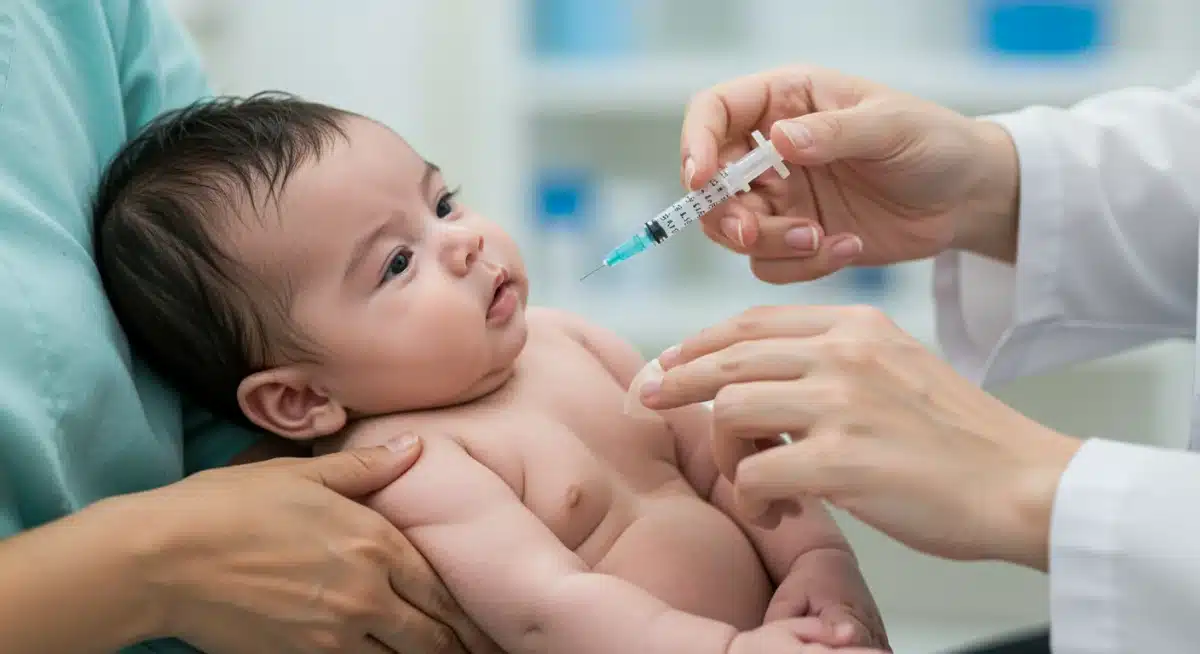
The benefits of vaccination far outweigh the risks. Serious side effects from vaccines are extremely rare, while the diseases they protect against can cause severe illness, lifelong disabilities, or even death. For example, measles can lead to pneumonia and brain damage, and pertussis (whooping cough) can be fatal for infants.
Common Misconceptions and Facts
- Misconception: Vaccines overload the immune system.
- Fact: A baby’s immune system is exposed to countless antigens daily. Vaccines introduce a very small number of antigens compared to what a child encounters naturally.
- Misconception: Vaccines cause autism.
- Fact: Extensive scientific research has repeatedly shown no link between vaccines and autism. The original study suggesting a link was retracted due to fraudulent data.
- Misconception: Natural immunity is better than vaccine-induced immunity.
- Fact: While natural infection can provide immunity, it comes with the risk of severe illness, complications, and death. Vaccines offer protection without the dangers of the disease.
Trusting the science and consulting with healthcare professionals can help parents navigate these concerns. Pediatricians are well-versed in the data and can provide individualized guidance based on a child’s health history.
Navigating the Vaccine Schedule with Your Pediatrician
Your pediatrician is your primary partner in navigating the infant and toddler vaccine schedule. They are experts in child health and can provide personalized advice tailored to your child’s specific needs and circumstances. Regular well-child visits are not just for growth checks; they are essential opportunities for immunization.
During these visits, your pediatrician will review the recommended schedule, explain each vaccine, and address any questions or concerns you may have. They can also discuss any potential variations in the schedule that might be necessary due to factors like premature birth, underlying health conditions, or travel plans. Open communication is key to a successful immunization plan.
It’s important to keep accurate records of your child’s immunizations. Most pediatric offices maintain comprehensive digital records, but having a personal copy can be useful for school enrollment, travel, or in case you switch healthcare providers. Many states also have immunization registries that track vaccination status.
Tips for a Smooth Vaccination Experience
- Ask Questions: Don’t hesitate to ask your pediatrician about any aspect of the vaccines.
- Comfort Measures: Discuss ways to comfort your child during and after injections, such as breastfeeding, distraction, or pain relief.
- Stay on Schedule: Adhering to the recommended schedule ensures optimal protection. If a dose is missed, your pediatrician can advise on catch-up schedules.
- Report Concerns: Inform your pediatrician about any reactions your child experiences post-vaccination, though most are mild and temporary.
Building a strong relationship with your pediatrician fosters trust and ensures your child receives the best possible care, including timely and appropriate immunizations.
The Broader Impact: Community Health and Future Generations
While individual protection is paramount, the infant and toddler vaccine schedule extends its benefits to the entire community. High vaccination rates create herd immunity, significantly reducing the spread of infectious diseases. This collective protection is especially vital for vulnerable populations, such as newborns, the elderly, and individuals with compromised immune systems who cannot receive certain vaccines.
When a large percentage of the population is immune to a disease, it becomes much harder for that disease to spread from person to person. This not only protects the vaccinated individuals but also acts as a shield for those who are unprotected. The eradication of smallpox and the near eradication of polio are powerful testaments to the success of widespread vaccination efforts.
Investing in childhood immunizations today has a profound impact on the health of future generations. By preventing diseases, we reduce the burden on healthcare systems, allow children to attend school without interruption, and enable families to thrive. It’s a testament to collective responsibility and a commitment to a healthier society.
Furthermore, global health initiatives rely heavily on robust national immunization programs. Diseases do not respect borders, and controlling them in one country contributes to global disease prevention. The interconnectedness of our world means that local vaccination efforts have far-reaching effects, protecting children everywhere.
| Key Point | Brief Description |
|---|---|
| 2026 Schedule Overview | Comprehensive guide for infant and toddler immunizations in the US, ensuring protection against various diseases. |
| Vaccine Importance | Critical for individual child health and contributes significantly to broader community immunity and disease eradication. |
| Anticipated Changes | Schedule is dynamic; expect potential updates from ACIP based on new research, disease patterns, or vaccine advancements. |
| Pediatrician’s Role | Essential partner for personalized advice, addressing concerns, and ensuring adherence to the immunization plan. |
Frequently Asked Questions About the 2026 Infant and Toddler Vaccine Schedule
The primary purpose is to protect young children from serious infectious diseases by building their immunity. It ensures timely administration of vaccines at ages when they are most effective and critical for a child’s developing immune system, safeguarding their health and preventing outbreaks.
The vaccine schedule is reviewed and updated annually by the Advisory Committee on Immunization Practices (ACIP), a group of medical and public health experts. They base their decisions on the latest scientific evidence, disease prevalence, and vaccine safety data.
Specific additions for 2026 are not yet finalized, but ongoing research in areas like RSV prevention or updated recommendations for existing vaccines are always possible. Parents should consult their pediatrician for the most current information as the year approaches.
If your child misses a vaccine dose, contact your pediatrician immediately. They can help you determine if a catch-up schedule is needed. It’s generally not necessary to restart a vaccine series; most missed doses can be administered at a later date.
Discuss comfort measures with your pediatrician, such as breastfeeding during the shot, distraction techniques, or pain relief options like acetaminophen or ibuprofen (if age-appropriate). Creating a calm and reassuring environment can also significantly help ease your child’s experience.
Conclusion
Navigating the 2026 US infant and toddler vaccine schedule is a fundamental aspect of responsible parenting, offering a powerful defense against preventable diseases. By staying informed about the latest recommendations, understanding the science behind vaccines, and maintaining open communication with your pediatrician, you are actively contributing to your child’s long-term health and the well-being of the wider community. Embrace this crucial preventative measure with confidence, knowing you are providing the best possible start for your little one.