USDA Baby Food Guidelines 2025: 4 New Recipes

The new USDA baby food guidelines for 2025 emphasize nutrient-dense, low-allergen options, recommending early introduction of diverse foods to support infant development and reduce allergy risks, with this article providing four recipes aligned with these updated recommendations.
Navigating the world of infant nutrition can feel overwhelming for new parents. With the constant evolution of scientific understanding, guidelines often change. The New USDA Guidelines for Baby Food: 4 Recipes Incorporating Latest Recommendations for 2025 are here to simplify this journey, offering fresh perspectives on what and how to feed your little one. These updated recommendations focus on providing optimal nutrition, reducing allergy risks, and fostering healthy eating habits from the very start. Let’s explore how these guidelines can transform your baby’s mealtime experience and delve into four delicious, easy-to-make recipes that align perfectly with the latest advice.
Understanding the 2025 USDA Baby Food Guidelines
The United States Department of Agriculture (USDA) regularly updates its dietary guidelines to reflect the most current nutritional science, and the 2025 recommendations for infant feeding bring several key shifts. These changes aim to empower parents with knowledge, ensuring babies receive the best possible start to their lifelong relationship with food. Understanding these foundational principles is crucial for preparing meals that support healthy growth and development.
One of the primary focuses of the 2025 guidelines is the earlier introduction of a wider variety of foods, including common allergens. This proactive approach is based on emerging research suggesting that early and sustained exposure to potential allergens can actually help prevent the development of food allergies. The guidelines also stress the importance of nutrient density, ensuring every bite counts for rapidly developing infants.
Key Shifts in Infant Nutrition
The 2025 guidelines move beyond traditional single-ingredient purees, advocating for a more diverse dietary approach. This includes a greater emphasis on:
- Early Allergen Introduction: Introducing common allergens like peanuts, tree nuts, eggs, and fish between 4-6 months, under guidance.
- Nutrient-Dense Foods: Prioritizing iron-fortified cereals, meats, poultry, fish, beans, and lentils to prevent deficiencies.
- Minimizing Added Sugars and Sodium: Strongly recommending avoiding added sugars and limiting sodium intake in infant foods.
- Variety and Texture Progression: Encouraging a range of textures from purees to soft, mashed, and eventually finger foods to support oral motor skill development.
These shifts represent a move towards a more holistic and evidence-based approach to infant feeding. By embracing these recommendations, parents can lay a strong foundation for their child’s health, fostering both physical well-being and a positive relationship with food.
In essence, the 2025 USDA guidelines for baby food are about informed choices and proactive feeding. They encourage parents to be adventurous yet mindful, ensuring their babies receive a broad spectrum of nutrients while potentially mitigating future health concerns like allergies.
Recipe 1: Iron-Rich Lentil & Butternut Squash Puree (6+ Months)
Iron is a critical nutrient for rapidly growing infants, essential for cognitive development and preventing anemia. This recipe combines the natural sweetness of butternut squash with the iron-packed power of lentils, creating a delicious and highly nutritious puree perfectly aligned with the 2025 USDA guidelines. It’s also naturally free of common allergens, making it an excellent early solid food option.
Preparing this puree is straightforward, making it ideal for busy parents. The combination of root vegetable and legume offers a balanced nutritional profile, rich in fiber, vitamins, and minerals. This recipe also introduces a slightly different texture, moving beyond single-ingredient purees to encourage palate development.
Ingredients and Preparation
For this recipe, you will need:
- 1 cup peeled and cubed butternut squash
- 1/4 cup red lentils, rinsed
- 1.5 cups water or low-sodium vegetable broth
- Optional: a pinch of cinnamon or nutmeg for flavor
To prepare, combine the butternut squash, rinsed lentils, and water or broth in a saucepan. Bring to a boil, then reduce heat and simmer for 20-25 minutes, or until both the squash and lentils are very tender. If using, add the cinnamon or nutmeg during the last few minutes of cooking. Once cooked, transfer the mixture to a blender or food processor and blend until smooth. Add more liquid if needed to reach your desired consistency. Serve warm or cool.
This iron-rich puree offers a fantastic way to introduce essential nutrients in an appealing format. Its natural sweetness often makes it a favorite among babies, and the smooth texture is easy for beginners. Always ensure the puree is at a safe temperature before serving.
Recipe 2: Avocado & Egg Yolk Mash with a Hint of Dill (6+ Months)
This recipe directly addresses two key recommendations from the 2025 USDA guidelines: the early introduction of healthy fats and common allergens like egg, along with diverse flavors. Avocado provides beneficial monounsaturated fats crucial for brain development, while egg yolk is a powerhouse of choline, vitamins, and iron. The subtle addition of dill introduces a new herb, expanding your baby’s palate.
The beauty of this mash lies in its simplicity and nutrient density. It’s quick to prepare and requires no cooking beyond the egg, making it an excellent option for a nutritious meal when time is short. The creamy texture of avocado combined with the richness of egg yolk creates a satisfying and palatable meal for infants.
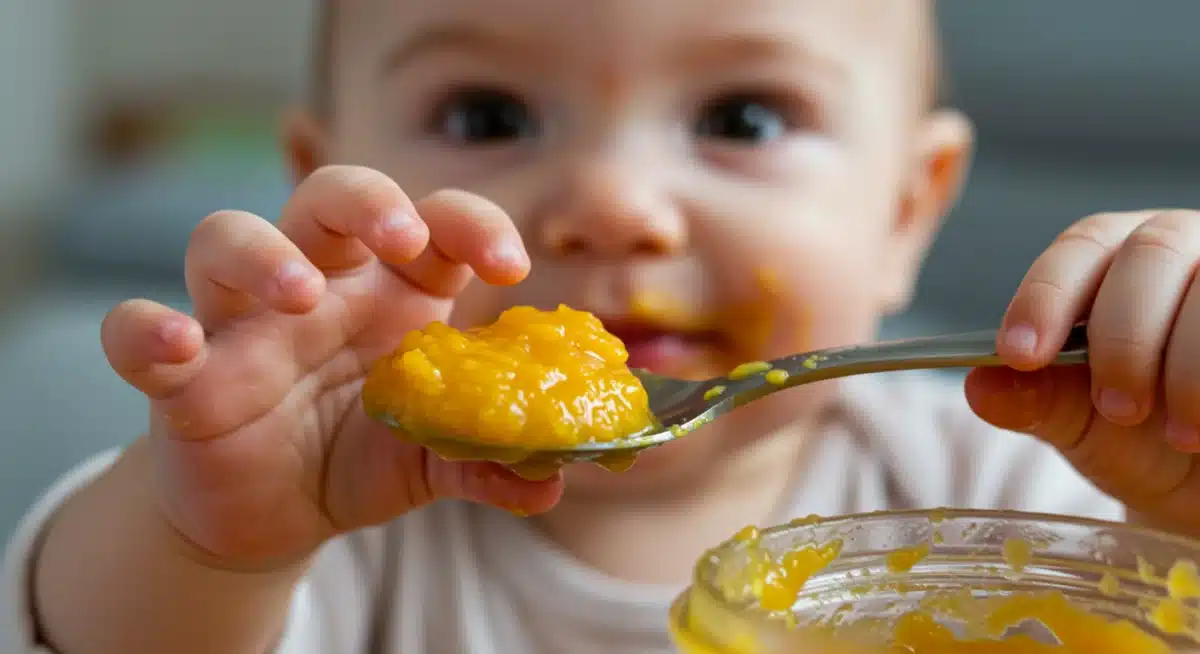
To make this nutritious mash, you will need:
- 1/2 ripe avocado, mashed
- 1 hard-boiled egg yolk
- 1/4 teaspoon finely chopped fresh dill (optional)
- 1-2 tablespoons breast milk or formula (for desired consistency)
Begin by mashing the ripe avocado until smooth. In a separate bowl, mash the hard-boiled egg yolk thoroughly. Combine the mashed avocado and egg yolk. Stir in the finely chopped dill, if using, and then add breast milk or formula one tablespoon at a time until the desired creamy consistency is achieved. Always ensure the egg is fully cooked and the mash is at a safe temperature for your baby.
This recipe not only provides essential nutrients but also introduces a textured food that encourages chewing and swallowing skills. The early exposure to egg, a common allergen, follows the latest recommendations for allergy prevention, making this a smart choice for mindful parents.
Recipe 3: Salmon & Sweet Potato Finger Food (8+ Months)
As babies grow, transitioning from purees to finger foods is a vital step in developing their self-feeding skills and oral motor abilities. This recipe for salmon and sweet potato finger food incorporates nutrient-rich salmon, an excellent source of Omega-3 fatty acids for brain development, and sweet potato, packed with vitamins. It also aligns with the 2025 USDA guidelines’ emphasis on varying textures and early introduction of fish.
This soft, easily graspable finger food encourages babies to explore different textures and practice their pincer grasp. Salmon, being a common allergen, is introduced in a controlled and safe manner, following current recommendations designed to potentially reduce allergy risk. The natural sweetness of the sweet potato complements the savory salmon, making it appealing to young palates.
Preparing Safe Finger Foods
For this recipe, gather the following:
- 4 oz cooked salmon, flaked (ensure all bones are removed)
- 1 small sweet potato, baked and mashed
- 1 tablespoon breast milk or formula (optional, for binding)
- A tiny pinch of dried parsley (optional, for flavor)
After baking and mashing the sweet potato, flake the cooked salmon into very small, manageable pieces, ensuring absolutely no bones remain. Combine the flaked salmon, mashed sweet potato, and optional breast milk or formula and parsley in a bowl. Mix thoroughly until well combined. Form into small, soft patties or logs that are easy for your baby to pick up and self-feed. These can be gently pan-fried for a minute on each side to create a slight crust, or simply served as is. Always supervise your baby during self-feeding.
This recipe offers a fantastic way to introduce fish, a recognized allergen, while also promoting independent eating. The soft texture ensures it’s safe for babies who are ready for finger foods, and the nutrient combination supports continued healthy development.
Recipe 4: Chicken & Broccoli Bites with Quinoa (8+ Months)
Introducing protein-rich meats and diverse vegetables is a cornerstone of the 2025 USDA guidelines. This recipe for chicken and broccoli bites with quinoa provides a balanced meal, offering lean protein, essential vitamins, and whole grains. It’s designed as a soft finger food, promoting self-feeding and the development of chewing skills, while also providing early exposure to a variety of textures and flavors.
Chicken is an excellent source of iron and protein, vital for growth, while broccoli offers vitamin C and fiber. Quinoa adds a complete protein and additional fiber, making these bites incredibly nutrient-dense. This recipe is perfect for babies who are mastering their pincer grasp and are ready for more complex textures.
Making Nutrient-Packed Bites
You will need these ingredients:
- 1/4 cup cooked chicken breast, finely diced or shredded
- 1/4 cup steamed broccoli florets, finely chopped
- 1/4 cup cooked quinoa
- 1 tablespoon low-sodium chicken broth (or breast milk/formula)
- A tiny pinch of dried oregano (optional)
In a bowl, combine the finely diced cooked chicken, finely chopped steamed broccoli, and cooked quinoa. Add the low-sodium chicken broth and oregano, if using. Mix thoroughly until all ingredients are well incorporated and the mixture can be formed into small, soft bites. Form the mixture into small, baby-friendly balls or patties. These can be served immediately at room temperature or slightly warmed. Always ensure the chicken is thoroughly cooked and the pieces are small enough to prevent choking.
These chicken and broccoli bites are a balanced meal in a single bite, supporting both nutritional needs and developmental milestones. They are an excellent way to continue diversifying your baby’s diet, introducing more complex flavors and textures in a safe and enjoyable manner.
Implementing the Guidelines: Practical Tips for Parents
Beyond specific recipes, successfully implementing the 2025 USDA baby food guidelines involves a thoughtful and consistent approach to feeding. It’s about creating a positive mealtime environment, being responsive to your baby’s cues, and fostering a healthy relationship with food from the very beginning. Remember, every baby is unique, and flexibility is key.
One crucial aspect is patience. Introducing new foods and textures can take time and multiple exposures. Don’t be discouraged if your baby initially rejects a food; it often takes several tries before acceptance. Offering a variety of foods repeatedly, even if only in small amounts, helps expand their palate and nutrient intake over time. Focus on creating a calm and enjoyable atmosphere around meals.
Essential Feeding Strategies
- Start Slow, Go Gradual: Introduce one new food at a time, waiting a few days before introducing another, especially for potential allergens. This helps identify any sensitivities.
- Observe Baby’s Cues: Pay attention to signs of hunger and fullness. Never force-feed. Let your baby guide the pace and amount of food consumed.
- Avoid Pressure: Mealtimes should be pleasant. Avoid pressuring your baby to eat more than they want or to try a food they are clearly resisting.
- Model Healthy Eating: Babies learn by observing. Eat healthy, varied meals yourself, and share family meals when appropriate, adapting textures for your baby.
Consistency in offering a diverse range of nutrient-dense foods, combined with a responsive feeding style, will set your baby on the path to healthy eating habits. The 2025 USDA guidelines provide the framework, and your attentive parenting provides the nurturing environment for success.
By understanding and applying these practical tips, parents can confidently navigate the journey of introducing solids, ensuring their babies receive optimal nutrition while developing a positive and adventurous approach to food.
| Key Guideline | Brief Description |
|---|---|
| Early Allergen Intro | Introduce common allergens (e.g., egg, peanut) between 4-6 months to reduce allergy risk. |
| Nutrient Density | Prioritize iron-rich foods, healthy fats, and diverse vitamins for rapid infant development. |
| Variety & Texture | Offer a wide range of foods and textures to support oral motor skills and palate development. |
| Limit Added Sugars | Strongly advise against added sugars and excessive sodium in infant diets. |
Frequently Asked Questions About USDA Baby Food Guidelines
The USDA guidelines recommend starting solid foods around 6 months of age, or when your baby shows developmental readiness signs like good head control, sitting with support, and showing interest in food. Always consult with your pediatrician for personalized advice.
The 2025 guidelines emphasize early introduction of common allergens (like peanut, egg, and fish) between 4-6 months, often after starting other solids, to potentially reduce the risk of developing food allergies. This should be done carefully and under guidance.
Homemade baby foods allow for greater control over ingredients, avoiding added sugars, preservatives, and excessive sodium. While store-bought options can be convenient, homemade recipes align well with the USDA’s focus on nutrient density and ingredient purity.
Avoid honey (due to botulism risk before age one), cow’s milk as a primary drink before age one, added sugars, excessive sodium, and foods that pose a choking hazard (e.g., whole grapes, hot dogs, large chunks of meat). Always prioritize safety.
The guidelines recommend iron-fortified cereals, pureed meats (beef, chicken), beans, and lentils. Pairing iron-rich foods with vitamin C sources (like fruits or vegetables) can enhance iron absorption, crucial for infant development.
Conclusion
The New USDA Guidelines for Baby Food: 4 Recipes Incorporating Latest Recommendations for 2025 provide a clear, evidence-based roadmap for nourishing your infant. By focusing on nutrient-dense foods, early allergen introduction, and diverse textures, these recommendations aim to build a strong foundation for lifelong health. The recipes shared here offer practical, delicious ways to implement these guidelines, empowering parents to confidently prepare meals that support their baby’s growth and development. Embrace this journey with an open mind, observe your baby’s cues, and enjoy the rewarding experience of introducing them to the wonderful world of food.