Toddler Sleep Training 2025: 5 Essential Methods for 12 Hours Rest
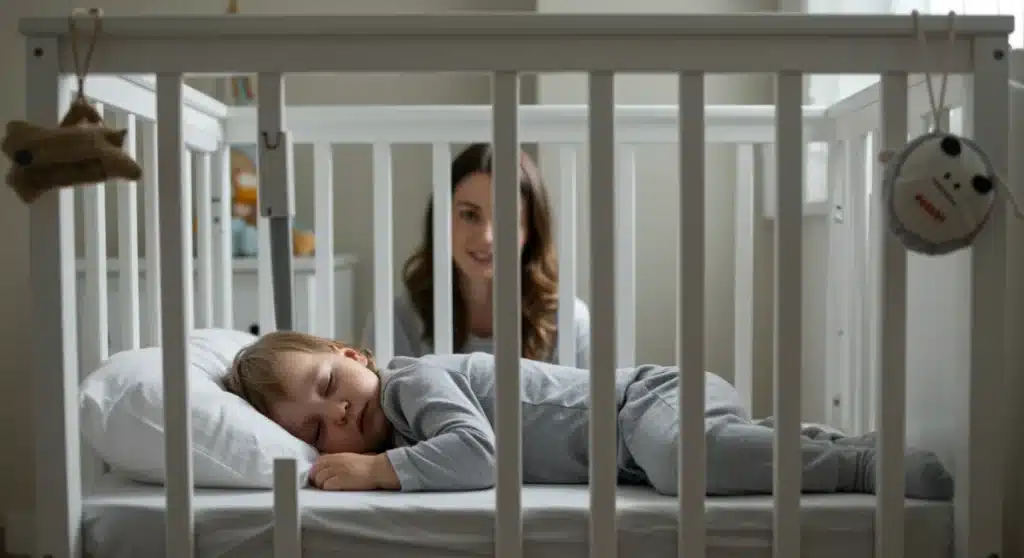
Achieving consistent, restful sleep for toddlers is a common parental goal, and this guide explores five essential sleep training methods for 2025, offering practical strategies to help your child sleep through the night for up to 12 hours.
For many parents, the dream of a full night’s sleep for their little one, and themselves, often feels just out of reach. Understanding and implementing effective toddler sleep training methods can transform bedtime struggles into peaceful routines, ultimately leading to that coveted 12 hours of rest in 2025. This comprehensive guide will walk you through five key strategies, offering insights and practical tips to help you and your toddler achieve consistent, quality sleep.
Understanding toddler sleep patterns and challenges
Before diving into specific sleep training methods, it’s crucial to grasp the unique sleep patterns and common challenges toddlers face. Their developing brains, burgeoning independence, and vivid imaginations can all impact their ability to settle down and stay asleep. Recognizing these factors is the first step toward finding a method that truly resonates with your family’s needs and your child’s temperament.
Typical toddler sleep requirements
Toddlers generally require between 11 to 14 hours of sleep in a 24-hour period, which typically includes one daytime nap. Consistency in bedtime and wake-up times, even on weekends, is paramount for regulating their internal clock. Disruptions to this schedule can quickly lead to overtiredness and more significant sleep issues.
Common sleep hurdles for toddlers
- Separation anxiety: Many toddlers experience anxiety when separated from their parents, especially at night.
- Night terrors and nightmares: These can be distressing for both child and parent, interrupting sleep cycles.
- Resistance to bedtime: The desire for independence often manifests as a refusal to go to bed.
- Developmental milestones: Learning new skills like walking or talking can sometimes interfere with sleep.
Understanding these developmental stages and typical behaviors helps parents approach sleep training with empathy and realistic expectations. It’s not just about getting them to sleep, but about fostering healthy sleep habits that will serve them well into childhood and beyond. Addressing underlying issues, such as ensuring they are not overtired or overstimulated before bed, forms the foundation for any successful sleep training endeavor.
Method 1: The Ferber method (graduated extinction)
The Ferber Method, also known as graduated extinction, is one of the most widely recognized toddler sleep training methods. It involves putting your toddler to bed drowsy but awake and allowing them to cry for progressively longer intervals before checking on them. This approach aims to teach self-soothing skills, empowering toddlers to fall asleep independently.
Implementing the Ferber method effectively
Starting the Ferber method requires a consistent bedtime routine. Once your toddler is in their crib or bed, you leave the room. If they cry, you wait for a predetermined short interval (e.g., 3 minutes) before returning for a brief check-in. During the check-in, offer verbal reassurance but avoid picking them up or feeding them. The key is to demonstrate your presence without interfering with their learning to self-soothe. Each subsequent interval before checking in is extended (e.g., 5 minutes, then 10 minutes), gradually increasing the time.
- Consistency is key: Stick to the chosen intervals and check-in routine every night.
- Brief check-ins: Keep your visits short and calm, avoiding prolonged interaction.
- Partner involvement: Both parents should be on board and follow the same plan.
The Ferber method can be challenging initially, as it involves listening to your child cry. However, many parents find it effective in teaching independent sleep within a week or two. It’s important to remember that crying is a normal part of this process as your child learns a new skill. Ensure your toddler is well-fed and comfortable before starting to rule out any immediate needs.
Method 2: The ‘chair method’ (gradual withdrawal)
The Chair Method is a gentler, more gradual approach to sleep training, often preferred by parents who are uncomfortable with extensive crying. This technique involves sitting in a chair next to your toddler’s crib or bed, gradually moving the chair further away each night until you are out of the room entirely. It provides a comforting presence while still encouraging independent sleep.
Step-by-step guide to the chair method
Begin by establishing a consistent bedtime routine. Once your toddler is in their bed, sit in a chair right next to the crib or bed. You can offer verbal reassurance, but avoid picking them up or engaging in prolonged interaction. Stay in the chair until your toddler falls asleep. On subsequent nights, move the chair a few feet further away from the bed. Continue this gradual withdrawal until you are outside the room, and eventually, your toddler can fall asleep without your immediate presence.
- Maintain a calm demeanor: Your presence should be reassuring, not stimulating.
- Be patient: This method can take longer than others but often results in less crying.
- Adjust as needed: If your toddler is struggling, you might stay at one chair position for an extra night or two.
The Chair Method allows your toddler to feel secure in your presence initially, slowly building their confidence to sleep alone. It’s a testament to the power of gradual change and consistent reassurance. This method emphasizes a supportive transition, making it one of the more nurturing toddler sleep training methods available.
Method 3: ‘No tears’ or ‘attachment parenting’ approach
The No Tears approach, often associated with attachment parenting principles, focuses on responding to your toddler’s every cry and need without allowing them to experience distress. This method prioritizes co-regulation and aims to foster a secure attachment, believing that independence will naturally emerge when a child feels completely safe and supported. While it may not involve traditional ‘training’ in the sense of enforcing independent sleep, it still aims for restful nights through responsive parenting.
Key principles of the no tears method
Instead of leaving your toddler to cry, the No Tears approach advocates for immediate intervention when they are upset. This might involve feeding, rocking, cuddling, or even co-sleeping if that’s what helps the child settle. The idea is that by consistently meeting their needs, children develop trust and security, which eventually leads to more independent sleep when they are developmentally ready. This method requires a high level of parental involvement throughout the night and during bedtime.
Parents often incorporate various strategies within this framework, such as:
- Co-sleeping: Sharing a bed or room with your toddler to facilitate quicker responses to their needs.
- Frequent comfort: Offering immediate comfort and reassurance at every sign of distress.
- Gentle transitions: Slowly introducing changes like moving the crib further away or transitioning to their own room only when the child is ready.
While this method may take longer to achieve independent sleep, proponents believe it builds a stronger emotional foundation for the child. It emphasizes that sleep is a developmental process, and children will learn to sleep independently at their own pace, with consistent parental support. This approach is less about enforcing a schedule and more about following the child’s cues, making it a unique one among toddler sleep training methods.
Method 4: The ‘sleep lady shuffle’ (fading)
The Sleep Lady Shuffle, developed by Kim West, is a gentle, gradual sleep training method that aims to move parents out of their toddler’s room slowly. It’s designed for parents who want to avoid the cry-it-out approach but still want to encourage independent sleep. This method provides comfort and reassurance while systematically reducing parental presence.
Executing the sleep lady shuffle
Similar to the Chair Method, the Sleep Lady Shuffle begins with a consistent bedtime routine. Once your toddler is in bed, you sit on a chair right next to their crib or bed. You can offer verbal reassurance and gentle pats, but avoid picking them up. The key difference is the structured movement of the chair. For the first few nights, you sit right beside the bed. After a few nights, you move the chair a few feet away, perhaps to the middle of the room. After several more nights, you move the chair to the doorway, and finally, just outside the room. This gradual ‘shuffling’ out of the room helps your toddler adjust to your decreasing presence.

Tips for success with the shuffle
- Verbal reassurance: Use a calm, quiet voice to let your toddler know you’re there.
- Avoid eye contact: Too much eye contact can be stimulating.
- Stay consistent: Follow the same routine and chair movements each night.
The Sleep Lady Shuffle is an excellent option for parents seeking a middle ground between cry-it-out and full attachment parenting. It respects the child’s need for comfort while gently guiding them towards independent sleep. This method acknowledges that sleep training is a process that requires patience and consistency, making it one of the most empathetic toddler sleep training methods.
Method 5: The ‘camping out’ method (presence fading)
The Camping Out method, also known as presence fading, is another gentle sleep training technique that involves a parent staying in the child’s room until they fall asleep, gradually reducing their direct involvement over time. This method is particularly effective for toddlers who have difficulty settling down and need a strong sense of security to drift off to sleep. It differs from the Chair Method by often starting with the parent in the bed with the child, or very close by, then slowly withdrawing physical contact and proximity.
Implementing the camping out method
Start with your toddler in their bed after a calming bedtime routine. You might lie next to them, hold their hand, or sit very close by, offering gentle comfort until they fall asleep. Over the next few nights, you gradually reduce physical contact – perhaps moving from holding hands to just sitting beside the bed, then to a chair further away, and eventually to the doorway. The goal is to slowly fade your presence, allowing your toddler to become comfortable falling asleep with less direct interaction from you.
- Start with maximum comfort: Begin with the level of comfort your child currently needs.
- Slow, incremental changes: Do not rush the process; move at your child’s pace.
- Verbal cues: Use consistent, calming verbal phrases like “It’s time to sleep now” to signal bedtime.
This method works well for toddlers who are highly sensitive to change or who have developed strong sleep associations with parental presence. By providing a secure and consistent environment, parents can help their child transition to independent sleep without undue stress. The Camping Out method is one of the more supportive toddler sleep training methods, focusing on building confidence gradually.
Establishing a consistent bedtime routine for lasting success
Regardless of the toddler sleep training methods you choose, a consistent bedtime routine is the cornerstone of long-term success. A predictable sequence of activities signals to your toddler that it’s time to wind down and prepare for sleep. This routine should be calming, enjoyable, and consistent every single night, even on weekends to some extent.
Elements of an effective bedtime routine
A good bedtime routine typically lasts between 20 to 45 minutes and includes activities that promote relaxation. The exact sequence can vary, but common elements include:
- Warm bath: A soothing bath can help relax muscles and signal the end of the day.
- Pajamas and diaper change: Getting comfortable for the night.
- Brush teeth: An essential hygiene step that also marks a transition.
- Reading a book: A quiet, engaging activity that avoids screen time.
- Cuddles and lullabies: Gentle physical affection and soft music or singing.
Avoid highly stimulating activities, bright lights, and screens (TVs, tablets, phones) at least an hour before bedtime. The bedroom environment should be dark, quiet, and cool. Blackout curtains can be helpful to block out light, and a white noise machine can mask disruptive sounds. Consistency in the routine helps regulate your toddler’s circadian rhythm, making it easier for them to fall asleep and stay asleep.
Remember that even after successful sleep training, toddlers may experience occasional sleep regressions due to illness, travel, or developmental leaps. Reverting to your chosen method and maintaining consistency is crucial during these times. A well-established bedtime routine provides a strong foundation that can withstand these temporary disruptions, ensuring your toddler continues to get the restful sleep they need.
| Method | Brief Description |
|---|---|
| Ferber Method | Gradually extend time between check-ins, teaching self-soothing. |
| Chair Method | Gradually move a chair further from the bed each night. |
| No Tears | Respond immediately to all cries, prioritizing comfort and attachment. |
| Sleep Lady Shuffle | Systematically move parent’s presence out of the room over time. |
Frequently asked questions about toddler sleep training
The ideal time to start sleep training is typically when your toddler is between 12 and 18 months old, and there are no major developmental milestones or life changes (like moving or illness) occurring. Consistency is easier to establish when routines are stable.
The duration varies depending on the method and the child. “Cry-it-out” methods might show results in a few days to a week, while gentler methods like the Chair Method or Sleep Lady Shuffle can take two to three weeks, or even longer.
Research suggests that controlled crying in the context of sleep training does not cause long-term psychological harm. It’s often a temporary response as toddlers learn new self-soothing skills. However, parents should choose a method they are comfortable with.
If your toddler wakes, follow your chosen sleep training method from the beginning. Brief check-ins or consistent responses will reinforce that night waking is not a reason for extensive parental intervention. Ensure they are not hungry or unwell.
While borrowing elements from different methods is possible, it’s generally best to stick to one consistent approach for at least a week or two. Mixing methods too frequently can confuse your toddler and make the training process less effective.
Conclusion: finding your family’s path to restful nights
Navigating the world of toddler sleep training methods can feel overwhelming, but the ultimate goal remains the same: fostering independent sleep and ensuring your child, and your family, gets the restorative rest needed for healthy development and well-being. Whether you opt for a more direct approach like the Ferber method, a gradual withdrawal strategy such as the Chair Method or Sleep Lady Shuffle, or a responsive No Tears philosophy, consistency, patience, and a well-established bedtime routine are your most powerful tools. Remember, every child is unique, and what works for one may not work for another. Trust your instincts, be adaptable, and celebrate small victories on your journey towards 12 hours of peaceful sleep. The effort invested in teaching healthy sleep habits now will yield benefits for years to come, creating a more harmonious and well-rested household.