Toddler Screen Time 2026: AAP’s 1-Hour Rule for Educational Content
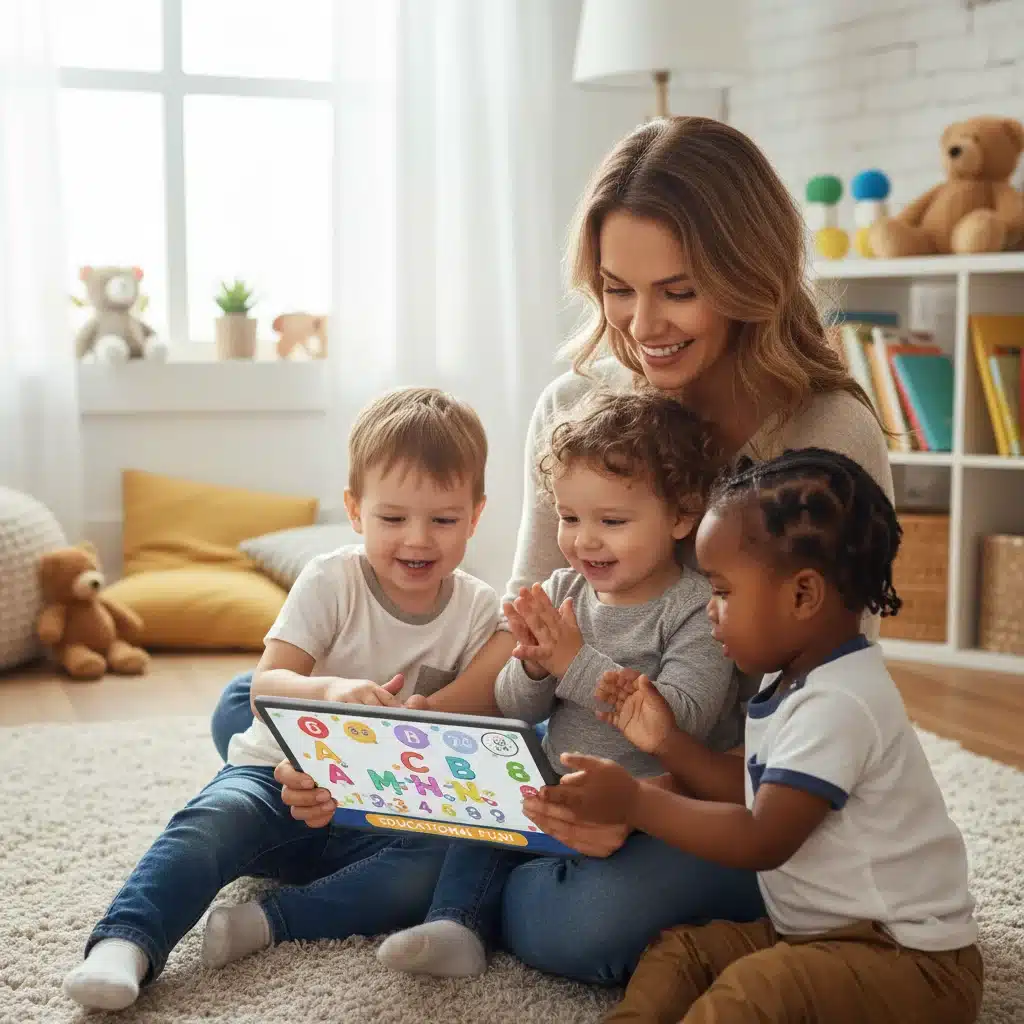
In the rapidly evolving digital landscape of 2026, the discussion around toddler screen time remains as pertinent as ever. Parents worldwide grapple with the challenge of integrating technology into their children’s lives responsibly, ensuring it contributes positively to their development rather than hindering it. The American Academy of Pediatrics (AAP) continues to be a guiding light in this area, providing updated recommendations that prioritize a child’s well-being. Their consistent advice for toddlers, generally aged 18 to 36 months, centers around a crucial guideline: a maximum of one hour of high-quality, educational screen time per day, ideally co-viewed with a parent or caregiver.
This comprehensive guide delves into the nuances of the AAP’s recommendations for toddler screen time in 2026, exploring not just the ‘what’ but also the ‘how’ and ‘why.’ We’ll unpack what constitutes ‘high-quality, educational content,’ discuss strategies for adhering to the one-hour limit, and provide actionable tips for parents to foster healthy digital habits from an early age. Our aim is to empower parents with the knowledge and tools to navigate the digital world effectively, ensuring their toddlers reap the benefits of technology while safeguarding their crucial developmental stages.
Understanding the AAP’s 2026 Guidelines for Toddler Screen Time
The American Academy of Pediatrics has been a leading voice in child health for decades, and their guidelines on screen time are meticulously researched and regularly updated to reflect the latest scientific understanding of child development and technology’s impact. For toddlers aged 18 to 36 months, the AAP’s 2026 stance on toddler screen time remains firm: limit digital media use to no more than one hour per day. This recommendation is not arbitrary; it’s rooted in extensive research highlighting the importance of unstructured play, social interaction, and hands-on exploration during these formative years.
The emphasis isn’t solely on the quantity of screen time but also on its quality and context. The AAP strongly advocates for educational programming, interactive content, and, crucially, co-viewing. Co-viewing means parents or caregivers engaging with their toddlers during screen time, discussing what they see, asking questions, and connecting the on-screen content to real-world experiences. This interaction transforms a passive viewing experience into an active learning opportunity, maximizing the potential benefits of digital media.
Why is this one-hour limit so important? During the toddler years, children are rapidly developing cognitive, social, emotional, and language skills. Excessive screen time can displace activities vital for this development, such as imaginative play, physical activity, and face-to-face interactions. These activities are foundational for building language skills, problem-solving abilities, emotional regulation, and strong social connections. The AAP’s guidelines are designed to protect these essential developmental pathways.
The Rationale Behind the 1-Hour Limit
The brain development occurring in toddlers is nothing short of extraordinary. From 18 months to three years, neural connections are forming at an astonishing rate, laying the groundwork for future learning and behavior. During this period, children learn best through direct, multimodal experiences – touching, tasting, smelling, hearing, and seeing the world around them. They learn through active exploration, interaction with caregivers, and imaginative play.
When children spend too much time in front of screens, they often miss out on these critical experiences. For instance, language acquisition, which is booming in toddlerhood, thrives on back-and-forth conversations with adults. While some educational apps might prompt responses, they cannot replicate the richness and spontaneity of human interaction. Similarly, fine and gross motor skills develop through physical play, manipulating objects, and moving their bodies – activities often displaced by prolonged screen use.
Furthermore, research suggests potential links between excessive early screen exposure and issues such as attention problems, sleep disturbances, and even difficulties with emotional regulation. The blue light emitted from screens can interfere with melatonin production, disrupting sleep patterns. The fast-paced nature of some digital content can also overstimulate young brains, potentially contributing to difficulties in focusing on slower-paced, real-world tasks.
Therefore, the AAP’s one-hour limit for toddler screen time is not about demonizing technology. Instead, it’s a protective measure, a recommendation designed to ensure that digital media serves as a supplementary tool rather than a primary source of learning and entertainment, allowing ample space for the vital, hands-on experiences toddlers need to thrive.
Defining High-Quality, Educational Content for Toddlers
Not all screen time is created equal, especially when it comes to toddlers. The AAP’s recommendation for a one-hour daily limit specifically emphasizes ‘high-quality, educational content.’ But what exactly does that entail, and how can parents identify it amidst a sea of options?
High-quality educational content for toddlers is characterized by several key features:
- Interactive and Engaging: It should encourage active participation rather than passive viewing. This means apps or shows that prompt toddlers to answer questions, sing along, mimic movements, or make choices.
- Age-Appropriate: The content should be designed specifically for the developmental stage of toddlers. This includes simple narratives, slow pacing, clear visuals, and language that matches their comprehension level.
- Educational Value: Look for content that teaches specific skills or concepts, such as letter recognition, counting, shape identification, problem-solving, or social-emotional learning (e.g., identifying emotions, sharing).
- Positive Role Models and Messages: The characters and storylines should promote positive social behaviors, empathy, and constructive ways of handling emotions.
- Free from Distracting Elements: Avoid content with excessive flashing lights, loud noises, or rapid scene changes that can overstimulate and distract rather than educate.
- No In-App Purchases or Advertisements: Toddlers are highly susceptible to advertising and in-app purchase prompts, which can disrupt learning and lead to frustration.
Examples of high-quality content might include interactive learning games that focus on early literacy or numeracy, child-friendly documentaries about animals or nature, or shows that encourage movement and imaginative play. Reputable sources often include public broadcasting channels for children (like PBS Kids) or educational app developers that are recognized for their pedagogical approach.
Identifying Quality Content: A Parent’s Checklist
To help parents in their quest for suitable digital media, here’s a checklist to consider when evaluating content for toddler screen time:
- Does the content encourage active participation or passive viewing?
- Is the pace slow enough for a toddler to follow and process?
- Does it have clear, simple educational goals (e.g., ABCs, 123s, social skills)?
- Are there opportunities for me to interact with my child about what they’re seeing?
- Is it free from distracting or overwhelming sensory input (e.g., loud noises, rapid cuts)?
- Are there any advertisements or in-app purchases? (The answer should be no.)
- Does it align with our family’s values and promote positive behaviors?
- Has it received positive reviews from educational experts or other parents?
By thoughtfully applying this checklist, parents can make informed decisions about the digital content their toddlers engage with, ensuring that screen time is a constructive and enriching experience within the AAP’s guidelines.
Strategies for Adhering to the 1-Hour Daily Limit
Successfully implementing the AAP’s one-hour daily limit for toddler screen time requires thoughtful planning and consistent effort. It’s not always easy, especially in today’s screen-saturated world, but it’s entirely achievable with the right strategies. The key is to make screen time intentional and integrate it seamlessly into a broader daily routine that prioritizes other developmental activities.
Creating a Family Media Plan
One of the most effective strategies is to develop a comprehensive family media plan. This isn’t just for older children; it’s crucial for establishing early habits. A family media plan for toddlers should outline:
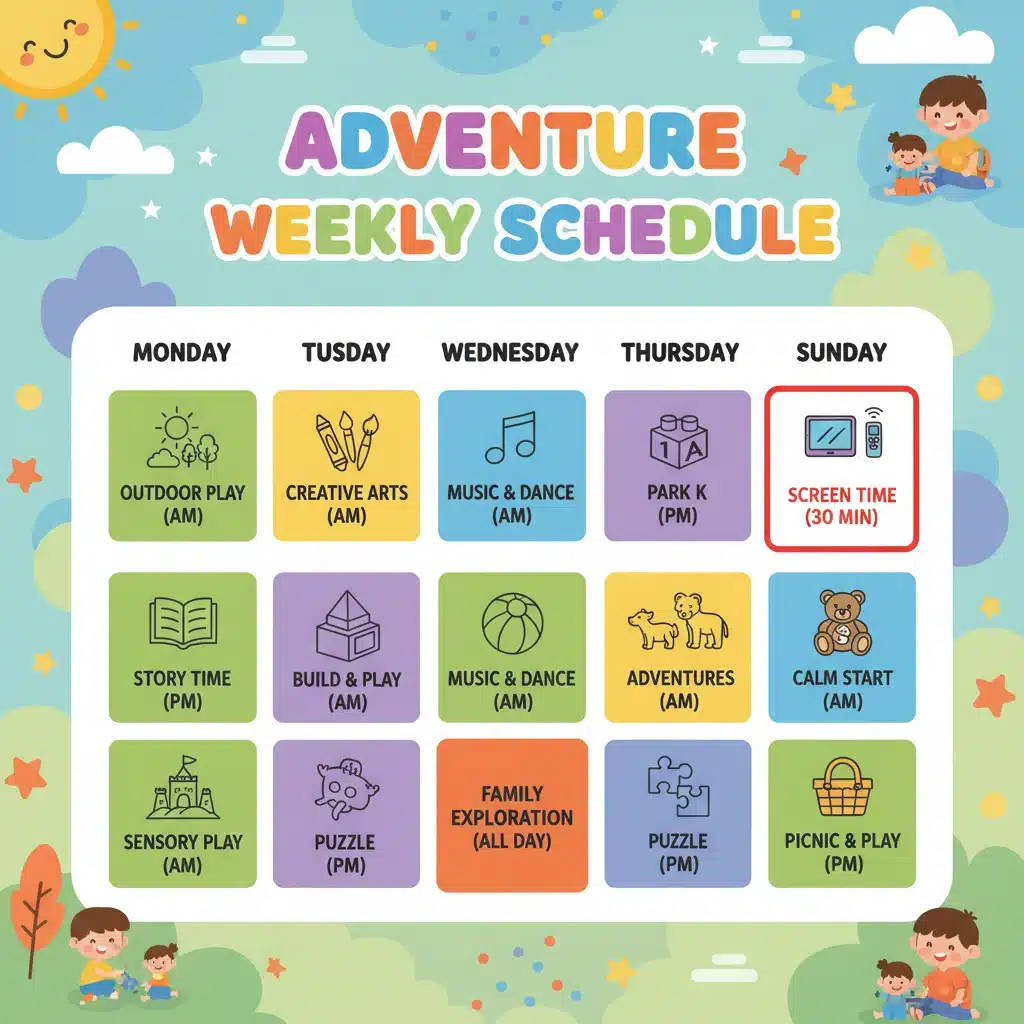
- Designated Screen Time Slots: Instead of allowing screen time whenever, establish specific times for it. Perhaps a short educational game after breakfast, or a story-time app before nap. Predictability helps toddlers understand expectations.
- Screen-Free Zones: Establish areas in your home where screens are not allowed, such as the dining table, bedrooms, or during family meals. This promotes face-to-face interaction and better sleep.
- Screen-Free Times: Designate specific times of the day or week as completely screen-free, such as during outdoor play, creative activities, or before bedtime.
- Content Rules: Clearly define what types of content are acceptable (educational, interactive) and what are not (violent, fast-paced, commercial-driven).
- Parental Involvement: Emphasize co-viewing and interaction during screen time. This should be a non-negotiable part of your plan.
Involving older children (if applicable) in the creation of this plan can also foster a sense of responsibility and cooperation. For toddlers, consistency is key; they thrive on routine, so sticking to the plan will help them internalize the boundaries around screen use.
Practical Tips for Managing Screen Time
- Use Timers: Set a visual timer or a kitchen timer for the allocated screen time. When the timer goes off, it’s time to transition to another activity. This external cue helps toddlers understand the limit without it always coming directly from you, potentially reducing meltdowns.
- Offer Engaging Alternatives: Before screen time ends, have a compelling alternative activity ready. Suggest playing with blocks, reading a book, going outside, or engaging in sensory play. The transition is easier when there’s something exciting to move on to.
- Lead by Example: Children learn by observing. If parents are constantly on their phones or watching TV, it sends a mixed message. Model healthy screen habits by putting your devices away during family time or when interacting with your toddler.
- Prioritize Offline Play: Ensure that the majority of your toddler’s day is filled with unstructured, imaginative, and physical play. These activities are paramount for their development and should always take precedence over screen time.
- Avoid Screens as Pacifiers: While tempting in moments of stress or boredom, relying on screens to soothe or occupy a toddler can create an unhealthy dependency. Encourage other coping mechanisms or forms of entertainment.
- Create a Dedicated Learning Space: If feasible, have a designated area for screen-based learning that is separate from other play areas. This can help compartmentalize screen time as a specific activity rather than an omnipresent option.
- Monitor Content Regularly: Toddler preferences can change, and so can the quality of apps or shows. Regularly review the content your child is engaging with to ensure it remains educational and appropriate.
By implementing these strategies, parents can effectively manage toddler screen time within the AAP’s one-hour limit, turning it into a purposeful and beneficial part of their child’s day rather than a potential source of concern.
The Importance of Co-Viewing and Interaction
When the American Academy of Pediatrics discusses toddler screen time, the concept of co-viewing isn’t just a suggestion; it’s a cornerstone of their recommendations. For children aged 18 to 36 months, passive consumption of digital media offers minimal developmental benefits. The real value emerges when parents or caregivers actively engage with their toddlers during screen time, transforming it into an interactive learning experience.
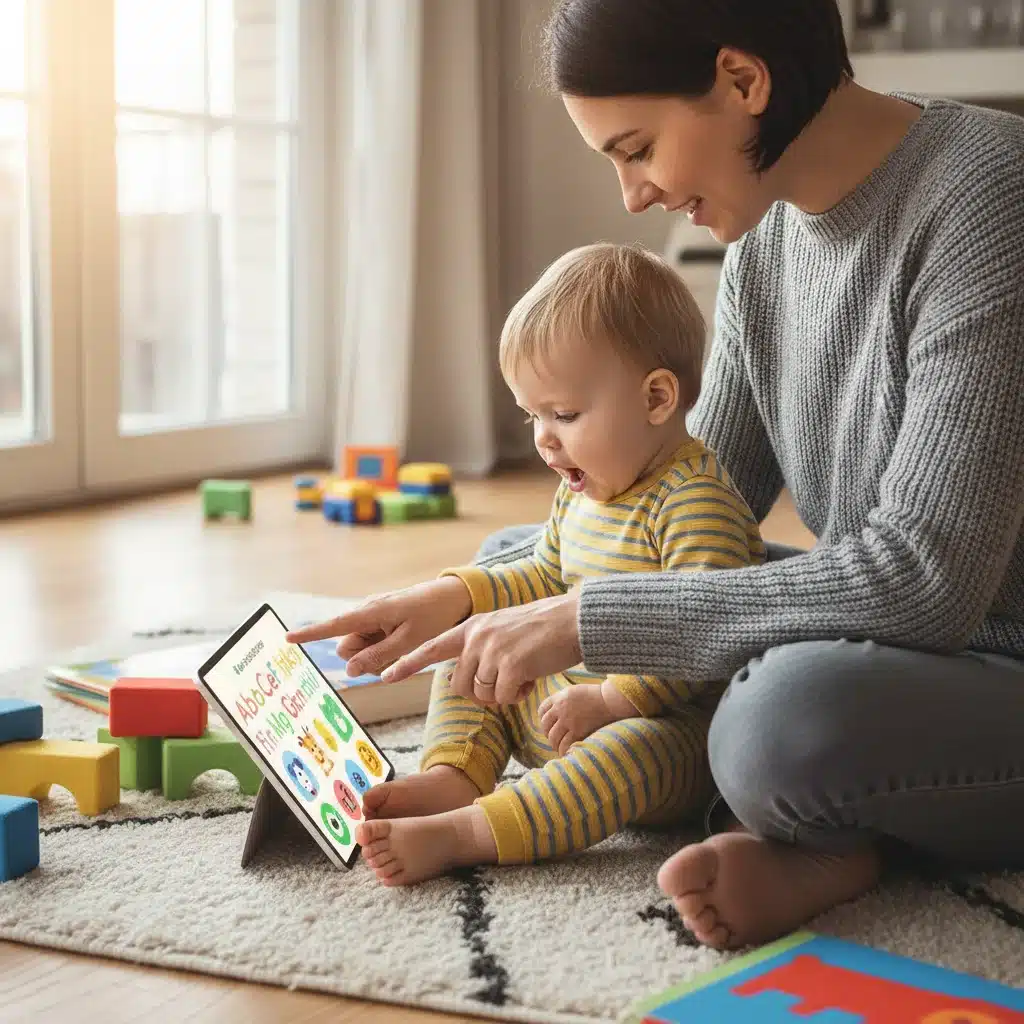
Co-viewing means sitting with your child, watching or playing together, and actively participating in the experience. It involves talking about what’s happening on the screen, asking questions, and connecting the digital content to the real world. This interaction is crucial for several reasons:
- Enhancing Language Development: When parents label objects, explain concepts, and engage in conversation about the content, they significantly boost a toddler’s vocabulary and comprehension skills. This back-and-forth dialogue is far more effective for language acquisition than simply listening to a show.
- Promoting Cognitive Skills: By asking questions like, "What do you think will happen next?" or "Can you find the red square?" parents encourage critical thinking, problem-solving, and attention. They help toddlers make sense of the information presented on the screen.
- Facilitating Social-Emotional Learning: Educational content often features characters experiencing various emotions or navigating social situations. Co-viewing allows parents to discuss these scenarios, helping toddlers understand feelings, empathy, and appropriate social responses. "How do you think that character feels?" can open up valuable discussions.
- Building Connections: Sharing a screen experience, even a short one, can be a bonding opportunity. It shows your toddler that you are interested in their world and what they find engaging, strengthening your relationship.
- Contextualizing Digital Content: Toddlers often struggle to differentiate between the digital world and reality. Parents can help bridge this gap by relating on-screen concepts to real-life experiences. If a show features animals, you can talk about a recent trip to the zoo or a pet.
- Mitigating Negative Effects: Your presence and guidance can help filter out potentially confusing or overwhelming elements of digital content. You can explain complex ideas or reassure them if something is slightly scary.
Without co-viewing, even the most "educational" app can become a passive distraction, offering little more than entertainment. With a parent’s active involvement, however, that same app can become a powerful tool for learning and development, aligning perfectly with the AAP’s vision for responsible toddler screen time.
Practical Co-Viewing Techniques
- Be Present and Engaged: Put away your own devices and focus entirely on the content with your child.
- Talk About What You See: Narrate what’s happening, ask open-ended questions, and encourage your toddler to respond.
- Connect to Real Life: "Remember when we saw a dog like that at the park?" or "Can you find something blue in our room, just like on the screen?"
- Encourage Interaction: If it’s an interactive app, guide your child through the actions, helping them tap, swipe, or speak into the microphone.
- Follow Your Child’s Lead: Pay attention to what captures their interest and expand on those topics.
- Pause and Discuss: Don’t be afraid to pause the content to have a brief conversation or clarify something.
By making co-viewing a non-negotiable part of your approach to toddler screen time, you transform a potentially isolating activity into a rich, shared learning experience that supports your child’s holistic development.
Balancing Screen Time with Other Essential Activities
While adhering to the one-hour daily limit for toddler screen time is crucial, it’s equally important to ensure that the rest of a toddler’s day is filled with a rich array of activities essential for their development. Screen time should never displace hands-on exploration, imaginative play, physical activity, or social interaction. A balanced approach is key to nurturing a well-rounded and thriving child.
Prioritizing Unstructured Play
Unstructured play is the cornerstone of early childhood development. It’s how toddlers learn about the world, develop problem-solving skills, foster creativity, and practice social interactions. This includes:
- Free Play with Toys: Blocks, puzzles, dolls, cars, and sensory bins (e.g., rice, water, sand) allow toddlers to create their own narratives, experiment with cause and effect, and develop fine motor skills.
- Outdoor Exploration: Time spent outdoors, whether in a backyard, park, or natural setting, provides opportunities for gross motor development (running, jumping, climbing), sensory stimulation, and an understanding of the natural world.
- Imaginative Play: Dress-up, pretend cooking, or creating imaginary worlds are vital for cognitive flexibility, language development, and emotional expression.
These activities allow children to lead their own learning, follow their curiosities, and build resilience. They are fundamentally different from even the most interactive screen time, as they involve full-body engagement and direct manipulation of the physical environment.
Encouraging Physical Activity
Toddlers are naturally energetic, and channeling this energy into physical activity is essential for their health and development. The AAP recommends at least 60-90 minutes of active play per day for toddlers. This can include:
- Running, jumping, and climbing
- Dancing to music
- Playing catch or kicking a ball
- Riding a push-bike or tricycle
Physical activity not only strengthens muscles and improves coordination but also contributes to better sleep, helps manage energy levels, and can boost mood. It’s a critical component of a healthy lifestyle that screen time should never overshadow.
Fostering Social Interaction
Developing social skills is a complex process that begins in toddlerhood. Face-to-face interactions with parents, siblings, and other children teach toddlers about sharing, turn-taking, empathy, and conflict resolution. Opportunities for social interaction include:
- Playdates: Supervised interactions with peers, even if they are still engaging in parallel play, are valuable.
- Family Time: Engaging in activities together as a family – reading, cooking, playing games – strengthens bonds and models social behavior.
- Caregiver Interactions: Consistent, responsive interactions with primary caregivers are foundational for attachment and emotional security.
Screens, by their nature, are typically solitary activities. While co-viewing helps, it cannot replace the nuanced learning that occurs through direct human interaction.
The Role of Reading and Storytelling
Reading aloud to toddlers is one of the most powerful activities for language development, literacy skills, and fostering a love of learning. It stimulates imagination, introduces new vocabulary, and creates a special bonding experience. Incorporate daily reading sessions into your routine, making it a cherished part of your toddler screen time alternative.
By ensuring a rich balance of these essential activities alongside responsible screen use, parents can create an environment where their toddlers are well-positioned for optimal growth and development in all areas.
Long-Term Benefits of Responsible Screen Time Habits
Establishing healthy toddler screen time habits in line with AAP recommendations isn’t just about managing the present; it’s an investment in a child’s long-term well-being and their future relationship with technology. The patterns and boundaries set during these formative years can have profound and lasting benefits, shaping how children engage with the digital world as they grow.
Developing Digital Literacy and Critical Thinking
When screen time is limited, intentional, and co-viewed, toddlers begin to develop foundational digital literacy skills. They learn that screens are tools for specific purposes, not just endless entertainment. Parental guidance during educational screen time helps them:
- Distinguish between educational and entertainment content: They learn to recognize the characteristics of valuable, interactive media.
- Understand cause and effect: In interactive apps, they learn that their actions on screen have consequences.
- Develop critical thinking: By discussing content, they learn to analyze what they see and hear, rather than passively absorbing it.
These early lessons are crucial for navigating the increasingly complex digital world of adolescence and adulthood, where discerning credible information and interacting responsibly online becomes paramount.
Fostering Self-Regulation and Impulse Control
Adhering to a consistent one-hour limit for toddler screen time helps children develop crucial self-regulation skills. When a timer goes off, and they learn to transition away from a favored activity, they are practicing:
- Impulse control: Resisting the urge to continue playing or watching.
- Delayed gratification: Understanding that screen time will be available again at a designated time.
- Adaptability: Shifting focus from one activity to another.
These skills are fundamental for academic success, social competence, and emotional well-being throughout life. Children who learn to manage their desire for screen time are better equipped to manage other impulses and distractions.
Promoting Healthy Sleep Patterns
Consistent screen-free zones, especially before bedtime, contribute significantly to healthy sleep. The blue light emitted by screens can suppress melatonin, the hormone that regulates sleep. By making bedrooms screen-free and avoiding screens in the hour or two before sleep, parents help establish a consistent sleep routine, which is vital for a toddler’s physical and cognitive development.
Encouraging Offline Interests and Hobbies
When screen time is limited, children have more opportunities to discover and develop interests in the real world. They might spend more time:
- Engaging in creative arts (drawing, painting, crafting)
- Exploring nature and outdoor play
- Building with construction toys
- Reading books and telling stories
- Developing musical interests
These offline hobbies are crucial for fostering a well-rounded individual, promoting diverse skill sets, and building self-esteem through mastery of real-world activities. A child who learns to find joy and engagement outside of screens is less likely to become overly reliant on them as they grow.
Strengthening Family Bonds
By prioritizing face-to-face interactions, shared activities, and co-viewing during limited screen time, families strengthen their bonds. These shared experiences create lasting memories, foster open communication, and build a sense of connection that can be diluted when family members are constantly absorbed in individual devices.
Ultimately, the responsible management of toddler screen time, guided by the AAP’s 2026 recommendations, isn’t about restriction for restriction’s sake. It’s about empowering children with the skills, habits, and opportunities they need to thrive in a world where technology is a tool, not a master. It’s about nurturing their full potential, ensuring they develop into balanced, curious, and resilient individuals prepared for the complexities of the future.
Addressing Common Parental Concerns and Challenges
Navigating toddler screen time according to the AAP’s 1-hour daily limit, even with educational content, isn’t without its challenges. Parents often face unique hurdles and have valid concerns. Let’s address some of the most common ones and offer practical solutions.
"My Toddler Throws a Tantrum When Screen Time Ends."
This is perhaps the most frequent complaint. Toddlers, with their developing emotional regulation, often struggle with transitions. Here’s how to manage it:
- Give Warnings: Use a visual timer and give 5-minute and 1-minute warnings. "Five more minutes until screen time is over, then we’ll go play with your cars!"
- Offer a "First, Then" Choice: "First, we finish this show, then we’ll read a book." This helps them anticipate the next activity.
- Provide an Engaging Alternative: Have a highly appealing, screen-free activity ready to go the moment screen time ends. "Screen time is over, let’s go build a tall tower!"
- Be Consistent: The more consistent you are with the limits and transitions, the quicker your toddler will learn the routine and the less resistance you’ll face.
- Validate Feelings, Redirect Behavior: Acknowledge their frustration ("I know it’s hard to stop watching your favorite show") but firmly redirect ("but now it’s time for outside play").
"I Need Screens for a Moment of Peace/To Get Things Done."
Parenting is demanding, and sometimes screens feel like the only way to get a shower, make dinner, or conduct a crucial phone call. This is a reality for many families. The AAP’s guidelines are not meant to induce guilt but to provide a framework. If you occasionally exceed the one-hour limit out of necessity, don’t despair. The key is:
- Intentionality: If you need a screen break, choose high-quality, educational content for that purpose.
- Pre-Planned "Emergency" Content: Have a few go-to apps or shows that you know are truly beneficial and engaging for those specific moments.
- Batching Screen Time: If you know you’ll need 30 minutes of screen time later for a chore, you might only allow 30 minutes earlier in the day, still adhering to the daily limit.
- Seek Support: Can a partner, friend, or family member offer help, allowing you screen-free time to accomplish tasks?
"How Do I Know What’s Truly ‘Educational’ and Not Just Disguised Entertainment?"
This is a valid concern given the marketing tactics of many app and show creators. Refer back to our "Identifying Quality Content: A Parent’s Checklist" section. Additionally:
- Read Reviews: Look for reviews from educational organizations, child development specialists, or trusted parenting blogs.
- Preview Content: Watch or play the app yourself before introducing it to your toddler.
- Focus on Interactivity: Does it require active participation or just passive viewing?
- Observe Your Child: Is your toddler truly engaged and learning, or just zoned out?
"My Toddler Sees Other Kids Using Screens More."
Peer pressure, even in toddlerhood, can be a factor. It’s important to remember that every family sets its own rules based on their values and the best advice from pediatric experts. You can:
- Explain Your Family’s Rules: "In our family, we have a little bit of screen time for learning, and then we play outside."
- Focus on the Positive Alternatives: "Isn’t it fun to build with blocks?"
- Choose Play Environments Wisely: If possible, seek out playgroups or daycare settings that also prioritize limited screen exposure.
"What About Video Calls with Grandparents?"
The AAP specifically distinguishes video chats with family members from other forms of screen time. These interactions are highly beneficial for social-emotional development and connection. They are considered "interactive" and do not count towards the one-hour limit, as long as they involve active two-way communication.
Addressing these challenges head-on with patience, consistency, and a clear understanding of the AAP’s guidelines can help parents confidently manage toddler screen time, turning potential stressors into opportunities for growth and healthy habits.
Conclusion: Nurturing a Balanced Digital Future for Toddlers
The journey of parenting in 2026 is intricately linked with navigating the digital world. For toddlers, the guidance from the American Academy of Pediatrics remains a beacon of responsible media consumption: a maximum of one hour of high-quality, educational toddler screen time per day, always with active parental co-viewing. This recommendation is not about fear of technology, but rather about a deep understanding of early childhood development and the critical need to protect and nurture it.
By embracing these guidelines, parents are doing more than just limiting screen exposure; they are actively prioritizing the foundational experiences that shape a child’s brain, language skills, social-emotional intelligence, and physical health. They are making space for the unstructured play, hands-on exploration, rich human interactions, and physical activity that are irreplaceable during these formative years.
The long-term benefits of establishing these healthy habits early are profound. Children who learn to engage with technology intentionally and within boundaries are better equipped to develop self-regulation, critical thinking, and a balanced approach to the digital world as they grow. They learn to view screens as tools for learning and connection, rather than endless sources of passive entertainment.
As parents, our role is to act as thoughtful guides, curating our toddlers’ digital experiences and ensuring they are enriching and appropriate. This involves carefully selecting educational content, actively participating in screen time, and creating a family media plan that integrates digital media harmoniously with a rich tapestry of offline activities. While challenges may arise, armed with knowledge, consistency, and a focus on what truly benefits our children, we can confidently foster a balanced digital future for our toddlers, setting them on a path toward healthy development and a lifelong love of learning.
Let us remember that the goal is not to eliminate screens but to integrate them wisely, ensuring that our toddlers’ earliest years are filled with the wonder of discovery, the joy of connection, and the boundless opportunities for growth that a balanced life offers.