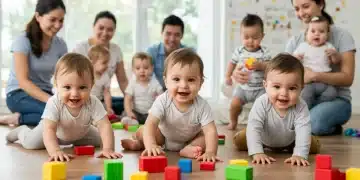
Kindergarten 2025 Prep: 7 Key Skills for Success Now
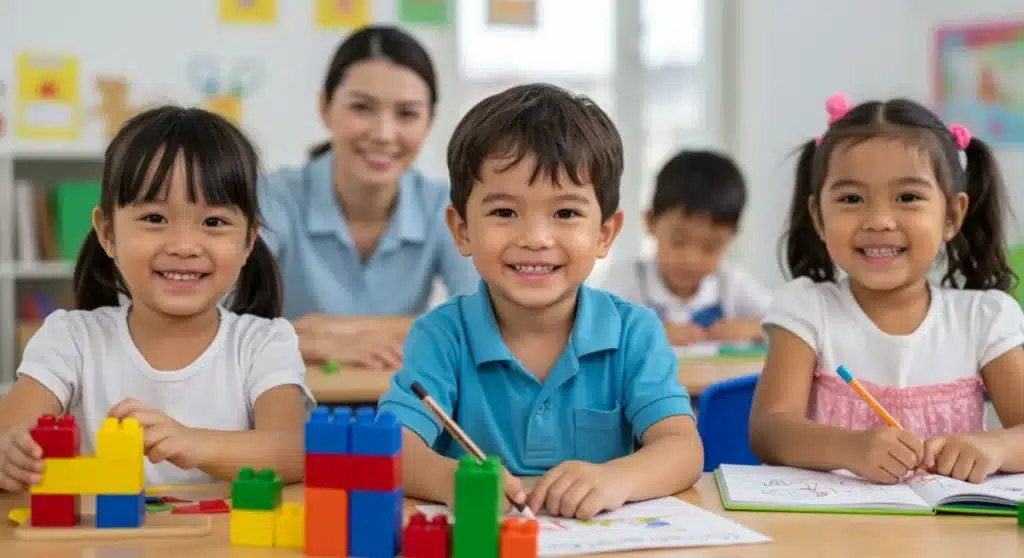
Preparing your child for kindergarten in Fall 2025 involves focusing on seven key developmental skills now to ensure a confident and successful start to their educational journey.
As Fall 2025 approaches, many parents are beginning to think about their child’s transition to kindergarten. Understanding the importance of kindergarten 2025 preparation is crucial, as the foundation laid now significantly impacts future academic success and social-emotional well-being. This isn’t just about academic drills; it’s about nurturing a child’s holistic development, ensuring they are ready to thrive in a new environment.
Understanding Kindergarten Readiness Beyond Academics
When we talk about kindergarten readiness, it’s easy to immediately think of ABCs and 123s. However, the scope of preparation extends far beyond rote memorization. True readiness encompasses a blend of social, emotional, cognitive, and physical skills that empower children to adapt, learn, and interact effectively within a structured school setting. It’s about fostering independence and a love for learning.
Many schools now emphasize a child’s ability to follow directions, manage their emotions, and engage with peers as much as, if not more than, their pre-reading or math skills. These foundational abilities are often the strongest predictors of a smooth transition and ongoing success in the early school years. Parents play a pivotal role in cultivating these skills through everyday interactions and focused activities.
The holistic approach to development
A holistic approach ensures that all facets of a child’s development are considered. This means balancing intellectual stimulation with opportunities for social play, emotional regulation practice, and physical activity. It’s a continuous process that begins long before kindergarten enrollment forms are even considered.
- Social Skills: Learning to share, take turns, and resolve minor conflicts.
- Emotional Regulation: Identifying and expressing feelings appropriately, coping with frustration.
- Cognitive Foundations: Problem-solving, critical thinking, and curiosity.
- Physical Development: Fine motor skills for writing and gross motor skills for playground play.
By focusing on this broader spectrum of readiness, parents can help their children build a robust toolkit of skills that will serve them well not only in kindergarten but throughout their lives. It’s about creating resilient, adaptable learners.
Skill 1: Developing Strong Communication and Language Abilities
Effective communication is paramount for kindergarteners. Children need to be able to express their needs, thoughts, and feelings clearly to teachers and peers. This skill forms the bedrock for all classroom interactions and academic learning. Encouraging verbal expression from an early age is a powerful preparatory step.
Engaging in conversations, asking open-ended questions, and reading aloud are simple yet highly effective ways to bolster language development. When children can articulate their experiences, they are better equipped to participate in group discussions, understand instructions, and even advocate for themselves when necessary. This confidence in communication reduces anxiety related to new social settings.
Engaging in daily conversations
Make conversation a daily ritual. Discuss anything and everything – from what you see on a walk to the events of the day. Ask questions that require more than a yes or no answer to encourage detailed responses and critical thinking.
- Describe objects, actions, and feelings in detail.
- Encourage storytelling and imaginative play.
- Listen attentively and respond thoughtfully to your child’s comments.
Reading together is another cornerstone of language development. It exposes children to new vocabulary, sentence structures, and narrative concepts, all while fostering a love for books and learning. Don’t underestimate the power of a good story time.
Skill 2: Fostering Independence and Self-Help Skills
Kindergarten requires a degree of independence. Children will be expected to manage personal tasks, such as dressing themselves, putting away their belongings, and even opening their lunchboxes. These seemingly small actions contribute significantly to a child’s confidence and ability to navigate their school day without constant adult intervention.
Encouraging self-help skills instills a sense of responsibility and capability. It frees up teachers to focus on instruction and interaction rather than basic care, benefiting the entire classroom environment. Start practicing these skills early and consistently at home, transforming them into routine habits.
Practical habits for autonomy
Involve your child in daily routines. Let them choose their clothes, help set the table, or put away their toys. Provide opportunities for them to complete tasks on their own, even if it takes a little longer or isn’t perfectly executed initially.
- Practice zipping coats and fastening buttons.
- Teach them to pack and unpack their backpack.
- Encourage independent bathroom visits and handwashing.
The goal is not perfection, but participation and effort. Celebrate their attempts and successes, building their belief in their own abilities. This foundation of independence will empower them in the classroom and beyond.
Skill 3: Developing Early Literacy and Numeracy Foundations
While formal reading and math aren’t expected, a strong foundation in early literacy and numeracy significantly eases the transition to kindergarten. This involves familiarity with letters, sounds, numbers, and basic counting concepts, which are often introduced through playful and engaging activities.
Exposure to books, rhyming games, and counting activities at home can spark a child’s interest in these areas. It’s about making learning fun and natural, rather than a chore. These early experiences build confidence and curiosity, setting the stage for more formal instruction.
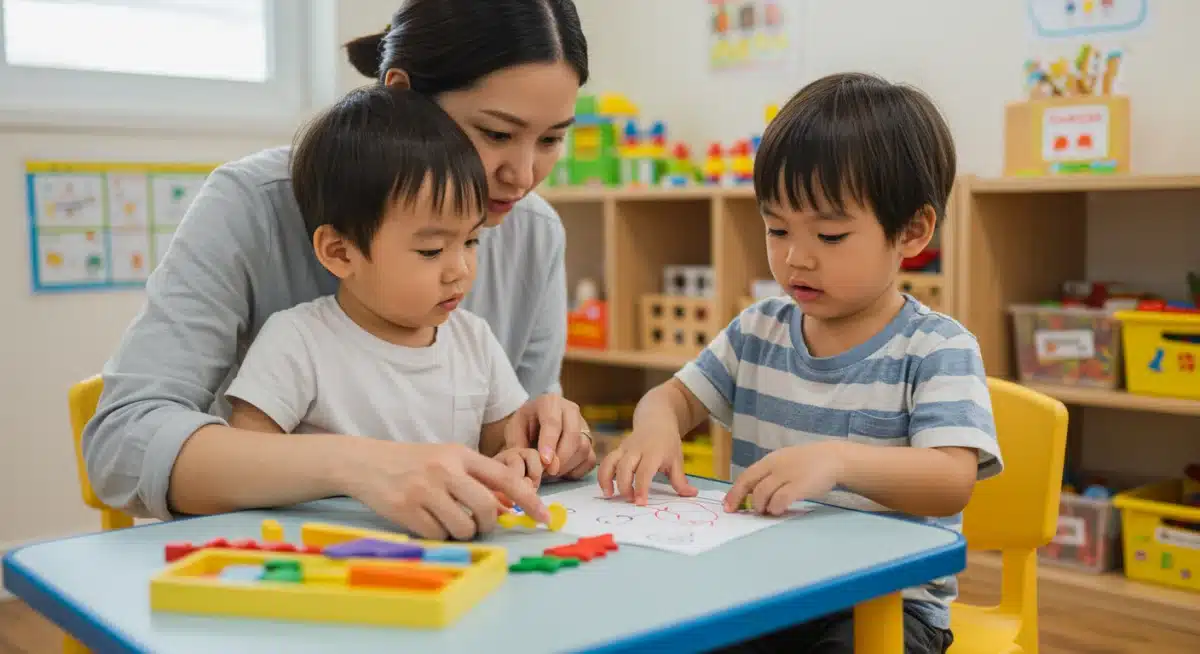
Playful learning for core concepts
Integrate learning into everyday play. Count stairs as you walk, identify letters on street signs, or sing alphabet songs. These informal learning moments are often the most impactful.
- Read a variety of books daily, pointing out words and letters.
- Engage in simple counting games and number recognition activities.
- Practice writing their name and recognizing basic shapes.
Remember, the aim is exposure and engagement, not mastery. A child who enters kindergarten with a playful curiosity about letters and numbers is already ahead, ready to absorb new information.
Skill 4: Cultivating Social-Emotional Competence
Social-emotional competence is arguably one of the most critical skills for kindergarten success. This includes the ability to understand and manage one’s own emotions, empathize with others, build relationships, and make responsible decisions. These skills are fundamental for navigating the complex social dynamics of a classroom.
Children who can regulate their emotions are better able to focus on learning, handle disagreements with peers, and adapt to new situations. Parents can model appropriate emotional responses and provide opportunities for children to practice these skills in safe, supportive environments.
Building emotional intelligence
Talk about feelings openly and honestly. Help your child label their emotions and discuss healthy ways to express them. Role-playing social scenarios can also be incredibly beneficial.
- Teach problem-solving strategies for conflicts with peers.
- Encourage empathy by discussing how others might feel.
- Practice sharing and taking turns during playdates.
These skills are not innate; they are learned and refined through continuous practice and guidance. A strong social-emotional foundation helps children feel secure and connected, essential for a positive school experience.
Skill 5: Developing Fine and Gross Motor Skills
Physical development, both fine and gross motor skills, plays a significant role in a child’s readiness for kindergarten. Fine motor skills are crucial for tasks like holding a pencil, cutting with scissors, and manipulating small objects, while gross motor skills enable participation in playground activities and maintaining posture in a chair.
Providing opportunities for children to engage in activities that strengthen these muscles is vital. This isn’t just about physical activity; it directly impacts their ability to participate effectively in classroom tasks and enjoy recess.
Activities for physical development
Incorporate activities that naturally build these skills into daily play. Art projects, outdoor play, and simple chores can all contribute to developing motor control.
- Encourage drawing, coloring, and cutting with child-safe scissors.
- Provide opportunities for running, jumping, climbing, and balancing.
- Practice buttoning, zipping, and using utensils independently.
A child with well-developed motor skills will find it easier to concentrate on learning tasks without being distracted by physical discomfort or difficulty with basic actions.
Skill 6: Cultivating Curiosity and a Love for Learning
Perhaps one of the most enduring gifts a parent can give a child preparing for kindergarten is an insatiable curiosity and a genuine love for learning. This intrinsic motivation is far more valuable than any specific academic skill, as it drives exploration, resilience, and a lifelong pursuit of knowledge.
Encourage questions, explore interests, and celebrate discoveries, no matter how small. Create a home environment that values inquiry and experimentation. When children are excited to learn, they approach school with enthusiasm and an open mind, making every lesson an adventure.
Igniting the spark of inquiry
Respond to your child’s questions with genuine interest and, when appropriate, explore the answers together. Visit libraries, museums, and parks to expose them to new experiences and ideas.
- Read engaging books that spark imagination and questions.
- Involve them in simple science experiments or nature observations.
- Encourage creative play that allows them to explore different roles and scenarios.
A child who loves to learn is a child who will thrive in any educational setting, adaptable and eager to embrace new challenges.
Skill 7: Understanding and Following Directions
In a kindergarten classroom, the ability to understand and follow multi-step directions is fundamental for maintaining order and facilitating learning. Teachers often give instructions that involve several steps, and children need to process and execute them independently.
Practicing this skill at home helps children develop their listening comprehension and memory. Start with simple two-step directions and gradually increase complexity. This prepares them for the structured environment of school and reduces potential frustration for both the child and the teacher.
Practicing multi-step instructions
Incorporate direction-following into daily routines and games. Make it a fun challenge rather than a strict command, and provide positive reinforcement for successful attempts.
- Give instructions like, “Please pick up your blue block and put it in the red basket.”
- Play games like “Simon Says” to practice listening carefully.
- Ask your child to recount a story or sequence of events.
This skill not only aids in classroom management but also fosters a child’s ability to complete tasks independently and contributes to their overall sense of competence.
| Key Skill | Brief Description |
|---|---|
| Communication | Ability to express needs and thoughts clearly to adults and peers. |
| Independence | Self-help skills like dressing, packing, and managing belongings. |
| Social-Emotional | Managing emotions, empathy, and building positive relationships. |
| Following Directions | Understanding and executing multi-step instructions from teachers. |
Frequently asked questions about kindergarten readiness
While many skills are crucial, social-emotional competence is often cited as the most important. The ability to manage emotions, interact positively with peers, and adapt to new situations forms the foundation for all other learning and helps children thrive in a group setting.
Encourage independence by giving your child age-appropriate responsibilities, such as dressing themselves, putting away toys, or helping with simple chores. Allow them to make small choices and experience the natural consequences of their actions, fostering self-reliance.
No, it’s not expected for children to read before kindergarten. Focus on developing early literacy skills like recognizing letters, associating sounds with letters, and enjoying books. A love for stories and curiosity about print are more beneficial than premature reading pressure.
Acknowledge their feelings and talk openly about school. Visit the school if possible, read books about starting kindergarten, and arrange playdates with future classmates. Reassure them and focus on the exciting aspects, while validating their emotions.
Limit screen time to under one hour daily for preschoolers, focusing on high-quality educational content when used. Prioritize interactive play, reading, and social interactions over screens to better develop communication, motor skills, and social-emotional intelligence.
Conclusion
Preparing your child for kindergarten in Fall 2025 is a journey that extends beyond academic benchmarks. By focusing on these seven key skills—communication, independence, early literacy and numeracy, social-emotional competence, fine and gross motor development, a love for learning, and the ability to follow directions—you are equipping your child with a robust foundation for success. This holistic approach ensures they not only enter kindergarten ready to learn but also with the confidence and resilience to navigate new challenges, fostering a positive and enriching educational experience from day one.