2026 Guide: Interactive Museum Exhibits for Kids Nationally
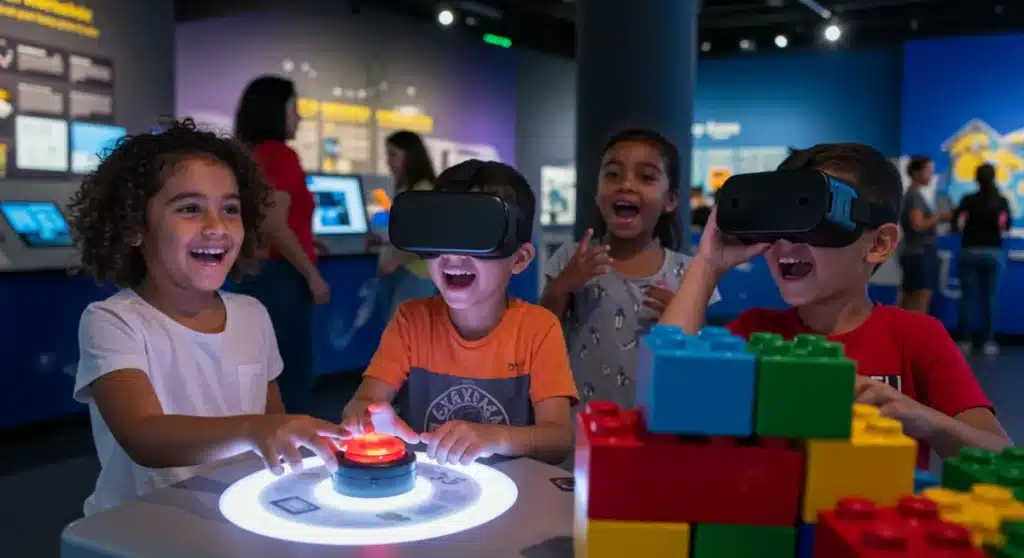
Unlock 20% More Family Fun: A 2026 Guide to Interactive Museum Exhibits for Kids Nationally
Are you looking for ways to spark curiosity, ignite imagination, and create lasting memories with your children? In 2026, the landscape of children’s education and entertainment is more vibrant and engaging than ever, thanks to a burgeoning trend in Kids Interactive Museums. These aren’t your grandmother’s quiet, ‘look-but-don’t-touch’ institutions. Modern interactive museums are dynamic, hands-on environments designed to make learning an adventure, transforming complex concepts into accessible, fun experiences for young minds.
This comprehensive guide will navigate you through the best interactive museum exhibits across the nation, highlighting what makes them unique and why they are must-visit destinations for families in 2026. From coast to coast, we’ll explore how these innovative spaces are revolutionizing family fun and education, proving that learning can indeed be the most exciting game of all. Get ready to discover unparalleled opportunities for your children to explore, experiment, and engage in meaningful ways, making every museum visit an unforgettable journey of discovery.
The Evolution of Engagement: Why Interactive Museums are Essential for Kids
In an increasingly digital world, the value of tactile, real-world experiences for children cannot be overstated. Kids Interactive Museums provide a crucial counterbalance, offering environments where children learn by doing. This pedagogical approach, rooted in constructivist learning theories, posits that children construct knowledge through active engagement with their environment. Instead of passively receiving information, kids are encouraged to manipulate objects, solve problems, and collaborate with peers and adults.
The benefits extend far beyond simple entertainment. These museums foster critical thinking skills, encourage creativity, and develop problem-solving abilities. Children learn about science, technology, engineering, arts, and mathematics (STEAM) in contexts that are relevant and exciting. A child might learn about physics by building a roller coaster, understand ecosystems by tending a miniature garden, or grasp principles of economics by running a mock grocery store. This hands-on approach makes abstract concepts tangible and memorable, laying a strong foundation for future academic success.
Moreover, interactive museums offer unique opportunities for social and emotional development. Children learn to share, negotiate, and communicate as they work together on exhibits. They develop resilience by experimenting and sometimes failing, then trying again. The joy of discovery and the pride in accomplishment boost self-esteem and encourage a lifelong love of learning. For parents, these spaces offer a chance to engage with their children on a deeper level, sharing in their discoveries and facilitating their exploration.
The design philosophy behind these institutions has shifted dramatically. Gone are the days of static displays and hushed tones. Today’s Kids Interactive Museums are vibrant, noisy, and full of energy, reflecting the natural curiosity and dynamism of children. They are intentionally designed to be accessible to children of all ages and abilities, ensuring that every child can find something to captivate their attention and spark their imagination. This commitment to inclusivity and active learning positions interactive museums as indispensable resources for families seeking enriching experiences in 2026.
Spotlight on Innovation: Must-Visit Interactive Museum Exhibits in 2026
The Exploratorium, San Francisco, CA
A pioneer in interactive learning, The Exploratorium continues to set the standard for engaging science exhibits. In 2026, visitors can expect new installations that delve into environmental science, focusing on climate change and sustainable living through playful, accessible experiments. Imagine controlling miniature weather systems or generating energy with your own movements. Their ‘Tinkering Studio’ remains a highlight, inviting children to invent, build, and create using real tools and materials, fostering engineering skills and creative problem-solving. It’s a place where questions are celebrated, and answers are discovered through hands-on exploration. The Exploratorium truly embodies the spirit of Kids Interactive Museums, making complex scientific principles understandable and fun for all ages.
Please Touch Museum, Philadelphia, PA
Specifically designed for children aged seven and under, the Please Touch Museum lives up to its name by encouraging uninhibited tactile exploration. For 2026, look out for renewed exhibits that include an expanded Storybookland, bringing classic tales to life through immersive play environments. Children can step into the worlds of their favorite characters, fostering early literacy and imaginative play. The museum’s ‘City Park’ exhibit, complete with a working carousel and interactive cityscapes, allows young ones to experience urban life in a safe, playful setting, developing social skills and understanding community roles. This museum is a haven for early childhood development, emphasizing sensory experiences and imaginative engagement.
Children’s Museum of Indianapolis, Indianapolis, IN
As the largest children’s museum in the world, this institution consistently offers groundbreaking exhibits. In 2026, their focus on cultural understanding and global citizenship is stronger than ever. New permanent exhibits might include immersive journeys to different continents, allowing children to experience diverse traditions, languages, and art forms through interactive displays and cultural performances. Their renowned ‘Dinosphere’ continues to awe with its realistic dinosaur fossils and interactive paleontology labs, where kids can dig for bones and learn about prehistoric life. The museum’s commitment to diverse learning experiences makes it a prime example of how Kids Interactive Museums can educate and inspire on a grand scale.
Museum of Science and Industry, Chicago, IL
While not exclusively a children’s museum, MSI offers an incredible array of interactive exhibits that are perfect for older children and teenagers. In 2026, expect cutting-edge displays on artificial intelligence and robotics, allowing kids to program simple robots or interact with AI-powered simulations. The ‘Science Storms’ exhibit continues to captivate with its indoor tornado, tsunami tank, and lightning displays, making natural phenomena thrillingly tangible. Their coal mine exhibit provides a historical and industrial perspective, offering a realistic underground experience. MSI’s blend of history, science, and technology provides a rich educational experience that appeals to a wide age range, making it a key player in the realm of interactive learning for young people.
Boston Children’s Museum, Boston, MA
One of the oldest and most respected children’s museums in the country, the Boston Children’s Museum consistently updates its offerings to remain relevant and engaging. For 2026, expect new exhibits focusing on early STEM concepts, including engineering challenges where kids can design and test structures, and interactive displays exploring the principles of light and sound. Their iconic ‘Playspace’ for toddlers provides a safe and stimulating environment for the youngest visitors to explore. The museum’s emphasis on open-ended play and learning through discovery makes it a perennial favorite for families. It epitomizes the ideal environment for young children in Kids Interactive Museums, where every corner holds a new opportunity for growth.

Planning Your Visit: Tips for Maximizing Your Interactive Museum Experience
To ensure your family gets the most out of your visit to these incredible Kids Interactive Museums, a little planning goes a long way. Here are some essential tips:
- Check for Special Exhibits and Events: Many museums host rotating exhibits or special workshops. Check their websites in advance for 2026 schedules to catch unique opportunities that align with your children’s interests. Some may require pre-booking, especially for popular attractions.
- Go During Off-Peak Hours: Weekday mornings or late afternoons are often less crowded, allowing children more space and time to explore each exhibit without feeling rushed or overwhelmed. This also means less waiting time for popular hands-on activities.
- Dress for Mess: Interactive exhibits, especially those involving water, paint, or building materials, can be messy. Dress your children in comfortable clothes that can get a little dirty, and consider bringing a change of clothes.
- Pack Snacks and Drinks: While most museums have cafes, bringing your own snacks and water bottles can save time and money, especially with young children who need frequent refueling. Check the museum’s policy on outside food and drinks.
- Set Expectations: Talk to your children about what they might see and do at the museum. Let them know it’s a place for exploring and learning, not just passive observation. Encourage them to ask questions and try everything.
- Allow for Open-Ended Play: Resist the urge to rush your children through exhibits. Allow them to linger at activities that captivate their attention, even if it means not seeing everything. Deep engagement in one area is often more beneficial than a superficial pass through many.
- Engage with Your Children: Participate in the activities alongside them. Ask open-ended questions like, "What do you think will happen if…?" or "How does this work?" Your active involvement enhances their learning and makes the experience more enjoyable for everyone.
- Utilize Museum Resources: Many museums offer guides, activity sheets, or even apps to enhance the visit. Check if they have sensory-friendly hours or resources for children with special needs.
- Consider a Membership: If you live near a museum or plan to visit several times a year, a family membership can be a cost-effective option, often including reciprocal admission to other museums nationwide.
- Debrief After the Visit: On the way home or later, talk about what everyone saw and learned. Ask about their favorite parts and what surprised them. This helps solidify the learning and makes the memories more vivid.
By following these tips, you can transform a simple museum visit into an extraordinary educational adventure that will be cherished by the entire family. The investment in time and effort will be richly rewarded with curious minds and happy memories.
The Future of Learning: Trends in Kids Interactive Museums for 2026 and Beyond
The landscape of Kids Interactive Museums is continuously evolving, with exciting trends shaping the future of informal education. In 2026, we can anticipate several key developments that will further enhance the learning experience for children.
Integration of Digital and Physical Play
The line between digital and physical play is blurring. Museums are increasingly incorporating augmented reality (AR) and virtual reality (VR) into their exhibits, not as standalone experiences but as enhancements to physical interactions. Imagine exploring a dinosaur exhibit where AR allows children to see the dinosaurs come to life through their tablet screens, or a history exhibit where VR transports them to a historical event. This hybrid approach leverages technology to deepen engagement and provide richer context, without replacing the critical hands-on component.
Focus on Environmental Literacy and Sustainability
With growing global awareness of climate change and environmental issues, museums are stepping up to educate the next generation. Expect more exhibits dedicated to sustainability, conservation, and ecological science. These will go beyond simple displays, offering interactive challenges where children can design sustainable cities, manage natural resources, or learn about renewable energy sources through engaging games and experiments. This focus helps instill a sense of responsibility and empowers children to become stewards of the planet.
Emphasis on Social-Emotional Learning (SEL)
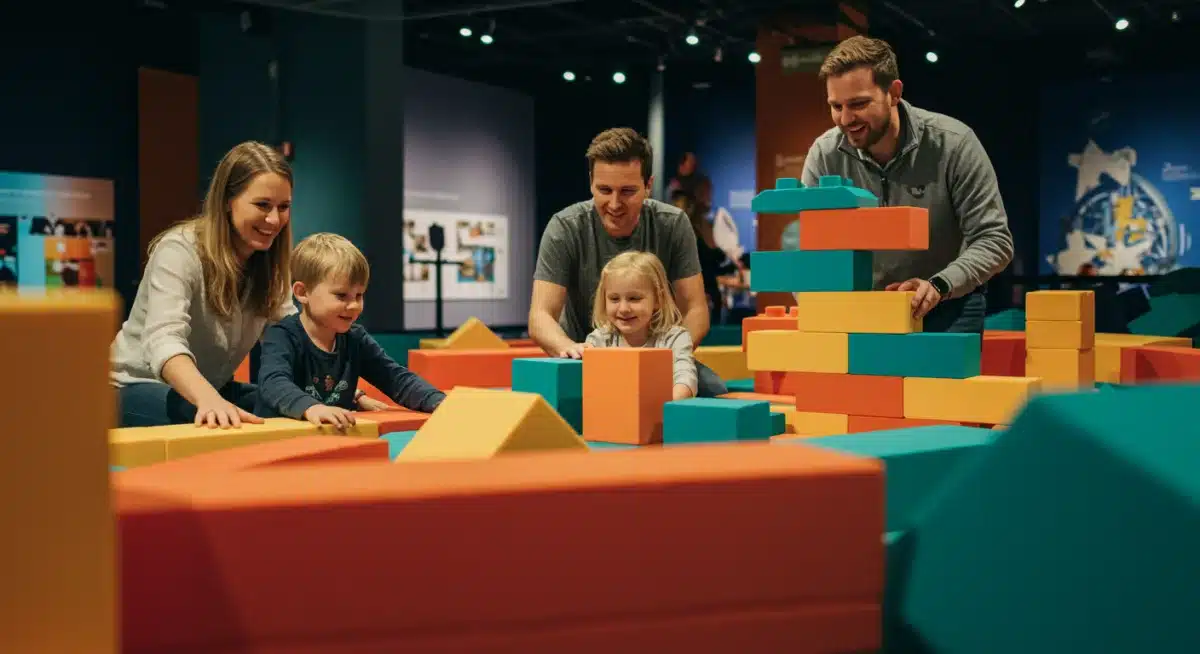
Beyond academic skills, museums are recognizing the importance of social-emotional development. New exhibits are being designed to foster empathy, collaboration, communication, and resilience. This might include role-playing scenarios that encourage problem-solving in social contexts, collaborative building projects that require teamwork, or exhibits that explore emotions and cultural understanding. These initiatives help children develop crucial life skills that are essential for navigating an increasingly complex world.
Personalized Learning Journeys
Advancements in technology are enabling more personalized museum experiences. Through interactive apps or wearable devices, children might receive tailored recommendations for exhibits based on their interests, or track their progress through various learning challenges. This allows each child to engage with the content at their own pace and according to their individual learning style, making the experience more relevant and impactful. The goal is to create a museum visit that feels uniquely designed for every young explorer.
Community Engagement and Outreach
Museums are increasingly seeing themselves as community hubs, extending their educational reach beyond their physical walls. In 2026, expect to see more partnerships with schools, libraries, and community centers, offering traveling exhibits, educational workshops, and digital resources. This ensures that the benefits of interactive learning are accessible to a wider audience, breaking down barriers to participation and fostering a broader love for learning within communities. These outreach programs are vital for enhancing the impact of Kids Interactive Museums.
These trends highlight a dynamic and forward-thinking approach to children’s education. Kids Interactive Museums are not just places to visit; they are evolving ecosystems of learning, continually adapting to meet the needs of the next generation and prepare them for the challenges and opportunities of the future. By embracing innovation, these institutions are ensuring that learning remains an exciting, hands-on, and deeply personal adventure for every child.
Beyond the Exhibits: The Lasting Impact of Interactive Museum Visits
The magic of Kids Interactive Museums extends far beyond the immediate joy of discovery within their walls. The experiences gained during these visits have profound and lasting impacts on children’s development, shaping their cognitive, social, and emotional landscapes for years to come. It’s not just about what they learn in the moment, but how those moments foster a lifelong passion for exploration and understanding.
Cultivating Lifelong Curiosity
One of the most significant benefits is the cultivation of intrinsic motivation for learning. When children are actively engaged and excited by what they are doing, they are more likely to seek out similar experiences in the future. An interactive museum visit can ignite a spark of curiosity that transforms into a lifelong pursuit of knowledge. A child who built a working circuit at a science museum might be inspired to pursue engineering, while another who explored ancient cultures might develop a passion for history or anthropology. These museums act as catalysts, encouraging children to ask questions, seek answers, and never stop learning.
Developing Critical Skills for the Future
In an era where adaptability and innovation are paramount, the skills nurtured in interactive museum environments are more valuable than ever. Problem-solving, critical thinking, collaboration, and creativity are not merely buzzwords; they are essential competencies. When children are tasked with building a bridge strong enough to hold weight, or designing a city that uses renewable energy, they are engaging in complex thought processes that build these skills organically. These are the same skills that will enable them to thrive in academic settings, future careers, and as engaged global citizens. The hands-on nature of Kids Interactive Museums provides a safe space for experimentation and learning from ‘failure,’ which is crucial for developing resilience and a growth mindset.
Strengthening Family Bonds
Interactive museum visits are not just for kids; they are rich opportunities for family bonding. Parents and caregivers become co-explorers, learning alongside their children, sharing moments of wonder, and celebrating discoveries together. These shared experiences create powerful memories and strengthen familial relationships. When a parent helps a child understand a concept or marvels at their ingenuity, it fosters a deeper connection and reinforces the idea that learning is a shared, joyful journey. This collaborative learning environment makes Kids Interactive Museums invaluable for family cohesion.
Broadening Perspectives and Empathy
Many interactive museums feature exhibits that expose children to diverse cultures, historical periods, and scientific phenomena. This exposure broadens their perspectives, helps them understand the world beyond their immediate experience, and fosters empathy. Learning about different ways of life, the challenges faced by others, or the interconnectedness of ecosystems can instill a sense of global citizenship and compassion. These experiences are fundamental in raising well-rounded, understanding individuals who are prepared to contribute positively to society.
In conclusion, the investment of time and resources into visiting Kids Interactive Museums is an investment in your child’s future. These dynamic spaces offer far more than just entertainment; they are vital institutions that inspire, educate, and empower the next generation. As we look to 2026 and beyond, the continued evolution of these museums promises even more innovative and impactful ways for children to learn and grow, ensuring that every family outing can be a journey of discovery.