Introducing Solids: 6-Month Timeline & First Food Guide for US Babies
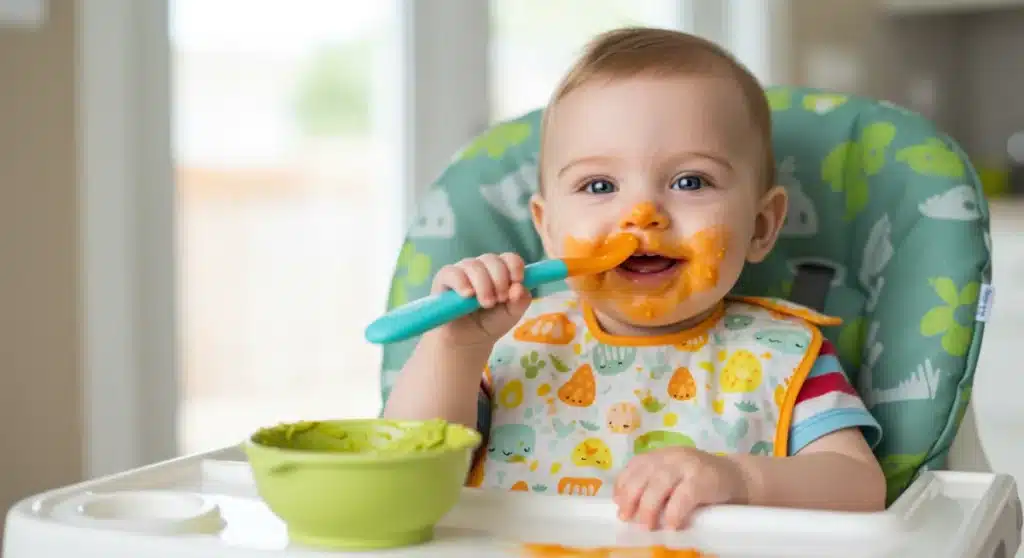
Introducing solids to US babies around 6 months requires careful timing and safe food choices, aligning with developmental readiness for optimal nutrition and healthy eating habits.
Are you wondering about introducing solids: a 6-month timeline and first food guide for US babies in 2025? This exciting milestone marks a significant step in your baby’s development, opening up a world of new tastes and textures. It’s a journey filled with discovery, and understanding the right approach can make it enjoyable and beneficial for both you and your little one.
Understanding the readiness for solids
Before diving into purees and soft finger foods, it’s crucial to recognize the signs that your baby is developmentally ready for solids. The American Academy of Pediatrics (AAP) and other health organizations in the US generally recommend introducing solids around 6 months of age. This isn’t a hard and fast rule, but rather a guideline based on several key indicators of readiness.
Observing these signs ensures your baby can safely and effectively consume solid foods, minimizing risks like choking and maximizing nutritional benefits. Starting too early can lead to digestive issues or an increased risk of allergies, while delaying too long might affect nutrient intake and oral motor skill development.
Key developmental milestones
- Good head and neck control: Your baby should be able to hold their head steady and sit upright with minimal support. This is essential for safe swallowing.
- Loss of tongue-thrust reflex: This reflex causes babies to push food out of their mouths, preventing them from swallowing solids. Its disappearance indicates readiness.
- Opening mouth for food: When offered food, your baby should open their mouth, showing interest in eating.
- Swallowing food rather than pushing it out: This demonstrates their ability to move food from the front of their mouth to the back for swallowing.
- Showing interest in food: Your baby might watch you eat, reach for your food, or even fuss when you don’t share.
It’s important to remember that every baby develops at their own pace. While 6 months is a general guideline, some babies might be ready slightly earlier or later. Always consult with your pediatrician before starting solids to ensure your baby is prepared for this new phase.
Recognizing these developmental cues is the cornerstone of a successful introduction to solid foods. It’s not just about age, but about physiological and motor readiness, which varies from one infant to another. Ensuring your baby meets these criteria makes the transition smoother and safer, setting a positive foundation for their eating journey.
The 6-month timeline: what to expect
The 6-month mark is often cited as the ideal time to begin introducing solid foods, but it’s more of a window than a precise date. This timeline allows for gradual introduction, giving your baby time to adjust to new textures, flavors, and the process of eating from a spoon or self-feeding. The initial phase is about exploration and learning, with breast milk or formula remaining the primary source of nutrition.
During this period, focus on single-ingredient foods to easily identify any potential allergies or sensitivities. Introduce one new food every three to five days. This systematic approach is crucial for monitoring your baby’s reactions and ensures you can pinpoint any problematic foods. Patience is key; some babies take to solids immediately, while others need more time and repeated exposure.
Starting with single-grain cereals
Many pediatricians in the US recommend starting with iron-fortified single-grain cereals, such as rice or oatmeal, mixed with breast milk or formula. These cereals are typically well-tolerated and provide essential iron, which babies need as their iron stores from birth begin to deplete around this age. Begin with a very thin consistency, gradually thickening it as your baby becomes more accustomed to eating.
- Rice cereal: Often the first choice due to its mild flavor and smooth texture.
- Oatmeal cereal: Another excellent option, often praised for its slightly higher fiber content.
- Barley cereal: Less common but also a suitable single-grain option.
Offer a small amount, perhaps one to two teaspoons, once a day after a breast milk or formula feeding. This ensures your baby isn’t too hungry to try new foods but also not so full they refuse. Gradually increase the amount and frequency as your baby shows interest and tolerance. Remember, the goal is to introduce, not to replace, their primary milk feedings.
The 6-month timeline is a flexible framework designed to guide parents through the initial stages of solid food introduction. It emphasizes observation, patience, and a gradual approach, ensuring that each step is met with your baby’s readiness and comfort. This foundational period sets the stage for a diverse and healthy diet in the future.
First food choices: a guide for US babies in 2025
When selecting first foods for your baby, focus on nutrient-dense options that are easy to digest and prepare. While iron-fortified cereals are a traditional starting point, many modern approaches also advocate for pureed fruits, vegetables, and even meats as initial choices. The key is to offer a variety of flavors and textures early on to encourage broad acceptance of different foods.
For US babies in 2025, there’s a growing emphasis on minimizing exposure to highly processed foods and added sugars. Opt for fresh, whole ingredients whenever possible. Preparing baby food at home allows you to control the ingredients and avoid unnecessary additives. If purchasing commercial baby food, always check labels for hidden sugars and excessive sodium.
Nutrient-rich options
Beyond cereals, a wide array of fruits and vegetables make excellent first foods. They provide essential vitamins, minerals, and fiber. Ensure all foods are pureed, mashed, or very finely chopped to prevent choking hazards.
- Vegetables: Sweet potato, butternut squash, carrots, peas, green beans. These are naturally sweet and usually well-received.
- Fruits: Avocado, banana, applesauce (unsweetened), pears, peaches. Avocado is particularly good due to its healthy fats.
- Meats: Pureed chicken, beef, or turkey. These are excellent sources of iron and protein, vital for growth and development.
- Legumes: Pureed lentils or beans, offering plant-based protein and fiber.
Introduce these foods one at a time, waiting three to five days before introducing another new food. This method helps you identify any allergic reactions or digestive sensitivities. Keep a food journal to track what your baby eats and any reactions. This record can be invaluable for pinpointing trigger foods if issues arise.
The selection of first foods for US babies in 2025 is guided by principles of nutrition, safety, and promoting diverse palates. By prioritizing whole, unprocessed foods and introducing them systematically, parents can foster healthy eating habits from the very beginning, laying the groundwork for a lifetime of good nutrition.
Baby-led weaning vs. traditional purees
The debate between baby-led weaning (BLW) and traditional purees often arises when parents begin introducing solids. Both methods have their merits and can be successful, depending on your baby’s readiness, your comfort level, and your family’s lifestyle. Understanding the core principles of each approach can help you decide which path is best for your little one.
Traditional purees involve spoon-feeding your baby smooth, mashed, or pureed foods. This method offers a controlled way to introduce new tastes and textures, often starting with very thin consistencies and gradually progressing to thicker purees and lumpy foods. It’s a familiar approach for many parents and can be less messy initially.
Exploring baby-led weaning (BLW)
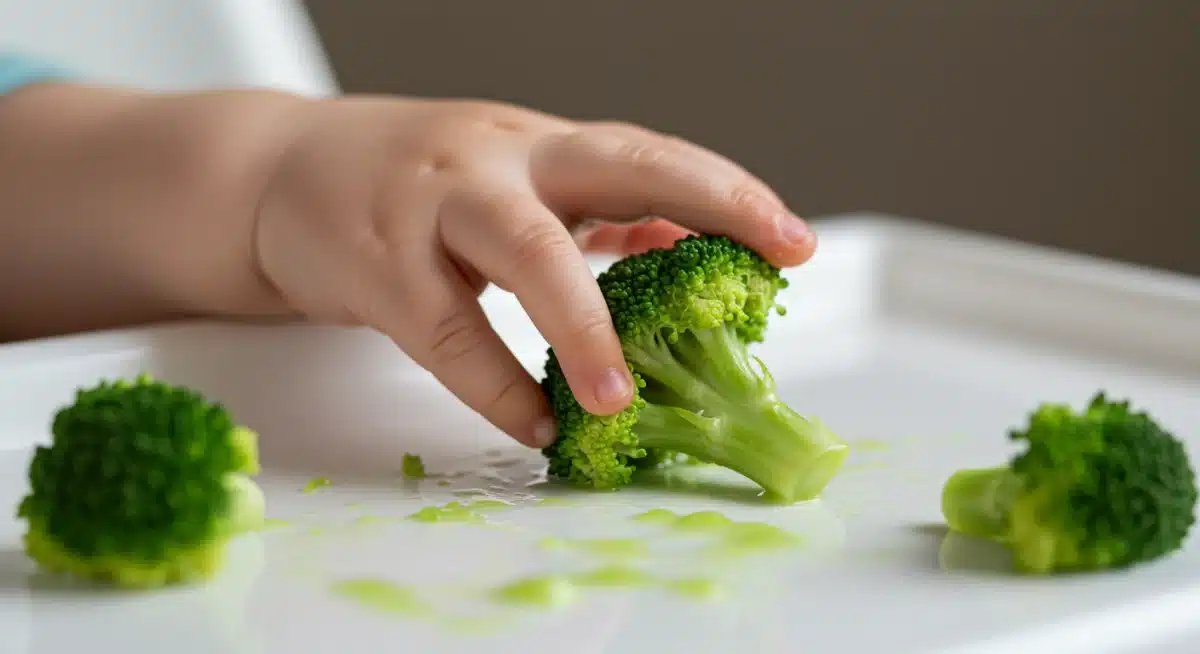
Baby-led weaning, on the other hand, bypasses purees and encourages babies to self-feed from the start. Babies are offered soft, appropriately sized pieces of food that they can pick up and bring to their mouths. This approach emphasizes allowing the baby to control what and how much they eat, promoting independence and developing fine motor skills.
- Advantages of BLW: Promotes self-regulation, develops hand-eye coordination and chewing skills, and can lead to less picky eating.
- Suitable BLW foods: Soft-cooked vegetables (broccoli florets, carrot sticks), soft fruits (banana, avocado slices), strips of cooked meat, toast fingers.
- Safety considerations: Foods must be soft enough for baby to gum, cut into appropriate shapes to prevent choking, and supervised closely. Avoid whole grapes, nuts, hard candies, and large chunks of meat.
Many parents also choose a hybrid approach, combining elements of both traditional purees and baby-led weaning. This allows for the benefits of both methods, offering variety and flexibility. For instance, you might start with purees and then gradually introduce finger foods as your baby’s skills develop. Always prioritize safety, regardless of the method chosen, ensuring all food is prepared appropriately for your baby’s age and developmental stage.
Ultimately, the choice between baby-led weaning, traditional purees, or a combination depends on individual circumstances. Both methods aim to introduce solids safely and effectively, fostering healthy eating habits. The key is to observe your baby’s cues, ensure food safety, and enjoy the journey of culinary exploration together.
Allergies and food safety in 2025
Food allergies are a significant concern for parents introducing solids. In 2025, current recommendations from health organizations like the National Institute of Allergy and Infectious Diseases (NIAID) suggest introducing common allergens early and consistently, rather than delaying them. This shift in guidance is based on research indicating that early introduction can actually reduce the risk of developing allergies.
When introducing common allergens like peanuts, eggs, milk, soy, wheat, tree nuts, fish, and shellfish, do so one at a time. After introducing an allergen, wait for a few days to monitor for any reactions before introducing another new food. This allows you to identify the specific food causing a reaction if one occurs. Always introduce allergens at home, not at daycare or a restaurant, where immediate response might be delayed.
Safe introduction of allergens
- Peanuts: Introduce as smooth peanut butter mixed into purees or breast milk/formula, not whole peanuts or large lumps of peanut butter.
- Eggs: Offer well-cooked and mashed eggs, such as scrambled eggs.
- Milk: Introduce as yogurt or cheese (dairy products), not cow’s milk as a primary beverage before age one.
- Fish: Cooked and flaked fish, ensuring no bones.
Beyond allergens, general food safety practices are paramount. Always wash your hands and your baby’s hands before meals. Ensure all food is prepared in a clean environment and cooked to appropriate temperatures. Avoid honey before age one due to the risk of infant botulism. Also, steer clear of foods that pose a choking hazard, such as whole grapes, hot dogs, large chunks of meat, nuts, seeds, popcorn, and hard candies. Cut all foods into small, manageable pieces appropriate for your baby’s age and chewing ability.
Staying informed about the latest guidelines on allergen introduction and maintaining strict food safety practices are crucial steps for parents. These measures help protect your baby from adverse reactions and ensure a safe and positive experience as they explore the world of solid foods, building a foundation for a healthy and varied diet.
Making mealtime a positive experience
Introducing solids is not just about nutrition; it’s also about fostering a positive relationship with food and making mealtime an enjoyable experience for your baby and your family. Creating a relaxed and engaging atmosphere can significantly influence your baby’s willingness to try new foods and develop healthy eating habits. Avoid turning mealtime into a battle; if your baby refuses a food, don’t force it. Try again another day.
Involve your baby in family meals as much as possible. Even if they are just gumming on a soft piece of food or watching you eat, this exposure helps them learn about social eating and mimic positive behaviors. Offer a variety of colorful and textured foods to stimulate their senses and encourage exploration. Remember that babies often need multiple exposures to a new food before accepting it, sometimes up to 10-15 times.
Tips for joyful mealtimes
- Sit together: Eat meals as a family whenever possible. Babies learn by watching.
- Offer variety: Don’t stick to just a few favorites. Introduce new foods regularly.
- Respect cues: Pay attention to your baby’s hunger and fullness cues. Don’t overfeed.
- Be patient: If a food is refused, try again another day. Don’t give up after one or two tries.
- Keep it clean (enough): Expect messes! Let your baby explore food with their hands.
Creating a positive mealtime environment also involves minimizing distractions. Turn off the TV, put away phones, and focus on the interaction with your baby. Talk to them about the food, describe its taste and texture, and celebrate their small victories, like trying a new bite. This consistent positive reinforcement helps build a strong foundation for a lifetime of healthy eating.
Mealtime should be a source of joy and connection, not stress. By creating a supportive and engaging environment, parents can help their babies develop a positive association with food, encouraging adventurous eating and establishing healthy habits that extend far beyond infancy. Embrace the mess and celebrate each new taste and texture your baby discovers.
Transitioning from purees to finger foods
As your baby grows and develops more sophisticated oral motor skills, the transition from smooth purees to more textured and eventually finger foods becomes a natural progression. This stage typically begins around 8-9 months, but again, it varies by individual baby. It’s an exciting time as your baby gains more independence in feeding and further refines their chewing and grasping abilities.
Start by gradually increasing the thickness of purees, introducing lumpier textures. This helps your baby adapt to different mouthfeel sensations. Once they are comfortable with lumpy foods, you can begin offering small, soft pieces of finger foods that they can pick up and self-feed. This process encourages chewing practice, even if they don’t have many teeth yet, as babies can effectively gum many soft foods.
Safe finger food options
- Soft fruits: Small pieces of ripe banana, avocado, cooked apple or pear.
- Cooked vegetables: Steamed carrot sticks, soft broccoli florets, cooked sweet potato cubes.
- Grains: Small pieces of soft toast, pasta shapes, O-shaped cereals.
- Proteins: Shredded cooked chicken, tiny pieces of soft cheese, small bits of scrambled egg.
Always supervise your baby closely during meals, especially when they are eating finger foods. Pay attention to their chewing and swallowing, and be prepared to intervene if they struggle. Continue to offer a variety of foods to ensure a balanced diet. Remember that breast milk or formula still plays an important role in their nutrition up to at least 12 months of age, complementing the increasing intake of solids.
The transition to finger foods is a key developmental step, enhancing autonomy and refining essential motor skills. By offering appropriate textures and shapes and maintaining vigilant supervision, parents can confidently guide their babies through this phase, promoting safe and independent eating habits that will serve them well into toddlerhood and beyond.
| Key Milestone | Description |
|---|---|
| Readiness Signs | Good head control, loss of tongue-thrust, interest in food, ability to swallow. |
| First Foods (6 Months) | Iron-fortified cereals, pureed fruits (avocado, banana), vegetables (sweet potato, squash). |
| Allergen Introduction | Introduce common allergens early and individually, monitoring for reactions over several days. |
| Mealtime Environment | Create a positive, distraction-free environment; respect hunger/fullness cues. |
Frequently asked questions about introducing solids
The best time is around 6 months of age, or when your baby shows clear signs of developmental readiness, such as good head control, sitting upright with support, and showing interest in food. Always consult your pediatrician for personalized advice.
Iron-fortified single-grain cereals (like rice or oatmeal) mixed with breast milk or formula are common first choices. Pureed vegetables (sweet potato, squash) and fruits (avocado, banana) are also excellent starting points due to their nutrient content and ease of digestion.
Introduce common allergens early and one at a time, watching for reactions over several days. For example, offer smooth peanut butter mixed into a puree, or well-cooked, mashed egg. Do this at home and under supervision.
Baby-led weaning (BLW) involves offering babies soft, appropriately sized finger foods to self-feed, bypassing purees. It is safe if your baby shows readiness signs and foods are prepared to prevent choking. Close supervision is essential.
Avoid honey, cow’s milk as a primary beverage, and foods that pose a choking hazard such as whole grapes, nuts, popcorn, hot dogs, and hard candies. Always ensure food is soft, cut into small pieces, and supervised.
Conclusion
Embarking on the journey of introducing solids is a pivotal and exciting phase in your baby’s development. By understanding the signs of readiness, following a thoughtful 6-month timeline, making informed first food choices, and prioritizing food safety, parents can confidently guide their US babies through this milestone in 2025. Whether you opt for traditional purees, baby-led weaning, or a hybrid approach, fostering a positive and engaging mealtime experience is paramount. Remember to consult with your pediatrician for personalized guidance and embrace the unique pace of your baby’s development, ensuring a healthy and joyful exploration of food.