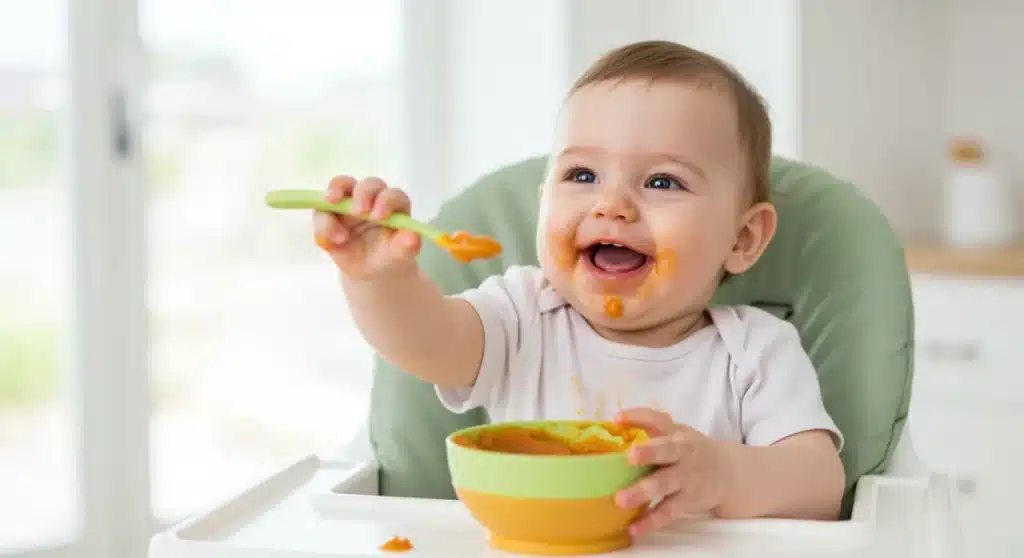
The 2026 Guide to Introducing Solid Foods: A Phased Approach for Babies Starting at 6 Months
Congratulations, parents! Your little one is growing rapidly, and you’re likely approaching a significant milestone: introducing solid foods. This can be an exciting yet sometimes daunting phase. The year 2026 brings with it updated insights and best practices, and this comprehensive guide is designed to equip you with all the knowledge you need for a successful journey when introducing solid foods to your baby, starting right around the 6-month mark. We’ll delve into everything from recognizing readiness cues to navigating common challenges, ensuring a smooth and enjoyable transition for both you and your infant.
Why 6 Months is the Magic Number for Introducing Solid Foods
For decades, there’s been evolving guidance on when to start introducing solid foods. However, current recommendations from leading health organizations, including the World Health Organization (WHO) and the American Academy of Pediatrics (AAP), firmly advocate for initiating solid foods around 6 months of age. This isn’t an arbitrary number; it’s based on crucial developmental milestones and nutritional needs.
Before 6 months, an infant’s digestive system is still maturing, and their kidneys may not be fully equipped to handle the solute load from solid foods. Furthermore, their oral motor skills are not yet developed enough to safely manage textured foods, increasing the risk of choking. Breast milk or formula remains the primary source of nutrition during the first six months, providing all the essential nutrients your baby needs for rapid growth and development.
Around 6 months, several physiological and developmental changes occur that signal a baby’s readiness for introducing solid foods. These include better head and neck control, the ability to sit with support, and a natural curiosity about food. Delaying the introduction of solids much beyond 6 months can also have implications, potentially leading to iron deficiency as maternal iron stores deplete, and may even impact the acceptance of a wider variety of foods later on. Therefore, timely introducing solid foods is key.
Recognizing Readiness: Is Your Baby Truly Ready for Introducing Solid Foods?
While 6 months is a general guideline, every baby is unique. It’s crucial to look for specific developmental cues that indicate your baby is ready for introducing solid foods. These signs are more important than their exact age. Here are the key indicators to watch for:
- Good Head and Neck Control: Your baby should be able to hold their head steady and upright without support. This is vital for safe swallowing.
- Ability to Sit Upright with Support: They should be able to sit in a high chair or infant seat and maintain a stable, upright position. This prevents slouching and helps with digestion.
- Loss of Tongue-Thrust Reflex: This reflex causes babies to push foreign objects out of their mouths. Once this reflex diminishes, they can keep food in their mouths and swallow it.
- Showing Interest in Food: Your baby might watch you eat, reach for your food, or open their mouth when you offer them a spoon. This curiosity is a strong indicator.
- Opening Mouth When Food Approaches: When you bring a spoon towards their mouth, they should open it voluntarily, not just out of reflex.
- Ability to Move Food from Front to Back of Mouth: This is a more advanced skill that develops as they practice, but an initial ability to manage food in their mouth is crucial.
If your baby exhibits most of these signs, they are likely ready for introducing solid foods. If you have any concerns or your baby isn’t showing these signs by 7 months, consult your pediatrician.
The Phased Approach: A Roadmap for Introducing Solid Foods
Introducing solid foods is a gradual process. Think of it as a journey with different stages, each building upon the last. This phased approach helps your baby adapt to new tastes, textures, and feeding methods.
Phase 1: The First Tastes (6-7 Months)
The initial stage of introducing solid foods is all about exploration. Don’t expect your baby to eat large quantities; breast milk or formula still provides the bulk of their nutrition. The goal here is to introduce single-ingredient foods, allowing you to observe for any allergic reactions and for your baby to get used to new sensations.
Ideal First Foods:
- Iron-Fortified Infant Cereal: Mixed with breast milk or formula to a thin consistency. Rice cereal is a traditional choice, but oat or barley cereals are excellent alternatives.
- Pureed Fruits: Single-ingredient purees like avocado, banana, cooked apple, pear, or peach. Ensure they are smooth and free of lumps.
- Pureed Vegetables: Single-ingredient purees such as cooked sweet potato, butternut squash, green beans, or peas. Again, smooth consistency is key.
- Pureed Meats: Finely pureed chicken, turkey, or beef. These are excellent sources of iron.
Start with 1-2 teaspoons once a day, preferably at a time when your baby is not overly hungry or tired. Use a small, soft-tipped spoon. Offer breast milk or formula first, then a small amount of solid food, followed by more milk/formula. This ensures they don’t fill up on solids and still get their primary nutrition. Introduce one new food every 3-5 days to help identify any potential allergies. If there’s no reaction, you can continue with that food and introduce another. Gradually increase the quantity and frequency as your baby shows interest, aiming for 2-3 small meals a day by the end of this phase.
Phase 2: Exploring Textures and Variety (7-9 Months)
As your baby becomes more accustomed to purees, it’s time to introduce more variety and slightly thicker textures. This phase is crucial for developing chewing skills and preventing picky eating later on. Continued emphasis on introducing solid foods from various food groups is important.
Expanding Food Choices:
- Thicker Purees: Gradually reduce the amount of liquid used to thin purees.
- Mashed Foods: Soft-cooked and mashed fruits (banana, avocado), vegetables (sweet potato, squash), and legumes (lentils, beans).
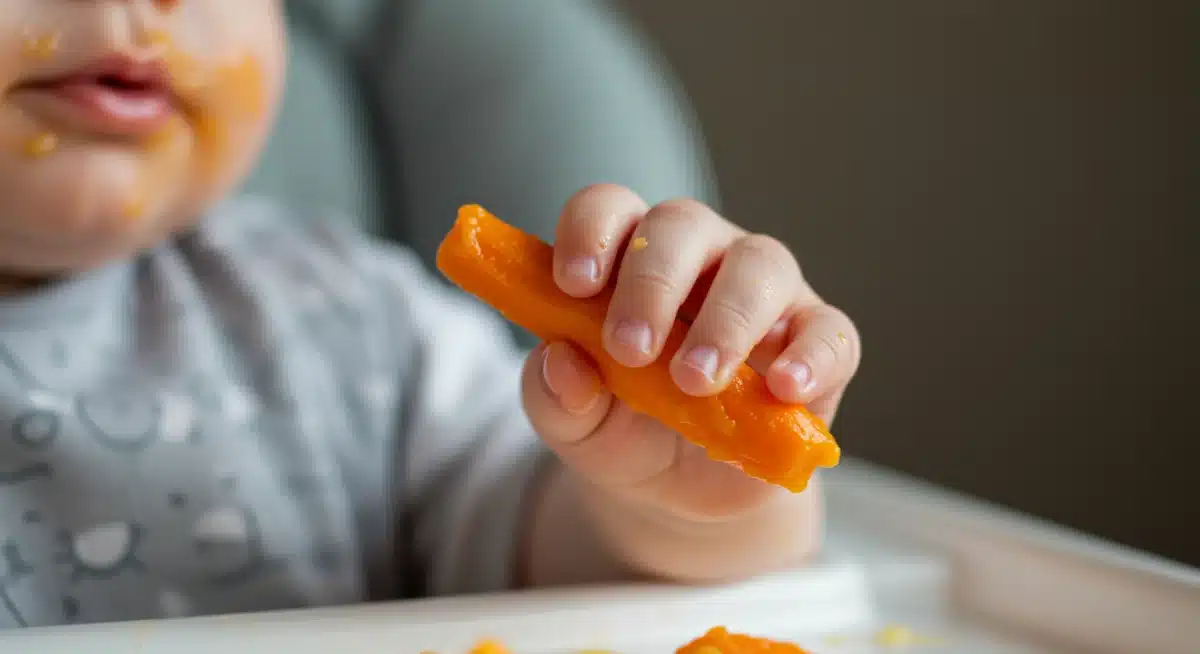
- Soft, Finger Foods (for Baby-Led Weaning): If you’re exploring baby-led weaning (BLW), this is a prime time to introduce appropriate finger foods. These include soft-cooked vegetable sticks (carrot, zucchini), small pieces of soft fruit (ripe melon, banana), well-cooked pasta shapes, small pieces of cheese, or thinly sliced toast.
- Yogurt and Cheese: Full-fat plain yogurt (without added sugar) and small pieces of pasteurized cheese can be introduced. Avoid low-fat dairy products for babies.
- Protein Sources: Continue with pureed meats, and introduce finely flaked fish (ensure all bones are removed), pureed beans, and lentils.
Feeding Strategies:
Offer 2-3 meals a day, plus 1-2 snacks if your baby is interested. Continue to offer breast milk or formula before or after solid meals. Encourage self-feeding by offering appropriate finger foods. Mess is part of the learning process, so embrace it! Supervise closely during all meals to prevent choking.
Phase 3: Towards Family Meals (9-12 Months)
By this stage, your baby should be enjoying a wide variety of foods and textures. The goal is to gradually transition them towards eating modified versions of family meals. This is where truly integrating them into family mealtimes begins, reinforcing positive eating habits. This phase heavily emphasizes introducing solid foods with increasing complexity.
Advanced Food Exploration:
- Chopped and Diced Foods: Introduce finely chopped cooked vegetables, fruits, and meats.
- Legumes and Grains: Offer cooked pasta, rice, quinoa, and small pieces of bread or toast.
- Eggs: Scrambled or hard-boiled eggs, finely chopped.
- Allergenic Foods: If not already introduced, this is a good time to introduce common allergens like peanuts (in butter form, mixed with food), tree nuts (in butter form), soy, wheat, fish, and shellfish, individually and under supervision. Early introduction of allergens has been shown to reduce the risk of developing allergies. Consult your pediatrician for personalized advice on allergen introduction.
Mealtime Integration:
Aim for 3 meals a day, plus 2 snacks. Continue offering breast milk or formula, but solids should now be providing a significant portion of their daily caloric and nutritional needs. Encourage the use of a spoon and fork, even if it’s messy. Let your baby participate in family mealtimes as much as possible, offering them age-appropriate versions of what the family is eating. This is a critical period for developing healthy eating habits and preferences. Remember, introducing solid foods is about more than just nutrition; it’s about developing a healthy relationship with food.
Baby-Led Weaning (BLW) vs. Purees: Which Method is Right for You?
When it comes to introducing solid foods, two primary approaches dominate: traditional spoon-feeding with purees and baby-led weaning (BLW). Both methods have their merits, and many parents opt for a combination of the two.
Puree Method:
- Pros: Easier to control portion sizes, less mess initially, can be reassuring for parents concerned about choking, provides a clear progression of textures.
- Cons: Can be labor-intensive to prepare, may delay the development of chewing skills if textures aren’t advanced, baby might not learn to self-regulate intake as effectively.
Baby-Led Weaning (BLW):
- Pros: Encourages self-feeding, promotes development of fine motor skills and hand-eye coordination, exposes baby to diverse textures from the start, fosters a healthy relationship with food by allowing baby to control intake, can be less preparation if baby eats modified family foods.
- Cons: Can be very messy, requires constant supervision for choking hazards, some parents feel anxious about ensuring adequate nutrient intake (especially iron), might be slower to introduce a wide variety of foods if baby is hesitant.
Ultimately, the best method for introducing solid foods is the one that feels most comfortable and sustainable for your family, while keeping your baby’s safety and nutritional needs paramount. Many parents successfully combine both approaches, offering purees alongside appropriate finger foods. The key is to respond to your baby’s cues and ensure they are getting a balanced diet.
Important Considerations and Safety Tips for Introducing Solid Foods
As you embark on this exciting journey of introducing solid foods, keep these vital points in mind to ensure safety and success:
Choking Hazards:
This is perhaps the most critical safety concern. Always supervise your baby while they are eating. Avoid foods that are round, hard, sticky, or difficult to chew. Examples include whole grapes, nuts, popcorn, hot dogs, large chunks of meat, hard candies, and sticky peanut butter directly from a spoon. Cut food into appropriate, small, manageable pieces. Cook vegetables until soft. Teach your baby to sit upright while eating, never feed them in a reclined position.
Allergy Awareness:
While the old advice was to delay common allergens, current research suggests early and regular introduction of common allergens (like peanuts, eggs, dairy, soy, wheat, fish, and tree nuts) can actually reduce the risk of developing allergies. Introduce one new allergenic food at a time, in small amounts, and observe for 3-5 days before introducing another. Signs of an allergic reaction can include hives, swelling, vomiting, diarrhea, or difficulty breathing. If you suspect an allergic reaction, seek immediate medical attention. Consult your pediatrician, especially if there’s a family history of allergies.
Hydration:
Once you start introducing solid foods, you can offer small sips of water in a sippy cup with meals. Water should not replace breast milk or formula, which remain the primary source of hydration. Avoid juice, as it offers little nutritional value and can contribute to tooth decay.
Patience and Persistence:
It can take multiple exposures (sometimes 10-15 or more!) for a baby to accept a new food. Don’t force them to eat. If they refuse a food, simply try again another day. Ensure they aren’t too tired or too hungry when you offer solids. Sometimes, babies just aren’t interested in that particular food or texture. Keep offering a variety and stay patient.
Mess is Part of the Process:
Expect mess! Babies learn by exploring with all their senses, and that includes touching, squishing, and even throwing food. Use a splat mat under the high chair, dress your baby in old clothes or a bib with sleeves, and try to embrace the chaos. It’s a sign of active learning.
Don’t Forget Iron:
Around 6 months, a baby’s iron stores from birth begin to deplete. Iron is crucial for cognitive development. Ensure you include iron-rich foods like iron-fortified cereals, pureed meats, beans, and lentils in your baby’s diet. Pairing iron-rich foods with vitamin C sources (like fruits and vegetables) can enhance iron absorption.
Addressing Common Concerns When Introducing Solid Foods
Even with the best intentions, questions and challenges can arise during this phase. Here are some common concerns and how to address them:
My Baby Won’t Eat!
This is a frequent worry. Remember that breast milk or formula is still their primary nutrition. If your baby refuses a food, don’t force it. Try offering it again at another meal or on another day. Ensure they aren’t too tired or too hungry when you offer solids. Sometimes, babies just aren’t interested in that particular food or texture. Keep offering a variety and stay patient.
Gagging vs. Choking: What’s the Difference?
Gagging is a normal and protective reflex, especially with baby-led weaning. It sounds scary but is usually a sign that your baby is learning to manage food in their mouth. They might cough, splutter, and their eyes might water. True choking, however, is silent and requires immediate intervention. Familiarize yourself with infant CPR and choking first aid. If your baby is gagging, stay calm and let them work it out. If they are truly choking and cannot breathe or make noise, follow first aid protocols.
My Baby is Constipated/Has Diarrhea!
Changes in bowel movements are common when introducing solid foods. Constipation can often be relieved by offering more water, pureed prunes, pears, or peaches. Diarrhea could be a sign of a food intolerance or infection; if persistent or severe, consult your pediatrician. Always ensure your baby is well-hydrated.
How Do I Introduce Allergens Safely?
As mentioned, early introduction is key. Start with a small amount of a single allergenic food (e.g., a tiny bit of peanut butter mixed into breast milk or puree). Offer it at home, during a time when you can observe your baby for a few hours. If there’s no reaction, you can continue offering it regularly. Introduce one new allergen every few days. If your baby has severe eczema or a known food allergy, consult an allergist or pediatrician before introducing allergens.
Can I Make My Own Baby Food?
Absolutely! Making your own baby food can be cost-effective and allows you to control ingredients. Simply steam or boil fruits and vegetables until soft, then puree them with a blender or food processor, adding breast milk, formula, or water to reach the desired consistency. You can also mash soft foods like avocado or banana. Store homemade purees in ice cube trays and freeze for convenient portions.
The Role of Breast Milk or Formula During Solid Food Introduction
It’s vital to remember that even after introducing solid foods, breast milk or formula remains the primary source of nutrition for the first year of life. Solids are complementary, meaning they add to, rather than replace, milk feeds. Continue to offer breast milk or formula on demand, or according to your baby’s feeding schedule. As your baby eats more solids, their milk intake may naturally decrease, but it should still be a significant part of their diet. After 12 months, whole cow’s milk can be introduced as a main drink, alongside a balanced diet of solids.
Creating a Positive Mealtime Environment
Beyond the food itself, the atmosphere at mealtimes plays a huge role in developing healthy eating habits. Here are some tips for creating a positive experience:
- Eat Together: When possible, include your baby in family mealtimes. They learn by watching you eat.
- Minimize Distractions: Turn off the TV, put away phones, and focus on the meal.
- Offer Choices (Within Limits): Present a few healthy options and let your baby choose. This empowers them.
- Respect Satiety Cues: Stop feeding when your baby shows signs of being full (turning head away, closing mouth, pushing spoon). Don’t force them to finish a plate.
- Be Patient: Introducing solid foods is a marathon, not a sprint. Celebrate small victories and don’t get discouraged by setbacks.
- Make it Fun: Talk about the food, its colors, textures, and tastes. Sing songs or play games related to food in a lighthearted way.
Looking Ahead: Beyond 12 Months
By their first birthday, most babies are eating a wide variety of foods with varying textures, similar to the rest of the family (with some modifications for safety). They should be proficient with finger foods and beginning to use a spoon. The journey of introducing solid foods lays the foundation for lifelong healthy eating habits. Continue to offer a diverse diet, encourage self-feeding, and maintain a positive approach to food. Remember to consult your pediatrician for personalized advice and to address any specific concerns you may have about your baby’s development and nutrition.
Conclusion: Embracing the Journey of Introducing Solid Foods
Introducing solid foods to your baby is a remarkable and memorable phase. It’s a time of discovery, new tastes, and developing independence. By understanding the readiness cues, following a phased approach, prioritizing safety, and fostering a positive mealtime environment, you can navigate this journey with confidence and joy. Remember that every baby’s pace is different, and flexibility is key. Embrace the mess, celebrate the milestones, and enjoy watching your little one explore the wonderful world of food in 2026 and beyond!