Latest Food Trends for Families: 6 Healthy Recipes by 2026
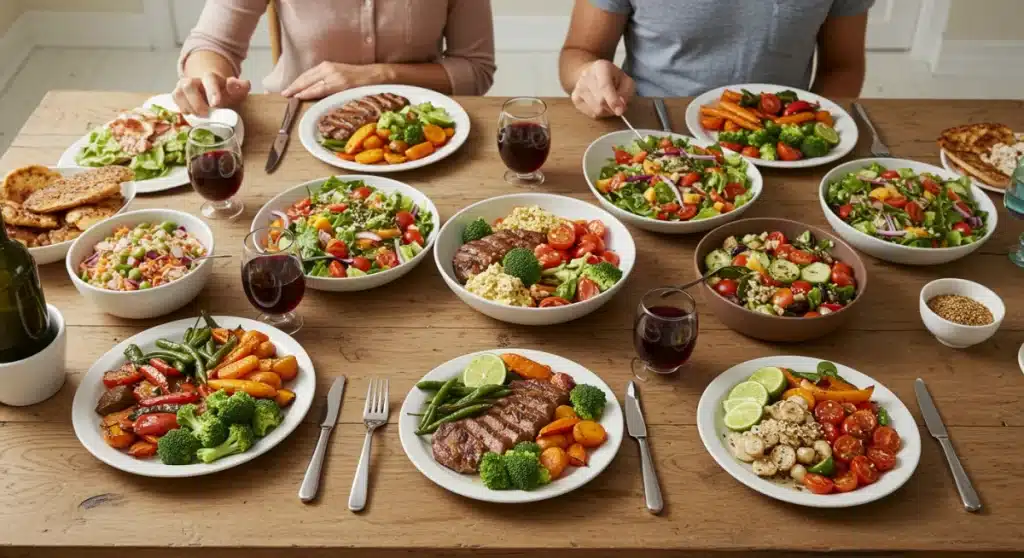
The latest food trends for families by Spring 2026 in the US emphasize plant-forward meals, sustainable sourcing, and convenient, nutrient-dense options, making healthy eating accessible and enjoyable for every household.
As we approach Spring 2026, families across the US are increasingly seeking meal solutions that balance health, convenience, and sustainability. The focus on providing nutritious yet delicious options has never been stronger, and understanding the latest food trends for families: 6 healthy recipes to try in the US by Spring 2026 can transform your kitchen into a hub of wholesome goodness. This guide delves into innovative approaches to family dining, offering practical and inspiring ideas to keep everyone well-fed and happy.
The Rise of Plant-Forward Family Meals
The movement towards plant-forward eating isn’t just a fleeting fad; it’s a significant shift impacting how families plan and prepare their meals. By Spring 2026, many households are embracing vegetables, legumes, and whole grains as the stars of their plates, reducing reliance on meat while still ensuring adequate protein and nutrients for growing children and active adults.
This trend is driven by a combination of health consciousness, environmental concerns, and a desire for diverse flavors. Incorporating more plant-based ingredients can boost fiber intake, reduce saturated fat, and introduce a wider array of vitamins and minerals. It also encourages culinary creativity, prompting families to explore new cuisines and ingredients.
Benefits of a Plant-Forward Approach
Adopting a plant-forward diet offers numerous advantages beyond just health. It can be more budget-friendly, as plant-based proteins and produce often cost less than meat. It also supports sustainable living by reducing the carbon footprint associated with meat production. Families find that this approach opens up a world of new culinary experiences.
- Enhanced Nutritional Intake: Rich in vitamins, minerals, and fiber.
- Environmental Impact: Lower carbon footprint and resource consumption.
- Cost-Effective: Often more affordable than meat-heavy diets.
- Culinary Diversity: Encourages exploration of global cuisines and ingredients.
Ultimately, a plant-forward approach isn’t about strict vegetarianism, but rather about prioritizing plants, making them the main event, and incorporating smaller amounts of high-quality animal products if desired. This flexibility makes it an accessible and sustainable choice for many families looking to improve their dietary habits.
Sustainable Sourcing and Ethical Eating
By Spring 2026, families are not just asking what’s for dinner, but also where it came from and how it was produced. Sustainable sourcing and ethical eating have become central to modern food trends, reflecting a growing awareness of the environmental and social impact of our food choices. This means prioritizing local, organic, and ethically raised products.
Parents are increasingly looking for transparency in their food supply, wanting to know that their purchases support fair labor practices, animal welfare, and environmentally friendly farming methods. This trend influences everything from grocery shopping habits to restaurant choices, as consumers seek to align their values with their plates.
The Importance of Local and Organic
Choosing local produce not only supports community farmers but also often means fresher, more nutrient-dense ingredients. Shorter transportation times reduce the carbon footprint, and seasonal eating ensures peak flavor and nutritional value. Organic certifications provide assurance that foods are grown without synthetic pesticides or fertilizers, appealing to health-conscious families.
Ethical sourcing extends beyond produce to include humanely raised meats, sustainably caught seafood, and fair trade products. These choices reflect a holistic view of food, where the well-being of the planet and its inhabitants is considered alongside personal health. Families are teaching their children the value of responsible consumption through their daily meal choices.
- Support Local Economies: Boosts local farmers and businesses.
- Reduced Carbon Footprint: Less transportation, fresher food.
- Chemical-Free Options: Organic foods minimize exposure to synthetic substances.
- Animal Welfare: Supports humane treatment of animals in food production.
This trend towards sustainable and ethical eating is transforming the food landscape, empowering families to make choices that benefit both their health and the world around them. It emphasizes mindful consumption and a deeper connection to where food originates.
Convenience Meets Nutrition: Smart Meal Prep Ideas
For busy US families, time is a precious commodity, but sacrificing nutrition is not an option. By Spring 2026, the demand for convenient yet healthy meal solutions has led to a surge in smart meal prep strategies. These approaches allow parents to provide wholesome meals without spending hours in the kitchen every day, making healthy eating more accessible.
Meal prepping isn’t just about cooking in bulk; it’s about strategic planning and efficient execution. This trend involves preparing components of meals in advance, such as chopped vegetables, cooked grains, or marinated proteins, which can then be quickly assembled into diverse dishes throughout the week. It’s a game-changer for maintaining a balanced diet amidst hectic schedules.
Time-Saving Meal Prep Techniques
Effective meal prep can significantly reduce daily cooking stress. Techniques range from batch cooking staple ingredients to assembling ready-to-cook meal kits. Utilizing slow cookers, instant pots, and air fryers also contributes to this convenience, allowing for hands-off cooking that fits into busy routines.
- Batch Cooking: Prepare large quantities of grains, proteins, or roasted vegetables.
- Component Prep: Wash, chop, and store vegetables and fruits.
- Freezer-Friendly Meals: Cook and freeze entire meals or components for later.
- One-Pan/One-Pot Recipes: Minimize cleanup and cooking time.
By embracing smart meal prep, families can enjoy the benefits of home-cooked meals without the daily time commitment. This trend ensures that even on the busiest weeknights, a nutritious and delicious dinner is just minutes away, fostering healthy eating habits consistently.
Gut Health Focus: Probiotics and Prebiotics for Kids
The understanding of the crucial role gut health plays in overall well-being has expanded significantly, and by Spring 2026, this focus is increasingly influencing family diets. Parents are actively seeking out foods rich in probiotics and prebiotics to support their children’s digestive health, immunity, and even mood regulation. This trend recognizes the gut as a central pillar of health.
Introducing beneficial bacteria and the fibers that feed them into a child’s diet can help establish a robust and balanced gut microbiome. This proactive approach to health aims to prevent common childhood ailments, improve nutrient absorption, and contribute to long-term wellness. It’s a foundational element of modern family nutrition.
Incorporating Gut-Friendly Foods
Integrating probiotics and prebiotics into family meals doesn’t have to be complicated. Many common and kid-friendly foods are excellent sources. Yogurt and kefir are well-known for their probiotic content, while fruits, vegetables, and whole grains provide essential prebiotics. Fermented foods are also gaining popularity.

- Probiotic-Rich Foods: Yogurt, kefir, fermented vegetables like sauerkraut, kombucha.
- Prebiotic-Rich Foods: Bananas, apples, oats, garlic, onions, asparagus, whole grains.
- Homemade Options: Making your own fermented foods can be a fun family activity.
- Supplements: Consult a pediatrician for appropriate probiotic supplements if needed.
By consciously including these gut-friendly ingredients, families can foster a healthier internal environment for their children, supporting their physical and cognitive development. This trend highlights a proactive and preventative approach to family health through diet.
The Rise of Adaptogenic and Functional Foods
Beyond basic nutrition, families in the US are exploring the benefits of adaptogenic and functional foods by Spring 2026. These ingredients are valued for their potential to offer specific health benefits, such as stress reduction, improved energy, or enhanced immunity, going beyond standard vitamins and minerals. The goal is to optimize health through strategic food choices.
While some adaptogens might be more suitable for adult diets, certain functional foods and milder adaptogens are being thoughtfully integrated into family meals. This trend reflects a desire to leverage food as medicine, supporting overall well-being and resilience against modern life’s stressors. It’s about being proactive in promoting health.
Navigating Functional Ingredients for Families
Introducing functional foods to children requires careful consideration and often, consultation with a healthcare professional. Ingredients like turmeric, ginger, and certain mushrooms are recognized for their anti-inflammatory and immune-boosting properties. Superfoods like chia seeds, flax seeds, and spirulina are also gaining traction for their nutrient density.
- Turmeric & Ginger: Known for anti-inflammatory benefits, easily added to stir-fries or smoothies.
- Chia & Flax Seeds: Rich in omega-3s and fiber, great in oatmeal, yogurt, or baked goods.
- Nutritional Yeast: Provides B vitamins and a cheesy flavor, perfect for plant-based dishes.
- Berries & Leafy Greens: Packed with antioxidants and essential nutrients, foundational functional foods.
This trend encourages families to think beyond the calorie count and consider the broader health impacts of their food choices. By thoughtfully incorporating adaptogenic and functional foods, parents aim to provide an extra layer of support for their family’s health and vitality.
Globally Inspired, Kid-Friendly Flavors
The American palate is becoming increasingly diverse, and by Spring 2026, family meals are reflecting a vibrant array of globally inspired, kid-friendly flavors. This trend moves beyond traditional comfort foods, introducing children to a wider world of tastes and textures from different cultures. It’s about expanding culinary horizons in an approachable way.
Exposing children to international cuisines at a young age can foster adventurous eating habits and an appreciation for cultural diversity. Parents are finding creative ways to modify global recipes to suit children’s preferences, often by adjusting spice levels or presenting familiar ingredients in new, exciting formats. This makes mealtime an educational and enjoyable experience.
Introducing New Tastes
Starting with mild, aromatic spices and familiar ingredients prepared in new ways can make global flavors more appealing to kids. Think about introducing a mild curry with coconut milk, or a simple stir-fry with a hint of soy sauce and ginger. Tacos and burritos are excellent vehicles for exploring Mexican flavors, while pasta dishes offer a gateway to Italian cuisine.
- Mexican: Mild tacos, quesadillas, bean and corn salads.
- Mediterranean: Hummus with pita, Greek yogurt parfaits, simple pasta with olive oil and vegetables.
- Asian: Teriyaki chicken/tofu bowls, mild stir-fries, spring rolls with peanut dipping sauce.
- Indian: Creamy lentil dahl, mild butter chicken with rice.
By embracing globally inspired, kid-friendly flavors, families can transform mealtime into an exciting adventure, fostering a love for diverse foods and cultures. This trend makes healthy eating more engaging and prevents mealtime monotony, ensuring everyone looks forward to dinner.
| Key Trend | Brief Description |
|---|---|
| Plant-Forward Meals | Prioritizing vegetables, legumes, and whole grains for health and sustainability. |
| Sustainable Sourcing | Choosing local, organic, and ethically produced foods. |
| Smart Meal Prep | Efficiently preparing meals in advance for convenience and nutrition. |
| Gut Health Focus | Incorporating probiotics and prebiotics for digestive and overall well-being. |
Frequently Asked Questions About Family Food Trends
Key trends include plant-forward meals, sustainable and ethical sourcing, smart meal prepping for convenience, a strong focus on gut health with probiotics and prebiotics, and the integration of globally inspired, kid-friendly flavors to broaden palates.
Start by swapping meat for legumes or tofu in familiar dishes, dedicate one or two days a week to vegetarian meals, and experiment with colorful vegetable-based stir-fries, soups, and pasta dishes. Focus on making vegetables the main component.
Batch cook grains like quinoa or rice, chop vegetables in advance, prepare protein sources such as roasted chicken or lentils, and assemble grab-and-go snacks. Utilize slow cookers for stews and chilis to save time during the week.
A healthy gut microbiome is crucial for children’s digestion, immune system function, and even cognitive development. Probiotics introduce beneficial bacteria, while prebiotics feed them, creating a balanced environment essential for overall well-being.
Begin with mild versions of global dishes, like a gentle teriyaki or a creamy coconut curry. Present familiar ingredients in new ways, such as vegetables in a stir-fry, and involve children in the cooking process to increase their willingness to try new foods.
Conclusion
The landscape of family dining in the US is continually evolving, and by Spring 2026, the emphasis remains firmly on health, sustainability, and convenience. Embracing plant-forward meals, prioritizing sustainably sourced ingredients, and mastering smart meal prep are not just trends, but foundational shifts towards more mindful and nutritious eating. Furthermore, a keen focus on gut health and the adventurous exploration of globally inspired, kid-friendly flavors ensure that healthy eating is both enjoyable and enriching for every member of the family. By integrating these key trends, parents can confidently navigate the culinary world, providing meals that nourish both body and spirit.