Mastering Challenging Behaviors: A 7-Step Parent Guide

Mastering Challenging Behaviors: A 7-Step Parent Guide
Parenting is an incredible journey filled with immense joy, profound love, and, let’s be honest, its fair share of challenges. Among the most common hurdles parents face are the challenging behaviors children often exhibit as they grow and develop. From temper tantrums in toddlers to defiant outbursts in preschoolers, these behaviors can test even the most patient parent. While they are a normal part of child development, understanding how to effectively address them is crucial for fostering a positive family environment and supporting your child’s healthy emotional and social growth.
This comprehensive guide is designed to equip parents with a practical, 7-step framework for understanding and responding to challenging behaviors children display. We’ll delve into the ‘why’ behind these actions, explore proactive strategies, and provide actionable steps to navigate difficult moments with confidence and compassion. By implementing these strategies, you can transform challenging interactions into opportunities for learning and connection, ultimately building a stronger bond with your child.
Let’s embark on this journey to master challenging behaviors children present, turning moments of frustration into opportunities for growth and understanding.
Understanding the Roots of Challenging Behaviors in Children
Before we dive into specific strategies, it’s essential to understand that challenging behaviors children exhibit are rarely malicious. Instead, they are often a form of communication, a way for children to express unmet needs, overwhelming emotions, or a lack of crucial skills. Recognizing this fundamental truth is the first step toward effective intervention.
Why Do Children Exhibit Challenging Behaviors?
- Communication: Young children, especially toddlers and preschoolers, often lack the vocabulary or emotional regulation skills to articulate their feelings or needs. A tantrum might mean, ‘I’m tired,’ ‘I’m hungry,’ or ‘I feel frustrated because I can’t do this.’
- Developmental Stages: Certain challenging behaviors children show are perfectly normal for their age. The ‘terrible twos’ are notorious for power struggles as children assert their independence. Understanding typical developmental milestones can help parents differentiate between age-appropriate behavior and something that might require more attention.
- Seeking Attention: Children crave attention, and if they don’t receive enough positive attention, they may resort to negative behaviors to get noticed.
- Lack of Skills: Sometimes, a child acts out because they haven’t learned the appropriate social, emotional, or problem-solving skills to handle a situation. For example, hitting another child might be due to an inability to share or communicate their desire for a toy.
- Environmental Factors: Stress, changes in routine, lack of sleep, poor nutrition, or overstimulation can all contribute to challenging behaviors children display.
- Emotional Dysregulation: Children are still developing their ability to manage strong emotions like anger, sadness, or frustration. These emotions can feel overwhelming, leading to outbursts.
By shifting our perspective from ‘my child is misbehaving’ to ‘my child is struggling and trying to communicate something,’ we can approach these situations with more empathy and effectiveness. This understanding forms the bedrock of our 7-step guide to addressing challenging behaviors children present.
Step 1: Be a Detective, Not a Judge – Observe and Understand
The first and most critical step in addressing challenging behaviors children exhibit is to become an astute observer. Instead of immediately reacting, take a moment to analyze the situation. What happened right before the behavior? What was the child trying to achieve? Who was present? What was the environment like?
Key Questions to Ask Yourself:
- What triggered the behavior? Was it a demand? A transition? A perceived injustice?
- What is the function of the behavior? Is the child seeking attention, trying to escape a task, or expressing a need?
- When and where does it occur? Are there specific times of day or locations where the behavior is more prevalent?
- What are the patterns? Does the behavior happen when the child is tired, hungry, or overwhelmed?
- What is the child trying to communicate? If they could use words, what would they say?
Keeping a brief log or mental note of these observations can reveal patterns and provide invaluable insights into the underlying causes of challenging behaviors children demonstrate. This information will guide your approach and help you tailor your responses effectively.
Step 2: Establish Clear Expectations and Consistent Routines
Children thrive on predictability and structure. Clear expectations and consistent routines provide a sense of security and help children understand what is expected of them, thereby reducing the likelihood of challenging behaviors children often exhibit due to uncertainty.
How to Implement:
- Communicate Expectations Clearly: Use simple, positive language to state what you want your child to do, rather than what you don’t want them to do. For example, instead of ‘Don’t run,’ say ‘Please use your walking feet.’
- Involve Your Child: For older children, involve them in setting rules and routines. This gives them a sense of ownership and increases their compliance.
- Visual Schedules: For young children, visual schedules (pictures representing daily activities) can be incredibly helpful. They provide a clear roadmap of the day, reducing anxiety around transitions and unknowns.
- Consistency is Key: This cannot be stressed enough. If a rule applies one day but not the next, or if different caregivers have different rules, children become confused, and challenging behaviors children often use to test boundaries will increase. Ensure all caregivers (parents, grandparents, teachers) are on the same page.
- Be Realistic: Ensure your expectations are age-appropriate. A toddler cannot sit still for an hour; a preschooler might struggle with complex multi-step instructions.
By creating a predictable and structured environment, you minimize the opportunities for challenging behaviors children often resort to when feeling out of control or confused.
Step 3: Teach and Model Emotional Regulation and Communication
As mentioned earlier, many challenging behaviors children display stem from an inability to manage strong emotions or communicate effectively. Teaching these skills proactively is paramount.
Strategies for Teaching:
- Name Emotions: Help your child label their feelings. ‘I see you’re feeling frustrated because your tower fell.’ ‘You seem angry that your friend took your toy.’ This validates their feelings and builds their emotional vocabulary.
- Model Healthy Expression: Children learn by watching. Model how you handle your own emotions. ‘I’m feeling a little frustrated right now, so I’m going to take a deep breath.’
- Teach Calming Strategies: Practice deep breathing, counting to five, or taking a ‘calm down’ break. Provide a designated ‘calm down corner’ with comforting items like pillows or books.
- Role-Play: Practice different scenarios and how to respond appropriately. ‘What can you do if you want the toy your friend has?’
- Use ‘I Feel’ Statements: Encourage your child to use ‘I feel’ statements to express their needs and feelings rather than acting out. ‘I feel sad when you take my toy without asking.’
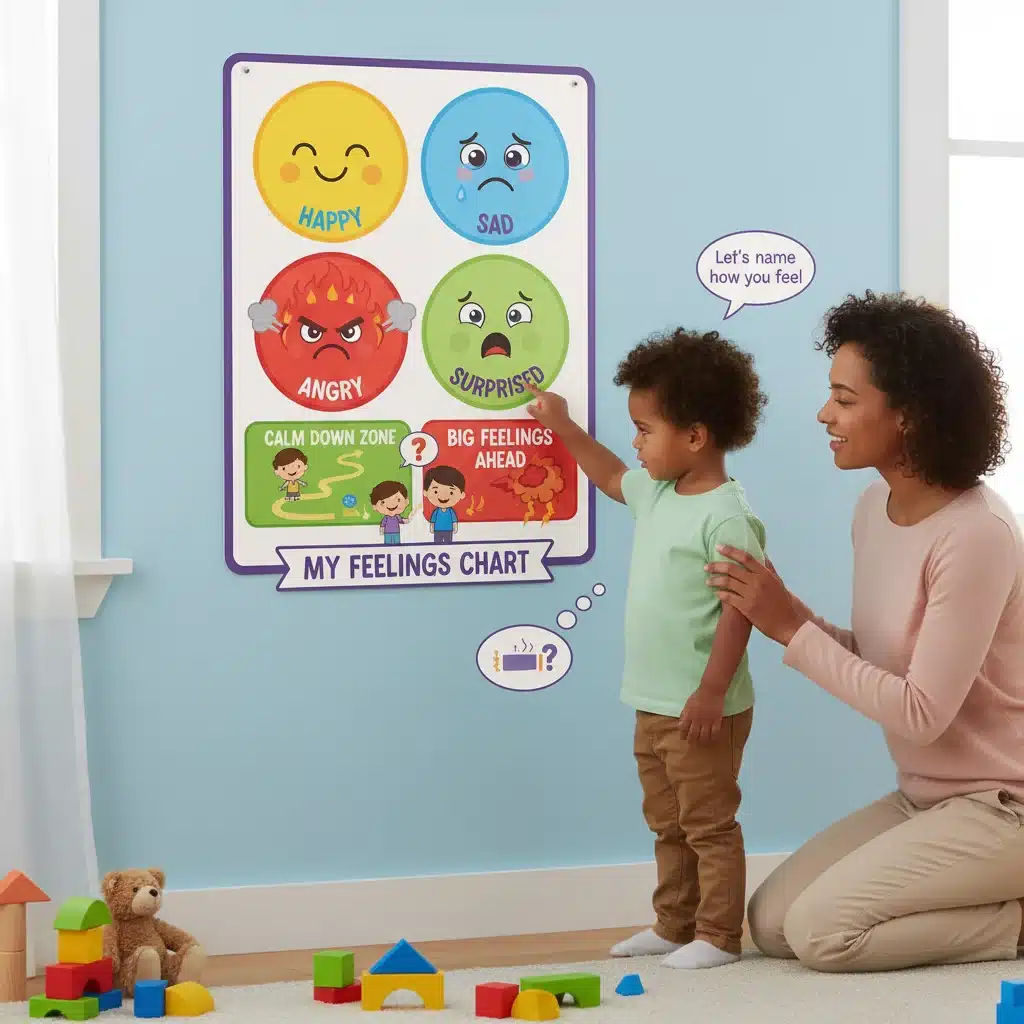
By equipping children with these vital emotional and communication skills, you empower them to navigate difficult situations constructively, reducing the need for challenging behaviors children often use as a last resort.
Step 4: Positive Reinforcement and Selective Attention
What we pay attention to tends to grow. This principle is incredibly powerful when dealing with challenging behaviors children exhibit. Focusing on positive behaviors and strategically ignoring minor negative ones can shift your child’s actions dramatically.
How to Apply:
- Catch Them Being Good: Actively look for opportunities to praise your child when they are doing something positive, no matter how small. ‘I love how you’re sharing your toys!’ ‘Thank you for helping me clean up.’ Be specific and genuine.
- Descriptive Praise: Instead of a generic ‘Good job,’ describe what they did well. ‘You worked so hard to put those blocks away!’ This reinforces the specific positive action.
- Non-Verbal Reinforcement: A smile, a high-five, a hug, or a nod can be just as effective as verbal praise.
- Strategic Ignoring: For minor, attention-seeking behaviors (whining, pouting, silly noises), sometimes the most effective response is to ignore them. As soon as the behavior stops and a more appropriate behavior begins, immediately give positive attention. This teaches the child that negative behaviors don’t get a reaction, but positive ones do.
- Quality Time: Dedicate specific, uninterrupted one-on-one time with your child each day. Even 10-15 minutes of focused play or conversation can fill their ‘attention cup’ and reduce the need for negative attention-seeking challenging behaviors children might otherwise display.
Positive reinforcement builds self-esteem and motivates children to repeat desirable actions, making it a cornerstone in managing challenging behaviors children demonstrate.
Step 5: Implement Effective Consequences (Not Punishments)
When challenging behaviors children exhibit persist despite proactive measures, appropriate consequences are necessary. The key is to distinguish between consequences and punishment. Consequences are logical, related to the behavior, respectful, and reasonable. Punishments are often arbitrary, punitive, and can damage the parent-child relationship.
Guidelines for Effective Consequences:
- Be Immediate: Consequences are most effective when they follow the behavior as closely as possible.
- Be Consistent: Just like with rules, consistency is vital. If a behavior always results in a certain consequence, your child learns to associate the two.
- Be Brief: Especially for young children, consequences should be short and to the point. A lengthy time-out loses its effectiveness.
- Be Respectful: Deliver consequences calmly and firmly, without anger or shaming. The goal is to teach, not to hurt.
- Be Related and Logical: Whenever possible, the consequence should logically follow the misbehavior. If a child throws a toy, the consequence might be losing access to that toy for a period. If they draw on the wall, they help clean it.
- Time-Outs (When Used Correctly): A time-out should be a brief period of separation from stimulating activities, allowing the child to calm down and reflect. It’s not a place for shame but a chance to reset. A good rule of thumb is one minute per year of age.
- Loss of Privileges: For older children, temporarily losing a privilege (screen time, a favorite toy) can be an effective consequence, provided it’s related to the behavior and not excessive.
The aim of consequences is to teach responsibility and help children understand the impact of their actions, ultimately reducing the frequency of challenging behaviors children might otherwise engage in.
Step 6: Prioritize Self-Care and Seek Support
Parenting children with challenging behaviors children can be incredibly draining. It’s easy to feel overwhelmed, frustrated, or even guilty. Remember, you cannot pour from an empty cup. Prioritizing your own well-being is not selfish; it’s essential for your ability to parent effectively.
Ways to Practice Self-Care:
- Take Breaks: Even short breaks can make a difference. Step away for a few minutes, listen to music, or do something you enjoy.
- Connect with Other Parents: Share your experiences and seek advice from other parents. Knowing you’re not alone can be incredibly validating.
- Seek Professional Guidance: If challenging behaviors children exhibit are severe, persistent, or significantly impacting family life, don’t hesitate to consult with a pediatrician, child psychologist, or parenting coach. They can offer tailored strategies and support.
- Practice Mindfulness: Techniques like deep breathing or meditation can help manage stress and cultivate patience.
- Ensure Adequate Sleep and Nutrition: These basic needs are crucial for your physical and mental resilience.
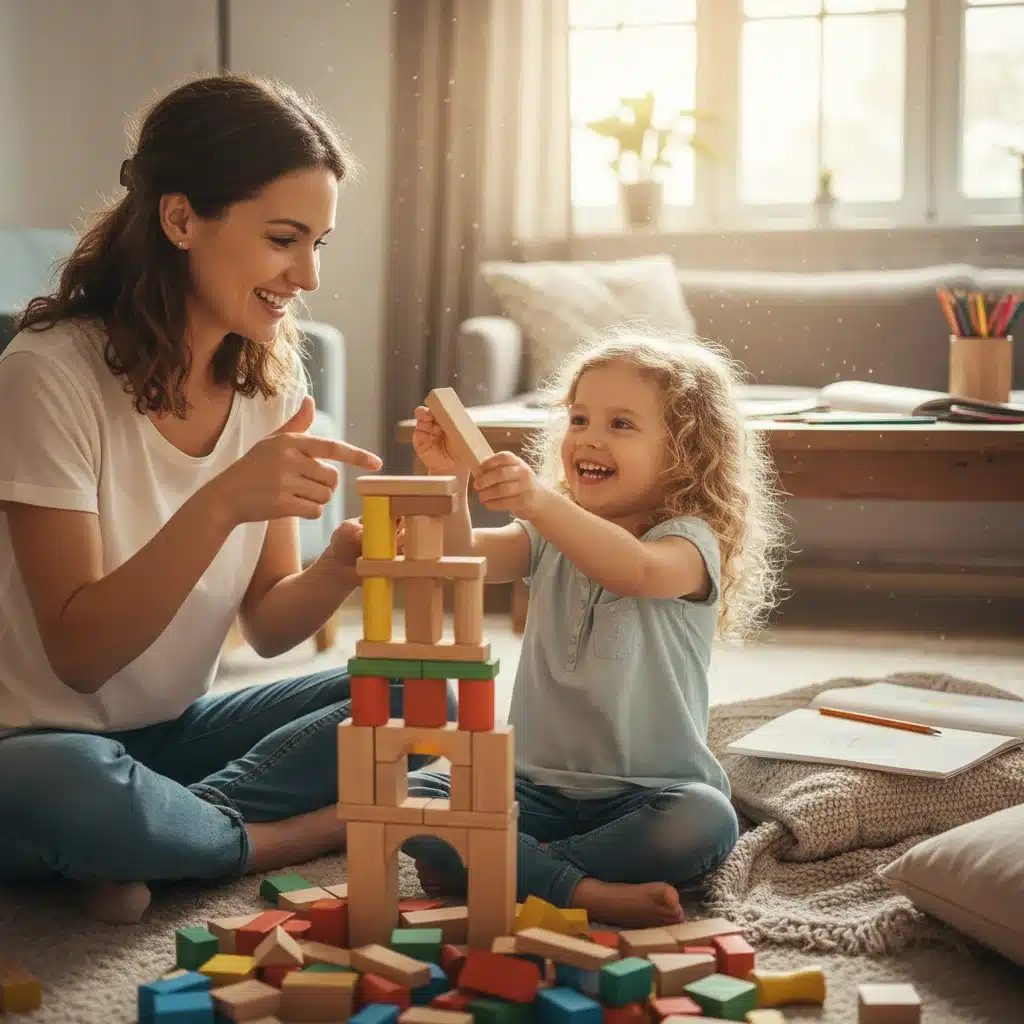
A well-rested, supported parent is better equipped to respond calmly and consistently to challenging behaviors children present, making the entire parenting journey smoother and more enjoyable.
Step 7: Celebrate Progress and Stay Patient
Addressing challenging behaviors children display is not a quick fix; it’s an ongoing process that requires patience, persistence, and a willingness to adapt. There will be good days and bad days. It’s important to acknowledge and celebrate small victories and to remember that setbacks are a normal part of learning.
Key Reminders:
- Acknowledge Small Wins: Did your child use their words instead of hitting? Did they calm down faster than usual? Celebrate these moments!
- Be Patient: Behavior change takes time. Don’t expect immediate results. Consistency over time is what leads to lasting change.
- Be Flexible: What works one week might not work the next. Children grow and change, and your strategies may need to evolve with them.
- Focus on the Relationship: At the heart of all behavior management is the parent-child relationship. Always strive to maintain a warm, loving, and respectful connection, even during difficult moments.
- Reframe Setbacks: View setbacks not as failures, but as opportunities to learn more about your child and refine your approach.
By consistently applying these 7 steps, you are not just managing challenging behaviors children demonstrate; you are actively teaching them essential life skills, building their resilience, and strengthening the foundation of your family bond. This journey is about guiding your child with love, understanding, and firm boundaries, helping them grow into well-adjusted, emotionally intelligent individuals.
Conclusion: Empowering Parents to Navigate Challenging Behaviors
Navigating challenging behaviors children exhibit is undeniably one of the most demanding aspects of parenting. Yet, it’s also an area where parents have the greatest opportunity to make a profound positive impact on their child’s development. By adopting a proactive, empathetic, and consistent approach, you can transform moments of conflict into valuable teaching opportunities and strengthen your relationship with your child.
Remember, every child is unique, and what works for one may not work for another. Be patient with yourself and your child, and don’t be afraid to adjust your strategies as you learn what is most effective for your family. The 7 steps outlined in this guide – observing and understanding, establishing clear expectations, teaching emotional regulation, utilizing positive reinforcement, implementing effective consequences, prioritizing self-care, and celebrating progress – provide a robust framework to confidently address challenging behaviors children present.
You are your child’s most important teacher, and by embracing these principles, you are equipping them with the tools they need to navigate the world with greater emotional intelligence, self-control, and resilience. The journey of parenting is continuous learning, and by mastering these strategies, you are building a happier, healthier, and more harmonious family environment.