Batch Cooking for Beginners: 5 Days of Meals in 2 Hours for Families
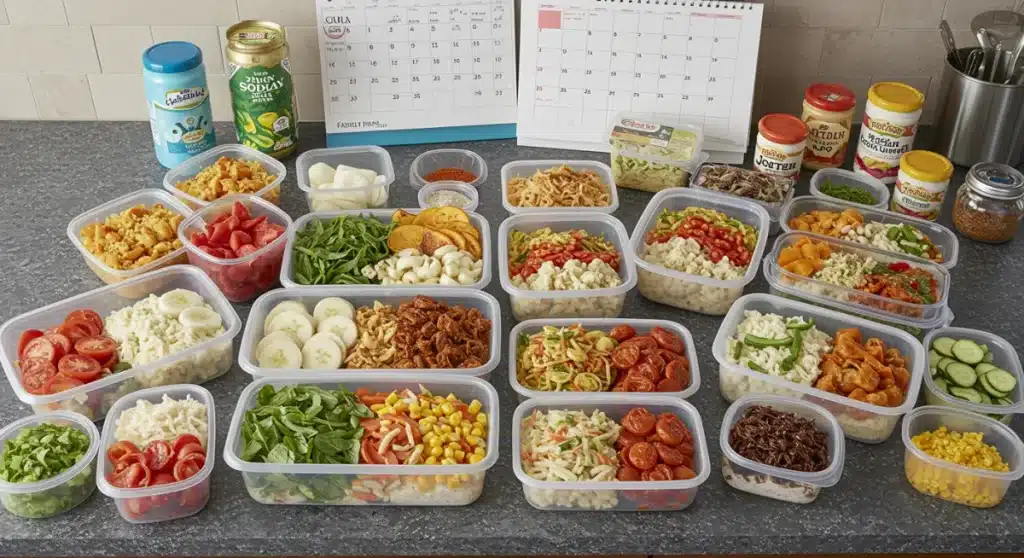
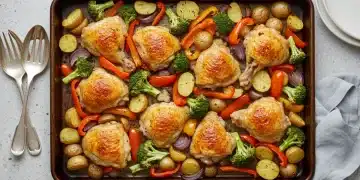
Batch cooking for beginners is a revolutionary strategy that enables busy parents to prepare 5 days of healthy, delicious family meals in less than two hours each week, significantly reducing daily kitchen time and stress.
Are you tired of the daily scramble to get dinner on the table? Imagine reclaiming precious evenings, free from cooking stress, while still providing nutritious, home-cooked meals for your family. This is the promise of batch cooking for beginners, a game-changing approach that allows you to prepare five days’ worth of family meals in under two hours, transforming your kitchen routine in 2026.
Understanding the Basics of Batch Cooking
Batch cooking isn’t just about cooking large quantities; it’s a strategic approach to meal preparation that maximizes efficiency and minimizes daily cooking efforts. For busy families, it means having healthy components or full meals ready to assemble or reheat, saving valuable time during hectic weekdays. This method allows you to cook once and eat multiple times, ensuring consistent, nutritious options for everyone.
What is Batch Cooking?
At its core, batch cooking involves dedicating a specific block of time, typically a few hours on a weekend, to prepare several meals or meal components for the week ahead. This can range from chopping vegetables and cooking grains to preparing entire main dishes that can be portioned and stored. The goal is to reduce the daily decision-making and active cooking time.
- Time Efficiency: Consolidates cooking into one session.
- Cost Savings: Allows for bulk purchasing and minimizes food waste.
- Healthier Choices: Encourages home-cooked meals over takeout.
- Stress Reduction: Eliminates daily dinner dilemmas.
The beauty of batch cooking lies in its flexibility. You can adapt it to your family’s dietary needs, preferences, and schedule. Whether you’re a novice in the kitchen or a seasoned cook, embracing this method will streamline your mealtime routine, making it a cornerstone of efficient family management in 2026.
Planning Your Weekly Batch Cooking Session
Successful batch cooking hinges on meticulous planning. Without a clear strategy, your two-hour window can quickly extend, negating the time-saving benefits. This section will guide you through creating an effective meal plan and shopping list, ensuring you have everything you need before you even step into the kitchen.
Effective planning starts with understanding your family’s schedule and preferences. Consider school activities, work commitments, and any dietary restrictions or allergies. This foundational knowledge will inform your meal choices and ensure that the meals you prepare will actually be eaten and enjoyed.
Creating a Strategic Meal Plan
Begin by mapping out the five days you intend to cover. Think about meals that use similar ingredients but can be transformed into different dishes. For example, roasted chicken can be used in tacos one night and a salad the next. This creative approach to meal planning is key to variety and efficiency.
- Theme Nights: Designate specific themes (Meatless Monday, Taco Tuesday) to simplify choices.
- Ingredient Overlap: Select recipes that share common ingredients to optimize grocery shopping.
- Family Favorites: Incorporate dishes your family already loves to ensure high consumption.
- New Recipes: Introduce one new recipe per week to keep things exciting, but ensure it’s simple.
Once your meal plan is solid, create a detailed grocery list. Organize it by supermarket sections to save time during your shopping trip. Double-check your pantry for existing ingredients to avoid unnecessary purchases. A well-prepared shopping trip is the first step to a successful batch cooking session.
Essential Tools and Kitchen Setup for Efficiency
Having the right tools and an organized kitchen setup can dramatically cut down your batch cooking time. Imagine trying to chop a mountain of vegetables with a dull knife or store multiple meals without appropriate containers. This section explores the essential equipment and optimal kitchen organization that will make your batch cooking experience smooth and efficient.
Investing in a few key kitchen appliances and organizational items can pay dividends in time saved and reduced stress. You don’t need a gourmet kitchen, but having the right essentials at your fingertips will make a significant difference in your ability to prepare meals quickly and effectively.
Must-Have Kitchen Equipment
While some specialized gadgets can be helpful, focus on versatile tools that serve multiple purposes. A good quality chef’s knife, for example, is indispensable for efficient chopping and dicing. Similarly, a large cutting board provides ample space for preparing multiple ingredients simultaneously.
- Large Cutting Boards: Essential for processing multiple ingredients at once.
- Sharp Knives: A quality chef’s knife and a paring knife are crucial for efficiency and safety.
- Food Processor/Blender: Speeds up chopping, pureeing, and blending tasks.
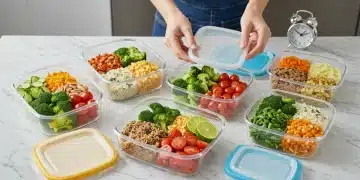
- Airtight Storage Containers: Various sizes for storing prepped ingredients and cooked meals.
- Large Pots and Pans: For cooking bigger batches of grains, proteins, and vegetables.
Beyond tools, consider your kitchen’s layout. Ensure frequently used items are easily accessible. Clear your countertops to create ample workspace. A clean and organized kitchen environment will not only make batch cooking more enjoyable but also more efficient, allowing you to move seamlessly from one task to the next.
The Two-Hour Batch Cooking Strategy in Action
The core of this guide is demonstrating how to prepare five days of family meals in under two hours. This isn’t magic; it’s a carefully orchestrated sequence of tasks designed to maximize every minute. We’ll break down the process into actionable steps, focusing on parallel processing and smart multitasking.
Before you begin, ensure all your ingredients are out and ready. Read through your recipes to understand the steps and identify opportunities for simultaneous cooking. Think of yourself as a conductor, directing an orchestra of culinary tasks to achieve a harmonious and timely outcome.
Step-by-Step Execution
Start with tasks that require longer cooking times or minimal supervision. For instance, while grains are cooking, you can be chopping vegetables or roasting proteins. This layered approach is critical to staying within the two-hour window.
- Preheat Oven & Start Grains: Get your oven going for roasting and start cooking any grains (quinoa, rice) that will be used.
- Chop Vegetables: While grains cook, chop all vegetables for the week, separating them by recipe needs.
- Prep Proteins: Marinate or season proteins. If roasting, get them in the oven alongside other items.
- Cook Versatile Components: Prepare a large batch of a versatile protein (e.g., shredded chicken, ground beef) or a sauce that can be used in multiple meals.
- Assemble & Store: Once components are cooked, cool them quickly before portioning into airtight containers for the fridge or freezer.
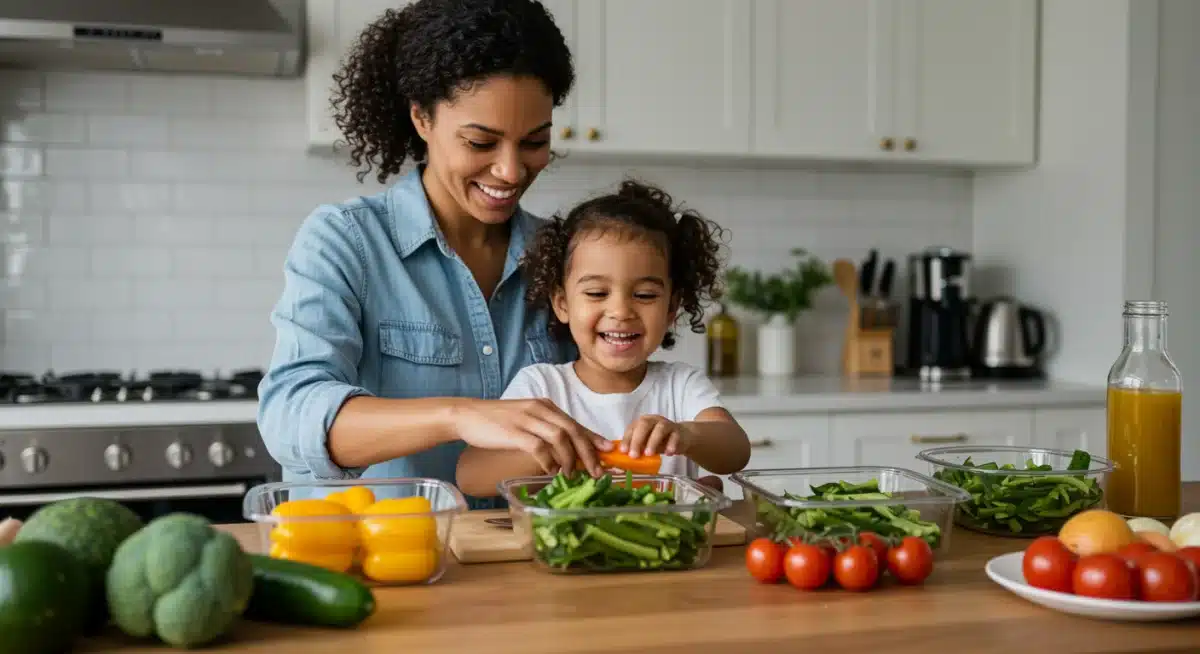
Remember to clean as you go. Wiping down surfaces and washing utensils immediately prevents a daunting cleanup at the end. This disciplined approach ensures that by the time your timer goes off, not only are your meals prepped, but your kitchen is also largely tidy, ready for a relaxed week ahead.
Storing and Reheating Your Batch Cooked Meals
Proper storage and reheating are just as crucial as the cooking itself. Incorrect storage can lead to food spoilage, negating all your hard work, while improper reheating can compromise taste and texture. This section will provide best practices for keeping your batch-cooked meals fresh and delicious throughout the week.
The goal is to maintain food safety and quality, ensuring that every meal tastes as good as when it was first prepared. Understanding the science behind food storage and applying simple techniques will extend the shelf life of your meals and enhance your family’s dining experience.
Best Practices for Food Storage
Always allow cooked food to cool completely before transferring it to airtight containers. This prevents condensation, which can lead to bacterial growth and soggy food. Labeling containers with the meal name and date of preparation is also a smart habit, especially if you’re freezing items.
- Airtight Containers: Use glass or BPA-free plastic containers to prevent air exposure and maintain freshness.
- Portioning: Divide meals into individual or family-sized portions for easy retrieval and reheating.
- Refrigeration: Most cooked meals are safe in the refrigerator for 3-4 days.
- Freezing: For longer storage, freeze meals in freezer-safe containers for up to 3 months.
When reheating, always ensure food is heated thoroughly to an internal temperature of 165°F (74°C). This can be done in the microwave, oven, or on the stovetop, depending on the dish. For best results, add a splash of water or broth to prevent drying out, especially for dishes like rice or pasta. Proper storage and reheating techniques are the final steps in mastering batch cooking for beginners for your family in 2026.
Beyond the Basics: Advanced Batch Cooking Tips
Once you’ve mastered the fundamentals of batch cooking, you might find yourself looking for ways to further optimize your process and diversify your meal options. This section delves into advanced strategies, offering creative ideas to prevent meal fatigue and incorporate more complex dishes into your weekly prep, all while maintaining efficiency.
The beauty of batch cooking is its adaptability. As you gain experience, you’ll discover personal shortcuts and preferences that make the process even more tailored to your family’s unique needs. Don’t be afraid to experiment and evolve your routine.
Creative Strategies for Variety and Flavor
To avoid the monotony that can sometimes accompany meal prepping, focus on preparing versatile components rather than rigid, pre-assembled meals. This allows for greater flexibility and customization during the week, making each meal feel fresh and new.
- Flavor Boosters: Prepare a variety of sauces, dressings, and spice blends to add different flavors to basic components.
- Component Swapping: Cook a plain protein (e.g., chicken breast) and use it in different contexts – sliced for salads, shredded for tacos, or diced for stir-fries.
- Freezer Staples: Stock your freezer with homemade broth, pre-portioned smoothie packs, or baked goods for quick additions to meals.
- Ingredient Transformation: Use leftover roasted vegetables in frittatas, soups, or pureed dips for subsequent meals.
Consider dedicating a small portion of your batch cooking time to preparing healthy snacks or breakfast items. Hard-boiled eggs, pre-cut fruit, or homemade granola bars can significantly reduce daily prep time beyond dinner. Embracing these advanced tips will ensure your batch cooking journey remains exciting and sustainable for your family in 2026.
| Key Aspect | Brief Description |
|---|---|
| Strategic Planning | Essential for selecting recipes with ingredient overlap and creating an efficient grocery list. |
| Efficient Execution | Utilizing parallel cooking techniques and multitasking to complete prep within a two-hour window. |
| Proper Storage | Using airtight containers and understanding refrigeration/freezing guidelines for food safety and freshness. |
| Variety & Adaptability | Employing flavor boosters and component swapping to keep meals exciting and prevent fatigue. |
Frequently Asked Questions About Batch Cooking
Batch cooking offers numerous benefits for families, including significant time savings during busy weekdays, reduced stress from daily meal decisions, and consistent access to healthy, homemade meals. It also helps manage grocery budgets by reducing impulse buys and food waste, promoting healthier eating habits for everyone.
To keep meals exciting, focus on preparing versatile components rather than fully assembled dishes. Cook plain proteins and grains, then use different sauces, spices, or fresh herbs each day. Incorporate a new recipe weekly and repurpose leftovers creatively, like turning roasted vegetables into a soup base.
For beginners, essential tools include a good quality chef’s knife, a large cutting board, a food processor or blender for quick chopping, and a variety of airtight storage containers. Large pots and pans are also crucial for cooking bigger batches. These tools streamline the process significantly.
Most cooked meals are safe to store in the refrigerator for 3-4 days when properly cooled and stored in airtight containers. For meals intended for the fifth day or beyond, it’s best to freeze them immediately after cooking and cooling, then transfer to the fridge to thaw the day before use.
Absolutely! Involving children in batch cooking can be a great way to teach them about food and cooking. Depending on their age, they can help with washing vegetables, stirring ingredients, setting out containers, or even creating the meal plan. This makes it a fun and educational family bonding experience.
Conclusion
Embracing batch cooking for beginners is more than just a culinary technique; it’s a lifestyle adjustment that brings profound benefits to busy families. By dedicating a short, focused period each week, you can dramatically reduce daily kitchen stress, ensure your family enjoys nutritious meals, and reclaim valuable time for other activities. The strategies outlined here provide a clear roadmap for success, transforming the way you approach mealtime in 2026 and beyond. Start small, be consistent, and enjoy the delicious rewards of a well-prepped week.