Is My Child Being Bullied? 7 Warning Signs Every Parent Should Know

Discover critical warning signs that may indicate your child is being bullied and learn practical steps parents can take to address and resolve the issue effectively.
Are you worried about your child’s well-being at school or online? Understanding the signs of bullying is crucial for every parent. This article will help you identify whether is my child being bullied? 7 warning signs every parent should know, and what steps you can take to support them.
Understanding Bullying: More Than Just Teasing
Bullying is a pervasive issue that affects many children. It’s important to distinguish it from simple teasing or disagreements. Recognizing the different forms bullying can take is the first step in ensuring your child’s safety and well-being.
Defining Bullying
Bullying is defined as unwanted, aggressive behavior that involves a real or perceived power imbalance. This behavior is repeated, or has the potential to be repeated, over time. Understanding this definition helps parents differentiate between isolated incidents and a pattern of bullying.
Forms of Bullying
Bullying can manifest in various forms, each with its own unique impact on the victim. Recognizing these forms is crucial for parents to provide appropriate support. Here are some common types:
- Physical Bullying: Involves hitting, kicking, shoving, or damaging someone’s property.
- Verbal Bullying: Includes name-calling, insults, threats, and taunting.
- Social Bullying: Also known as relational bullying, involves excluding someone from a group, spreading rumors, or damaging their reputation.
- Cyberbullying: Uses electronic devices to harass, threaten, or embarrass someone online, often through social media, texts, or emails.
Cyberbullying can be particularly insidious as it often occurs outside of school hours and can reach a wide audience quickly.
By understanding what bullying is and the different forms it can take, parents are better equipped to recognize the signs and take effective action to protect their children.

Changes in Behavior: Spotting the Red Flags
One of the earliest indicators that your child might be experiencing bullying is a noticeable change in their behavior. These changes can be subtle at first, but it’s crucial to pay attention to them. Observing these behavioral shifts can provide valuable insights into your child’s emotional state.
Withdrawal and Isolation
If your child, who was once outgoing and sociable, suddenly starts withdrawing from social activities, it could be a sign of bullying. They might avoid spending time with friends, decline invitations, or seem disinterested in activities they used to enjoy.
Changes in Eating or Sleeping Habits
Bullying can have a significant impact on a child’s physical health. Look out for changes in their eating habits, such as a loss of appetite or, conversely, overeating. Sleep disturbances, like insomnia or frequent nightmares, can also indicate that something is amiss.
Recognizing these shifts in behavior is the first step in opening a dialogue with your child and uncovering potential issues.
By being observant and attuned to these behavioral changes, parents can identify potential issues early and provide the necessary support to address them effectively.
Physical Signs: What to Look For
Sometimes, bullying leaves physical marks. While not all bullying is physical, it’s essential to be aware of physical signs that could indicate your child is being targeted. These signs, coupled with behavioral changes, can paint a clearer picture of what’s happening.
Unexplained Injuries
If your child frequently comes home with unexplained bruises, cuts, or scratches, it’s important to investigate further. While accidents happen, a pattern of injuries without a clear explanation could be a sign of physical bullying.
Damaged or Missing Possessions
Keep an eye on your child’s belongings. If items like their backpack, books, or clothing are frequently damaged or go missing, it could be a sign that they are being targeted by bullies. Bullies often target a child’s possessions to exert power and control.
Being vigilant about physical signs can help parents uncover bullying that might otherwise go unnoticed.
Paying close attention to these physical signs, along with other indicators, can help parents piece together the puzzle and address potential bullying situations effectively.
Emotional Distress: Identifying Anxiety and Fear
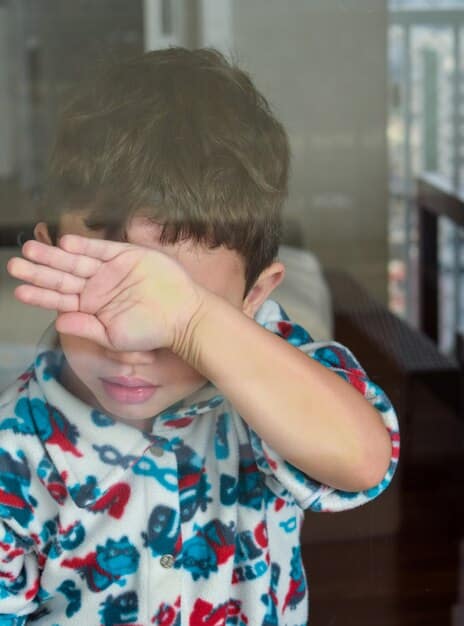
Bullying can take a significant emotional toll on children, leading to increased anxiety and fear. Recognizing these emotional signs is crucial for providing the necessary support and intervention. Understanding the emotional impact of bullying is key to helping your child cope.
Increased Anxiety or Stress
Pay attention to whether your child seems unusually anxious or stressed. They might worry excessively about going to school, participating in activities, or interacting with certain people.
Fear or Reluctance to Go to School
If your child suddenly becomes reluctant or refuses to go to school, it could be a sign that they are afraid of encountering a bully. This fear can manifest as physical symptoms like stomachaches or headaches on school days.
- Talk to Your Child: Gently inquire about what’s causing their reluctance.
- Contact the School: Reach out to teachers or administrators to discuss your concerns.
- Seek Professional Help: Consider consulting a therapist or counselor if the anxiety is severe.
Addressing these emotional signs promptly can help prevent long-term damage to your child’s mental health.
By being attentive to these emotional cues, parents can provide a safe space for their children to share their experiences and seek help.
Decline in Academic Performance: The Impact on Schoolwork
Bullying can have a detrimental effect on a child’s academic performance. When a child is constantly worried, stressed, or fearful, it’s difficult for them to concentrate on their schoolwork. Monitoring their academic progress is essential for early detection.
Falling Grades
One of the most noticeable signs is a decline in grades. If your child’s grades start to slip, it could be an indication that they are struggling with something beyond academics.
Loss of Interest in School
A child who is being bullied might lose interest in school altogether. They might stop participating in class, neglect homework assignments, or express a general dislike for school.
Identifying the impact of bullying on academic performance is a key step in addressing the issue comprehensively.
By staying informed about your child’s academic progress and addressing any sudden declines, you can uncover potential bullying situations and take appropriate action.
Loss of Interest in Activities: Hobbies and Social Events
A child who is being bullied may lose interest in activities and hobbies they once enjoyed. This disengagement is often a sign of underlying emotional distress. These previously enjoyable activities that can become reminders of their negative experiences.
Withdrawal from Hobbies
If your child suddenly stops participating in hobbies or activities they used to love, it could be a sign that they are being bullied. They might feel that these activities are no longer safe or enjoyable due to the presence of bullies.
Avoiding Social Events
Bullied children often avoid social events to prevent further interactions with their tormentors. This can lead to isolation and a sense of loneliness.
Monitoring your child’s engagement in activities and social events can provide valuable insights into their emotional well-being.
Recognizing this loss of interest is crucial for helping your child regain their confidence and reconnect with activities they enjoy.
Seeking Excuses to Stay Home: Avoiding the Bully
Children who are being bullied may come up with excuses to avoid going to school or participating in activities where the bully is present. These excuses can range from feigned illnesses to vague complaints. Understanding the motivation behind these excuses is essential.
Frequent Complaints of Illness
A child who is being bullied might frequently complain of feeling sick, especially on school days. These complaints can include headaches, stomachaches, or general fatigue.
Vague Excuses
Be wary of vague excuses or reasons for not wanting to go to school or participate in activities. If your child is hesitant to provide specific details, it could be a sign that they are trying to avoid something or someone.
Addressing these excuses with empathy and understanding can help uncover the underlying issues.
By paying attention to these patterns and addressing them with sensitivity, you can help your child feel safe and supported in sharing their experiences.
| Key Signs | Brief Description |
|---|---|
| 😔 Behavioral Changes | Sudden withdrawal, isolation, or changes in eating/sleeping. |
| 🤕 Physical Signs | Unexplained injuries, damaged/missing possessions. |
| 😨 Emotional Distress | Increased anxiety, fear, reluctance to go to school. |
| 📉 Academic Decline | Falling grades, loss of interest in school. |
Frequently Asked Questions
▼
Start by talking to your child, listen without judgment, and reassure them that it’s not their fault. Gather as much information as possible about the incidents.
▼
Build their self-esteem through positive reinforcement and encourage participation in activities they enjoy. Teach them assertive communication skills.
▼
Yes, contact the school to report the bullying incidents. Work collaboratively with teachers and administrators to develop a plan to address the issue.
▼
Bullying can have legal implications, especially if it involves harassment or violence. Document all incidents and consult with legal professionals if necessary.
▼
Teach empathy, respect, and kindness. Model positive behavior and address any aggressive tendencies promptly. Monitor their online activities and interactions.
Conclusion
Recognizing the signs of bullying is a critical step in protecting your child’s well-being. By staying informed, observant, and proactive, you can create a safe and supportive environment where your child can thrive. Remember, early intervention is key to addressing bullying and preventing long-term damage.