Master Your 2026 Family Life: The Ultimate Activity Planner Guide
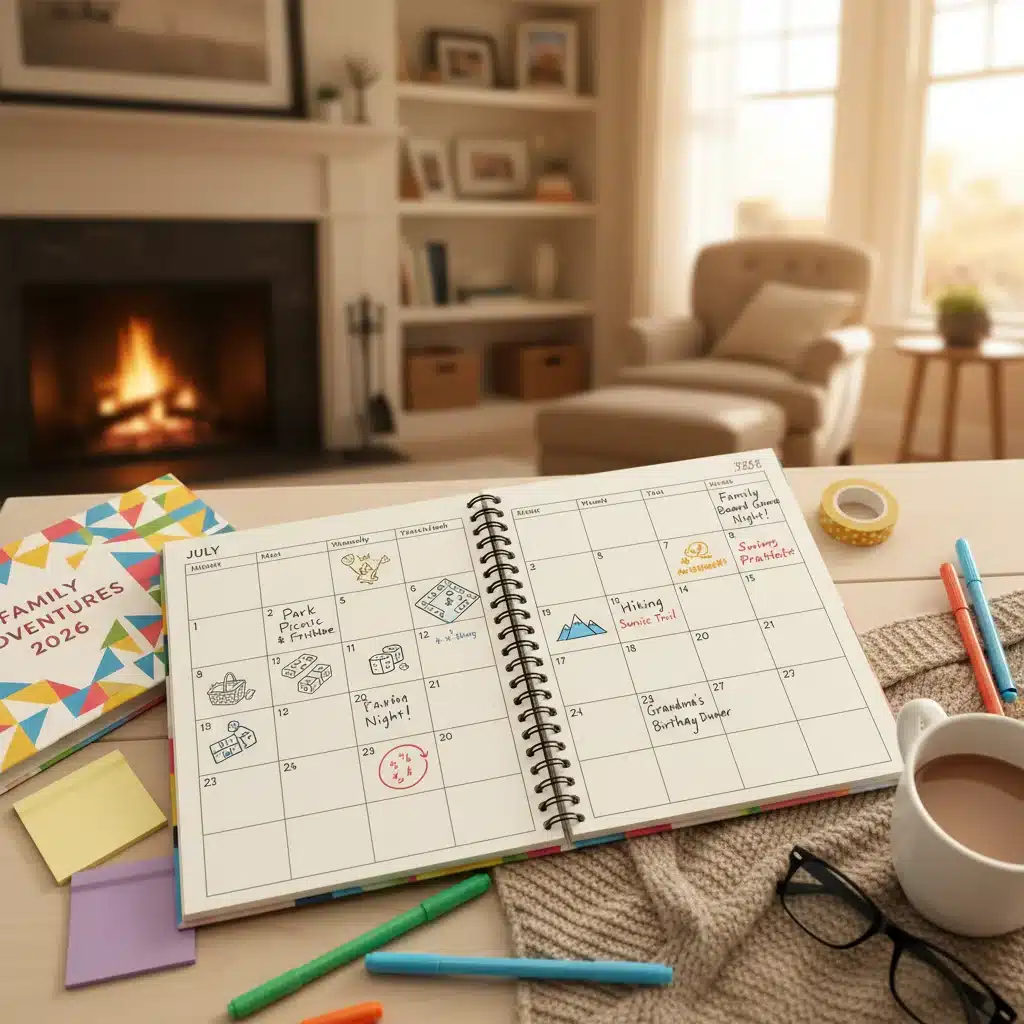
Master Your 2026 Family Life: The Ultimate Activity Planner Guide
As the new year approaches, many of us start to think about resolutions, goals, and how we can make the upcoming year better than the last. For families, this often translates into a desire to spend more quality time together, embark on new adventures, and create lasting memories. But without a clear plan, these aspirations can quickly get lost in the hustle and bustle of daily life. This is where a well-thought-out 2026 family planner becomes an indispensable tool. It’s more than just a calendar; it’s a blueprint for a year filled with purpose, connection, and joy.
In this comprehensive guide, we will delve into the art and science of creating an effective 2026 family planner. We’ll explore everything from setting family goals and choosing the right planning tools to budgeting for activities and ensuring everyone’s voice is heard. Our aim is to equip you with the strategies and insights needed to transform your family’s 2026 into a year of unforgettable experiences and stronger bonds. Let’s dive into how you can proactively shape your family’s future, one planned activity at a time.
Why a 2026 Family Planner is Essential for Modern Families
In today’s fast-paced world, families juggle countless commitments: school, work, extracurricular activities, social engagements, and household chores. Without a centralized system, it’s easy for schedules to clash, important events to be forgotten, and quality family time to be sidelined. A dedicated 2026 family planner addresses these challenges head-on, offering numerous benefits that extend far beyond simply organizing dates.
Streamlining Communication and Reducing Stress
One of the primary advantages of a family planner is its ability to improve communication. When everyone has access to a shared schedule, there’s less confusion about who needs to be where and when. This reduces the need for constant verbal reminders, minimizes last-minute scrambling, and significantly lowers household stress levels. Children, especially, thrive on routine and predictability, and seeing the family’s plans laid out can provide a sense of security and involvement.
Prioritizing Quality Family Time
It’s easy to say you want to spend more time together, but without intentionally scheduling it, ‘family time’ often gets pushed aside by more urgent demands. A 2026 family planner allows you to designate specific blocks for family activities, ensuring that these precious moments are protected. Whether it’s a weekly game night, a monthly outing, or an annual vacation, putting it on the planner makes it a priority, not an afterthought.
Teaching Responsibility and Time Management
Involving children in the planning process is an excellent way to teach them valuable life skills. They learn about responsibility by seeing their own commitments on the calendar, understand the concept of time management, and develop a sense of ownership over family activities. As they grow older, they can take on more active roles in planning, fostering independence and organizational skills that will serve them well into adulthood.
Achieving Family Goals and Dreams
Every family has aspirations, whether it’s saving for a big trip, learning a new skill together, or completing a home renovation project. A 2026 family planner can be instrumental in breaking down these larger goals into manageable steps and scheduling the time needed to work towards them. Seeing progress visually can be incredibly motivating and help keep everyone aligned and focused on shared objectives.
Step-by-Step Guide to Creating Your Ultimate 2026 Family Planner
Building an effective 2026 family planner doesn’t have to be overwhelming. By following these steps, you can create a system that is tailored to your family’s unique needs and ensures a fulfilling year.
Step 1: Gather Your Family and Brainstorm
The first and most crucial step is to involve everyone. Schedule a family meeting where you can openly discuss what each person hopes for in 2026. What activities do they want to do? What places do they want to visit? What new skills do they want to learn? Encourage creativity and write down every idea, no matter how big or small. This collaborative approach fosters enthusiasm and ensures that the planner reflects the desires of the entire family.
- Questions to consider during brainstorming:
- What were our favorite family memories from last year? How can we create more of those?
- Are there any new hobbies or interests we want to explore as a family?
- What are our individual goals for the year that might impact family time (e.g., a parent’s work project, a child’s sports season)?
- Are there any major events (weddings, anniversaries, big birthdays) already planned for 2026?
- What kind of family adventures do we dream of (e.g., camping trip, theme park visit, beach vacation)?
Step 2: Choose the Right Planning Tool
The market offers a vast array of planning tools, from traditional paper planners to sophisticated digital apps. The best choice for your family depends on your preferences, tech-savviness, and how many people need to access the planner.
- Digital Planners/Apps: Google Calendar, Cozi, FamilyWall, Trello, or even a shared spreadsheet. These offer real-time updates, accessibility from multiple devices, reminders, and often integrate with other tools. Ideal for tech-savvy families or those with busy, on-the-go schedules.
- Physical Planners: Large wall calendars, bullet journals, dedicated family planners, or whiteboards. These provide a tangible, visual representation of the schedule, which can be particularly helpful for younger children. They also offer a screen-free planning experience.
- Hybrid Approach: Many families find success by combining digital and physical tools. For example, a digital calendar for daily appointments and a large wall calendar for visible family activities and long-term planning.
Consider ease of use, accessibility for all family members, and features like color-coding, recurring events, and notification options when making your decision.
Step 3: Establish Core Family Rhythms and Non-Negotiables
Before filling your 2026 family planner with exciting new activities, block out your family’s core rhythms and non-negotiables. These are the fixed elements of your schedule that provide structure and stability.
- School and Work Schedules: Input school holidays, work travel, and regular work hours.
- Extracurricular Activities: Add sports practices, music lessons, clubs, and other recurring commitments.
- Regular Appointments: Doctor’s visits, dental check-ups, and other routine appointments.
- Dedicated Family Time: Schedule in weekly dinner nights, weekend outings, or daily reading time. Treat these as appointments that are just as important as any other.
This foundational layer helps you see where genuine gaps exist for new activities and prevents over-scheduling.
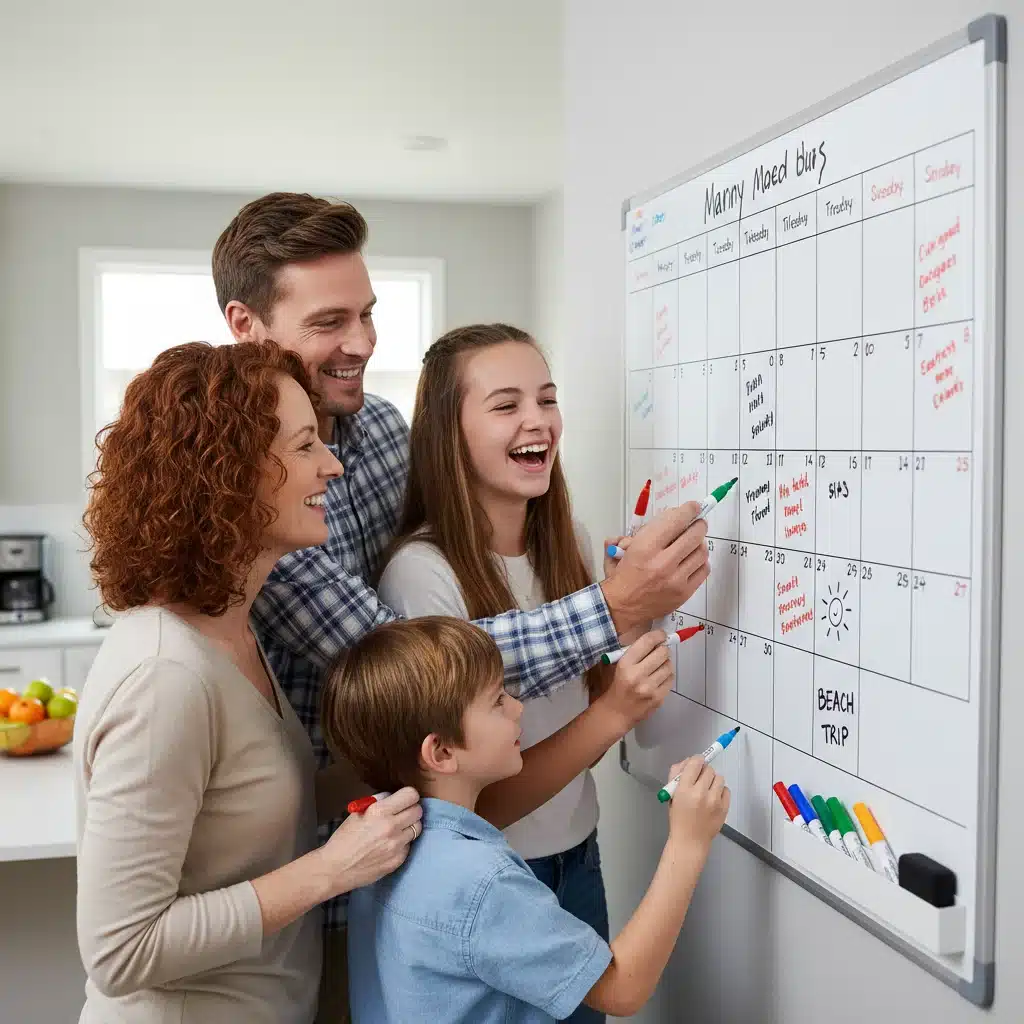
Step 4: Integrate Family Goals and Activities
Now comes the fun part! Take the brainstormed ideas from Step 1 and start populating your 2026 family planner. Distribute activities throughout the year, keeping in mind seasonal appropriateness, school breaks, and family energy levels.
- Monthly Themes: Consider assigning monthly themes (e.g., ‘Adventure Month,’ ‘Creative Month,’ ‘Giving Back Month’) to guide your activity choices.
- Seasonal Activities: Plan outdoor activities for warmer months and cozy indoor pursuits for colder ones. Think about local festivals, seasonal produce picking, or holiday events.
- Balance: Aim for a mix of activities – some active, some relaxing, some educational, some purely for fun. Ensure there’s a balance between individual pursuits and those done as a whole family.
- Flexibility: While planning is crucial, remember to build in some flexibility. Life happens, and sometimes plans need to change. Don’t overschedule every single minute. Leave room for spontaneity.
Step 5: Budgeting for Family Fun in 2026
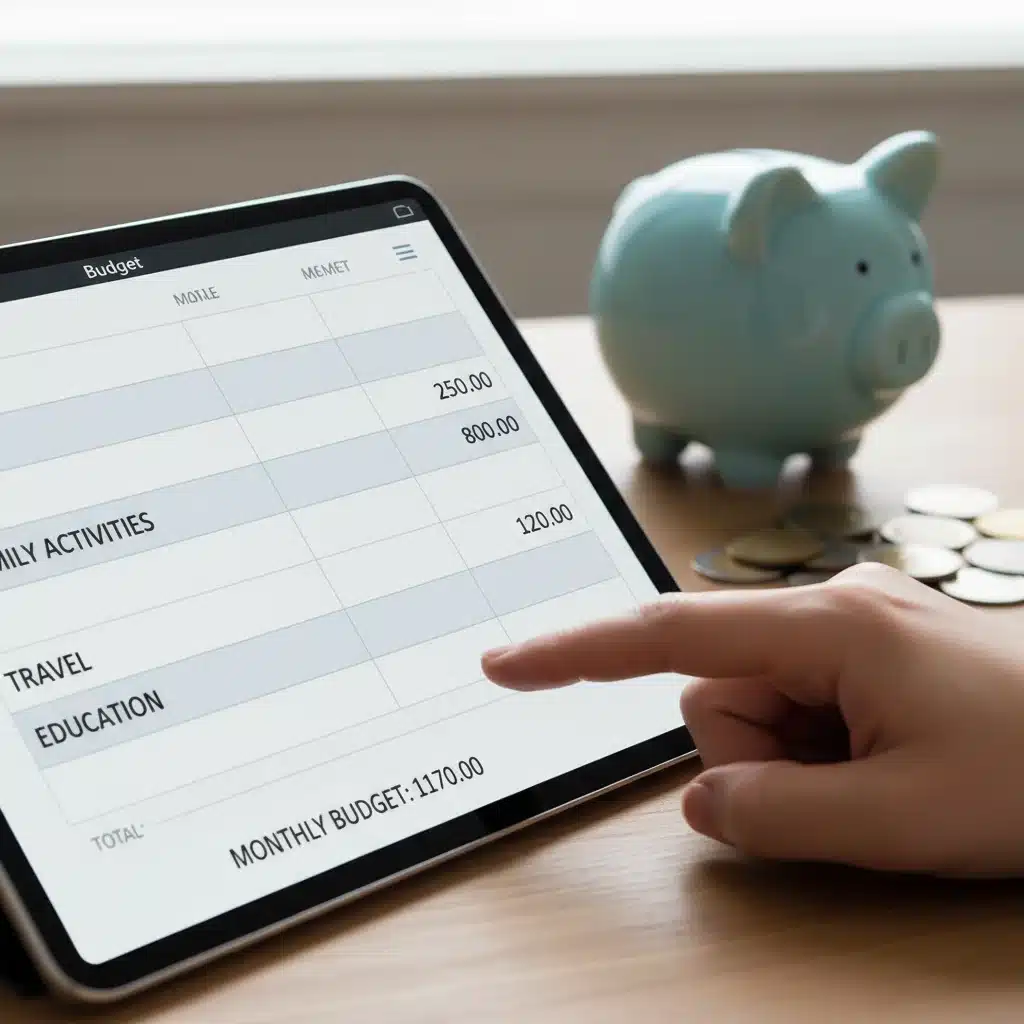
A successful 2026 family planner isn’t just about time; it’s also about resources. Many family activities come with a cost, and avoiding financial stress is key to enjoying your planned events. Integrate a budget into your planning process.
- Estimate Costs: For each major activity (vacations, day trips, special events), estimate the associated costs: transportation, tickets, food, accommodation, souvenirs.
- Create an Activity Fund: Consider setting up a dedicated ‘Family Fun Fund’ and contribute to it regularly. Even small, consistent contributions can add up over time.
- Look for Free/Low-Cost Options: Explore local parks, free museum days, library events, hiking trails, or DIY craft projects at home. For more ideas, check out Family Fun Budget 2026: 50% Off Deals Nationally or Affordable Family Outdoor Fun: Summer 2026 Activities.
- Track Spending: Regularly review your spending against your budget to stay on track. Adjust plans if necessary.
Incorporating financial planning ensures that your planned activities are enjoyable and sustainable throughout the year.
Step 6: Regular Review and Adjustment
Your 2026 family planner is a living document, not a rigid decree. It needs regular review and adjustment to remain effective. Schedule monthly or quarterly family meetings to look ahead, assess what worked well, and make changes as needed.
- Monthly Check-ins: At the start of each month, review the upcoming schedule. Confirm appointments, make reservations, and ensure everyone is aware of the plans.
- Quarterly Reflection: Every three months, take a broader look. Are you achieving your family goals? Are there too many activities or not enough? Is everyone feeling heard and engaged?
- Adapt as Needed: Be prepared to adapt. Children’s interests change, new opportunities arise, and unexpected challenges occur. A flexible approach ensures your planner remains a helpful tool, not a source of frustration.
Maximizing Your 2026 Family Planner: Tips and Tricks
Beyond the basic steps, there are several strategies you can employ to make your 2026 family planner even more effective and enjoyable for everyone.
Involve Everyone in the Process
This point bears repeating because it’s so critical. When children feel they have a say in what goes into the planner, they are more likely to be enthusiastic and cooperative. Give them age-appropriate responsibilities, such as choosing a weekly meal, picking a weekend activity, or even helping to manage a small part of the family budget for fun outings. This fosters a sense of ownership and reduces potential resistance.
Color-Coding for Clarity
Whether you’re using a digital calendar or a physical one, color-coding can dramatically improve clarity. Assign a different color to each family member, or to different categories of activities (e.g., school, work, family fun, appointments). This allows for a quick visual scan to understand who is doing what and when, making your 2026 family planner much easier to interpret at a glance.
Theme Nights and Traditions
Incorporate regular theme nights or establish new family traditions into your 2026 family planner. This could be ‘Pizza and Movie Friday,’ ‘Taco Tuesday,’ ‘Board Game Sunday,’ or a monthly ‘Adventure Day’ where you explore a new local spot. These regular, predictable events create anticipation and become cherished memories that the whole family looks forward to.
Plan for Downtime and Unscheduled Moments
It’s easy to fall into the trap of over-scheduling, especially when trying to make the most of your 2026 family planner. However, downtime is just as important as planned activities. Schedule in ‘free blocks’ or ‘lazy days’ where there are no commitments. These moments allow for spontaneous play, relaxation, and the organic development of family connection. Sometimes the best memories are made when nothing is planned at all.
Create a ‘Family Bucket List’ for 2026
In addition to specific events, create a ‘Family Bucket List’ for 2026. This can be a separate list of bigger dreams or experiences you want to have together, like visiting a specific national park, learning to surf, or volunteering for a cause. As you review your planner periodically, you can pull ideas from the bucket list to fill in available slots or plan for future months.
Utilize Technology for Reminders and Coordination
If you’re using a digital 2026 family planner, leverage its features to the fullest. Set up reminders for appointments, deadlines, and even for preparing for activities (e.g., ‘Pack swimsuits for Saturday’s beach trip’). Shared digital shopping lists or to-do lists can also be integrated to streamline household management and activity preparation.
Document Your Adventures
As you check off activities in your 2026 family planner, make an effort to document these moments. Take photos, keep a family journal, create a scrapbook, or even just jot down a few notes about what made each experience special. Looking back at these memories throughout the year, and at the end of 2026, will be incredibly rewarding and reinforce the value of your planning efforts.
Common Pitfalls to Avoid with Your 2026 Family Planner
While a 2026 family planner is a powerful tool, there are common mistakes that can undermine its effectiveness. Being aware of these can help you navigate around them.
Over-scheduling
The most frequent mistake is trying to cram too much into the schedule. A packed planner can lead to burnout, stress, and resentment rather than joy. Remember that quality often trumps quantity when it comes to family time. Prioritize meaningful experiences over filling every available slot.
Lack of Flexibility
While structure is good, rigidity is not. Life is unpredictable, and things will inevitably come up that require changes to your plans. If your planner is too inflexible, it becomes a source of frustration rather than a helpful guide. Embrace adaptability and teach your family that it’s okay to adjust when necessary.
Not Involving All Family Members
If the planner is solely the domain of one parent, other family members may feel disconnected from it and less invested in its success. Make it a collaborative effort from the initial brainstorming to the ongoing review. This shared ownership is key to long-term engagement.
Ignoring Individual Needs
While family activities are important, it’s also crucial to respect individual needs for alone time, personal hobbies, or quiet reflection. Ensure that the 2026 family planner leaves room for each family member to pursue their own interests and recharge.
Forgetting to Budget
As discussed, ignoring the financial aspect of activities can quickly derail even the best-laid plans. Integrate budgeting from the start to ensure that your planned fun is sustainable and doesn’t lead to financial strain.
Conclusion: Embrace a Year of Purposeful Family Engagement with Your 2026 Family Planner
The prospect of a new year offers a fresh start and an opportunity to redefine how your family spends its most valuable resource: time. By investing effort into creating a robust and flexible 2026 family planner, you are doing more than just organizing dates; you are intentionally shaping a year filled with connection, growth, and indelible memories.
Remember, the goal isn’t perfection, but progress. Your planner will evolve as your family does. Embrace the process, communicate openly, and allow for spontaneity. By following the steps and tips outlined in this guide, you can transform 2026 into a landmark year for your family – a year where every member feels valued, every adventure is savored, and every moment contributes to a richer, more vibrant family life. Start planning today, and look forward to a year of purposeful family engagement!