Boosting Toddler Cognitive Development: Expert Tips for Parents
Beyond the Basics: 4 Expert Tips for Boosting Toddler Cognitive Development Before Age 3 in 2026
The first three years of a child’s life are a period of astonishing growth and development, particularly concerning their cognitive abilities. During this critical window, a toddler’s brain is rapidly forming connections, laying the groundwork for all future learning and understanding. As parents and caregivers, understanding how to effectively foster this growth can feel like a monumental task, but it doesn’t have to be. This comprehensive guide will delve into advanced, expert-backed strategies to significantly boost your toddler cognitive development, ensuring they have the strongest possible start.
Many parents focus on basic needs and early milestones, which are undoubtedly crucial. However, truly optimizing toddler cognitive development involves going beyond the basics. It’s about creating an environment rich in learning opportunities, fostering meaningful interactions, and understanding the nuances of how young minds absorb and process information. We’ll explore four key areas that, when strategically implemented, can make a profound difference in your child’s intellectual journey.
Before we dive into the specific tips, it’s important to acknowledge that every child is unique, and development occurs at different paces. The goal here is not to create a rigid checklist but to provide a flexible framework that empowers you to support your child’s innate curiosity and capacity for learning. By integrating these expert tips into your daily routine, you can cultivate a stimulating and loving environment that champions robust toddler cognitive development.
Understanding the Foundations of Toddler Cognitive Development
To effectively boost your toddler cognitive development, it’s essential to grasp the fundamental processes at play. Cognitive development refers to the construction of thought processes, including remembering, problem-solving, and decision-making, from childhood through adolescence to adulthood. In toddlers, this manifests as they begin to understand cause and effect, develop object permanence, learn language, and start to reason and imagine.
Key developmental milestones during this period include:
- Language Acquisition: From babbling to uttering first words and then forming simple sentences, language is a cornerstone of cognitive growth.
- Problem-Solving Skills: Toddlers learn through trial and error, figuring out how to manipulate objects, open containers, or reach desired toys.
- Memory Development: They begin to remember events, people, and routines, indicating the strengthening of memory pathways.
- Symbolic Thought: This is evident in pretend play, where objects represent something else (e.g., a block becomes a phone).
- Attention Span: While still short, their ability to focus on tasks gradually increases.
These areas are interconnected. For instance, enhanced language skills can facilitate better problem-solving, and improved memory supports more complex pretend play. Our expert tips are designed to address these foundational elements comprehensively, ensuring a holistic approach to toddler cognitive development.
Tip 1: Foster Rich Language Environments Through Dialogic Reading and Expansive Talk
One of the most potent tools for boosting toddler cognitive development is language. It’s not just about teaching words; it’s about building a rich linguistic environment that encourages understanding, expression, and critical thinking. While basic conversations are good, dialogic reading and expansive talk elevate language interaction to a new level.
What is Dialogic Reading?
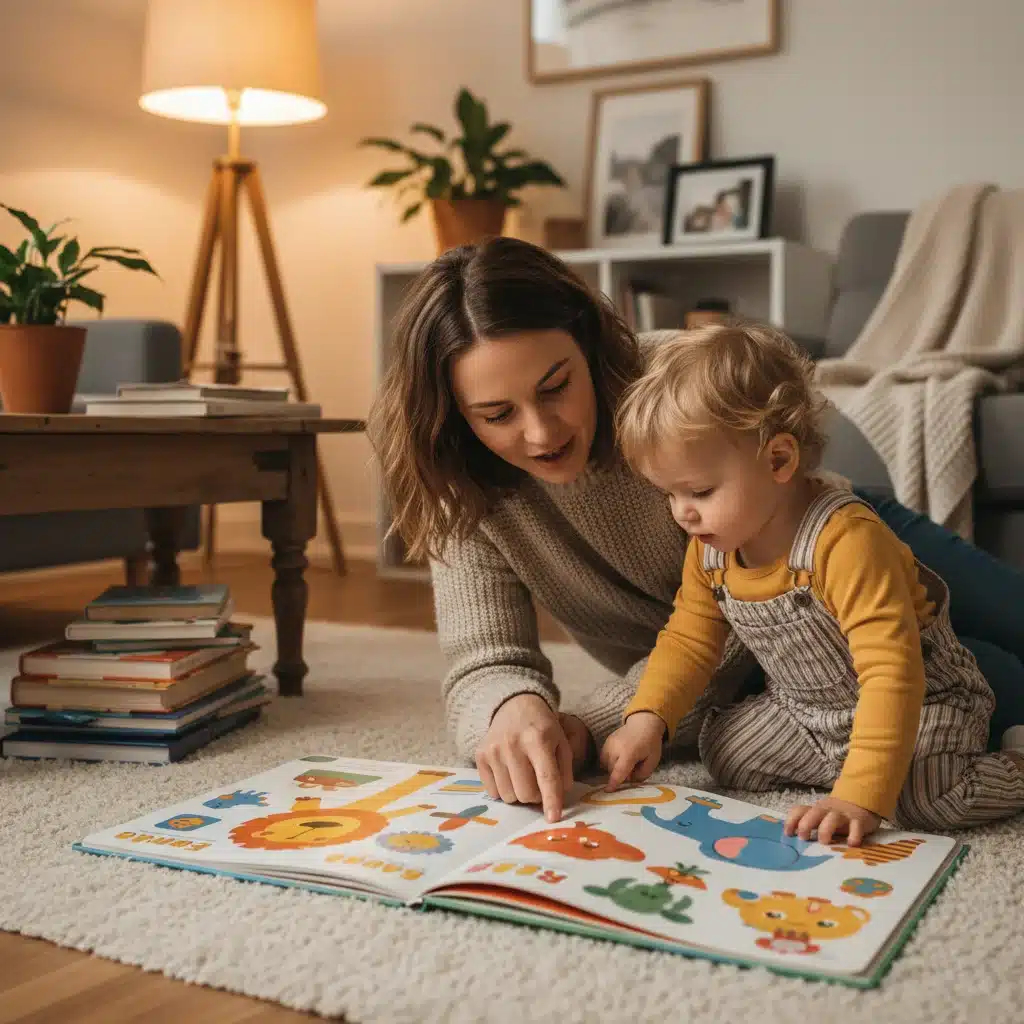
Dialogic reading is a technique where the adult and child switch roles during story time. Instead of just reading to the child, the adult prompts the child to participate in the storytelling. The acronym PEER is often used to describe the steps:
- P – Prompt: Ask questions about the story or pictures. “What’s happening here?”
- E – Evaluate: Affirm the child’s response. “That’s right!”
- E – Expand: Rephrase and add more information to the child’s response. “Yes, the dog is running, and he looks very happy because he’s going to the park!”
- R – Repeat: Encourage the child to repeat the expanded information or use new vocabulary. “Can you say ‘happy dog’?”
This method transforms passive listening into an active learning experience, significantly enhancing vocabulary, narrative skills, and comprehension, all crucial aspects of toddler cognitive development.
The Power of Expansive Talk
Expansive talk goes beyond simple labels. When your toddler points to a car and says “car,” you can respond with expansive talk: “Yes, that’s a big, red car! It’s driving fast to the grocery store to get some food.” This enriches their understanding by:
- Adding Adjectives and Adverbs: Helps them understand descriptive words.
- Providing Context: Explains the function or purpose of objects and actions.
- Introducing New Vocabulary: Naturally weaves in new words that are slightly beyond their current understanding but within reach.
Regularly engaging in dialogic reading and expansive talk, even for just 15-20 minutes a day, has been shown to have a profound impact on a child’s language development and, by extension, their overall toddler cognitive development. This active engagement stimulates neural pathways, improves memory, and fosters a love for learning.
Tip 2: Implement Open-Ended Play and Problem-Solving Opportunities
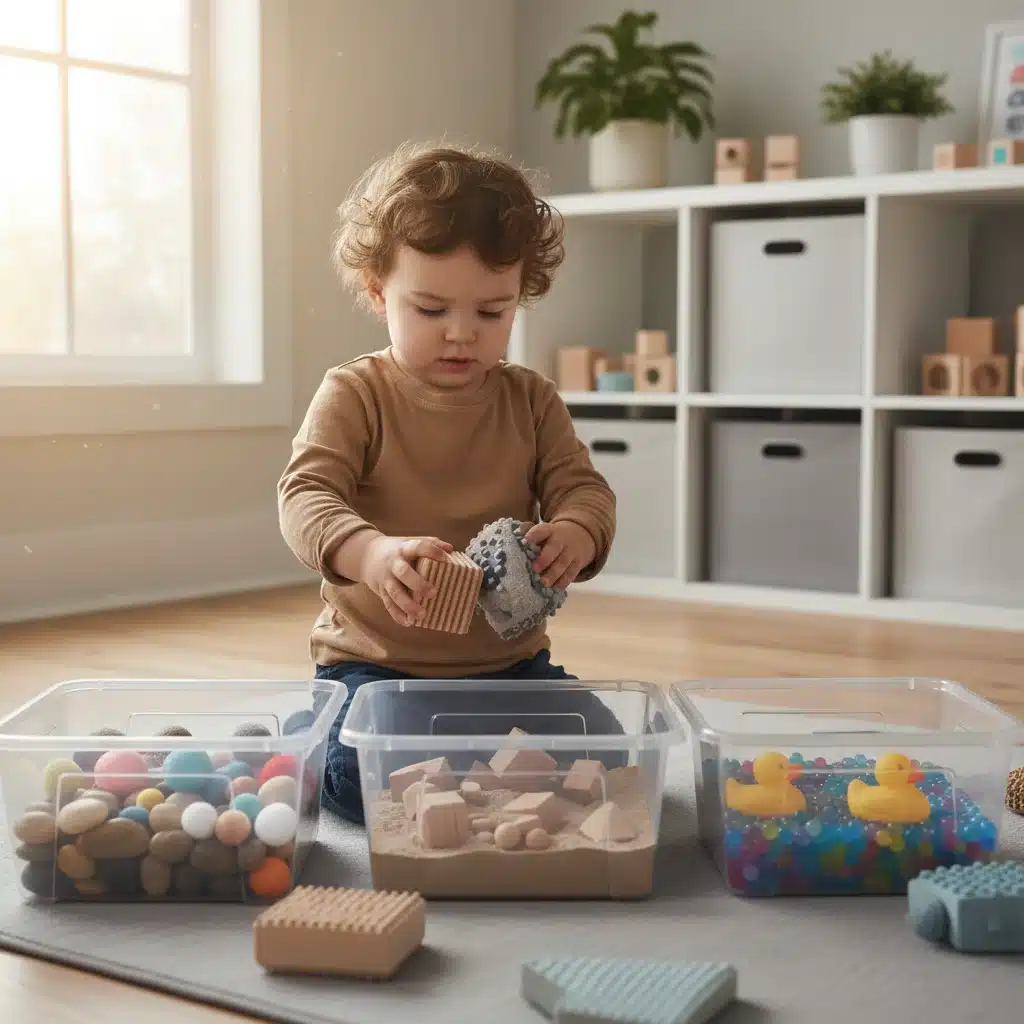
While structured learning has its place, open-ended play is arguably the most powerful catalyst for toddler cognitive development. Open-ended play means there are no specific rules, no right or wrong way to play, and the child dictates the direction. This type of play encourages creativity, imagination, and, most importantly, problem-solving skills.
The Benefits of Open-Ended Play
- Creativity and Imagination: Toddlers use their imagination to create scenarios, make up stories, and assign roles, which are vital for abstract thinking.
- Problem-Solving: When building a tower, figuring out how to make a toy car go, or deciding how to fit shapes into a sorter, toddlers are constantly solving problems.
- Decision-Making: They learn to make choices about what to play with, how to play, and whom to play with (if applicable).
- Cause and Effect: Experimenting with different actions and observing the outcomes helps them understand how things work.
Examples of excellent open-ended play materials include:
- Building Blocks (wooden, magnetic, LEGO Duplos): These allow for endless construction possibilities, fostering spatial reasoning and fine motor skills.
- Sensory Bins: Filled with rice, pasta, water, sand, and small toys, these encourage exploration, measurement, and imaginative play.
- Art Supplies: Crayons, washable paints, playdough – these are not just for artistic expression but also for developing fine motor skills and understanding colors and textures.
- Dress-Up Clothes and Props: Encourage pretend play and social-emotional development alongside cognitive skills.
Creating Problem-Solving Opportunities
Beyond free play, intentionally setting up small, age-appropriate challenges can significantly boost toddler cognitive development. This doesn’t mean frustrating your child, but rather presenting situations where they need to think to achieve a goal.
- Puzzles: Simple knob puzzles or shape sorters are excellent for developing spatial reasoning and fine motor skills.
- Nested Toys: Stacking cups or nesting dolls teach concepts of size and order.
- Simple Mazes or Obstacle Courses: Using pillows or furniture, encourage them to navigate around or over obstacles.
- “Where is it?” Games: Hiding a favorite toy and giving clues encourages memory and deductive reasoning.
The key is to allow the child to struggle a little, offering encouragement rather than immediate solutions. This process of independent discovery is invaluable for building resilience and truly enhancing toddler cognitive development.
Tip 3: Engage in Interactive Games and Movement-Based Learning
Movement isn’t just for physical development; it’s intricately linked to toddler cognitive development. The brain and body work in tandem, and engaging in interactive games that incorporate movement can significantly enhance learning, memory, and attention.
The Body-Brain Connection
Research consistently shows that physical activity stimulates blood flow to the brain, promoting the growth of new neural connections. When toddlers move, they are also:
- Developing Spatial Awareness: Understanding their body’s position in space.
- Improving Coordination: Both gross and fine motor skills are refined.
- Enhancing Sensory Integration: Processing information from their senses more effectively.
- Boosting Memory: Actions tied to words or concepts can help solidify learning.
Interactive Games for Cognitive Growth
Many traditional games are fantastic for toddler cognitive development:
- Simon Says: Develops listening skills, memory, and the ability to follow instructions.
- Head, Shoulders, Knees, and Toes: Connects body parts with their names, improving memory and body awareness.
- Hide-and-Seek: Strengthens object permanence, spatial reasoning, and problem-solving.
- “Follow the Leader”: Encourages imitation, sequencing, and gross motor skills.
- Action Songs: Songs like “If You’re Happy and You Know It” combine language with movement, aiding memory and coordination.
Beyond these classics, consider creating your own interactive games. For instance, a simple scavenger hunt for specific colors or shapes around the house can be incredibly stimulating. “Can you find something blue?” or “Bring me something round.” This combines movement with object identification and categorization, all critical for toddler cognitive development.
Outdoor Exploration and Learning
Taking learning outdoors provides a rich, multi-sensory experience that is difficult to replicate indoors. Nature offers endless opportunities for discovery and cognitive stimulation:
- Exploring Textures: Touching leaves, bark, sand, and water.
- Observing Nature: Watching birds, insects, and clouds encourages curiosity and observation skills.
- Gross Motor Play: Running, jumping, climbing on safe structures, and balancing enhance physical and spatial cognition.
- Sensory Input: The sounds, smells, and sights of nature provide a wealth of sensory information that helps wire the brain.
Make outdoor time a regular part of your routine. Encourage your toddler to interact with their environment, ask questions, and explore safely. These experiences are fundamental for robust toddler cognitive development.
Tip 4: Cultivate Emotional Intelligence and Self-Regulation
While often categorized separately, emotional and social development are inextricably linked to toddler cognitive development. A child who feels secure, understood, and capable of managing their emotions is better positioned to learn and engage cognitively. Emotional intelligence and self-regulation are not just about being well-behaved; they are about foundational cognitive skills like attention, memory, and problem-solving.
The Link Between Emotion and Cognition
- Attention: When a toddler is overwhelmed by big emotions (frustration, anger), their ability to focus and learn is severely impaired.
- Memory: Strong emotional connections can help solidify memories, but intense negative emotions can block access to learned information.
- Problem-Solving: Emotional regulation allows a child to approach challenges with a clearer mind, rather than resorting to meltdowns.
- Executive Functions: Emotional regulation is a key component of executive functions, which include working memory, inhibitory control, and cognitive flexibility – all vital for advanced cognitive skills.
Strategies for Cultivating Emotional Intelligence and Self-Regulation
Here’s how you can actively support this crucial aspect of toddler cognitive development:
- Name and Validate Emotions: Help your toddler identify what they are feeling. “You’re feeling frustrated because the tower fell down.” “I see you’re happy that grandma is here!” This builds their emotional vocabulary and understanding.
- Teach Coping Strategies: Model and teach simple ways to manage big feelings. This could be taking a deep breath, hugging a comfort toy, or asking for help.
- Provide Predictable Routines: A consistent routine creates a sense of security and helps toddlers anticipate what comes next, reducing anxiety and improving their ability to regulate.
- Encourage Empathy: Talk about how others might be feeling. “Your friend looks sad because his toy broke.” This helps them understand different perspectives, a high-level cognitive skill.
- Foster Independence with Support: Allow your toddler to do things for themselves (e.g., dress, choose a snack) within safe boundaries. This builds a sense of competence and control, which contributes to emotional well-being and self-regulation.
- Model Calm Behavior: Children learn by observing. When you manage your own stress and emotions calmly, you provide a powerful example.
By prioritizing emotional intelligence and self-regulation, you are not just raising a well-adjusted child; you are also creating optimal conditions for robust toddler cognitive development. A calm and emotionally secure brain is a brain ready to learn.
Integrating These Tips into Daily Life
The beauty of these expert tips for boosting toddler cognitive development is that they don’t require expensive gadgets or dedicated “lesson times.” They are most effective when woven into the fabric of your everyday interactions.
- Meal Times: Use meal times for expansive talk. “This is a crunchy apple, and it’s red like a fire truck!”
- Errands: Turn grocery shopping into a learning game. “Can you find the yellow bananas? Let’s count how many we need.”
- Bathing: Discuss water, bubbles, and body parts. “Splash the water! Where’s your nose?”
- Bedtime: Make dialogic reading a cherished ritual. Reflect on the day’s events to practice memory and sequencing.
- Chores: Involve them in simple, age-appropriate tasks. “Can you put the blue blocks in the basket?” This fosters responsibility and fine motor skills.
Remember, consistency and genuine engagement are more important than duration. Short, frequent bursts of quality interaction throughout the day will yield better results than long, forced sessions.
Addressing Common Concerns and Misconceptions
As you embark on this journey to enhance toddler cognitive development, you might encounter some common questions or misconceptions. Let’s address a few:
Is More Screen Time Beneficial?
While some educational apps claim to boost cognitive skills, expert consensus, including recommendations from the American Academy of Pediatrics, suggests limiting screen time for toddlers to virtually none for children under 18-24 months, and only high-quality, co-viewed content for 2-5-year-olds. The rich, interactive, and multi-sensory experiences described above are far superior for genuine toddler cognitive development than passive screen viewing.
Do I Need Expensive Educational Toys?
Absolutely not. As discussed, many of the most effective tools for cognitive development are simple, open-ended, and often found in nature or around the house. Imagination, interaction, and everyday objects are far more valuable than flashy, single-purpose toys.
What if My Toddler Isn’t Interested?
Toddlers have short attention spans. If your child isn’t interested in an activity, don’t force it. Try again later, or offer a different approach. The goal is to make learning joyful and engaging, not a chore. Follow their lead and interests, as this is often where the most meaningful learning occurs.
Should I Compare My Toddler to Others?
Comparing your child’s developmental pace to others can be a source of unnecessary stress. Every child develops on their own unique timeline. Focus on providing a supportive and stimulating environment for your child, celebrating their individual progress, and consulting with a pediatrician if you have specific developmental concerns.
The Long-Term Impact of Early Cognitive Stimulation
The efforts you put into boosting your toddler cognitive development now will have ripple effects that extend far into their future. A strong foundation in early childhood leads to:
- Improved Academic Performance: Children with robust early cognitive skills often excel in school.
- Enhanced Problem-Solving Abilities: They are better equipped to tackle challenges in all areas of life.
- Stronger Social-Emotional Skills: The ability to understand and manage emotions fosters healthier relationships.
- Greater Creativity and Innovation: Early exposure to open-ended play and imaginative thinking nurtures these essential traits.
- Increased Resilience: Learning to navigate challenges and regulate emotions builds a strong sense of self-efficacy.
Investing in your child’s early cognitive development isn’t just about making them “smarter”; it’s about equipping them with the tools they need to thrive as curious, capable, and well-adjusted individuals throughout their lives.
Conclusion: Nurturing a Lifetime of Learning
Boosting toddler cognitive development before age 3 is one of the most significant gifts you can give your child. By implementing these expert tips – fostering rich language environments, embracing open-ended play, engaging in interactive movement-based learning, and cultivating emotional intelligence – you are providing a powerful springboard for their intellectual and personal growth.
Remember that the most effective strategies are rooted in responsive, loving interactions. Your presence, attention, and willingness to engage with your toddler as an active participant in their learning journey are paramount. Celebrate every small victory, embrace their natural curiosity, and enjoy the incredible privilege of watching their minds blossom.
By making these practices a consistent part of your daily life, you’re not just preparing your child for school; you’re nurturing a lifelong love of learning, critical thinking, and emotional well-being that will serve them long beyond their toddler years. The foundation you lay now will empower them to navigate the complexities of the future with confidence and joy.