Winter 2026: 7 Essential Tips for Toddler Cold & Flu Prevention

Winter 2026: 7 Essential Tips for Toddler Cold & Flu Prevention
As the crisp air of Winter 2026 begins to settle in, parents everywhere turn their thoughts to keeping their little ones healthy. For toddlers, the colder months often bring an increased risk of sniffles, coughs, and fevers. While it’s impossible to completely shield your child from every germ, there are proactive steps you can take to significantly boost their defenses and minimize the impact of seasonal illnesses. This comprehensive guide, focusing on effective Toddler Cold Prevention strategies, will equip you with seven essential tips to navigate the upcoming cold and flu season with confidence.
The immune systems of toddlers are still developing, making them particularly vulnerable to common viruses. Daycare, playdates, and even trips to the grocery store can expose them to a multitude of pathogens. However, by implementing a holistic approach that combines good hygiene, proper nutrition, adequate rest, and other preventative measures, you can create a robust shield for your child. Our goal is to empower you with actionable advice to ensure your toddler remains happy, active, and healthy throughout Winter 2026. Let’s delve into these crucial tips for effective Toddler Cold Prevention.
1. Emphasize Impeccable Hand Hygiene
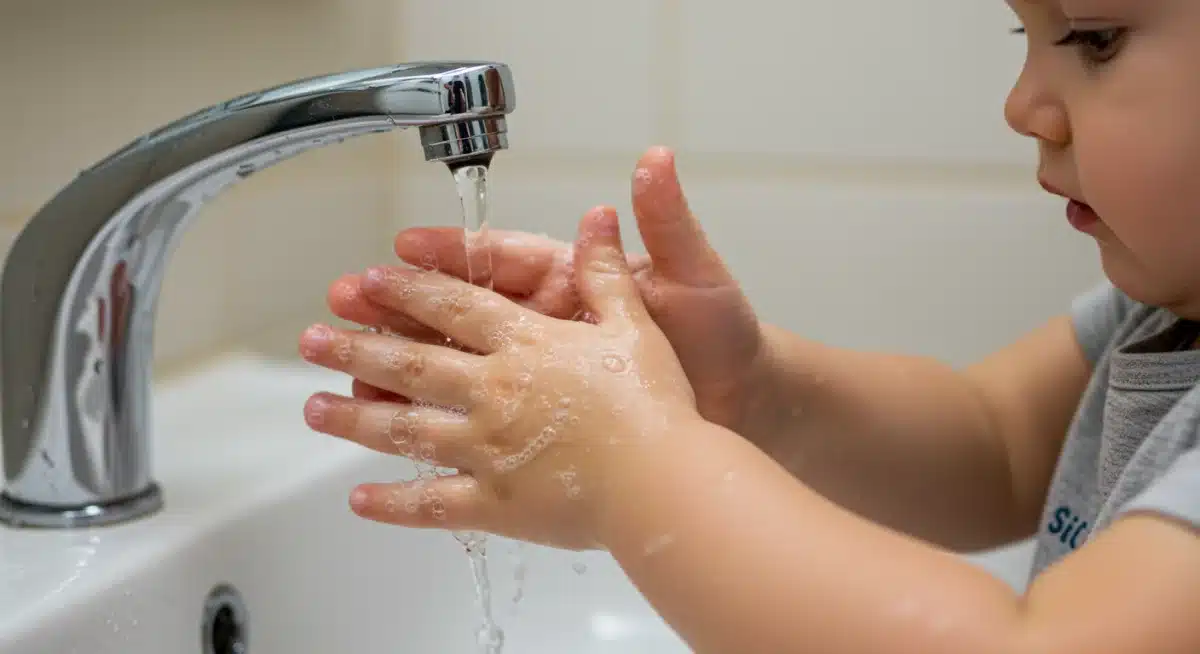
One of the most fundamental and effective strategies for Toddler Cold Prevention is consistent and thorough hand washing. Germs are easily spread through touch, and toddlers, with their natural curiosity and tendency to explore with their hands, are prime candidates for picking up and spreading viruses. Teaching your toddler the importance of hand washing from a young age can make a significant difference.
Why is hand washing so critical for toddlers?
- Direct Contact: Toddlers frequently touch their faces, mouths, and noses, providing a direct pathway for germs from their hands to enter their bodies.
- Surface Contamination: They also touch countless surfaces – toys, doorknobs, furniture – which can harbor viruses for hours.
- Social Interaction: In group settings like daycare, germs can spread rapidly among children through shared toys and close contact.
Practical Tips for Teaching Hand Washing:
- Make it Fun: Use colorful, child-friendly soap and sing a short song (like ‘Happy Birthday’ twice) to ensure they wash for the recommended 20 seconds.
- Lead by Example: Toddlers learn by imitation. Wash your hands frequently with them.
- Use Warm Water and Soap: Explain why soap is important for breaking down germs.
- Focus on Key Moments: Emphasize washing hands before eating, after using the potty, after coughing or sneezing, and after coming home from public places.
- Accessibility: Provide a step stool so your toddler can easily reach the sink and faucet independently.
Even when soap and water aren’t available, a hand sanitizer with at least 60% alcohol can be a good temporary alternative, though hand washing remains the gold standard. Regular reinforcement of this simple habit is a cornerstone of successful Toddler Cold Prevention during Winter 2026.
2. Boost Immunity Through Nutrient-Rich Diet
A well-balanced, nutrient-rich diet is paramount for building a strong immune system, which is crucial for effective Toddler Cold Prevention. What your toddler eats directly impacts their body’s ability to fight off infections. Focus on providing a variety of whole foods that deliver essential vitamins and minerals.
Key Nutrients and Their Sources:
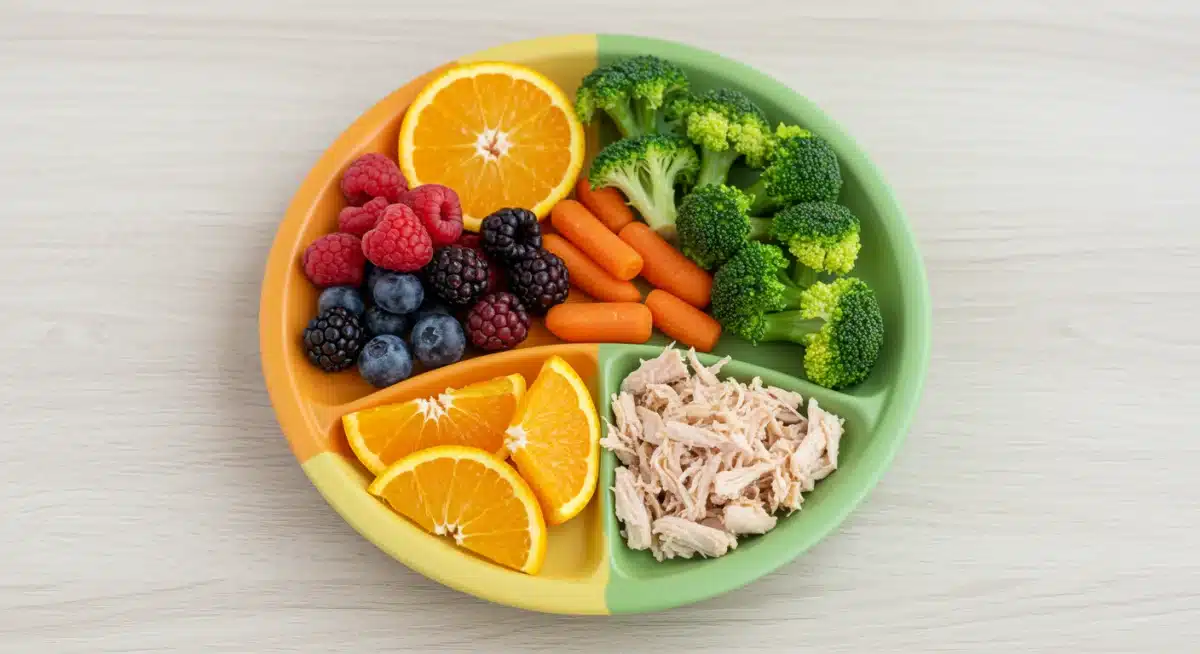
- Vitamin C: A powerful antioxidant, Vitamin C is known to support immune function. Excellent sources include oranges, strawberries, kiwi, bell peppers, broccoli, and spinach.
- Vitamin D: Often called the ‘sunshine vitamin,’ Vitamin D plays a vital role in immune health. Fatty fish (like salmon), fortified milk and cereals, and some mushrooms are good dietary sources. Sun exposure is also key, but challenging in winter. Consult your pediatrician about supplementation.
- Zinc: This mineral is essential for immune cell development and function. You can find zinc in lean meats, poultry, beans, nuts (if appropriate for age and choking hazard), lentils, and fortified cereals.
- Probiotics: A healthy gut microbiome is strongly linked to a strong immune system. Introduce probiotic-rich foods like yogurt (plain, unsweetened is best), kefir, and fermented foods.
- Antioxidants: Found in brightly colored fruits and vegetables, antioxidants help protect cells from damage and support overall health.
Making Healthy Eating Enjoyable for Toddlers:
- Offer a Rainbow of Foods: Presenting a variety of colors on the plate can entice picky eaters.
- Involve Them in Food Prep: Let them help wash vegetables or stir ingredients (age-appropriately).
- Smoothies: A great way to sneak in fruits and vegetables.
- Limit Sugary Foods: Excessive sugar can suppress the immune system.
- Stay Hydrated: Ensure your toddler drinks plenty of water throughout the day. Hydration is vital for all bodily functions, including immune response.
Remember, consistency is key. Integrating these foods into your toddler’s daily routine will lay a strong foundation for their health and significantly aid in Toddler Cold Prevention as Winter 2026 unfolds.
3. Prioritize Adequate Sleep
Sleep is not just for rest; it’s a crucial period for the body to repair, grow, and strengthen its immune system. For toddlers, insufficient sleep can leave them more susceptible to infections, making adequate rest a non-negotiable component of Toddler Cold Prevention.
How Sleep Impacts Immunity:
- Cytokine Production: During sleep, the body produces and releases proteins called cytokines, which are essential for fighting infection and inflammation. Sleep deprivation can lead to a decrease in these protective cytokines.
- Immune Cell Activity: Studies suggest that sleep can enhance the activity of T-cells, a type of white blood cell that plays a central role in immune response.
- Stress Reduction: Chronic sleep deprivation can increase stress hormones, which can suppress the immune system.
Recommended Sleep for Toddlers:
Most toddlers (1-2 years old) need approximately 11-14 hours of sleep per 24-hour period, including naps. Older toddlers (3-5 years old) typically need 10-13 hours. These are general guidelines, and individual needs may vary.
Creating a Conducive Sleep Environment:
- Consistent Bedtime Routine: A predictable routine (bath, story, quiet play) signals to the body that it’s time to wind down.
- Dark, Quiet, and Cool Room: Optimize the sleep environment to be conducive to restful sleep.
- Limit Screen Time: Avoid screens (TV, tablets, phones) at least an hour before bedtime, as the blue light can interfere with melatonin production.
- Comfortable Sleepwear: Ensure your toddler is dressed appropriately for the room temperature to avoid overheating or getting too cold.
- Daytime Naps: Don’t underestimate the power of naps for toddlers. They are vital for their development and immune health.
Establishing healthy sleep habits not only contributes to better behavior and development but also serves as a powerful tool in your Toddler Cold Prevention arsenal, especially during the demanding Winter 2026 season.
4. Stay Up-to-Date on Vaccinations
Vaccinations are one of the most effective public health interventions for preventing infectious diseases. For Toddler Cold Prevention, especially against the flu, ensuring your child is up-to-date on their immunizations is critically important.
The Importance of the Flu Vaccine:
- Seasonal Protection: The influenza virus mutates annually, which is why a new flu vaccine is developed each year. Getting your toddler vaccinated annually provides protection against the strains predicted to be most prevalent during Winter 2026.
- Reduced Severity: Even if a vaccinated child contracts the flu, the vaccine can significantly reduce the severity of symptoms and the risk of serious complications, hospitalization, or even death.
- Herd Immunity: When a large percentage of the population is vaccinated, it helps protect those who cannot be vaccinated (e.g., infants too young for the vaccine or individuals with certain medical conditions). This concept, known as herd immunity, is vital in preventing widespread outbreaks.
Other Recommended Vaccinations:
While the flu vaccine is specifically for influenza, ensuring your toddler is current on all recommended childhood vaccinations (e.g., MMR, DTaP, Pneumococcal vaccine) helps protect them from other serious illnesses that can weaken their immune system and make them more susceptible to secondary infections.
Consult Your Pediatrician:
Always discuss your toddler’s vaccination schedule with your pediatrician. They can provide personalized advice based on your child’s health history, local disease prevalence, and current recommendations. Don’t delay in scheduling your flu shot for Winter 2026; it’s a key strategy for comprehensive Toddler Cold Prevention.
5. Minimize Exposure to Germs
While complete isolation is neither practical nor desirable for a developing toddler, strategic minimization of germ exposure is a vital part of Toddler Cold Prevention. This involves being mindful of environments and situations where germs are likely to thrive.
Strategies for Reducing Exposure:
- Avoid Sick Individuals: If you know someone is sick, politely avoid playdates or close contact. Encourage family and friends to postpone visits if they are unwell.
- Clean and Disinfect Surfaces: Regularly clean and disinfect frequently touched surfaces in your home, especially during cold and flu season. This includes doorknobs, light switches, toys, and countertops.
- Limit Touching Face: Teach your toddler (as best as you can) not to touch their eyes, nose, and mouth. This is difficult for young children, but consistent reminders can help.
- Use Public Transport and Crowded Places Wisely: During peak flu season, consider limiting trips to overly crowded places like indoor play areas, malls, or public transportation if possible, especially with very young or immune-compromised toddlers.
- Ventilate Indoor Spaces: Open windows periodically, even for a few minutes, to improve air circulation and reduce the concentration of airborne viruses indoors.
- Personal Items: Encourage your toddler to use their own cups, plates, and utensils, and avoid sharing them with others, especially those who are sick.
It’s a delicate balance between allowing your child to experience the world and protecting them from unnecessary germ exposure. By being conscious of these factors, you significantly enhance your efforts in Toddler Cold Prevention for Winter 2026.
6. Ensure Proper Hydration
Often overlooked, adequate hydration is a fundamental pillar of overall health and plays a significant role in Toddler Cold Prevention. Water is essential for countless bodily functions, including those that support the immune system.
Why Hydration is Crucial for Immune Health:
- Mucus Production: The respiratory tract (nose, throat, lungs) is lined with mucus, which traps viruses and bacteria. Staying hydrated ensures this mucus remains thin and effective, allowing it to easily trap and expel pathogens.
- Nutrient Transport: Water helps transport essential nutrients, vitamins, and minerals to cells throughout the body, including immune cells, enabling them to function optimally.
- Waste Removal: Hydration aids in flushing out toxins and waste products from the body, supporting overall cellular health.
- Temperature Regulation: Proper hydration helps regulate body temperature, which is important for maintaining optimal physiological conditions.
How Much Water Do Toddlers Need?
While there’s no exact universal number, generally, toddlers need approximately 1-4 cups of fluids per day from water, milk, and other beverages. This can vary based on activity level, climate, and overall health. Your pediatrician can provide more specific guidance.
Tips for Keeping Toddlers Hydrated:
- Offer Water Regularly: Keep a sippy cup or child-friendly water bottle accessible throughout the day.
- Make Water Appealing: Add a slice of fruit (lemon, lime, berries) to water for a natural flavor boost.
- Limit Sugary Drinks: Juice should be given in moderation (if at all), as it’s high in sugar and low in fiber. Soda and other sugary beverages offer no nutritional value and can dehydrate.
- Hydrating Foods: Many fruits and vegetables, such as watermelon, cucumber, and oranges, have high water content and contribute to hydration.
- Lead by Example: Let your toddler see you drinking water regularly.
By making hydration a priority, you’re not only supporting your toddler’s general well-being but also actively contributing to their resilience against winter illnesses, a key aspect of Toddler Cold Prevention for Winter 2026.
7. Manage Stress and Encourage Outdoor Play
While often overlooked in the context of physical health, both stress management and regular outdoor play are surprisingly important for Toddler Cold Prevention. A happy, well-adjusted toddler with opportunities for physical activity is often a healthier toddler.
The Link Between Stress and Immunity:
Even toddlers can experience stress, which can manifest as changes in behavior, sleep, or appetite. Chronic stress can elevate cortisol levels, a hormone that can suppress the immune system, making children more vulnerable to illness. While toddlers’ stressors are different from adults’, disruptions to routine, new environments, or even parental stress can impact them.
Tips for Managing Toddler Stress:
- Maintain Routine: Predictable routines provide a sense of security and reduce anxiety.
- Quality Time: Spend dedicated, engaged time with your toddler, offering comfort and reassurance.
- Emotional Support: Acknowledge their feelings and help them express themselves.
- Limit Overstimulation: Ensure they have quiet time and opportunities for independent play.
The Benefits of Outdoor Play (Even in Winter):
It might seem counterintuitive to play outside when trying to prevent colds, but fresh air and physical activity are incredibly beneficial, provided your toddler is dressed appropriately.
- Fresh Air: Indoor environments can harbor more germs due to recirculated air. Outdoor air is generally cleaner.
- Vitamin D Exposure: Even on cloudy days, some UV rays can penetrate, contributing to Vitamin D synthesis (though often insufficient in deep winter).
- Physical Activity: Exercise boosts circulation and overall immune function. It also helps with sleep quality and stress reduction.
- Mood Boost: Being outdoors can improve mood and reduce feelings of confinement.
- Sensory Development: Outdoor environments offer rich sensory experiences crucial for development.
Safe Outdoor Play in Winter:
- Dress in Layers: This allows for easy adjustment to changing temperatures.
- Protect Extremities: Hats, gloves, and waterproof boots are essential.
- Short Bursts: Even 15-30 minutes of outdoor play can be beneficial.
- Check Weather Conditions: Avoid extreme cold, strong winds, or icy conditions.
- Stay Dry: Wet clothes can lead to rapid heat loss. Change into dry clothes immediately if they get wet.
Balancing indoor warmth with invigorating outdoor play, alongside a calm home environment, significantly strengthens your Toddler Cold Prevention strategy for Winter 2026.
Understanding When to Seek Medical Attention
While prevention is key, it’s also important for parents to know when a cold might be something more serious and when to consult a healthcare professional. Although most toddler colds are mild and resolve on their own, certain symptoms warrant medical attention.
Signs That May Indicate a More Serious Condition:
- High or Persistent Fever: For infants under 3 months, any fever should be immediately reported to a doctor. For older toddlers, a fever over 102°F (39°C) or a fever that lasts more than 3-4 days needs evaluation.
- Difficulty Breathing: Look for rapid breathing, wheezing, flaring nostrils, or retractions (when the skin pulls in around the ribs or neck with each breath). These are signs of respiratory distress.
- Persistent Cough: A cough that is severe, barking (like a seal), or lasts for more than a week, especially if accompanied by difficulty breathing, warrants a doctor’s visit.
- Severe Sore Throat: If your toddler refuses to drink or eat due to throat pain, or if they have difficulty swallowing, it could indicate strep throat or another infection.
- Ear Pain: Pulling at ears, fussiness, or crying accompanied by a cold might suggest an ear infection.
- Dehydration: Signs include decreased urination, dry mouth, lack of tears, and lethargy.
- Unusual Drowsiness or Irritability: Significant changes in your toddler’s behavior, such as extreme lethargy or inconsolable crying, are always a cause for concern.
- Worsening Symptoms: If your toddler’s symptoms initially improve but then suddenly worsen, it could indicate a secondary infection.
Trust Your Parental Instincts:
You know your child best. If you are ever concerned about your toddler’s health, do not hesitate to contact your pediatrician or seek medical advice. Early intervention can often prevent more serious complications. Keep your pediatrician’s number handy, and know the location of the nearest urgent care center or emergency room.
This knowledge, combined with your proactive Toddler Cold Prevention strategies, will ensure you’re well-prepared for any health challenges that may arise during Winter 2026.
Conclusion: A Proactive Approach to Toddler Wellness in Winter 2026
Navigating the cold and flu season with a toddler can be challenging, but with a proactive and informed approach, you can significantly reduce the frequency and severity of illnesses. The seven essential tips outlined in this guide – impeccable hand hygiene, a nutrient-rich diet, adequate sleep, up-to-date vaccinations, minimizing germ exposure, proper hydration, and managing stress with outdoor play – form a powerful framework for effective Toddler Cold Prevention.
Remember that consistency is key. Integrating these practices into your daily routine will not only benefit your toddler’s immune system during Winter 2026 but will also lay the groundwork for lifelong healthy habits. While occasional sniffles are a normal part of childhood, empowering your child’s body to fight off infections is the best gift you can give them.
By focusing on these preventative measures, you can help your little one enjoy a vibrant, healthy, and happy winter season, full of discovery and play. Stay vigilant, stay informed, and enjoy the precious moments with your healthy toddler!