Infant Sleep Training: 5-Night Plan for Better Baby Sleep

The journey of parenthood is filled with immense joy, boundless love, and, for many, a significant lack of sleep. The phrase “sleeps like a baby” often feels like a cruel joke to new parents grappling with frequent night wakings, short naps, and unpredictable sleep patterns. If you’re reading this, chances are you’re exhausted and desperately seeking a solution to improve your little one’s sleep, and by extension, your own. This comprehensive guide is designed to offer just that: a practical, step-by-step 5-night infant sleep training plan that aims to improve your baby’s sleep quality by a remarkable 50% and bring much-needed peace and rest back to your entire family.
Infant sleep training can feel daunting, often surrounded by misconceptions and conflicting advice. However, at its core, it’s about teaching your baby independent sleep skills, establishing healthy sleep habits, and creating a predictable routine that fosters a sense of security. It’s not about letting your baby cry it out indefinitely, nor is it about rigid, one-size-fits-all approaches. Instead, it’s about understanding your baby’s needs, recognizing their developmental stage, and implementing gentle yet consistent strategies that empower them to self-soothe and sleep through the night.
Imagine waking up feeling refreshed, knowing your baby has had a full night’s rest. Envision evenings where you can unwind, spend quality time with your partner, or simply enjoy a moment of quiet. This isn’t a pipe dream; it’s an achievable reality with a well-structured approach to infant sleep training. Our 5-night plan is built on principles of consistency, responsiveness, and gradual progress, ensuring that both you and your baby feel supported throughout the process. We’ll delve into the ‘why’ behind sleep training, address common concerns, and provide actionable steps to transform your family’s sleep landscape.
Before we dive into the specifics of the 5-night plan, it’s crucial to understand that every baby is unique. While this plan offers a robust framework, flexibility and attentiveness to your baby’s individual cues are paramount. We encourage you to consult with your pediatrician before embarking on any sleep training method to ensure your baby is healthy and developmentally ready. Typically, infant sleep training is recommended for babies who are at least 4-6 months old, as their feeding patterns become more established and their circadian rhythms begin to mature.
The benefits of successful infant sleep training extend far beyond just getting more hours of sleep. Improved sleep quality for your baby can lead to better mood, enhanced cognitive development, and a stronger immune system. For parents, adequate sleep reduces stress, improves mental clarity, strengthens relationships, and boosts overall well-being. This investment in your baby’s sleep health is truly an investment in the entire family’s health and happiness. Let’s embark on this transformative journey together, night by night, towards a future of restful sleep.
Understanding Infant Sleep: The Foundation of Successful Training
Before implementing any infant sleep training method, it’s essential to grasp the basics of how babies sleep. Unlike adult sleep, which typically involves longer, consolidated stretches, infant sleep is characterized by shorter cycles and more frequent awakenings. Newborns, for instance, spend a significant portion of their sleep in REM (rapid eye movement) sleep, which is lighter and more easily disturbed. As they grow, their sleep architecture matures, and they begin to spend more time in non-REM sleep stages, which are deeper and more restorative.
Sleep Cycles and Wake Windows
Babies cycle through sleep stages just like adults, but their cycles are much shorter, often lasting only 45-60 minutes. At the end of each cycle, they experience a partial awakening. This is a natural point where they might stir, fuss, or even fully wake up. The goal of infant sleep training is to teach them how to transition back into another sleep cycle independently, without needing parental intervention (like feeding, rocking, or pacifier reinsertion).
Understanding ‘wake windows’ is also crucial. A wake window is the period a baby can comfortably stay awake between naps or between their last nap and bedtime. These windows vary significantly by age:
- Newborns (0-3 months): 45-90 minutes
- 3-6 months: 1.5-2.5 hours
- 6-9 months: 2-3.5 hours
- 9-12 months: 3-4 hours
Putting your baby down too early can lead to resistance, while putting them down too late can result in them being overtired, making it harder for them to fall and stay asleep. Observing your baby’s sleepy cues (yawning, eye rubbing, staring blankly) and aligning them with age-appropriate wake windows is key to successful infant sleep training.
The Role of Circadian Rhythms
A baby’s circadian rhythm, their internal biological clock, develops over the first few months of life. This rhythm dictates their sleep-wake patterns and is heavily influenced by light and dark exposure. Establishing a consistent daily schedule that includes regular feeding times, exposure to natural light during the day, and a dark, quiet sleep environment at night helps to regulate this rhythm. This regulation is fundamental to improving nighttime sleep and consolidating naps.
Preparation is Key: Setting the Stage for Success
Before you even begin the 5-night plan, thorough preparation will significantly increase your chances of success with infant sleep training. This isn’t just about the physical environment; it’s also about mental preparation for parents and establishing foundational routines.
1. Consult Your Pediatrician
As mentioned, always speak with your pediatrician to rule out any underlying medical conditions that might be affecting your baby’s sleep, such as reflux, allergies, or ear infections. Ensure your baby is gaining weight appropriately and is ready for longer stretches without night feedings.
2. Optimize the Sleep Environment
Create a sleep-conducive environment:
- Darkness: Use blackout curtains or blinds to block out all light. Even a sliver of light can disrupt melatonin production.
- Cool Temperature: The ideal room temperature for sleep is typically between 68-72°F (20-22°C).
- Sound: A white noise machine can mask household sounds, create a consistent sleep cue, and mimic the sounds of the womb. Choose a continuous, low-frequency sound.
- Safety: Ensure the crib is bare – no bumpers, loose blankets, pillows, or stuffed animals to adhere to safe sleep guidelines (AAP recommendations).
3. Establish a Consistent Bedtime Routine
A predictable, calming bedtime routine signals to your baby that sleep is approaching. This routine should be consistent every single night, ideally lasting 20-30 minutes. Examples include:
- Warm bath
- Gentle massage
- Putting on pajamas
- Reading a book (even if they don’t understand the words, the sound of your voice is soothing)
- Singing a lullaby
- A final feeding (ensure it ends at least 15-20 minutes before placing them in the crib, and avoid feeding to sleep)
The goal is to create a series of events that your baby associates with sleep, helping them wind down and prepare for rest.
4. Consistent Daytime Schedule
While the focus is often on nighttime sleep, a well-structured daytime schedule is equally important for successful infant sleep training. Aim for consistent wake-up times, nap times, and feeding times. This helps regulate your baby’s circadian rhythm and ensures they are neither overtired nor under-tired at bedtime.
5. Choose Your Method (Gentle vs. Gradual Extinction)
There are various infant sleep training methods, ranging from very gentle approaches to more direct ones. Our 5-night plan will incorporate elements of a flexible, responsive approach, often referred to as ‘gradual extinction’ or ‘Ferber method’ with a focus on parental checks. It allows for crying but provides comfort at increasing intervals, teaching babies to self-soothe while still feeling supported. We will adapt this for a 5-night progression.
The 5-Night Infant Sleep Training Plan: A Step-by-Step Guide
This plan is designed to be implemented over five consecutive nights. Consistency is paramount. Choose a period when you and your partner (if applicable) can fully commit, and avoid starting during times of travel, illness, or major family changes.
Night 1: The Introduction to Independent Sleep
The goal for Night 1 is to introduce your baby to falling asleep independently in their crib. This will likely be the most challenging night for both of you, but remember your commitment to better sleep for everyone.
- Execute Bedtime Routine: Follow your established calming bedtime routine.
- Place Awake, Drowsy: Put your baby into their crib awake but drowsy. Say your chosen sleep phrase (e.g., “Time for sleep, I love you, see you in the morning.”) and leave the room.
- First Check-in (5 minutes): If your baby cries, wait for 5 minutes. Then, enter the room. Do not pick them up. Offer verbal reassurance (e.g., “Mommy’s here, you’re safe, time for sleep.”) and a gentle pat if necessary, but keep interaction minimal. Stay for no more than 1-2 minutes.
- Second Check-in (10 minutes): If crying continues after you leave, wait for 10 minutes before the next check-in. Repeat the minimal reassurance.
- Subsequent Check-ins (15 minutes): Continue with 15-minute intervals for any further crying.
- Night Feedings: If your baby genuinely needs a night feeding (check with your pediatrician for age-appropriate guidelines), wait until it’s been at least 3-4 hours since their last feed. Feed them quickly and quietly, then place them back in the crib awake.
Expect crying. This is your baby’s way of protesting the change. Stay strong and consistent. Remember your ‘why’ for this infant sleep training.
Night 2: Increasing the Intervals
On Night 2, you’ll extend the check-in intervals to encourage longer periods of self-soothing.
- Execute Bedtime Routine: As always, follow your routine.
- Place Awake, Drowsy: Put your baby into their crib awake and drowsy. Say your sleep phrase and leave.
- First Check-in (10 minutes): If crying, wait for 10 minutes. Enter, offer minimal reassurance (verbal only, avoid picking up), and leave within 1-2 minutes.
- Second Check-in (15 minutes): If crying continues, wait for 15 minutes. Repeat reassurance.
- Subsequent Check-ins (20 minutes): Continue with 20-minute intervals.
- Night Feedings: Maintain your planned night feeding schedule, placing them back awake.
You might notice less crying tonight, or it might still be significant. Stay committed to the infant sleep training plan.
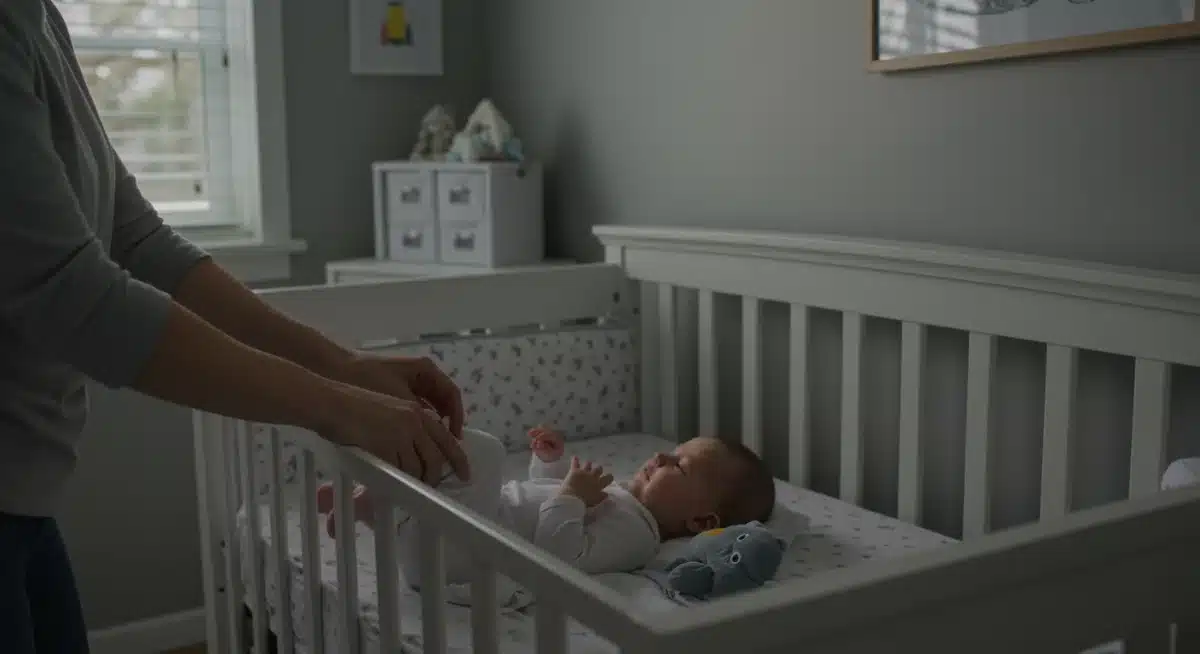
Night 3: Consolidating Progress
Night 3 often sees a noticeable improvement as your baby starts to grasp the new routine. The intervals are extended further.
- Execute Bedtime Routine: Follow the routine.
- Place Awake, Drowsy: Put your baby into their crib awake and drowsy. Say your sleep phrase and leave.
- First Check-in (15 minutes): If crying, wait for 15 minutes. Enter, reassure minimally, and leave.
- Second Check-in (20 minutes): If crying continues, wait for 20 minutes. Repeat reassurance.
- Subsequent Check-ins (25 minutes): Continue with 25-minute intervals.
- Night Feedings: Stick to your feeding plan, placing them back awake.
By now, your baby is beginning to understand that crying doesn’t immediately bring you back to pick them up, but that you are still present and supportive. This is a critical point in infant sleep training.
Night 4: Approaching Independent Sleep
Expect even less crying on Night 4. Your baby is learning to self-soothe more effectively. The check-in intervals are nearing their maximum.
- Execute Bedtime Routine: Follow the routine.
- Place Awake, Drowsy: Put your baby into their crib awake and drowsy. Say your sleep phrase and leave.
- First Check-in (20 minutes): If crying, wait for 20 minutes. Enter, reassure minimally, and leave.
- Second Check-in (25 minutes): If crying continues, wait for 25 minutes. Repeat reassurance.
- Subsequent Check-ins (30 minutes): Continue with 30-minute intervals.
- Night Feedings: Maintain your feeding plan, placing them back awake.
You’re almost there! This night solidifies the progress made in infant sleep training.
Night 5: The Goal – Independent Sleep
By Night 5, many babies will be falling asleep with minimal or no fussing. The intervals are now at their longest, allowing ample time for self-soothing.
- Execute Bedtime Routine: Follow the routine.
- Place Awake, Drowsy: Put your baby into their crib awake and drowsy. Say your sleep phrase and leave.
- First Check-in (25 minutes): If crying, wait for 25 minutes. Enter, reassure minimally, and leave.
- Second Check-in (30 minutes): If crying continues, wait for 30 minutes. Repeat reassurance.
- Subsequent Check-ins (30+ minutes): Continue with 30-minute or longer intervals, or even longer if you feel your baby is making progress and you can tolerate it.
- Night Feedings: This is where you might consider eliminating any remaining night feedings, if advised by your pediatrician and your baby is developmentally ready. If you do feed, place them back awake.
Congratulations! By the end of Night 5, you should see a significant improvement in your baby’s ability to fall asleep independently and stay asleep for longer stretches. This is a monumental achievement in infant sleep training.
Addressing Common Challenges During Infant Sleep Training
Even with a well-structured plan, you might encounter bumps along the road. Here’s how to navigate common challenges associated with infant sleep training:
Crying and Parental Guilt
Crying is a normal part of the process. It’s your baby’s way of expressing frustration or protest over the change. It does not mean you are a bad parent or that your baby feels abandoned. You are teaching them a vital life skill. Remind yourself that you are doing this for their long-term well-being and your family’s health. Have a support system in place – a partner, friend, or family member – who can encourage you and even take turns with check-ins if needed.
Naps vs. Night Sleep
Often, babies master night sleep before naps. Naps are different because sleep pressure is lower, and the environment is typically brighter. Once your baby is consistently sleeping well at night (usually after 1-2 weeks of night training), you can apply similar principles to naps. For naps, the check-in intervals can be shorter, and if a nap doesn’t happen after 30-45 minutes of trying, it’s often best to get them up and try again at the next wake window to avoid overtiredness.
Consistency is Key
The biggest reason infant sleep training fails is inconsistency. Every time you deviate from the plan, you confuse your baby and prolong the process. Decide on your method and stick to it for at least 7-10 days to see results. This means consistency from all caregivers.
Sickness, Travel, and Regressions
Life happens. If your baby gets sick, is teething, or you’re traveling, it’s okay to pause or modify your sleep training. Focus on comfort and getting through the challenging period. Once things return to normal, gently reintroduce your established routine. Sleep regressions (often around 4 months, 8-10 months, 12 months, 18 months) are temporary disruptions due to developmental leaps. Stick to your routines as much as possible, and remember they are usually short-lived.
When to Adjust the Plan
If after 7-10 days of consistent effort, you see no improvement, it might be time to reassess. Consider:
- Is the sleep environment truly optimized?
- Is the bedtime routine consistent and calming?
- Are wake windows appropriate for your baby’s age?
- Is your baby genuinely hungry at night, or is it a habit feeding?
- Are there any underlying medical issues?
Don’t hesitate to consult a certified sleep consultant if you feel stuck. They can offer personalized guidance.

Maintaining Healthy Sleep Habits Long-Term
Successfully completing the 5-night infant sleep training plan is a huge accomplishment, but maintaining those healthy sleep habits requires ongoing effort. Sleep is a dynamic process, and your baby’s needs will evolve as they grow.
Stick to the Routine
The consistent bedtime routine you established is your best friend. Continue to follow it every night, even on weekends. Predictability provides security and helps your baby’s internal clock stay regulated.
Respect Wake Windows and Naps
Continue to monitor your baby’s sleepy cues and age-appropriate wake windows. Overtiredness is a major culprit for night wakings and early mornings. Prioritize naps and ensure they happen in the same sleep environment as nighttime sleep whenever possible.
Flexibility Within Structure
While consistency is key, life isn’t always perfectly scheduled. It’s okay to be flexible occasionally. A missed nap or a late bedtime for a special event won’t derail everything if you get back on track the next day. The goal is a general rhythm, not military precision.
Address Night Wakings Proactively
If your baby starts waking again after a period of good sleep, first consider potential causes: illness, teething, developmental leaps, or changes in routine. Revert to your sleep training check-in intervals if necessary. Often, a few nights of renewed consistency is all it takes to get back on track.
Transitioning Out of the Crib
Eventually, your little one will outgrow their crib. This transition, typically between 2.5 and 3.5 years old, can introduce new sleep challenges. Approach it with patience, clear boundaries, and similar principles of consistency applied during infant sleep training.
The Benefits of Restful Sleep for the Whole Family
The effort you put into infant sleep training will pay dividends for years to come. When your baby sleeps well, everyone benefits:
- For Baby: Improved mood, better concentration, enhanced learning, stronger immune system, and healthy growth and development.
- For Parents: Reduced stress and anxiety, improved mood and patience, better cognitive function (thinking clearly!), stronger relationship with your partner, and more energy to enjoy parenthood.
- For the Family: A more peaceful household, predictable routines, and the ability to reclaim evenings for adult time.
Remember, infant sleep training is a journey, not a destination. There will be good nights and challenging nights. But with patience, consistency, and a loving approach, you can equip your baby with the essential skill of independent sleep, leading to a happier, healthier, and more rested family life. You’ve got this!
This 5-night plan offers a robust framework to guide you. Trust your instincts, observe your baby, and celebrate every small victory. The gift of sleep is one of the best you can give to your child and yourself.