Soothing Teething Pain: 6 Doctor-Recommended Remedies
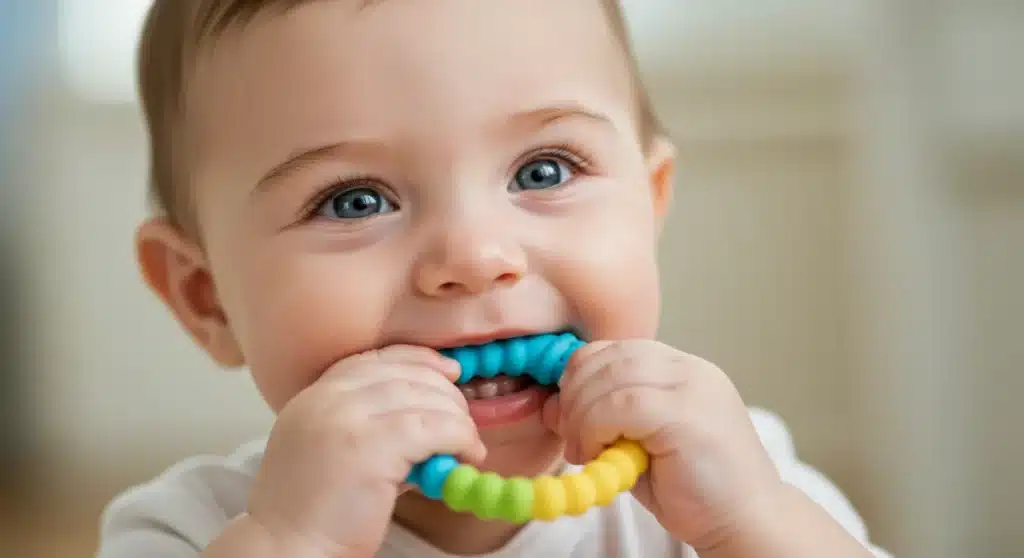
Effectively managing soothing teething pain in babies under 18 months this season involves a blend of gentle care and innovative doctor-recommended remedies, ensuring comfort and reducing distress for both infants and parents.
As your little one grows, reaching new milestones like teething can bring both joy and discomfort. Understanding how to provide effective soothing teething pain relief for babies under 18 months is crucial for their well-being and your peace of mind. This season, new doctor-recommended remedies offer a fresh approach to managing this common developmental stage.
Understanding the Teething Process: What to Expect
Teething is a natural, albeit often uncomfortable, process where a baby’s first teeth emerge through the gums. It typically begins around 6 months of age, but can start as early as 3 months or as late as 12 months, continuing until all 20 primary teeth have erupted, usually by age 3. Recognizing the signs and understanding the stages can help parents anticipate and address their baby’s needs more effectively.
The sequence of tooth eruption usually follows a pattern, with the lower front teeth (central incisors) often appearing first, followed by the upper central incisors. Then come the lateral incisors, first upper then lower, followed by the first molars, canines, and finally, the second molars. Each tooth’s arrival can bring varying degrees of discomfort, making consistent soothing strategies essential.
Common Signs and Symptoms of Teething
Identifying that your baby is teething is the first step toward relief. While every baby is different, there are several common indicators:
- Increased drooling, often leading to a rash around the mouth.
- Irritability and fussiness, especially at night.
- Swollen, tender, or red gums.
- A desire to chew on solid objects.
- Slightly elevated temperature (though a high fever is usually not teething-related and warrants a doctor’s visit).
- Changes in eating or sleeping patterns.
It’s important to differentiate teething symptoms from signs of illness. If your baby has a high fever, diarrhea, or appears significantly unwell, consult your pediatrician immediately, as these symptoms are not typically associated with teething.
Understanding the teething timeline and recognizing these common signs allows parents to proactively implement strategies for soothing teething pain. Being prepared can make a significant difference in managing discomfort and supporting your baby through this phase.
Gentle Gum Massage: A Timeless Comfort Technique
One of the most immediate and accessible methods for soothing teething pain is gentle gum massage. This age-old technique provides direct relief by applying slight pressure to the swollen gums, which can help alleviate discomfort and distract the baby from the pain. It’s a simple yet highly effective remedy that can be performed anywhere, anytime.
Before beginning, always ensure your hands are clean. Wash them thoroughly with soap and water. Then, using a clean finger, gently rub your baby’s gums in a circular motion. You can also use a soft, damp cloth wrapped around your finger for added comfort. The pressure helps to counteract the pressure from the erupting tooth, providing a soothing sensation.

Many babies respond well to this direct contact, finding it comforting and reassuring. It also offers an opportunity for close bonding between parent and child, which can further reduce fussiness. Pay attention to your baby’s cues; if they seem to enjoy it, continue for a few minutes. If they pull away or seem uncomfortable, stop and try again later or consider another method.
Enhancing Gum Massage with Cooling Elements
To amplify the soothing effect, consider chilling the cloth or your finger before massaging. A clean, damp washcloth kept in the refrigerator (not freezer, as extreme cold can harm delicate gum tissue) can provide a wonderfully cool sensation that helps numb the area. This dual approach of pressure and coolness can be particularly effective during peak discomfort.
- Always use a clean, soft cloth.
- Ensure the cloth is damp, not dripping wet.
- Refrigerate for a short period to achieve a cool, not frozen, temperature.
- Gently rub the gums, focusing on areas that appear red or swollen.
This technique is safe and natural, making it a favorite among pediatricians and parents alike. It avoids the use of medications and provides immediate, localized relief. Regular application, especially before naps or bedtime, can significantly improve your baby’s comfort levels, making the teething phase more manageable for everyone involved.
Safe Teething Toys: Exploring New Designs and Materials
The market for teething toys has evolved considerably, with new designs and materials offering enhanced safety and effectiveness for soothing teething pain. Modern teething toys are often made from food-grade silicone, natural rubber, or wood, free from harmful chemicals like BPA, PVC, and phthalates. These materials are not only safe for your baby to chew on but also durable and easy to clean.
When selecting a teething toy, consider its shape and texture. Many new designs feature multiple textures, such as bumps, ridges, and soft bristles, which provide varied sensations that can effectively massage the gums and stimulate blood flow. Shapes that are easy for tiny hands to grasp and maneuver are also crucial, allowing your baby to independently relieve their discomfort.
Beyond traditional rings, innovative designs include teethers shaped like fruits, vegetables, or animals, which can also serve as engaging play items. Some are designed to reach both front and back gums, addressing discomfort in different areas of the mouth. Always inspect teething toys regularly for signs of wear and tear, and replace them if they become damaged to prevent choking hazards.
Cooling Teethers: A Refreshing Approach
Cooling teethers are another excellent option for soothing teething pain. These toys can be refrigerated (again, not frozen) to provide a gentle cooling sensation that helps numb the gums. The cool temperature reduces inflammation and discomfort, offering a refreshing break for irritated gums. Many cooling teethers are gel-filled, while others are solid silicone that retains coolness well.
- Choose gel-filled teethers that are specifically designed to be refrigerated.
- Avoid freezing, as excessively cold items can damage delicate gum tissue.
- Ensure the teether is easy to clean and sanitize after each use.
- Offer a variety of shapes and textures to keep your baby engaged.
The combination of safe, textured materials and a cooling effect makes these modern teething toys indispensable tools in your arsenal against teething discomfort. They empower your baby to take an active role in their own relief, providing a sense of control and distraction from the pain.
Chilled Foods and Liquids: Dietary Comfort Measures
Incorporating chilled foods and liquids into your baby’s diet can offer a welcome respite from soothing teething pain. The cool temperature can help to numb the gums and reduce swelling, providing internal relief. This method is particularly effective for babies who have started solids or are old enough to safely consume certain chilled items.
For babies who are already eating solids, offering chilled fruit purees, yogurt, or applesauce can be very comforting. Harder, chilled foods like cucumber sticks or carrot sticks (ensure they are large enough to prevent choking and closely supervise your baby) can also provide a gentle counter-pressure as your baby gnaws on them. Always prioritize safety: ensure food pieces are appropriately sized and soft enough to prevent choking hazards.
For younger infants, a bottle of cool water (if they are over 6 months old and your pediatrician approves) or even breast milk or formula that has been refrigerated can provide a soothing effect. The act of sucking itself can be comforting, and the coolness helps reduce gum inflammation. Avoid giving sugary juices, as they can contribute to tooth decay.
Safe Application of Chilled Items
When using chilled foods or liquids, consider these safety tips:
- Always supervise your baby to prevent choking.
- Ensure foods are soft enough to be gummed without breaking off into small pieces.
- Avoid freezing foods solid, as this can be too harsh on delicate gums.
- Introduce new foods one at a time to monitor for allergies.
The key is to provide gentle, cool relief without introducing new risks. Chilled foods and liquids offer a natural and often enjoyable way to help your baby navigate the discomfort of teething, making meal times or snack times an opportunity for comfort.
Over-the-Counter Pain Relief: When and Which to Use
While natural remedies are often sufficient for soothing teething pain, there are times when over-the-counter (OTC) pain relievers become necessary. It’s crucial to use these medications judiciously and always under the guidance of a pediatrician. For babies under 18 months, the primary options are acetaminophen (Tylenol) and ibuprofen (Motrin, Advil).
Acetaminophen is generally recommended for infants as young as 2 months, while ibuprofen is typically advised for babies 6 months and older. Both medications work by reducing pain and inflammation. Always follow the dosing instructions carefully based on your baby’s weight and age, and use the provided measuring device to ensure accuracy. Never exceed the recommended dosage or frequency.
It’s important to consult your pediatrician before administering any medication to your baby, especially if they have underlying health conditions or are taking other medications. Your doctor can provide specific recommendations and ensure that the chosen pain reliever is appropriate for your child’s needs. OTC pain relievers should be considered a last resort, used when other comfort measures haven’t provided sufficient relief, particularly for severe discomfort or disrupted sleep.
What to Avoid: Teething Gels and Homeopathic Remedies
While some parents might be tempted by teething gels or homeopathic remedies, many medical professionals advise against them. The FDA has warned against the use of topical teething gels containing benzocaine, as they can cause a rare but serious condition called methemoglobinemia, which reduces the amount of oxygen carried in the blood. Similarly, homeopathic teething tablets have been linked to serious adverse effects and should be avoided.
- Avoid topical gels containing benzocaine.
- Steer clear of homeopathic teething tablets and remedies due to safety concerns.
- Always consult your pediatrician before using any new medication or remedy.
- Prioritize proven, safe methods for pain relief.
The safety of your baby is paramount. Sticking to doctor-approved OTC pain relievers when necessary, and focusing on non-pharmacological methods for daily relief, ensures the safest approach to managing teething discomfort.
Distraction and Comfort: Psychological Approaches to Teething
Beyond physical remedies, psychological approaches like distraction and extra comfort play a significant role in soothing teething pain. Babies, especially those under 18 months, are highly susceptible to their environment and emotional state. A fussy baby might simply need a change of scenery, a comforting hug, or engaging play to shift their focus away from the discomfort.
Engaging your baby in playful activities can be a powerful distraction. Reading a favorite book, playing with soft toys, singing songs, or simply cuddling can provide a much-needed break from the constant sensation of teething pain. The joy and stimulation from these interactions can temporarily overshadow the discomfort, offering a period of calm and happiness.
Increased physical comfort is also vital. This could mean more frequent snuggles, rocking, or babywearing. The close contact and warmth can be incredibly reassuring for a baby experiencing pain or discomfort. Sometimes, simply being held by a loving parent is the most effective remedy of all, providing emotional security that helps them cope.
Establishing Soothing Routines
Creating a consistent soothing routine, especially around naptime and bedtime, can greatly aid in managing teething discomfort. A warm bath, a gentle lullaby, and a comforting feeding can signal to your baby that it’s time to relax, helping them to settle down despite any pain. Consistency helps build predictability, which can be very reassuring for infants.
- Offer extra cuddles and physical affection.
- Engage in distracting play or activities.
- Maintain a consistent bedtime and naptime routine.
- Respond promptly to your baby’s cries for comfort.
Remember that teething is a temporary phase. Your patience, love, and consistent efforts to comfort and distract your baby are invaluable. By combining physical remedies with psychological support, you can help your little one navigate this challenging period with greater ease and comfort.
When to Consult the Pediatrician: Red Flags and Concerns
While teething is a normal developmental stage, it’s essential for parents to know when to seek professional medical advice. For babies under 18 months, certain symptoms might indicate more than just soothing teething pain and warrant a visit to the pediatrician. Being vigilant and proactive can help prevent more serious health issues and ensure your baby receives appropriate care.
One of the most important red flags is a high fever. While teething can cause a slight elevation in body temperature, a fever of 100.4°F (38°C) or higher is usually not attributed to teething and requires medical attention. Other concerning symptoms include diarrhea, vomiting, a persistent rash that doesn’t improve with care, or any signs of severe pain or discomfort that don’t respond to typical teething remedies.
If your baby seems unusually lethargic, refuses to eat or drink for an extended period, or you notice any unusual swelling or redness on their gums that looks infected, contact your pediatrician immediately. Trust your parental instincts; if something feels off, it’s always best to err on the side of caution and consult a healthcare professional. They can rule out other conditions and provide guidance on the best course of action.
Preparing for Your Pediatrician Visit
When you decide to consult your pediatrician about teething concerns, it’s helpful to be prepared. Make a list of your baby’s symptoms, including when they started, how severe they are, and what remedies you’ve already tried and their effectiveness. This information will help your doctor make an accurate assessment and provide the most relevant advice.
- Note the exact temperature if your baby has a fever.
- Document any changes in eating, sleeping, or bowel habits.
- Describe the frequency and intensity of fussiness or crying.
- Bring a list of any medications or supplements your baby is taking.
Your pediatrician is your best resource for ensuring your baby’s health and well-being during the teething process. They can offer personalized advice, reassure you about normal teething variations, and address any underlying concerns, helping you feel more confident in managing this phase.
| Key Remedy | Brief Description |
|---|---|
| Gentle Gum Massage | Applying light pressure with a clean finger or chilled cloth to soothe tender gums. |
| Safe Teething Toys | Offering textured, BPA-free silicone or natural rubber toys, often chilled, for chewing relief. |
| Chilled Foods/Liquids | Providing cool purees, yogurt, or water (for older babies) to numb and soothe gums. |
| OTC Pain Relief | Using pediatrician-approved acetaminophen or ibuprofen, following dosage guidelines strictly. |
Frequently asked questions about teething pain
▼
The earliest signs of teething often include increased drooling, irritability, swollen or tender gums, and a strong urge to chew on objects. These symptoms can appear weeks before a tooth actually erupts, usually starting around 3 to 6 months of age.
▼
No, many medical professionals and the FDA advise against using teething gels, especially those containing benzocaine. Benzocaine can cause a serious condition called methemoglobinemia. It’s best to avoid them and opt for safer, doctor-recommended remedies.
▼
Teething can cause a slight temperature elevation, but a fever of 100.4°F (38°C) or higher is generally not considered a teething symptom. If your baby has a high fever or other signs of illness like vomiting or diarrhea, consult your pediatrician.
▼
The safest and most effective teething toys are made from food-grade silicone, natural rubber, or wood, free from harmful chemicals. Look for toys with varied textures and shapes that are easy for babies to grasp, and consider those that can be safely chilled for added relief.
▼
You should consult a doctor if your baby has a high fever, severe or persistent pain, refuses to eat or drink, shows signs of infection like unusual gum swelling, or if their symptoms don’t improve with home remedies. Trust your instincts if you are concerned.
Conclusion
Navigating the teething phase can be challenging for both babies and parents, but with the right knowledge and tools, it becomes a much smoother journey. The array of doctor-recommended strategies, from gentle gum massages and safe teething toys to chilled foods and appropriate over-the-counter relief, provides a comprehensive approach to soothing teething pain for babies under 18 months this season. Remember to always prioritize your baby’s safety, consult your pediatrician when in doubt, and offer plenty of love and distraction. By combining these practical tips with your innate parental instincts, you can help your little one feel more comfortable and cheerful as they grow.