Hidden Gems: 7 Pediatrician-Approved Toddler Meals for 2026
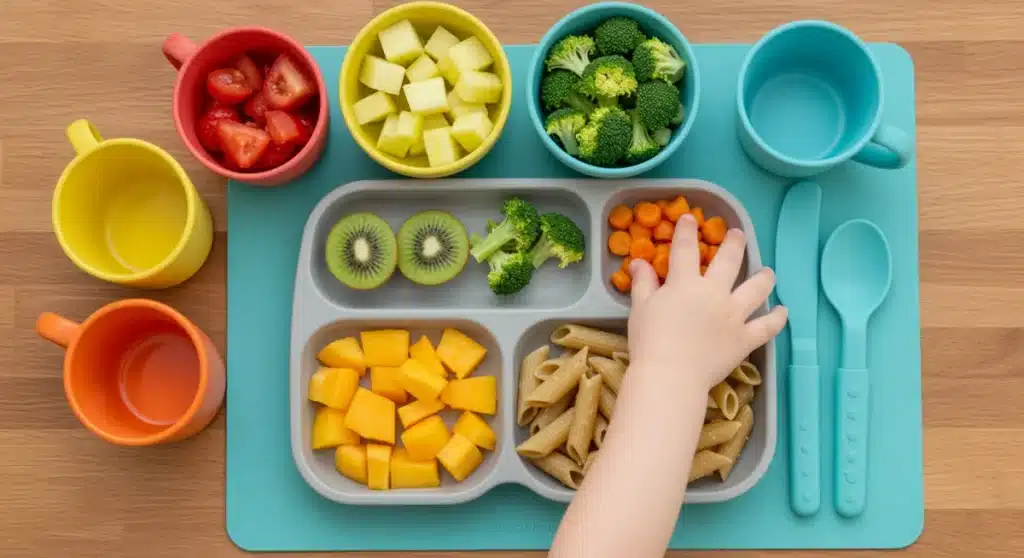
Discover 7 pediatrician-approved toddler meals for 2026, offering practical, nutritious, and easy-to-prepare options designed to support optimal growth and development in young children.
Are you constantly searching for meal ideas that your toddler will actually eat, and that also meet the stringent nutritional guidelines set by pediatricians? Navigating the world of toddler nutrition can feel like a culinary labyrinth. This article is your guide to discovering Hidden Gems: Uncovering 7 Nutritious Toddler Meals Approved by US Pediatricians for 2026, ensuring your little one gets the best start possible.
Understanding Toddler Nutritional Needs
As toddlers grow, their nutritional requirements evolve rapidly. They need a balanced intake of macronutrients (carbohydrates, proteins, fats) and a wide array of vitamins and minerals to fuel their boundless energy and support their developing bodies and minds. Pediatricians emphasize the importance of nutrient-dense foods to prevent deficiencies and promote healthy eating habits that can last a lifetime.
It’s not just about what they eat, but also how they eat. Toddlers are often picky eaters, and their appetites can fluctuate. Creating a positive mealtime environment and offering a variety of foods are crucial strategies. This approach helps in expanding their palate and ensuring they receive a diverse range of nutrients.
Key Nutritional Components for Toddlers
Toddlers require specific nutrients for optimal development. Focusing on these components can significantly impact their health.
- Protein: Essential for growth and tissue repair. Sources include lean meats, poultry, fish, beans, lentils, and dairy.
- Healthy Fats: Crucial for brain development and energy. Avocados, nuts (finely ground), seeds, and olive oil are excellent choices.
- Complex Carbohydrates: Provide sustained energy. Whole grains, fruits, and vegetables are ideal.
- Vitamins and Minerals: A broad spectrum is needed, with particular attention to iron, calcium, and Vitamin D.
Ensuring these components are present in their daily meals is a cornerstone of healthy toddler development. Pediatricians consistently highlight these areas as critical for preventing common nutritional issues.
In conclusion, understanding and meeting the unique nutritional demands of toddlers is paramount. By focusing on a balanced diet rich in essential nutrients and fostering positive eating experiences, parents can lay a strong foundation for their child’s health and well-being.
Meal 1: Quinoa and Vegetable Power Bowl
The first hidden gem on our list is a versatile and nutrient-packed quinoa and vegetable power bowl. This meal is a fantastic way to introduce a variety of textures and flavors, making it appealing to even the pickiest eaters. Quinoa is a complete protein and an excellent source of fiber, while the colorful vegetables provide essential vitamins and antioxidants.
This bowl is designed for easy preparation, often allowing for batch cooking of quinoa and steamed vegetables to be mixed and matched throughout the week. Its adaptability means you can rotate vegetables based on seasonality or your toddler’s current preferences, keeping mealtime exciting and nutritious.
Ingredients and Preparation Tips
Creating a delicious and nutritious quinoa bowl involves selecting fresh ingredients and simple cooking methods. The goal is to make it appealing and easy for toddlers to eat.
- Quinoa: Cook according to package directions. You can cook a larger batch and store it for several days.
- Vegetables: Steam or lightly sauté finely diced carrots, peas, broccoli florets, and bell peppers. Ensure they are soft enough for a toddler to chew.
- Protein Boost: Add shredded chicken, mashed black beans, or a sprinkle of cheese for extra protein.
For flavor, a tiny drizzle of olive oil and a pinch of mild herbs like parsley or dill can enhance the taste without overwhelming a toddler’s palate. Avoid excessive salt or strong spices.
Serving this meal in a fun, compartmentalized plate can also encourage toddlers to try each component. The bright colors and different shapes can make eating an engaging activity rather than a chore. This meal offers a complete nutritional profile, supporting energy levels and growth.
The quinoa and vegetable power bowl stands out as a pediatrician-approved choice due to its nutritional density and versatility. It addresses multiple dietary needs while offering customization, making it a staple for healthy toddler eating.
Meal 2: Mini Salmon and Sweet Potato Patties
Next up are mini salmon and sweet potato patties, a delightful and incredibly healthy option for toddlers. Salmon is renowned for its omega-3 fatty acids, crucial for brain development and overall health, while sweet potatoes offer a rich source of Vitamin A and fiber. These patties are soft, easy for little hands to grasp, and flavorful without being overpowering.
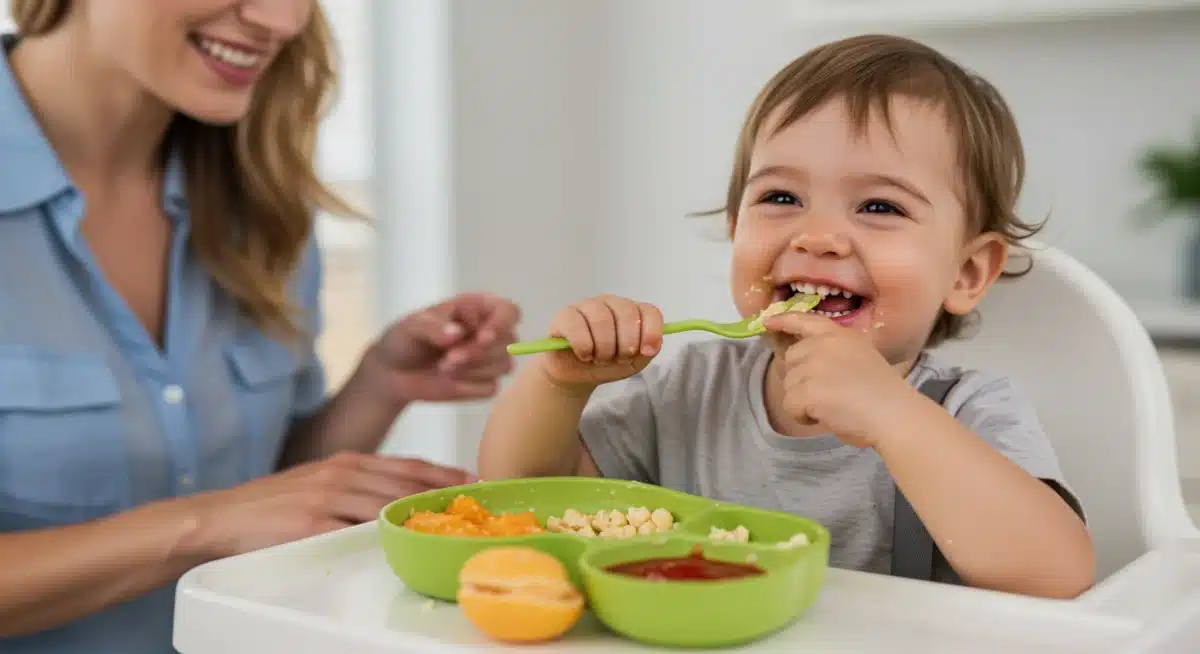
The combination of salmon and sweet potato creates a naturally sweet and savory profile that many toddlers find irresistible. Plus, making them into small patties makes them perfect for self-feeding, promoting independence at mealtime.
Crafting Perfect Patties
The key to successful mini salmon and sweet potato patties lies in the texture and flavor balance. You want them firm enough to hold their shape but soft enough for a toddler’s chewing ability.
- Salmon Preparation: Use cooked, flaked salmon (canned wild salmon is a convenient option, just drain and remove any bones).
- Sweet Potato Mash: Steam and mash a sweet potato until very smooth.
- Binding Agents: A small amount of whole-wheat breadcrumbs and an egg can help bind the patties.
Mix the salmon, mashed sweet potato, breadcrumbs, and egg in a bowl. Form small, coin-sized patties and pan-fry them in a little olive oil until golden brown. They can also be baked for a healthier option. Serve them warm, perhaps with a side of steamed green beans or avocado slices.
These patties are not only delicious but also a fantastic way to introduce fish into your toddler’s diet. The omega-3s are vital for cognitive function, making this meal a smart choice for growing minds. Their appealing shape and taste make them a favorite among toddlers and a win for parents.
Mini salmon and sweet potato patties represent an excellent meal choice for toddlers, combining essential brain-boosting nutrients with a format that encourages self-feeding and enjoyment.
Meal 3: Lentil and Veggie Pasta Sauce
Our third hidden gem is a hearty lentil and veggie pasta sauce, a brilliant way to sneak in extra vegetables and plant-based protein. This sauce is incredibly versatile, pairing well with whole-wheat pasta, spiralized zucchini, or even as a topping for baked potatoes. Lentils are a powerhouse of fiber, iron, and protein, making this meal incredibly satisfying and nutritious.
This meal is particularly beneficial for toddlers who might be reluctant to eat whole vegetables. By blending the vegetables into a smooth sauce, they become less noticeable while still delivering all their nutritional benefits. It’s also an excellent option for meal prepping, as the sauce can be made in advance and frozen in portions.
Making a Delicious and Nutritious Sauce
The foundation of a great lentil and veggie pasta sauce is a rich blend of flavors and textures, all while being toddler-friendly. The key is to finely chop or blend the vegetables.
- Base Vegetables: Sauté finely diced onions, carrots, and celery until soft.
- Lentils: Add cooked brown or green lentils, which provide a robust texture and protein.
- Tomato Base: Use low-sodium crushed tomatoes or tomato paste for the sauce base.
- Hidden Veggies: Blend in steamed spinach, zucchini, or butternut squash for added nutrients.
Simmer the sauce gently, allowing the flavors to meld. A touch of mild Italian herbs like oregano or basil can enhance the taste. Remember to avoid excessive salt and sugar. This sauce can be served chunky or blended smooth, depending on your toddler’s preference and stage of development.
The lentil and veggie pasta sauce is a pediatrician-approved meal because it effectively delivers a high concentration of nutrients, particularly iron and fiber, which are often critical for toddlers. Its adaptable nature ensures it can be a regular part of a healthy diet.
Meal 4: Chicken and Avocado Mash Toast
For a quick, easy, and incredibly nutritious meal, turn to chicken and avocado mash toast. This option combines lean protein from chicken with healthy fats and fiber from avocado, all served on a piece of whole-grain toast. It’s an ideal choice for breakfast, lunch, or a substantial snack, providing sustained energy for active toddlers.
The soft texture of the avocado mash makes it easy for toddlers to eat, and the small pieces of shredded chicken ensure they get adequate protein. This meal is also highly customizable, allowing for the addition of other finely chopped vegetables or herbs to boost its nutritional profile.
Assembling the Perfect Mash Toast
Creating a balanced and appealing chicken and avocado mash toast is straightforward. The key is using ripe avocados and tender, finely shredded chicken.
- Avocado Base: Mash a ripe avocado with a fork until smooth.
- Chicken: Use finely shredded cooked chicken breast (rotisserie chicken works well, just remove skin and bones).
- Whole-Grain Toast: Choose a soft whole-grain bread, lightly toasted and cut into manageable strips or small squares.
Mix the mashed avocado with the shredded chicken. You can add a squeeze of lemon juice to prevent browning and a tiny pinch of black pepper for flavor. Spread generously on the whole-grain toast. For an extra nutritional punch, sprinkle with a few hemp seeds or finely chopped cilantro.
This meal is a favorite among pediatricians because it offers a superb balance of protein, healthy fats, and complex carbohydrates. It supports brain development, provides sustained energy, and is easy for toddlers to manage independently. It’s a testament to how simple ingredients can create a powerful meal.
Chicken and avocado mash toast is a testament to the power of simple, wholesome ingredients in creating a highly nutritious and toddler-friendly meal, meeting both energy and developmental needs.
Meal 5: Spinach and Cheese Egg Muffins
Our fifth hidden gem, spinach and cheese egg muffins, are a fantastic make-ahead option for busy parents. These savory muffins are packed with protein from eggs, vitamins from spinach, and calcium from cheese. They are perfectly portioned for toddlers, easy to hold, and can be served warm or at room temperature, making them ideal for on-the-go meals or snacks.
The beauty of egg muffins lies in their versatility. You can easily adapt the recipe by adding other finely chopped vegetables like bell peppers, mushrooms, or zucchini, ensuring your toddler gets a wide array of nutrients. They are also a great way to introduce vegetables in a less intimidating form.
Baking Nutritious Egg Muffins
Achieving light and fluffy spinach and cheese egg muffins requires a simple mixing and baking process. The goal is to create a soft texture that’s easy for toddlers to chew.
- Egg Base: Whisk several eggs with a splash of milk or unsweetened non-dairy alternative.
- Veggies: Finely chop fresh spinach and sauté it lightly to reduce moisture before adding to the egg mixture.
- Cheese: Grated mild cheddar or mozzarella cheese adds flavor and calcium.
Pour the egg mixture into greased muffin tins, filling each cup about two-thirds full. Bake until set and lightly golden. Once cooled, they can be stored in the refrigerator for several days or frozen for longer periods. Serve them with a side of fresh fruit for a complete meal.
Pediatricians often recommend egg muffins as they are a complete meal in a convenient package. They offer high-quality protein, essential for growth, along with key vitamins and minerals. Their grab-and-go nature makes them a practical solution for modern parenting challenges.
Spinach and cheese egg muffins offer a convenient, nutrient-rich option that supports toddler growth and development, making them a highly recommended and versatile meal choice.
Meal 6: Whole-Wheat Berry Pancakes with Yogurt Dip
The sixth hidden gem is whole-wheat berry pancakes served with a nutritious yogurt dip. This meal is a delightful way to incorporate whole grains, fruits, and probiotics into your toddler’s diet. Whole-wheat flour provides fiber and sustained energy, while berries are rich in antioxidants and vitamins. The yogurt dip adds protein and beneficial gut bacteria.
These pancakes are softer and more moist than traditional pancakes, making them easier for toddlers to chew and swallow. The yogurt dip can be flavored with a touch of fruit puree, making it an appealing and healthy alternative to syrup.
Making Healthier Pancakes and Dip
Transforming pancakes into a superfood for toddlers involves a few simple ingredient swaps and preparation techniques. The focus is on maximizing nutritional value.
- Whole-Wheat Flour: Use whole-wheat flour for increased fiber and nutrients.
- Berries: Incorporate fresh or frozen blueberries, raspberries, or finely chopped strawberries into the batter.
- Yogurt Dip: Mix plain whole-milk Greek yogurt with a small amount of fruit puree (like mashed banana or apple sauce) for a natural sweetener.
Cook small, silver-dollar sized pancakes to make them easy for toddlers to handle. Serve them warm with the yogurt dip on the side for dipping. This encourages self-feeding and adds an element of fun to the meal.
This meal is highly regarded by pediatricians for its balanced nutritional profile. It provides complex carbohydrates for energy, protein for growth, and a good dose of fiber and antioxidants. It’s a comforting yet incredibly healthy option that can be enjoyed at any time of day.
Whole-wheat berry pancakes with yogurt dip stand out as a pediatrician-approved meal, perfectly balancing taste, texture, and comprehensive nutrition for growing toddlers.
Meal 7: Sweet Potato and Black Bean Burrito Bowls
Our final hidden gem is sweet potato and black bean burrito bowls, a flavorful and incredibly nutritious meal inspired by Latin American cuisine. This bowl is packed with plant-based protein from black beans, complex carbohydrates and Vitamin A from sweet potatoes, and a host of other vitamins from fresh salsa and avocado. It’s a vibrant and engaging meal that introduces toddlers to diverse flavors.
This meal is naturally gluten-free and can be easily adapted to be dairy-free if needed. The soft textures of cooked sweet potato and black beans are ideal for toddlers, and the individual components can be served separately for picky eaters or mixed for those who enjoy a fuller flavor profile.
Building a Balanced Burrito Bowl
Creating a toddler-friendly sweet potato and black bean burrito bowl involves simple cooking and thoughtful assembly. The key is to ensure all ingredients are soft and easy to eat.
- Sweet Potatoes: Roast or steam diced sweet potatoes until very tender.
- Black Beans: Use canned low-sodium black beans, rinsed thoroughly.
- Grains: Serve over a small portion of cooked brown rice or quinoa.
- Toppings: Add mashed avocado, a dollop of plain Greek yogurt (or dairy-free alternative), and a spoonful of mild, finely chopped salsa.
Arrange the components in a bowl, allowing your toddler to explore the different textures and flavors. This meal provides a robust nutritional punch, including iron, fiber, and healthy fats, all crucial for a toddler’s rapid development. It’s a fantastic way to introduce a variety of healthy, whole foods.
Sweet potato and black bean burrito bowls are a pediatrician-approved meal due to their rich nutrient content and the diverse range of whole foods they offer. They support digestion, provide sustained energy, and expose toddlers to a broader culinary experience.
| Meal Highlight | Key Nutritional Benefit |
|---|---|
| Quinoa Power Bowl | Complete protein, fiber, essential vitamins from diverse vegetables. |
| Salmon & Sweet Potato Patties | Omega-3 fatty acids for brain, Vitamin A, and fiber. |
| Lentil & Veggie Pasta Sauce | High in iron, fiber, and hidden vegetables for picky eaters. |
| Chicken & Avocado Mash Toast | Lean protein, healthy fats, and complex carbohydrates for sustained energy. |
Frequently Asked Questions About Toddler Meals
Encourage new foods by offering small portions repeatedly without pressure. Involve your toddler in meal preparation, make mealtime fun, and model healthy eating habits yourself. Consistency and patience are key, as it can take many exposures for a toddler to accept a new food.
Common choking hazards include whole grapes, hot dogs, nuts, popcorn, large chunks of meat, and hard candies. Always cut food into small, manageable pieces, supervise mealtime, and ensure your toddler is seated while eating to minimize risks.
On average, toddlers (ages 1-3) need about 13 grams of protein per day. This can be met with servings of dairy, lean meats, beans, or lentils. It’s usually not difficult to meet this requirement with a balanced diet.
Some plant-based milks are suitable, but consult your pediatrician. Many do not offer the same nutritional profile as cow’s milk, especially regarding fat, protein, and calcium. Fortified soy milk or pea milk might be acceptable alternatives, but always check labels for added sugars.
Establish a routine, offer choices within healthy limits, and avoid power struggles. Keep meals consistent, offer small portions, and focus on creating a positive, calm atmosphere. Remember, you provide the food, and your toddler decides how much to eat.
Conclusion
Navigating the nutritional landscape for toddlers can be challenging, but with these Hidden Gems: Uncovering 7 Nutritious Toddler Meals Approved by US Pediatricians for 2026, parents are equipped with practical, wholesome, and delicious options. From the protein-rich quinoa bowls to the brain-boosting salmon patties and the fiber-packed lentil sauces, each meal is designed to support optimal growth and development. By incorporating these pediatrician-approved recipes, you can ensure your toddler receives the essential nutrients they need while fostering a positive and adventurous relationship with food. Remember, consistency, variety, and a stress-free mealtime environment are key to nurturing healthy eating habits that will benefit your child for years to come.