2026 AAP Infant Sleep Guidelines: 5 Key Changes for Parents
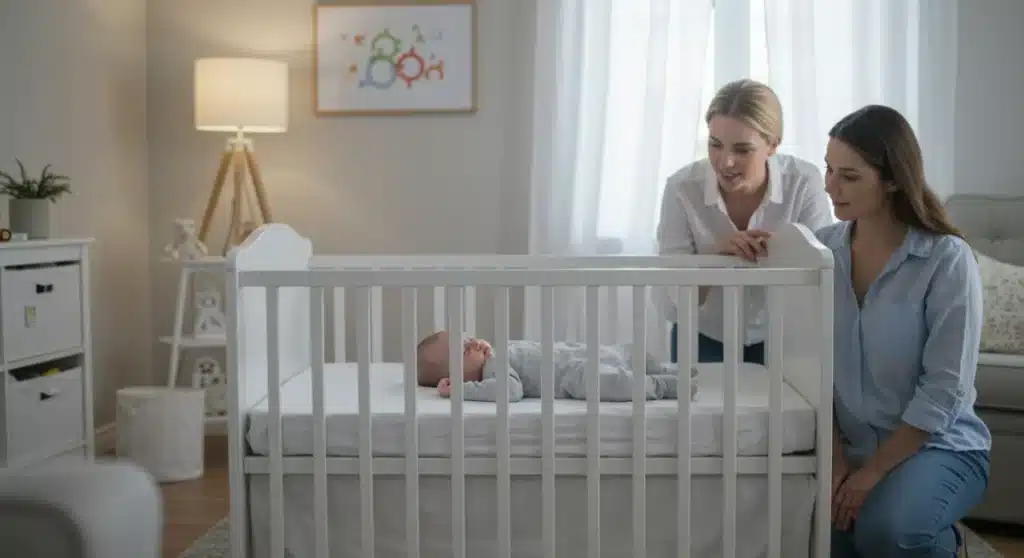
The 2026 AAP Infant Sleep Safety Guidelines introduce five pivotal changes, emphasizing updated recommendations for safe sleep environments and practices to further reduce the risk of sleep-related infant deaths, providing crucial information for all parents.
As parents, your child’s safety is paramount, especially when it comes to sleep. Staying abreast of the latest recommendations is not just important, it’s essential. This article will guide you through Navigating the New 2026 AAP Guidelines for Infant Sleep Safety: 5 Key Changes Every Parent Needs to Know Now, ensuring you have the most current information to protect your little one.
Understanding the Evolution of AAP Sleep Guidelines
The American Academy of Pediatrics (AAP) consistently revises its guidelines based on the latest scientific research and data concerning infant health and safety. These updates are crucial, as they aim to reduce the incidence of Sudden Unexpected Infant Death (SUID), including SIDS (Sudden Infant Death Syndrome) and accidental suffocation. Each iteration of the guidelines reflects a deeper understanding of infant physiology and risk factors, providing parents with the most effective strategies for creating a safe sleep environment. The 2026 guidelines build upon decades of research, refining previous advice and introducing new considerations that address emerging trends and improved understanding of infant sleep patterns.
The continuous evolution of these guidelines underscores the AAP’s commitment to infant well-being. It’s not about changing practices for the sake of change, but rather about integrating new evidence to offer clearer, more actionable advice to parents and caregivers. This proactive approach helps to empower families with knowledge, enabling them to make informed decisions that can significantly impact their infant’s safety during sleep. Understanding this foundational principle helps contextualize the specific changes introduced in the 2026 guidelines.
Ultimately, the goal of these evolving guidelines is to provide a unified, evidence-based approach to infant sleep safety that can be readily adopted by all families. The AAP strives to make these recommendations accessible and understandable, ensuring that every parent feels confident in implementing safe sleep practices. This section sets the stage for delving into the specifics of the new guidelines, highlighting their importance in the broader context of infant care.
Key Change 1: Enhanced Emphasis on Room-Sharing, Not Bed-Sharing
One of the most significant refinements in the 2026 AAP guidelines is the strengthened recommendation for room-sharing without bed-sharing. While room-sharing has long been endorsed, the new guidelines provide clearer distinctions and greater emphasis on the benefits of having your baby sleep in the same room, but on a separate sleep surface. This practice has been consistently linked to a reduced risk of SIDS and other sleep-related infant deaths.
Clarifying Room-Sharing Benefits
Room-sharing allows parents to easily monitor their infant, respond to feeding cues, and offer comfort without the inherent risks associated with bed-sharing. The proximity offers psychological benefits for both parent and child, fostering bonding and easing nighttime routines. The new guidelines stress that a separate, safe sleep surface for the infant, such as a crib, bassinet, or play yard, is non-negotiable within the shared room environment.
- Reduced SIDS Risk: Studies continue to show a significant reduction in SIDS when infants sleep in the same room as their parents, but not in the same bed.
- Easier Nighttime Feedings: Proximity facilitates quicker responses to hunger cues, promoting successful breastfeeding and reducing disruption.
- Enhanced Parental Monitoring: Parents can more easily hear and see their baby, providing reassurance and allowing for prompt intervention if needed.
The previous guidelines suggested room-sharing for at least the first six months, ideally up to a year. The 2026 updates reinforce this timeframe, emphasizing that the benefits extend throughout the first year of life. This sustained recommendation reflects a comprehensive review of long-term data, solidifying room-sharing as a cornerstone of safe infant sleep practices for an extended period.
The explicit cautionary stance against bed-sharing is also more pronounced. The guidelines now offer more detailed explanations of why bed-sharing is not recommended, particularly for infants under four months of age, premature infants, or those with low birth weight. This enhanced clarity aims to leave no room for ambiguity, ensuring parents fully understand the risks involved and prioritize safer alternatives.
Key Change 2: Stricter Guidelines on Sleep Surfaces and Products
The 2026 AAP guidelines introduce stricter and more explicit recommendations regarding safe sleep surfaces and products, aiming to eliminate confusion and reduce the use of potentially hazardous items. This change directly addresses the proliferation of infant sleep products on the market, many of which do not meet safety standards or are not recommended for safe sleep.
Parents are now strongly advised to use only cribs, bassinets, or play yards that meet current safety standards published by the Consumer Product Safety Commission (CPSC). The emphasis is on a firm, flat, non-inclined sleep surface. This means that products like infant loungers, sleep positioners, and inclined sleepers are explicitly discouraged, even for supervised naps. The dangers associated with these products, including positional asphyxiation, have led to clear warnings against their use.
Understanding Safe Sleep Environments
A safe sleep environment means more than just a crib; it encompasses the entire setup. The new guidelines reiterate the importance of a firm mattress, covered only by a fitted sheet. There should be no loose bedding, blankets, pillows, bumpers, or soft toys in the sleep area. These items pose suffocation and strangulation risks, and their removal is a critical component of safe sleep practices.
- Firm, Flat Surface: Only CPSC-approved cribs, bassinets, or play yards with a firm, flat mattress are considered safe.
- No Inclined Sleepers: Products that elevate an infant’s head or torso are considered unsafe due to the risk of positional asphyxiation.
- Empty Crib Policy: Keep the sleep area free of all soft objects, loose bedding, pillows, and bumpers.
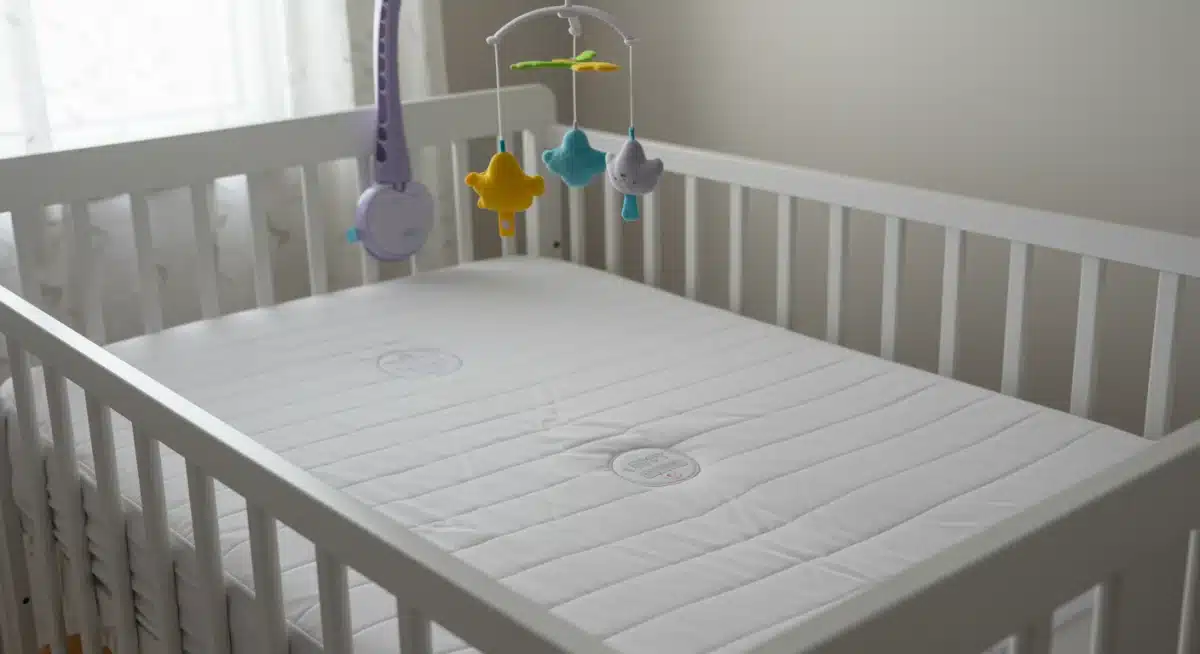

The guidelines also address the use of weighted sleep products, such as weighted blankets or swaddles. The 2026 updates explicitly advise against their use, citing concerns about potential respiratory compromise and overheating. Parents should opt for lightweight sleep sacks or swaddles that do not add extra weight or restrict movement, ensuring the baby can breathe freely and regulate their temperature effectively.
This stricter stance on sleep products is designed to simplify choices for parents and minimize the risk of accidental injury or death. By clearly outlining what is and isn’t safe, the AAP aims to empower parents to create optimal sleep environments for their infants, free from unnecessary hazards.
Key Change 3: Updated Recommendations on Swaddling and Sleep Sacks
Swaddling has long been a common practice to soothe newborns, but the 2026 AAP guidelines offer refined advice on its safe application and when to transition away from it. The new recommendations aim to harness the calming benefits of swaddling while mitigating potential risks, particularly as infants grow and develop.
Safe Swaddling Practices
The guidelines reiterate that swaddling can be beneficial for newborns, helping to calm them and promote sleep by mimicking the snugness of the womb. However, they emphasize that swaddling should only be done for infants who are placed on their backs to sleep. Once an infant shows signs of attempting to roll over, typically around 2 to 4 months of age, swaddling must be discontinued immediately. This is because a swaddled infant who rolls onto their stomach may have difficulty rolling back, increasing the risk of suffocation.
- Back to Sleep Only: Swaddle only when the infant is placed on their back.
- Discontinue at Rolling Signs: Stop swaddling as soon as the baby shows any signs of rolling over.
- Loose Hips: Ensure swaddling allows for hip movement to prevent hip dysplasia.
The new guidelines also provide more specific advice on the type of swaddle to use. They recommend lightweight, breathable materials that do not restrict hip movement. Swaddles that are too tight around the hips can contribute to hip dysplasia, a condition where the hip joint doesn’t form correctly. Parents are encouraged to use swaddles designed for safe sleep, ensuring they are not too restrictive or too loose, which could become a entanglement hazard.
Transitioning to Sleep Sacks
As infants outgrow swaddling, the guidelines strongly recommend transitioning to sleep sacks. Sleep sacks provide a safe alternative to loose blankets, which are a suffocation risk for infants. They keep the baby warm without the danger of covering their face or becoming entangled. The 2026 updates highlight sleep sacks as the preferred choice for infants who are no longer swaddled, promoting continuous safe sleep practices.
The emphasis on proper swaddling technique and the timely transition to sleep sacks are critical components of the updated guidelines. By providing clear instructions, the AAP helps parents ensure their infants are both comfortable and safe during sleep, adapting practices as the baby reaches developmental milestones.
Key Change 4: Clearer Guidance on Pacifier Use and Breastfeeding
The 2026 AAP guidelines reinforce the protective effects of pacifier use and breastfeeding against SIDS, offering clearer and more integrated guidance on how these practices contribute to infant sleep safety. These recommendations aim to support parents in making informed choices that align with the latest research.
The Role of Pacifiers in SIDS Prevention
The guidelines strongly recommend offering a pacifier at naptime and bedtime once breastfeeding is well-established, typically after the first few weeks. Research consistently shows that pacifier use is associated with a reduced risk of SIDS. The exact mechanism is not fully understood, but it is thought that pacifier use may help maintain an open airway or make it easier for infants to arouse from deep sleep.
- Offer at Sleep Times: Encourage pacifier use for naps and night sleep.
- Wait for Breastfeeding Establishment: Introduce after breastfeeding is well-established to avoid nipple confusion.
- No Force: Do not force a pacifier if the infant refuses it.
The new guidelines also clarify that if the pacifier falls out during sleep, there is no need to reinsert it. This alleviates parental anxiety and reinforces that the primary benefit comes from the initial use. Furthermore, parents are advised against attaching pacifiers to the baby’s clothing or using pacifier clips with long strings, as these can pose strangulation hazards.
Breastfeeding’s Protective Effects
Breastfeeding continues to be a cornerstone of infant health, and the 2026 guidelines further emphasize its protective effect against SIDS. The AAP recommends exclusive breastfeeding for the first six months, followed by continued breastfeeding with the introduction of complementary foods for at least a year, or longer as mutually desired by mother and infant. The protective effect of breastfeeding is thought to be dose-dependent, meaning the longer and more exclusively an infant is breastfed, the greater the reduction in SIDS risk.
The integration of advice on both pacifier use and breastfeeding reflects a holistic approach to infant sleep safety. By promoting these practices, the AAP aims to leverage their synergistic benefits in reducing SIDS risk, offering parents clear, actionable steps they can take to enhance their infant’s safety and well-being.
Key Change 5: Addressing Environmental Factors and Parental Education
Beyond the immediate sleep environment, the 2026 AAP guidelines place a greater emphasis on broader environmental factors and the crucial role of parental education in promoting infant sleep safety. This expanded focus acknowledges that a comprehensive approach is necessary to address all potential risk factors for SUID.
Controlling the Sleep Environment
The guidelines provide more explicit advice on maintaining a comfortable and safe room temperature. Overheating is a known risk factor for SIDS, so parents are advised to dress their infant appropriately for the room temperature and avoid over-bundling. The room should be kept at a temperature that is comfortable for a lightly clothed adult, typically between 68-72 degrees Fahrenheit (20-22 degrees Celsius).
- Optimal Room Temperature: Maintain a comfortable temperature, avoiding overheating.
- Avoid Over-bundling: Dress infants in layers appropriate for the room, not excessively.
- Smoke-Free Environment: Ensure the infant’s environment is entirely smoke-free, including secondhand and thirdhand smoke.
A significant update in this section is the reinforced warning against exposure to smoke, including prenatal and postnatal exposure. The guidelines stress that a smoke-free environment is paramount for infant health and significantly reduces the risk of SIDS. This includes avoiding smoking in the home, car, or any area where the infant spends time.
The Power of Parental Education
Crucially, the 2026 guidelines highlight the importance of consistent and comprehensive parental education. Healthcare providers are encouraged to actively engage with parents at every visit, providing clear, consistent messages about safe sleep practices. This includes not only explaining the ‘how’ but also the ‘why’ behind each recommendation, fostering a deeper understanding and commitment from parents.
The guidelines also advocate for broader public health campaigns to reach diverse communities and ensure equitable access to safe sleep information. This includes addressing cultural practices and socio-economic factors that might influence sleep practices, aiming to provide culturally sensitive and accessible education to all families. By empowering parents with knowledge and addressing environmental factors, the AAP seeks to create a safer world for all infants.
Implementing the New Guidelines: Practical Steps for Parents
Adopting the 2026 AAP guidelines might seem like a lot to take in, but breaking it down into practical steps can make the transition smoother and less daunting. The goal is to integrate these recommendations seamlessly into your daily routine, ensuring your baby benefits from the safest possible sleep environment.
Creating a Safe Sleep Foundation
Start by ensuring your baby’s primary sleep space meets all criteria. This means a CPSC-approved crib, bassinet, or play yard with a firm mattress and a fitted sheet. Remove all soft bedding, bumpers, pillows, and toys from the sleep area. Remember, an empty crib is a safe crib. If you’re using a hand-me-down crib, double-check that it meets current safety standards and hasn’t been recalled.
Next, focus on room-sharing. Position your baby’s safe sleep surface in your bedroom, ideally within arm’s reach. This allows for easy monitoring and feeding without the risks of bed-sharing. For nighttime feedings, bring your baby to your bed, feed them, and then return them to their separate sleep surface. This consistent practice reinforces safe sleep habits from the start.
Adapting to Developmental Changes
As your baby grows, their sleep needs and capabilities change, and your practices should evolve accordingly. For example, if you swaddle your newborn, be vigilant for signs of rolling over. As soon as you notice even attempts, transition them out of the swaddle and into a sleep sack. This proactive approach prevents potential hazards as they gain mobility.
Consider the room temperature and your baby’s clothing. Use a sleep sack appropriate for the season and ensure the room is comfortably cool, not too warm. Always place your baby on their back for every sleep, whether it’s a nap or nighttime. Consistency is key here; even a quick nap on their tummy can pose a risk.
Finally, embrace the use of a pacifier at sleep times once breastfeeding is established. If your baby doesn’t take to it, don’t force it, but offer it consistently. These small, deliberate actions collectively create a powerful shield against sleep-related risks, giving you peace of mind and your baby the safest start.
| Key Point | Brief Description |
|---|---|
| Room-Sharing Emphasis | Strongly recommends infants sleep in the same room as parents, but on a separate, safe sleep surface, avoiding bed-sharing. |
| Stricter Sleep Surfaces | Only CPSC-approved cribs/bassinets with firm, flat surfaces; discourages inclined sleepers and soft products. |
| Swaddling & Sleep Sacks | Swaddle only on back, discontinue when rolling; transition to sleep sacks as a safe alternative to blankets. |
| Environmental Factors | Emphasizes maintaining optimal room temperature and a completely smoke-free environment for the infant. |
Frequently Asked Questions About Infant Sleep Safety
Bed-sharing significantly increases the risk of SIDS and accidental suffocation, especially for infants under four months, premature babies, or those with low birth weight. The guidelines advocate for room-sharing with a separate sleep surface to minimize these dangers while maintaining proximity.
Only CPSC-approved cribs, bassinets, or play yards with a firm, flat mattress covered by a fitted sheet are considered safe. Inclined sleepers, infant loungers, and soft sleep positioners are explicitly discouraged due to suffocation risks.
You should stop swaddling your baby as soon as they show any signs of attempting to roll over, typically around 2 to 4 months of age. A swaddled infant who rolls onto their stomach may struggle to roll back, posing a suffocation risk.
Yes, research indicates that pacifier use at naptime and bedtime is associated with a reduced risk of SIDS. It’s thought to help maintain an open airway or make it easier for infants to arouse from deep sleep. Offer it once breastfeeding is well-established.
Extremely important. The 2026 guidelines strongly emphasize that a completely smoke-free environment, including avoiding secondhand and thirdhand smoke, significantly reduces the risk of SIDS. This is a critical factor for infant health and safety.
Conclusion
The 2026 AAP guidelines for infant sleep safety represent a vital update, offering parents the most current and evidence-based recommendations to protect their little ones. By understanding and implementing these five key changes—from enhanced room-sharing emphasis to stricter product guidelines, updated advice on swaddling, clear guidance on pacifier use and breastfeeding, and a focus on environmental factors—you can significantly reduce the risks associated with infant sleep. These guidelines are not just suggestions; they are a roadmap to ensuring a safer, healthier sleep environment for every baby, empowering parents with the knowledge to navigate this crucial aspect of infant care with confidence and peace of mind.