Toddler Nutrition: Introduce 10 Vegetables by Age Two

Introducing 10 new vegetables to toddlers by age two is achievable through consistent exposure, positive reinforcement, and involving them in the food preparation process.
Navigating the world of toddler eating can often feel like a culinary tightrope walk, especially when aiming to provide a diverse and nutritious diet. One of the most common challenges parents face is how to effectively introduce new foods, particularly vegetables, to their little ones. This article delves into the latest in toddler nutrition: 3 expert-backed strategies to introduce 10 new vegetables by age two, transforming mealtime from a battleground into an exciting journey of discovery for both you and your child.
Understanding the toddler palate: a developmental perspective
Toddlers are naturally curious yet often cautious eaters. Their developing palates are highly sensitive, and new flavors and textures can be overwhelming. It’s crucial to understand that their dietary preferences are not just whims but are often rooted in their developmental stage and innate protective mechanisms against potential toxins, which can manifest as a fear of new foods, known as neophobia.
This phase typically peaks between 18 months and two years, making the introduction of new vegetables a delicate but essential task. Patience and persistence are key, as it can take multiple exposures—sometimes 10 to 15 or even more—before a toddler accepts a new food. Avoid pressuring your child, as this can create negative associations with food and mealtime, potentially leading to long-term eating issues.
The science behind taste development
A toddler’s taste buds are still maturing, and they often have a heightened sensitivity to bitter flavors, which are common in many vegetables. This sensitivity is a survival instinct, as bitterness in nature can sometimes indicate toxicity. However, repeated, positive exposure can help to desensitize these taste buds and increase acceptance.
- Early exposure matters: Introducing a wide variety of flavors during infancy, even before solids, can shape future preferences.
- Flavor learning: Toddlers learn to associate flavors with positive experiences, making mealtime environment crucial.
- Genetic predispositions: Some children may be genetically predisposed to dislike certain bitter compounds, but this can often be overcome.
Understanding these developmental nuances helps parents approach feeding with empathy and strategic planning. The goal isn’t just to get vegetables into their mouths, but to foster a healthy, positive relationship with food that lasts a lifetime. This foundation is critical for future eating habits and overall well-being.
Strategy 1: consistent exposure and positive modeling
One of the most effective ways to encourage toddlers to eat vegetables is through consistent, non-pressured exposure. This means offering a variety of vegetables regularly, even if they are initially rejected. The key is to keep trying without making it a battle. Parents are the primary role models; toddlers are highly observant and often mimic the eating behaviors of those around them.
Make vegetables a regular part of family meals, ensuring that you and other family members visibly enjoy eating them. When toddlers see their parents enthusiastically consume a wide range of vegetables, they are more likely to perceive these foods as desirable and safe. This strategy taps into their natural inclination to imitate, turning mealtime into an educational and social experience rather than a coercive one.
Making vegetables visible and accessible
Integrating vegetables into everyday life beyond the dinner plate can also significantly increase acceptance. Keep cut-up vegetables like carrot sticks, cucumber slices, or bell pepper strips handy for snacks. Offer them alongside preferred foods, allowing the toddler to explore at their own pace.
- Plate presentation: Arrange vegetables attractively on the plate, making them visually appealing.
- No pressure rule: Avoid forcing or bribing; let the child decide whether and how much to eat.
- Repeated offerings: Continue to offer rejected vegetables in different forms or at different meals.
The goal is to normalize vegetables as a regular and enjoyable part of the diet. By creating a positive and consistent environment around food, parents can significantly increase the likelihood that their toddlers will develop a broader palate and a lifelong appreciation for healthy eating. This strategy emphasizes patience and a gentle approach, respecting the child’s autonomy while guiding them towards nutritious choices.
Strategy 2: creative presentation and playful engagement
Toddlers are often drawn to novelty and play. Leveraging this natural inclination by presenting vegetables in creative and engaging ways can make them much more appealing. This strategy involves transforming vegetables into fun shapes, incorporating them into familiar dishes, and making mealtime an interactive experience.
Think beyond steamed broccoli and consider serving vegetable purees in colorful swirls on a plate, cutting carrots into star shapes, or creating “faces” with different vegetable pieces. The visual appeal can significantly influence a toddler’s willingness to try new foods. Moreover, involving toddlers in the preparation process can foster a sense of ownership and excitement about eating what they helped create.
Involving toddlers in food preparation
Even young toddlers can participate in simple tasks like washing vegetables, stirring ingredients, or picking out specific items from a bowl. This hands-on experience not only makes them more curious about the food but also provides valuable sensory exploration. When children feel like they are part of the process, they are often more invested in the outcome.
- “Hidden” vegetables: Blend vegetables into sauces, smoothies, or baked goods without making them undetectable, but rather enhancing flavor and nutrition.
- Theme meals: Create fun themes around meals, like “rainbow plate” with various colored vegetables.
- Gardening together: If possible, growing vegetables at home can significantly increase a child’s interest in eating them.
By making food fun and involving toddlers in its journey from garden to plate, parents can demystify vegetables and turn mealtime into an adventure. This playful approach helps to break down resistance and build positive associations, making it easier to integrate a wider variety of vegetables into their diet. Engagement is a powerful tool in fostering healthy eating habits.
Strategy 3: pairing and familiarization techniques
Introducing new vegetables alongside familiar, preferred foods is a powerful strategy to increase acceptance. This method, often called “food chaining” or “pairing,” leverages the comfort of known tastes and textures to make the unfamiliar less daunting. By associating a new vegetable with something they already love, toddlers are more likely to give it a try.
For example, serve a small portion of a new vegetable, such as roasted zucchini, next to a favorite food like pasta or chicken nuggets. The familiarity of the preferred food can act as a bridge, reducing anxiety and making the new item seem less threatening. Over time, the new vegetable can gradually become a familiar food itself.
Gradual introduction and flavor enhancement
Start with vegetables that have milder flavors and softer textures, then gradually introduce more complex ones. Lightly seasoned or roasted vegetables often have a sweeter, more appealing taste than boiled ones. Experiment with different cooking methods to find what your toddler prefers.
- Dipping sauces: Offer healthy dips like hummus, yogurt-based sauces, or guacamole with raw or steamed vegetables.
- Sweet and savory pairings: Combine slightly bitter vegetables with naturally sweet fruits or sweet potatoes.
- Small portions: Offer very small, manageable portions of new vegetables to avoid overwhelming the child.
This strategy emphasizes a gentle, incremental approach, building on existing preferences to expand a toddler’s diet. By carefully pairing new vegetables with familiar foods and enhancing their natural flavors, parents can gradually introduce a wider array of nutritious options. This method respects the toddler’s current preferences while subtly guiding them towards new culinary experiences.
Overcoming common challenges: picky eating and food aversion
Picky eating is a normal phase for many toddlers, but it can be frustrating for parents. Understanding that true food aversion, often linked to sensory sensitivities, is different from typical picky eating is crucial. For true aversions, professional help from a pediatric dietitian or occupational therapist might be beneficial. For typical pickiness, consistency and creativity are your best allies.
Avoid labeling your child as a “picky eater” in front of them, as this can become a self-fulfilling prophecy. Instead, focus on positive language and celebrate small victories. Remember that a child’s appetite can vary greatly from day to day, and a single meal does not define their overall nutritional intake. 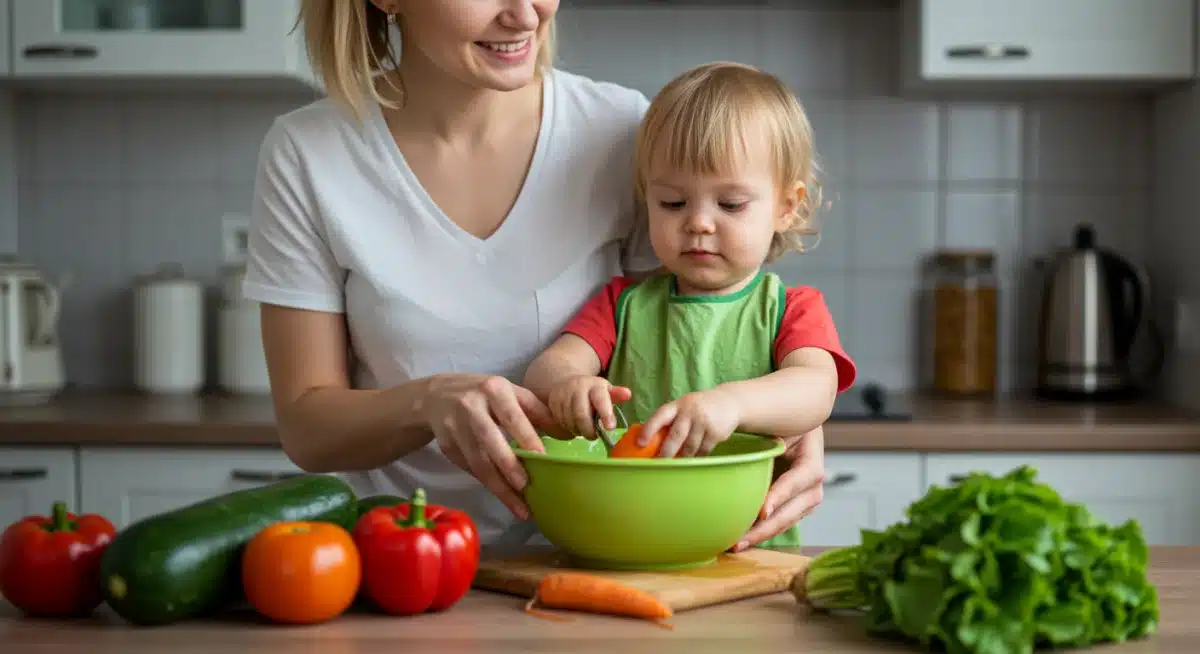
Strategies for persistent picky eaters
When faced with consistent refusal, it’s important not to give up. Offer the same rejected vegetable again a few days later, perhaps prepared differently. Sometimes, simply changing the shape, texture, or cooking method can make a big difference. For instance, a child who dislikes steamed carrots might enjoy roasted carrot sticks or shredded carrots in a muffin.
- Routine and structure: Establish regular meal and snack times to create predictability and reduce grazing.
- Empowerment through choice: Offer two healthy options and let the toddler choose, giving them a sense of control.
- Patience and persistence: It takes time for toddlers to accept new foods; celebrate small successes.
Addressing picky eating requires a nuanced approach that combines understanding, patience, and strategic intervention. By maintaining a positive mealtime environment, being creative with food presentation, and consistently offering a variety of options, parents can help their toddlers overcome resistance and develop healthier eating habits. This long-term perspective is vital for success.
The long-term benefits of early vegetable introduction
Introducing a wide array of vegetables early in a toddler’s life lays a crucial foundation for lifelong healthy eating habits. The period between 6 months and 2 years is considered a “flavor window,” during which children are most receptive to new tastes and textures. Capitalizing on this window can significantly impact their dietary preferences for years to come.
Children who are exposed to a diverse range of vegetables early on are more likely to consume more vegetables throughout childhood and adolescence. This early exposure helps them develop a broader palate, reduces the likelihood of picky eating as they grow older, and ensures they receive a wider spectrum of essential vitamins, minerals, and fiber vital for their growth and development.
Impact on overall health and development
A diet rich in vegetables supports robust physical health, including a strong immune system, healthy digestion, and optimal cognitive development. The antioxidants and phytochemicals found in vegetables play a protective role against chronic diseases later in life. Furthermore, positive mealtime experiences contribute to a child’s emotional well-being and social development.
- Reduced risk of obesity: Early preference for vegetables can help prevent excessive intake of high-calorie, low-nutrient foods.
- Improved gut health: Dietary fiber from vegetables supports a healthy gut microbiome, which is linked to overall health.
- Enhanced cognitive function: Nutrients in vegetables provide essential building blocks for brain development.
The efforts invested in introducing vegetables during the toddler years yield significant dividends in the form of healthier children and adults. By fostering a love for vegetables from an early age, parents equip their children with one of the most powerful tools for maintaining long-term health and well-being. This early nutritional programming is an invaluable gift.
| Key Strategy | Brief Description |
|---|---|
| Consistent Exposure | Offer vegetables regularly without pressure, acting as a positive role model. |
| Creative Presentation | Make vegetables fun through shapes, colors, and involving toddlers in preparation. |
| Pairing & Familiarization | Serve new vegetables alongside preferred foods to increase acceptance. |
| Patience & Persistence | Understand that acceptance takes multiple exposures and avoid mealtime battles. |
Frequently asked questions about toddler nutrition
Experts suggest offering a new vegetable 10 to 15 times, or even more, before concluding a toddler truly dislikes it. Persistence is crucial, as taste buds evolve, and acceptance can increase with repeated, non-pressured exposure in various forms and contexts.
Good starting vegetables include sweet potatoes, carrots, peas, green beans, and zucchini. They are often naturally sweet or have mild flavors and softer textures when cooked, making them more palatable for developing tastes. Try roasting or steaming them.
While occasional “hidden” vegetables can boost nutrient intake, it’s better to offer them visibly to foster acceptance. Transparency helps toddlers learn to like the taste and texture of vegetables themselves, rather than just tolerating them when disguised. Aim for a balance.
Reduce stress by avoiding pressure, bribes, or punishments. Offer a variety of foods, including a preferred item, and let your toddler decide what and how much to eat from what’s offered. Keep meal times positive and focused on family interaction, not just consumption.
Fruits are healthy, but vegetables offer unique nutrients. Continue offering vegetables consistently alongside fruit. Try pairing mild vegetables with fruits in smoothies or purees. Ensure the child isn’t filling up on fruit before attempting vegetables. Consult a pediatrician if concerns persist.
Conclusion
Successfully introducing 10 new vegetables to a toddler by age two is an attainable goal that significantly benefits their long-term health and eating habits. By implementing strategies such as consistent exposure, positive modeling, creative presentation, and thoughtful pairing, parents can transform mealtime challenges into opportunities for growth and discovery. Patience, persistence, and a positive approach are the cornerstones of fostering a diverse and healthy palate in young children. Remember that every small step towards vegetable acceptance is a victory, laying the groundwork for a lifetime of nutritious choices and enjoyable eating experiences.