Child Development Milestones 0-3: 10 Key Indicators 2025
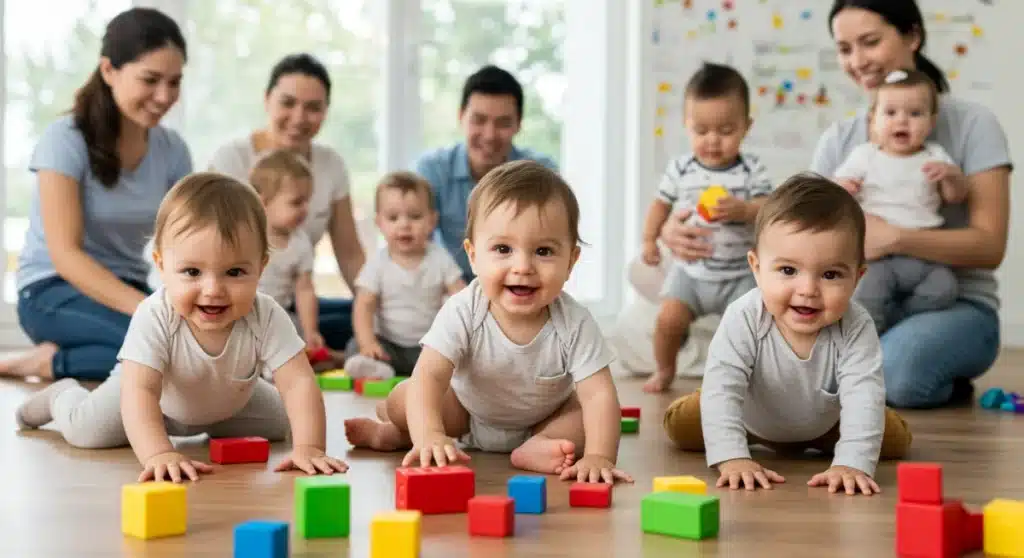
Understanding child development milestones from ages 0-3 is crucial for parents, offering insights into what to expect in 2025 and identifying 10 key indicators of healthy growth and development.
Embarking on the journey of parenthood brings immense joy and a natural curiosity about your child’s growth. Knowing what to expect regarding child development milestones from birth to age three can empower you with confidence and help you celebrate every small victory.
The Importance of Understanding Early Milestones
The first three years of a child’s life are a period of extraordinary growth and learning. During this time, children develop foundational skills across various domains, including cognitive, social-emotional, language, and motor skills. Understanding these milestones is not about strict timelines, but rather about having a general roadmap that helps parents recognize typical development and identify potential areas where their child might need extra support or attention.
Observing your child’s progress through these stages can be incredibly rewarding, offering insights into their unique personality and learning style. It also provides a framework for knowing when to consult with healthcare professionals if you have concerns, ensuring early intervention if necessary. This proactive approach can make a significant difference in a child’s long-term development.
Why Milestones Matter for Parents
- Guidance for Interaction: Milestones help parents understand how to best interact with their child, offering appropriate stimulation and activities.
- Early Detection: They serve as early warning signs for potential developmental delays, allowing for timely professional assessment.
- Celebrating Progress: Recognizing milestones allows parents to celebrate their child’s achievements, fostering a positive and supportive environment.
- Informed Decisions: Knowledge of milestones empowers parents to make informed decisions about their child’s care and education.
In conclusion, a clear understanding of early childhood milestones is a cornerstone of effective parenting. It equips parents with the knowledge to support their child’s development, providing both reassurance and a guide for nurturing their little one’s potential.
Cognitive Development: Learning and Problem-Solving
Cognitive development encompasses how children think, explore, and figure things out. It involves the development of knowledge, skills, problem-solving, and dispositions, which help children to think about and understand the world around them. From birth, infants are actively learning, observing, and experimenting with their environment.
In the 0-3 age range, cognitive development progresses from basic reflexes to understanding cause and effect, object permanence, and early problem-solving. These early cognitive achievements lay the groundwork for more complex learning in the future. Parents play a crucial role in fostering this development through responsive interactions and providing stimulating environments.
Key Cognitive Indicators (0-3 Years)
- Object Permanence: Understanding that objects still exist even when they can’t be seen (typically by 8-12 months).
- Cause and Effect: Learning that actions have consequences (e.g., shaking a rattle makes noise).
- Problem-Solving: Beginning to figure out simple puzzles or how to get a toy out of reach.
- Imitation: Copying sounds and actions of others.
As children grow, their cognitive abilities become more sophisticated, moving from sensory exploration to symbolic thought. For example, a 1-year-old might stack blocks randomly, while a 2-year-old might build a tower with intent, and a 3-year-old might engage in imaginative play, using blocks to represent a house or car. These progressions demonstrate a child’s evolving understanding of the world and their ability to manipulate it conceptually.
Fostering cognitive development involves engaging children in play that encourages exploration, asking open-ended questions, and reading together. Providing opportunities for hands-on experiences helps solidify their understanding of concepts. Ultimately, supporting cognitive growth in these early years prepares children for academic success and lifelong learning.
Motor Skill Development: From First Movements to Running
Motor skill development refers to the progression of a child’s ability to control their body movements. This crucial area of development is broadly divided into gross motor skills, which involve large muscle movements like crawling and walking, and fine motor skills, which involve smaller, more precise movements like grasping and drawing. Both are essential for a child’s independence and interaction with their environment.
The journey from a newborn’s reflexive movements to a toddler’s confident strides is truly remarkable. Each new motor skill unlocks further opportunities for exploration and learning, contributing to overall cognitive and social development. For instance, once a baby can sit unsupported, their hands are free to manipulate objects, enhancing their understanding of shapes and textures.
Gross Motor Milestones
- Head Control: Holding head up steadily by 3-4 months.
- Sitting: Sitting unsupported by 6-8 months.
- Crawling/Scooting: Moving independently by 8-10 months.
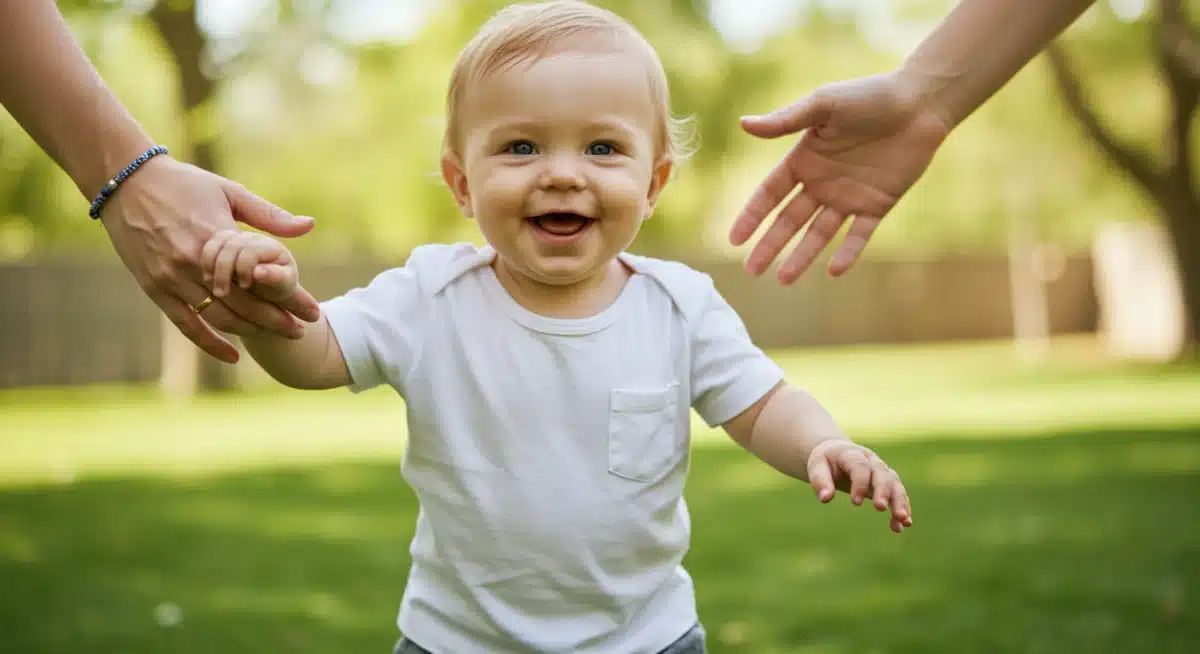
- Walking: Taking first independent steps by 12-15 months, running by 2-3 years.
Fine Motor Milestones
- Reaching and Grasping: Reaching for objects by 4-6 months, transferring objects between hands by 6-7 months.
- Pincer Grasp: Picking up small objects with thumb and forefinger by 9-12 months.
- Stacking Blocks: Building a tower of 2-3 blocks by 15-18 months, 4-6 blocks by 2 years.
- Scribbling/Drawing: Making random marks by 12-18 months, drawing simple shapes by 2-3 years.
Encouraging motor skill development involves providing a safe environment for movement and exploration. Tummy time for infants, opportunities for crawling, and supervised play on soft surfaces are all beneficial. As toddlers, providing access to playgrounds, balls, and art supplies further refines their skills. Consistent practice and encouragement, rather than pressure, are key to fostering healthy motor development.
Language Acquisition: From Babbling to First Sentences
Language development is one of the most exciting aspects of a child’s early years, transforming them from a babbling infant into a communicator capable of expressing thoughts and needs. This process begins long before a child utters their first word, starting with their ability to understand and respond to sounds and gestures. The environment a child grows up in plays a critical role in shaping their linguistic capabilities.
From approximately 6 months, babies begin to babble, experimenting with sounds and intonations. This evolves into understanding simple words, then speaking single words, and eventually combining words into short sentences. By age three, many children can engage in basic conversations, ask questions, and tell simple stories, representing significant cognitive and social leaps.
Key Language Indicators (0-3 Years)
- Responding to Sounds: Turning head towards sounds by 3-4 months.
- Babbling: Making a variety of sounds by 6-9 months.
- First Words: Saying single words like ‘mama’ or ‘dada’ by 12-15 months.
- Two-Word Phrases: Combining two words (e.g., ‘more juice’) by 18-24 months.
- Simple Sentences: Using 3-4 word sentences by 2-3 years.
- Following Instructions: Understanding and following simple two-step instructions by 2-3 years.
Parents can significantly support language acquisition by talking, reading, and singing to their children regularly. Engaging in back-and-forth conversations, even with infants, helps them understand the rhythm and structure of language. Reading aloud exposes children to a wide vocabulary and narrative structures, while singing helps with prosody and rhythm. Responding to a child’s babbles and gestures validates their attempts at communication and encourages further linguistic exploration.
It’s important to remember that every child develops at their own pace. However, consistent engagement and a language-rich environment are universal factors that strongly promote healthy linguistic growth.
Social-Emotional Development: Building Connections and Self-Awareness
Social-emotional development refers to a child’s ability to understand their own feelings and the feelings of others, manage emotions, build relationships, and explore and interact with their environment. These skills are fundamental for forming healthy relationships, navigating social situations, and achieving personal well-being throughout life. This development is deeply intertwined with cognitive and language growth, as children learn to express their emotions and understand social cues.
In the first three years, children move from relying entirely on caregivers for comfort and regulation to developing a sense of self and an ability to interact with peers. They learn about empathy, sharing, and cooperation, albeit in rudimentary forms initially. Secure attachments with primary caregivers provide the foundation for healthy social-emotional growth, fostering a sense of trust and security.
Key Social-Emotional Indicators (0-3 Years)
- Smiling Responsively: Smiling in response to faces and voices by 2-3 months.
- Stranger Anxiety: Showing discomfort around unfamiliar people by 6-9 months.
- Separation Anxiety: Becoming distressed when a primary caregiver leaves by 8-12 months.
- Imitation of Others: Copying actions and sounds of adults and other children by 12-18 months.
- Parallel Play: Playing alongside other children without much interaction by 18-24 months.
- Turn-Taking: Beginning to understand and participate in turn-taking games by 2-3 years.
- Expressing Emotions: Clearly showing a range of emotions like joy, sadness, and anger by 2-3 years.
Parents can foster social-emotional development by providing consistent love and affection, responding to their child’s needs, and modeling positive social behaviors. Encouraging empathy, teaching emotion regulation strategies, and providing opportunities for supervised social interaction are also vital. Reading books about feelings and discussing characters’ emotions can help children understand and label their own experiences. These early experiences shape a child’s capacity for empathy, resilience, and positive social engagement.
10 Key Child Development Indicators for 2025
As we look towards 2025, the core indicators of healthy child development remain foundational. These 10 key indicators serve as a comprehensive checklist for parents to observe and celebrate their child’s progress from birth to age three. While every child’s developmental path is unique, these benchmarks provide a valuable guide for understanding typical growth and identifying areas where a child might benefit from additional support.
These indicators span across all developmental domains, emphasizing the holistic nature of early childhood growth. Observing these signs can offer parents peace of mind and help them engage in activities that specifically nurture their child’s emerging abilities. Remember, these are general guidelines, and a child may reach some milestones earlier or later than others.
The 10 Essential Indicators
- Responsive Smiling (2-3 months): A baby smiles back when you smile at them.
- Head Control (3-4 months): The ability to hold their head steady without support.
- Sitting Independently (6-8 months): Sitting up without leaning on anything.
- Babbling with Variety (6-9 months): Making different sounds like ‘ba-ba’ or ‘da-da’.
- Crawling or Independent Movement (8-10 months): Moving around on their own, whether crawling, scooting, or rolling.
- Pincer Grasp (9-12 months): Picking up small objects using their thumb and forefinger.
- First Words (12-15 months): Saying one or two meaningful words.
- Taking First Steps (12-15 months): Walking a few steps without holding onto anything.
- Two-Word Phrases (18-24 months): Combining words to form simple phrases like ‘daddy go’.
- Pretend Play (2-3 years): Engaging in imaginative play, like feeding a doll or driving a toy car.
These indicators are not merely checkpoints but opportunities for interaction and encouragement. For example, when a baby starts babbling, responding with similar sounds encourages their language development. When a toddler takes their first steps, cheering them on builds their confidence. By focusing on these indicators, parents can actively participate in and support their child’s developmental journey, ensuring they thrive in the crucial early years.
Nurturing Development: Tips for Parents
Active parental engagement is the most powerful catalyst for healthy child development. Creating a nurturing and stimulating environment doesn’t require expensive toys or elaborate programs; often, the most effective strategies involve simple, consistent interactions that foster connection and learning. These tips are designed to be practical and easily integrated into daily routines.
The goal is to provide a rich tapestry of experiences that encourage exploration, problem-solving, and emotional expression. Remember that every interaction, no matter how small, contributes to your child’s growth. Consistency and responsiveness are far more impactful than intensity or quantity of activities.
Practical Strategies for Parents
- Talk and Read Regularly: Engage in conversations, even with infants. Read books aloud daily, pointing to pictures and asking questions.
- Play Actively: Get down on the floor and play with your child. Engage in games that encourage movement, imagination, and problem-solving.
- Encourage Exploration: Provide a safe environment for your child to explore independently. Allow them to touch, taste, and manipulate objects (under supervision).
- Respond to Cues: Pay attention to your child’s signals, whether it’s a babble, a gesture, or a cry. Responding appropriately builds trust and encourages communication.
- Limit Screen Time: Minimize exposure to screens, especially for children under two. Prioritize direct human interaction and hands-on play.
- Foster Social Interaction: Arrange playdates and opportunities for your child to interact with other children and adults. Model positive social behaviors.
- Provide Routine and Predictability: Established routines help children feel secure and understand what to expect, aiding emotional regulation.
Supporting your child’s development is an ongoing process of learning and adapting. Trust your instincts, celebrate the small victories, and don’t hesitate to seek guidance from healthcare professionals or other parents when needed. Your consistent love, attention, and effort are the greatest gifts you can give your child during these formative years.
| Key Developmental Area | Brief Expectation (0-3 Years) |
|---|---|
| Cognitive Skills | Develops object permanence, problem-solving, and imitation through sensory exploration. |
| Motor Skills | Progresses from head control to sitting, crawling, walking, and refined fine motor control. |
| Language Acquisition | Moves from babbling to first words, two-word phrases, and simple sentences. |
| Social-Emotional | Develops responsive smiles, attachment, emotional expression, and early social play. |
Frequently Asked Questions About Child Development Milestones
In the first year, crucial milestones include responsive smiling, holding the head up, sitting independently, babbling, crawling, and taking first steps. These lay the foundation for future cognitive, motor, and social-emotional growth, indicating healthy development and readiness for more complex skills.
To encourage language development, talk, read, and sing to your child daily. Respond to their babbles and gestures, describe what you are doing, and use a rich vocabulary. Limiting screen time and engaging in interactive play also significantly boost linguistic skills.
Concerns may arise if your child consistently misses several milestones or loses previously acquired skills. Trust your parental instincts; if something feels off, consult your pediatrician. Early intervention can be highly beneficial for addressing potential developmental delays and ensuring optimal outcomes.
Developmental milestones are flexible guidelines, not rigid deadlines. Children develop at their own pace, and there’s a wide range of normal. While they provide a general roadmap, it’s essential to consider the child’s individual temperament and environment rather than adhering to strict timelines.
Play is fundamental to child development, fostering cognitive, motor, language, and social-emotional skills. Through play, children explore, experiment, solve problems, and learn to interact with others. It’s their primary mode of learning and understanding the world around them, making it indispensable for healthy growth.
Conclusion
Navigating the early years of your child’s life is an incredible journey filled with discovery and growth. Understanding child development milestones from ages 0-3 provides parents with a valuable framework for appreciating their child’s unique progression and ensuring they receive the support needed to thrive. By focusing on the 10 key indicators and implementing nurturing strategies, you can confidently foster a stimulating environment that encourages optimal development. Remember, your active involvement and loving presence are the most significant factors in shaping your child’s bright future.