Choosing the Right Car Seat: 2025 US Safety Standards & Top 5 Picks

Understanding and adhering to updated 2025 US safety standards for child restraint systems is crucial when choosing the right car seat: updated safety standards and top 5 picks for 2025 US families, ensuring optimal protection for young passengers.
Embarking on parenthood brings a myriad of decisions, and among the most critical is ensuring your child’s safety in a vehicle. Choosing the right car seat: updated safety standards and top 5 picks for 2025 US families is not merely a purchase; it’s an investment in peace of mind and, more importantly, in your child’s protection. With evolving regulations and innovative designs, staying informed is key to making the best choice for your precious cargo.
Understanding 2025 US car seat safety standards
The landscape of child passenger safety is dynamic, with regulations constantly updated to reflect new research and technological advancements. For 2025, US families need to be aware of the latest federal safety standards, which are designed to enhance protection and simplify installation, ensuring every journey is as safe as possible.
These standards are not arbitrary; they are the result of extensive crash testing and injury data analysis by agencies like the National Highway Traffic Safety Administration (NHTSA). Familiarizing yourself with these guidelines is the first step towards making an informed decision about your child’s car seat.
Key updates in car seat regulations for 2025
Several crucial updates are shaping the car seat market in 2025, primarily focusing on ease of use and improved impact protection. These changes aim to reduce user error, which is a significant factor in car seat misuse.
- Enhanced Side-Impact Protection: Many new models are integrating more robust side-impact protection features, going beyond basic federal requirements to safeguard children in various collision scenarios.
- Improved LATCH System Usability: While LATCH (Lower Anchors and Tethers for Children) has been around, 2025 sees an emphasis on making these systems even more intuitive and easier to install correctly, reducing common installation errors.
- Extended Rear-Facing Guidelines: The recommendation for children to remain rear-facing for as long as possible, often up to age two or even beyond, continues to be reinforced, with many seats now accommodating higher weight and height limits in this orientation.
These updates reflect a commitment to continuous improvement in child passenger safety, providing parents with more reliable and user-friendly options. Understanding these nuances helps in selecting a car seat that aligns with the highest safety benchmarks.
In essence, the 2025 safety standards represent a proactive approach to child safety. They ensure that car seats available on the market are not only compliant but also offer superior protection, making the task of choosing the right car seat a more confident endeavor for parents.
Types of car seats and when to switch
Navigating the various types of car seats and understanding when to transition your child from one to another is a fundamental aspect of child passenger safety. Each type is designed for specific age, weight, and height ranges, providing optimal protection at different developmental stages.
Making the switch at the appropriate time is crucial, as using a car seat that is too small or too large can compromise its effectiveness in a crash. Parents should always refer to the car seat’s instruction manual and their child’s current measurements, rather than relying solely on age.
Infant car seats: birth to approximately 1 year
Infant car seats are designed exclusively for newborns and smaller babies, typically up to 22-35 pounds and around 30 inches. These seats are rear-facing only and are often part of a travel system, allowing you to easily transfer your sleeping baby from the car to a stroller without waking them.
- Portability: Lightweight and often equipped with a carrying handle, making them convenient for parents on the go.
- Snug Fit: Designed to cradle newborns securely, providing excellent head and neck support.
- Base System: Many come with a stay-in-car base, simplifying installation and removal of the seat itself.
The primary advantage of infant car seats is their ability to provide a custom fit for the smallest passengers, ensuring maximum safety during their most vulnerable stage. Always ensure the harness straps are at or below your baby’s shoulders for a snug fit.
Convertible car seats: extended use and flexibility
Convertible car seats offer greater longevity, as they can be used rear-facing for infants and then converted to forward-facing for toddlers. This versatility often means they can accommodate children from birth up to 40-65 pounds or more, providing several years of use.
The ability to extend rear-facing use for longer periods aligns with current safety recommendations, which advocate for rear-facing until a child outgrows the seat’s weight or height limits. This provides superior protection for the child’s head, neck, and spine in the event of a frontal collision.
Booster seats: for older children
Once a child has outgrown the weight or height limits of their forward-facing car seat, typically around 4-8 years old, they transition to a booster seat. Booster seats are designed to raise the child so that the vehicle’s adult seat belt fits correctly across their body – snugly across the upper thighs and collarbone.
There are two main types: high-back boosters, which offer head and neck support, and backless boosters, which are more portable. The choice often depends on the vehicle’s headrest height and the child’s comfort. Children should use a booster seat until they are tall enough for the vehicle’s seat belt to fit properly without it, usually when they are 4 feet 9 inches tall and between 8 and 12 years old.
In summary, understanding the purpose and appropriate usage of each car seat type is vital. Always follow the manufacturer’s instructions and current safety guidelines to ensure your child travels safely through every stage of their development.
Installation best practices and common mistakes
Correct car seat installation is just as crucial as choosing the right seat. Even the most expensive and highly-rated car seat offers minimal protection if it’s not installed properly. Statistics show that a significant percentage of car seats are installed incorrectly, making it imperative for parents to master the installation process.
The key to proper installation lies in understanding your car seat’s manual, your vehicle’s owner’s manual, and seeking professional help if needed. A correctly installed car seat should not move more than one inch side-to-side or front-to-back at the belt path.
LATCH vs. seat belt installation
Car seats can typically be installed using one of two methods: the LATCH system or the vehicle’s seat belt. Both are equally safe when used correctly, but it’s important to understand their specific requirements and limitations.
- LATCH System: This system uses lower anchors and tether straps built into your vehicle and car seat. It’s often perceived as easier, but there are weight limits for using LATCH, typically a combined weight of the child and car seat. Always check your car seat and vehicle manuals for these limits.
- Seat Belt Installation: This method uses the vehicle’s seat belt to secure the car seat. It’s often necessary for older children or heavier car seats that exceed LATCH weight limits. Proper installation involves locking the seat belt, which can be done automatically in many vehicles or manually by pulling the belt all the way out and letting it retract.
Never use both LATCH and the seat belt simultaneously unless explicitly permitted by both the car seat and vehicle manufacturers, as this can lead to an unsafe installation.
Avoiding common installation errors
Several common mistakes can compromise car seat safety. Awareness of these errors can help parents ensure their child’s seat is installed correctly every time.
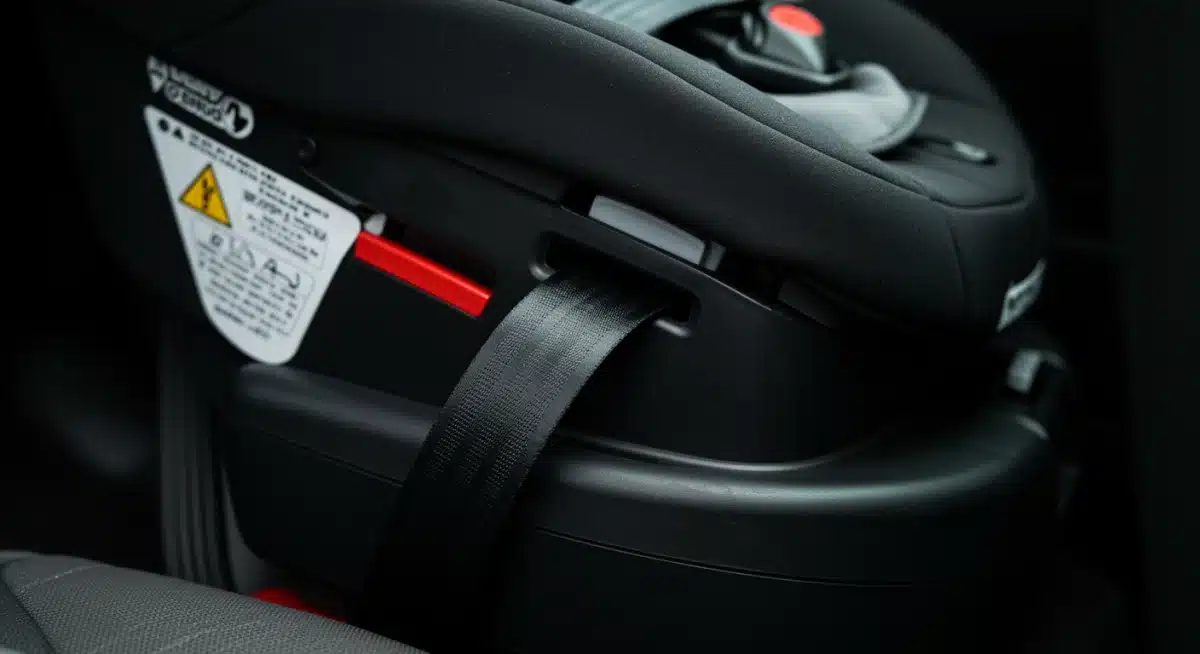
- Loose Installation: The car seat should not move more than an inch in any direction at the belt path. If it does, tighten the straps or seat belt further.
- Incorrect Harness Height: For rear-facing, harness straps should be at or below the child’s shoulders. For forward-facing, they should be at or above the shoulders.
- Twisted Straps: Ensure all harness straps and the tether strap are flat and untwisted. Twisted straps can reduce the effectiveness of the restraint in a crash.
- Improper Recline Angle: Especially for infants, the car seat must be reclined at the correct angle to prevent the baby’s head from slumping forward, which can obstruct breathing. Most infant seats have built-in level indicators.
If you’re unsure about your car seat installation, don’t hesitate to seek help from a certified Child Passenger Safety Technician (CPST). Many local fire departments, hospitals, and police stations offer free car seat checks, providing invaluable peace of mind.
Ultimately, a perfectly installed car seat is the cornerstone of child passenger safety. By understanding the options, following instructions diligently, and avoiding common pitfalls, parents can significantly enhance their child’s safety on the road.
Top 5 car seat picks for 2025 US families
With numerous options available, selecting the best car seat can feel overwhelming. Our top 5 picks for 2025 are based on a combination of updated safety features, ease of installation, user reviews, and adaptability, ensuring they meet the diverse needs of US families while adhering to the latest safety standards.
These selections represent a blend of infant, convertible, and all-in-one seats, catering to different stages of a child’s growth and parents’ preferences for features like portability, extended rear-facing capabilities, and advanced safety technologies.
Graco Extend2Fit convertible car seat
The Graco Extend2Fit remains a top contender for its exceptional extended rear-facing capabilities, allowing children to stay rear-facing up to 50 pounds. This feature is crucial for optimal safety, as rear-facing provides superior protection for a child’s head and neck in a collision.
- Extended Rear-Facing: Up to 50 pounds, promoting longer rear-facing use.
- Adjustable Extension Panel: Provides 5 inches of additional legroom, ensuring comfort as your child grows.
- Easy Installation: Features the InRight LATCH system for a one-second attachment.
Its robust construction and user-friendly design make it a favorite among parents seeking long-term value and high safety standards.
Chicco KeyFit 35 infant car seat
For newborns and infants, the Chicco KeyFit 35 is a standout choice. Building on the success of its predecessors, the KeyFit 35 offers an extended weight range for infants, allowing for longer use. Its focus on easy and secure installation is a major draw for new parents.
- Easy Installation: Features SuperCinch LATCH tightener and ReclineSure leveling foot for simple and accurate installation.
- Head and Body Support: Removable head and body support for newborns and smaller infants.
- Lightweight Design: Easy to carry and transfer, ideal for travel systems.
The KeyFit 35 emphasizes intuitive design, minimizing installation errors and maximizing safety for the tiniest passengers.
Britax Boulevard ClickTight convertible car seat
The Britax Boulevard ClickTight is renowned for its innovative ClickTight installation system, which makes proper installation as simple as buckling a seat belt. This significantly reduces the chances of common installation errors, a major concern for many parents.
- ClickTight Installation: Ensures a secure installation every time with minimal effort.
- SafeCell Impact Protection: Energy-absorbing base, V-shaped tether, and side-impact protection for comprehensive safety.
- No-Rethread Harness: Easily adjust harness height without rethreading, saving time and hassle.
This car seat combines advanced safety features with unparalleled ease of installation, making it a premium choice for growing families.
Evenflo EveryStage DLX all-in-one car seat
The Evenflo EveryStage DLX lives up to its name by offering an all-in-one solution that transitions from rear-facing infant seat to forward-facing with harness, and finally to a booster seat. This provides exceptional value and convenience, as it’s the only car seat you’ll likely need.
- Versatile Use: Accommodates children from 4-120 pounds, covering all stages of growth.
- EasyClick LATCH: Simple and secure LATCH installation.
- SensorSafe Technology: Provides real-time alerts to a connected app regarding child’s presence, unbuckled chest clip, or unsafe temperature.
Its longevity and integrated safety technology make it an attractive option for budget-conscious parents who don’t want to compromise on safety.
Clek Foonf convertible car seat
For parents prioritizing advanced safety and a sleek design, the Clek Foonf is a premium convertible car seat. It features a rigid-LATCH installation for forward-facing and an anti-rebound bar for rear-facing, offering superior stability and energy absorption.
- Rigid-LATCH: Provides a secure and rigid installation for forward-facing, reducing movement.
- Anti-Rebound Bar: Enhances safety in rear-facing mode by limiting seat rotation.
- Narrow Design: Allows for three-across seating in many vehicles, ideal for growing families.
The Clek Foonf is an investment in cutting-edge safety features and durable construction, designed for families seeking the highest level of protection.
These top picks for 2025 offer a range of features and price points, but all share a commitment to child safety. When choosing, consider your vehicle, your child’s specific needs, and your budget, ensuring the selected car seat provides optimal protection for your family.
Maintenance and longevity of car seats
A car seat is a long-term investment in your child’s safety, and proper maintenance is essential to ensure its effectiveness and longevity. Understanding how to care for your car seat, when to replace it, and the implications of expiration dates are crucial aspects of responsible car seat ownership.
Regular cleaning, inspecting for wear and tear, and storing the seat properly can significantly extend its useful life, ensuring it continues to provide the intended level of protection for your child.
Cleaning and care tips
Car seats can get messy, but cleaning them requires specific care to maintain their safety features. Always refer to your car seat’s manual for specific cleaning instructions, as methods can vary by manufacturer.
- Fabric Covers: Most fabric covers are machine washable on a delicate cycle with mild detergent. Avoid harsh chemicals or bleach, which can degrade the fabric and flame-retardant properties. Always air dry, as high heat can damage the fabric.
- Harness Straps: Harness straps should generally be spot-cleaned with a damp cloth and mild soap. Never machine wash or submerge harness straps, as this can weaken the webbing and compromise their strength.
- Plastic and Metal Components: Wipe down plastic and metal parts with a damp cloth and mild soap. Avoid lubricants or solvents, which can damage the seat’s structure.
Regular cleaning not only keeps the car seat hygienic but also allows for frequent inspection of its components, helping identify any potential issues early on.
Expiration dates and when to replace
Car seats have expiration dates, typically ranging from 6 to 10 years from the date of manufacture. This date is critical and should always be adhered to, regardless of how well the seat appears to be maintained.
- Material Degradation: Over time, the plastic and foam components of a car seat can degrade due to exposure to temperature fluctuations, sunlight, and everyday use, making them less effective in a crash.
- Safety Standard Changes: Expired seats may not meet the latest safety standards, which are constantly evolving to incorporate new research and technology.
- Wear and Tear: Even without visible damage, continuous use can weaken critical components, reducing the seat’s ability to protect a child.
In addition to expiration, a car seat should always be replaced after a moderate to severe crash, even if it appears undamaged. Some manufacturers also recommend replacement after a minor crash; always check your car seat’s manual for their specific guidelines.
By diligently maintaining your car seat and adhering to expiration dates and replacement guidelines, you ensure that your child is always protected by a safe and reliable restraint system throughout their early years.
Future trends in car seat technology
The evolution of car seat technology is continuous, driven by a relentless pursuit of enhanced safety, user convenience, and integration with modern vehicles. As we look towards the future, several exciting trends are emerging that promise to further revolutionize child passenger safety.
These innovations aim to address existing challenges, such as correct installation and real-time monitoring, ensuring that car seats become even more intelligent and protective in the years to come.
Smart car seat features
The advent of smart technology is making its way into car seats, offering features that provide parents with an extra layer of security and peace of mind. These intelligent systems leverage sensors and connectivity to deliver real-time information.
- SensorSafe Technology: Some car seats now include sensors that can detect if a child is still buckled in the seat when the car is turned off, if the chest clip becomes unbuckled, or if the ambient temperature becomes unsafe. Alerts are then sent to a connected smartphone app.
- Integrated Bluetooth: Bluetooth connectivity can facilitate easier installation by guiding parents through the process or providing feedback on correct harness tension.
- Health Monitoring: Future iterations might include integrated sensors for monitoring a child’s vital signs, offering alerts for any anomalies during travel.
These smart features are designed to mitigate risks associated with forgotten children in cars or improper use, enhancing overall safety through proactive alerts and guidance.
Advanced materials and designs
Material science and design innovation are also playing a significant role in the future of car seats. Manufacturers are exploring new materials that offer superior energy absorption and durability, while also focusing on more ergonomic and compact designs.
- Lightweight Composites: The use of advanced lightweight composite materials can make car seats easier to handle and install without compromising strength or safety.
- Modular Designs: Future car seats might feature more modular components, allowing for easier customization, repair, and recycling, extending the product’s lifecycle and reducing environmental impact.
- Self-Adjusting Systems: Imagine a car seat that automatically adjusts its harness and recline angle based on the child’s size and the vehicle’s position, ensuring an optimal fit at all times.
These advancements promise not only safer car seats but also ones that are more sustainable and adaptable to the varying needs of families and vehicles. The future of car seat technology is bright, with a clear focus on making child passenger safety more intuitive, robust, and integrated than ever before.
| Key Aspect | Brief Description |
|---|---|
| 2025 Safety Standards | Updated US federal guidelines focusing on enhanced side-impact protection and improved LATCH usability for child car seats. |
| Car Seat Types | Infant (rear-facing only), Convertible (rear/forward-facing), and Booster (seat belt positioning) for different age/weight stages. |
| Installation Best Practices | Proper use of LATCH or seat belt, ensuring a snug fit (less than 1 inch movement), and correct harness height to avoid common errors. |
| Top 5 Picks | A selection of high-rated car seats (Graco, Chicco, Britax, Evenflo, Clek) considering safety, ease of use, and adaptability for 2025 families. |
Frequently asked questions about car seats
It’s recommended to keep children rear-facing for as long as possible, ideally until they reach the maximum weight or height limit of their convertible car seat, often around ages two to four. This position offers superior protection for their developing head, neck, and spine in a crash.
LATCH (Lower Anchors and Tethers for Children) is an alternative to using seat belts for car seat installation. It involves lower anchors built into your vehicle’s backseat and a top tether strap, designed to make installation easier and more secure. Always consult your car seat and vehicle manuals for specific LATCH weight limits.
Children should transition to a booster seat when they outgrow the weight or height limits of their forward-facing car seat, typically around 4-8 years old. They should remain in a booster until the vehicle’s seat belt fits properly across their body, usually when they are 4 feet 9 inches tall.
Yes, car seat expiration dates are very important. Over time, materials can degrade due to temperature changes and general wear, compromising the seat’s structural integrity. Additionally, safety standards evolve, meaning older seats might not meet current protection levels. Always adhere to the manufacturer’s expiration date.
Many resources are available for car seat installation assistance. You can find certified Child Passenger Safety Technicians (CPSTs) at local fire departments, hospitals, police stations, or through online directories. These professionals offer free inspections and guidance to ensure your car seat is installed correctly.
Conclusion
Navigating the world of car seats can seem daunting, but with a clear understanding of the updated 2025 US safety standards, the various types available, and best installation practices, parents can make informed decisions that prioritize their child’s safety. The advancements in car seat technology, from extended rear-facing capabilities to smart features, underscore a continuous commitment to protecting our youngest passengers. By choosing a reputable car seat from our top picks, maintaining it diligently, and seeking expert help when needed, families can confidently ensure secure and safe travels for their children. Responsible car seat ownership is a cornerstone of family safety on the road, providing invaluable peace of mind.