Healthy Toddler Snacks: 5 Easy Recipes for 2025 Nutrition
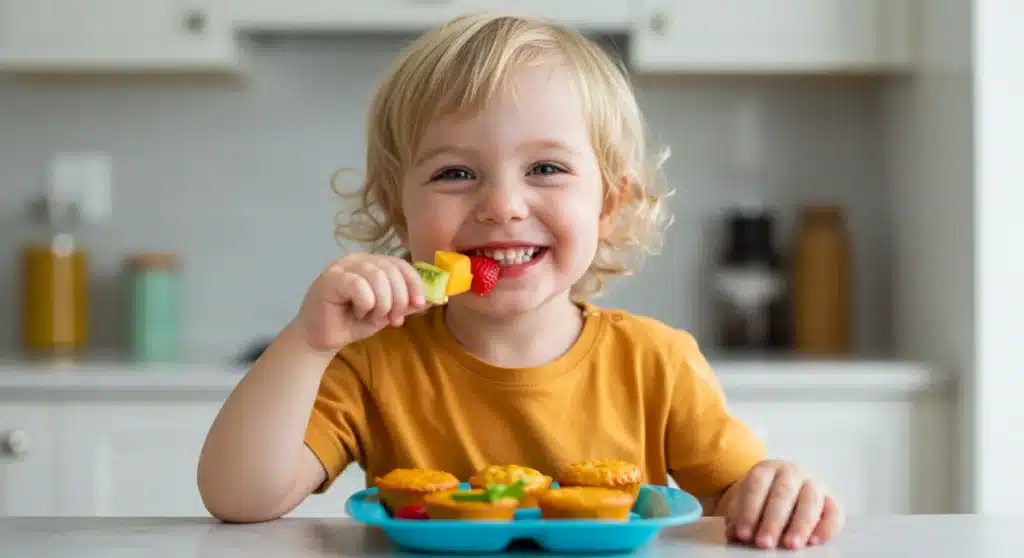
Implementing healthy snack alternatives: 5 easy recipes to boost toddler nutrition by 20% in 2025 can significantly improve young children’s dietary habits, providing essential nutrients and fostering lifelong healthy eating patterns.
Navigating the world of toddler nutrition can feel like a culinary tightrope walk. One moment, your little one is happily devouring everything in sight; the next, they’re turning their nose up at even their favorite foods. It’s a common challenge for parents, but ensuring a balanced diet, especially through snacks, is vital for their rapid growth and development. This article delves into how healthy snack alternatives: 5 easy recipes to boost toddler nutrition by 20% in 2025 can transform your child’s eating habits, making nutrition both simple and enjoyable for everyone involved. We understand the daily juggle, and our goal is to provide practical, delicious solutions that fit seamlessly into busy family life, helping you nurture a healthier future for your toddler.
Understanding Toddler Nutritional Needs: Why Snacks Matter
Toddlers are in a period of intense physical and cognitive development, demanding a consistent supply of energy and nutrients. Their small stomachs mean they often can’t consume enough food in three main meals to meet these needs. This is where snacks become incredibly important, acting as vital nutritional bridges between meals.
However, not all snacks are created equal. The market is flooded with options high in sugar, unhealthy fats, and artificial ingredients, which can hinder rather than help a toddler’s development. Choosing wisely means focusing on nutrient-dense options that support their growing bodies and minds. This section explores the specific nutritional requirements of toddlers and emphasizes why strategic snacking is a cornerstone of their healthy development.
The Role of Macronutrients and Micronutrients
For toddlers, a balanced intake of macronutrients (carbohydrates, proteins, and fats) and micronutrients (vitamins and minerals) is paramount. Each plays a distinct role in their development:
- Carbohydrates: Provide essential energy for play and learning. Opt for complex carbs found in whole grains, fruits, and vegetables.
- Proteins: Crucial for building and repairing tissues, muscle development, and immune function. Sources include lean meats, beans, dairy, and nuts.
- Healthy Fats: Essential for brain development, hormone production, and nutrient absorption. Avocados, nuts, seeds, and olive oil are excellent choices.
- Vitamins and Minerals: Support countless bodily functions, from bone growth (Vitamin D, Calcium) to immune strength (Vitamin C, Zinc). A varied diet is key to obtaining these.
By offering well-chosen snacks, parents can ensure these critical nutrients are consistently delivered throughout the day, preventing energy slumps and promoting optimal growth. It’s about more than just filling their tummies; it’s about fueling their potential.
In conclusion, understanding the unique nutritional demands of toddlers is the first step toward crafting effective snack strategies. Snacks are not just treats; they are integral components of a child’s daily nutrient intake, playing a critical role in their overall health and development. Prioritizing nutrient-rich alternatives ensures they receive the building blocks they need to thrive.
The Challenge of Picky Eaters and Snack Time Battles
Many parents can attest to the daily struggle of feeding a picky toddler. What might be an accepted food one day can become a sworn enemy the next. This phase, while frustrating, is a normal part of development as toddlers assert their independence and explore their environment. However, it can make ensuring adequate nutrition a significant challenge, particularly during snack times, which often become battlegrounds.
The key to overcoming this lies in creativity, patience, and persistence. Instead of forcing foods, offering appealing and easily manageable options can turn snack time into an enjoyable experience rather than a source of conflict. This section addresses the common hurdles parents face with picky eaters and provides strategies to make healthy snacking a positive interaction.
Strategies for Encouraging Acceptance
Engaging toddlers in the food process can often increase their willingness to try new things. Simple strategies can make a big difference:
- Involve them in preparation: Let them wash fruits or stir ingredients. This fosters a sense of ownership.
- Offer choices: Present two healthy options and let them pick. This gives them control.
- Make it fun: Use cookie cutters to create interesting shapes or arrange food in a playful way.
- Be patient: It can take multiple exposures (sometimes 10-15 times) for a child to accept a new food. Keep offering small portions without pressure.
Repetition and positive reinforcement are powerful tools. Celebrate small victories, like taking a single bite, and avoid making food a reward or punishment. The goal is to build a positive relationship with food that encourages exploration and acceptance over time.
Ultimately, navigating picky eating during snack time requires a shift in perspective. By understanding that fussiness is often a developmental stage and employing gentle, engaging strategies, parents can transform snack battles into opportunities for nutritional growth and positive food experiences. Patience and consistency are your greatest allies in this journey.
Recipe 1: Nutrient-Packed Berry Yogurt Bites
When it comes to quick, healthy, and appealing snacks for toddlers, convenience and nutritional value are paramount. Our first recipe, Nutrient-Packed Berry Yogurt Bites, perfectly encapsulates this philosophy. These bites are not only delicious and easy for little hands to manage but also brimming with probiotics, calcium, and antioxidants, making them an excellent choice for boosting your toddler’s daily nutrient intake. They are simple to prepare and can be made in advance, saving precious time for busy parents.
This recipe provides a fantastic alternative to sugary store-bought snacks, ensuring your child receives wholesome goodness without unnecessary additives. It’s a versatile snack that can be adapted to your toddler’s preferences and what you have on hand, making it a staple in your healthy snack repertoire.
Ingredients and Preparation
Creating these yogurt bites is incredibly straightforward, requiring minimal ingredients and effort. The beauty of this recipe lies in its simplicity and the ability to customize it based on your child’s tastes and any dietary considerations.
- Ingredients:
- 1 cup full-fat plain Greek yogurt (for healthy fats and protein)
- 1/2 cup mixed berries (fresh or frozen, thawed – rich in antioxidants)
- 1-2 teaspoons maple syrup or honey (optional, for sweetness, only for toddlers over 1 year)
- Optional: a pinch of chia seeds (for omega-3s and fiber)
- Instructions:
- In a bowl, gently mash the berries with a fork.
- Stir in the Greek yogurt until well combined. Add maple syrup/honey and chia seeds if using.
- Spoon small dollops of the mixture onto a parchment-lined baking sheet.
- Freeze for at least 2 hours, or until solid.
- Store in an airtight container in the freezer.
These frozen delights are perfect for teething toddlers, offering a soothing cold sensation while delivering vital nutrients. They are also a great way to introduce different fruit flavors and textures in an enjoyable format. The minimal sweetness makes them a healthy habit-forming snack.
In summary, Berry Yogurt Bites are a delightful and nutritious snack option, offering convenience for parents and a burst of flavor and essential nutrients for toddlers. Their ease of preparation and health benefits make them an ideal component of a balanced toddler diet, contributing significantly to their overall well-being.
Recipe 2: Savory Sweet Potato and Carrot Fritters
Moving beyond sweet options, our second recipe focuses on incorporating vegetables in a highly palatable way: Savory Sweet Potato and Carrot Fritters. These vibrant fritters are an excellent source of beta-carotene, fiber, and various vitamins, making them a powerful tool in boosting your toddler’s nutritional intake. They offer a soft texture, perfect for developing chewers, and a mildly sweet yet savory flavor profile that often appeals to even the most discerning young palates.
These fritters are not only healthy but also incredibly versatile. They can be served warm or cold, making them ideal for on-the-go snacking, lunchboxes, or even as a side dish. They represent a creative approach to ensuring your toddler consumes a wider array of vegetables without even realizing it.
Ingredients and Step-by-Step Guide
Preparing these savory fritters is a rewarding process that yields a batch of nutritious snacks for days. The ingredients are simple, wholesome, and readily available, emphasizing fresh produce for maximum health benefits.
- Ingredients:
- 1 medium sweet potato, peeled and grated
- 1 medium carrot, peeled and grated
- 1/4 cup whole wheat flour (or gluten-free alternative)
- 1 egg, lightly beaten
- 1/4 cup grated cheese (cheddar or mozzarella work well)
- 1 tablespoon olive oil (for cooking)
- Pinch of black pepper (optional)
- Instructions:
- In a large bowl, combine the grated sweet potato and carrot.
- Add the flour, beaten egg, grated cheese, and pepper (if using). Mix well until everything is evenly coated and forms a cohesive mixture.
- Heat olive oil in a non-stick skillet over medium heat.
- Spoon small amounts of the mixture into the pan, flattening them slightly to form small fritters.
- Cook for 3-4 minutes per side, or until golden brown and cooked through.
- Transfer to a paper towel-lined plate to drain any excess oil. Serve warm or at room temperature.
These fritters can be stored in an airtight container in the refrigerator for up to 3 days, making them perfect for meal prepping. They are a fantastic way to introduce vegetables in a non-intimidating form, encouraging toddlers to embrace a wider variety of flavors and textures.
In essence, Sweet Potato and Carrot Fritters offer a delicious and practical solution for parents aiming to enhance their toddler’s vegetable intake. Their appealing taste and texture, coupled with their nutritional density, make them an indispensable addition to any family’s healthy snack rotation.
Recipe 3: Wholesome Banana Oat Muffins
Muffins often get a bad rap for being overly sweet and calorie-dense, but when made with wholesome ingredients, they can be a fantastic and convenient snack for toddlers. Our third recipe, Wholesome Banana Oat Muffins, is designed to be naturally sweet, packed with fiber, and easy to hold for little hands. These muffins leverage the natural sweetness of ripe bananas and the sustained energy release from oats, making them an ideal choice for a morning or afternoon snack.
They are significantly healthier than most store-bought alternatives, free from excessive sugar and artificial ingredients. Plus, the batch-cooking nature of muffins means you can prepare a week’s worth of snacks in one go, a huge time-saver for busy parents. This recipe focuses on providing sustained energy and essential nutrients to support active toddlers.
Baking for Busy Parents: Tips and Tricks
Making these muffins is a straightforward process, and with a few tips, you can ensure they turn out perfectly every time. The key is using ripe bananas, as they contribute most of the sweetness and moisture.
- Ingredients:
- 2 ripe bananas, mashed
- 1 cup rolled oats
- 1/2 cup whole wheat flour
- 1/4 cup milk (dairy or non-dairy)
- 1 egg
- 1 tablespoon melted coconut oil or unsalted butter
- 1 teaspoon baking powder
- 1/2 teaspoon cinnamon
- Optional: 1/4 cup finely chopped walnuts or blueberries (for toddlers over 1 year)
- Instructions:
- Preheat oven to 375°F (190°C). Line a 12-cup muffin tin with paper liners or grease well.
- In a large bowl, combine mashed bananas, oats, milk, egg, and melted oil/butter. Mix well.
- In a separate bowl, whisk together flour, baking powder, and cinnamon.
- Add the dry ingredients to the wet ingredients and mix until just combined (do not overmix). Fold in optional walnuts or blueberries.
- Spoon the batter into the prepared muffin tin, filling each cup about two-thirds full.
- Bake for 18-20 minutes, or until a toothpick inserted into the center comes out clean.
- Let cool in the muffin tin for a few minutes before transferring to a wire rack to cool completely.
These muffins can be stored in an airtight container at room temperature for up to 3 days, or frozen for longer storage. They are perfect for grab-and-go moments, offering a dose of sustained energy and fiber that helps keep toddlers feeling full and satisfied.
In conclusion, Wholesome Banana Oat Muffins provide a practical and delicious solution for healthy toddler snacking. Their nutrient density, ease of preparation, and versatility make them an excellent addition to any parent’s toolkit for boosting their child’s nutrition effectively and enjoyably.
Recipe 4: Creamy Avocado and Pea Mash Dippers
Introducing healthy fats and hidden vegetables can sometimes be a challenge, but our fourth recipe, Creamy Avocado and Pea Mash Dippers, makes it effortless and delicious. This vibrant green mash is rich in healthy monounsaturated fats from avocado, essential for brain development, and packed with vitamins and fiber from peas. Its smooth, creamy texture is ideal for toddlers who are still developing their chewing skills, and it pairs perfectly with a variety of dippers, encouraging self-feeding and exploration.
This snack offers a refreshing change from traditional fruit-based options and is an excellent way to diversify your toddler’s palate. It’s quick to prepare and requires no cooking, making it an ideal last-minute snack solution that doesn’t compromise on nutrition.
Easy Preparation and Creative Serving Ideas
The beauty of this recipe lies in its simplicity and the minimal effort required. It’s a testament to how nutritious snacks can also be incredibly easy to make, even on the busiest days.
- Ingredients:
- 1 ripe avocado, peeled and pitted
- 1/2 cup frozen peas, thawed
- 1 tablespoon plain Greek yogurt (optional, for extra creaminess and protein)
- A squeeze of lemon juice (prevents browning and adds zest)
- Pinch of salt (optional, for toddlers over 1 year)
- Dippers: whole wheat crackers, cucumber sticks, bell pepper strips, rice cakes
- Instructions:
- In a small bowl, combine the avocado and thawed peas.
- Mash with a fork until desired consistency is reached. A smoother mash can be achieved using a blender or food processor.
- Stir in Greek yogurt (if using), lemon juice, and salt (if using).
- Serve immediately with a selection of healthy dippers.
For added versatility, you can also spread this mash on whole wheat toast or use it as a filling for mini wraps. The bright green color is often appealing to toddlers, making it an inviting option. The healthy fats in avocado contribute to satiety, keeping your toddler full and energized until their next meal.
To summarize, Creamy Avocado and Pea Mash Dippers are a fantastic, nutrient-dense snack that is both easy to prepare and highly beneficial for toddler development. Its rich nutritional profile and appealing texture make it a winning choice for parents looking to introduce more healthy fats and vegetables into their child’s diet.
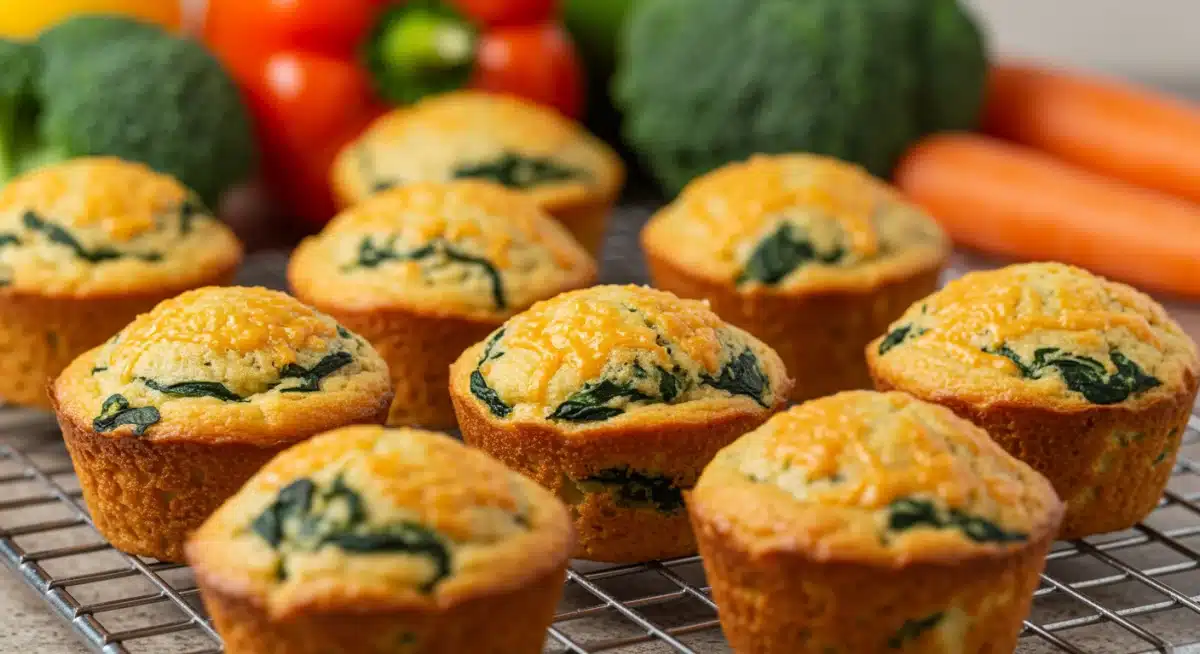
Recipe 5: Mini Spinach and Cheese Muffins
Our final recipe, Mini Spinach and Cheese Muffins, offers another excellent way to sneak in vegetables and protein, making them an indispensable tool in your quest for healthy snack alternatives: 5 easy recipes to boost toddler nutrition by 20% in 2025. These savory muffins are moist, flavorful, and packed with iron from spinach and calcium from cheese, supporting strong bones and healthy blood. Their small size makes them perfect for little hands and ideal for portion control, ensuring your toddler gets a nutritious boost without overeating.
These muffins are a fantastic alternative to sweet snacks and can be easily customized with other finely chopped vegetables, offering endless possibilities for variety. They are perfect for on-the-go, lunchboxes, or a quick, nutritious bite at home, proving that healthy can also be incredibly delicious and convenient.
Incorporating Greens into Toddler Diets
Getting toddlers to eat leafy greens can be notoriously difficult. This recipe cleverly disguises spinach within a familiar and beloved format, making it much more likely to be accepted. The cheese adds a savory depth and helps to bind the ingredients, creating a muffin that is both nutritious and appealing.
- Ingredients:
- 1 cup whole wheat flour
- 1/2 cup milk (dairy or non-dairy)
- 1 egg
- 1/4 cup olive oil or melted unsalted butter
- 1 cup fresh spinach, finely chopped
- 1/2 cup shredded cheddar cheese
- 1 teaspoon baking powder
- Pinch of garlic powder (optional)
- Pinch of salt and pepper (optional, for toddlers over 1 year)
- Instructions:
- Preheat oven to 375°F (190°C). Grease a mini muffin tin or line with paper liners.
- In a large bowl, whisk together milk, egg, and olive oil/butter.
- Stir in the finely chopped spinach and shredded cheese.
- In a separate bowl, combine flour, baking powder, garlic powder, salt, and pepper (if using).
- Add the dry ingredients to the wet ingredients and mix until just combined.
- Spoon the batter into the mini muffin tin, filling each cup about two-thirds full.
- Bake for 15-18 minutes, or until golden brown and a toothpick inserted comes out clean.
- Let cool in the tin for a few minutes before transferring to a wire rack.
These mini muffins are great for batch cooking and can be stored in the refrigerator for up to 4 days or frozen for up to a month. They provide a simple, effective way to ensure your toddler is getting a diverse range of nutrients, even when they’re in a picky phase.
In conclusion, Mini Spinach and Cheese Muffins are a clever and delicious solution for incorporating greens and essential nutrients into your toddler’s diet. Their appealing taste, convenient size, and nutritional benefits make them an excellent addition to any parent’s repertoire of healthy snack alternatives.
Integrating Healthy Habits: Beyond the Recipes
While these healthy snack alternatives: 5 easy recipes to boost toddler nutrition by 20% in 2025 provide excellent starting points, fostering healthy eating habits goes beyond just the food itself. It involves creating a positive and supportive eating environment, teaching toddlers about food, and leading by example. The goal is not just to get them to eat specific foods but to help them develop a lifelong healthy relationship with food.
Consistency, patience, and a bit of creativity are the cornerstones of success in this endeavor. This section delves into broader strategies that complement the recipes, ensuring a holistic approach to toddler nutrition and well-being.
Creating a Positive Food Environment
The way food is presented and the atmosphere around meal and snack times significantly influence a toddler’s willingness to eat. A calm, encouraging environment can transform a challenging experience into an enjoyable one.
- Eat together as a family: Toddlers learn by imitation. Seeing parents and older siblings eat a variety of healthy foods encourages them to do the same.
- Avoid pressure: Forcing a child to eat can create negative associations with food. Offer the food, but let them decide how much to eat.
- Limit distractions: Turn off screens during meals and snacks to help toddlers focus on their food and internal hunger cues.
- Involve them in shopping: Let them pick out fruits and vegetables at the grocery store. This increases their interest and ownership.
These simple practices contribute to a positive food culture within the family, making healthy eating a natural and enjoyable part of daily life. It’s about empowering toddlers to listen to their bodies and make healthy choices, rather than dictating what and how much they should eat.
Ultimately, integrating healthy habits extends beyond the plate. By providing nutritious options, fostering a positive eating environment, and involving toddlers in the food journey, parents can lay a strong foundation for lifelong healthy eating. These recipes are just the beginning of a joyous and nutritious adventure for your little one.
| Key Snack | Nutritional Benefit |
|---|---|
| Berry Yogurt Bites | Rich in probiotics, calcium, and antioxidants for gut health and bone development. |
| Sweet Potato Fritters | Excellent source of beta-carotene, fiber, and vitamins for vision and digestion. |
| Banana Oat Muffins | Provides sustained energy, high fiber for digestive health, and natural sweetness. |
| Avocado & Pea Mash | Packed with healthy fats for brain development and essential vitamins from peas. |
Frequently Asked Questions About Toddler Snacks
Toddlers typically benefit from 2-3 structured snacks per day, in addition to their three main meals. These snacks help maintain energy levels and provide essential nutrients, bridging the gap between larger meals without spoiling their appetite for the next one.
Common choking hazards include whole grapes, hot dogs, nuts, popcorn, large chunks of meat or cheese, and hard candies. Always cut foods into small, manageable pieces, and supervise your toddler during snack time to ensure safety.
Absolutely! Many of these recipes, like the Berry Yogurt Bites, Banana Oat Muffins, and Spinach and Cheese Muffins, are perfect for meal prepping. You can make a larger batch and store them in the refrigerator or freezer for quick, healthy options throughout the week.
Involve your toddler in the preparation, offer choices, make the food fun with shapes or colors, and be patient. It often takes multiple exposures for a child to accept new foods. Avoid pressure and celebrate small successes to build positive associations.
These recipes are adaptable. Feel free to substitute ingredients based on your child’s preferences or dietary needs. For example, use different berries, add other finely grated vegetables, or try various types of cheese. The goal is to find what works for your family.
Conclusion
Embarking on the journey of providing healthy snack alternatives: 5 easy recipes to boost toddler nutrition by 20% in 2025 is a significant step towards nurturing a healthier, happier child. The recipes and strategies outlined in this article are designed to simplify this process, transforming snack times from a challenge into an opportunity for growth and discovery. By focusing on nutrient-dense, easy-to-prepare options, parents can ensure their toddlers receive the vital building blocks for robust development, fostering not just physical health but also a positive relationship with food that will last a lifetime. Remember, every small, healthy snack contributes to a larger picture of well-being, paving the way for a future where healthy eating is both natural and enjoyable for your entire family.